Critics’ reviews

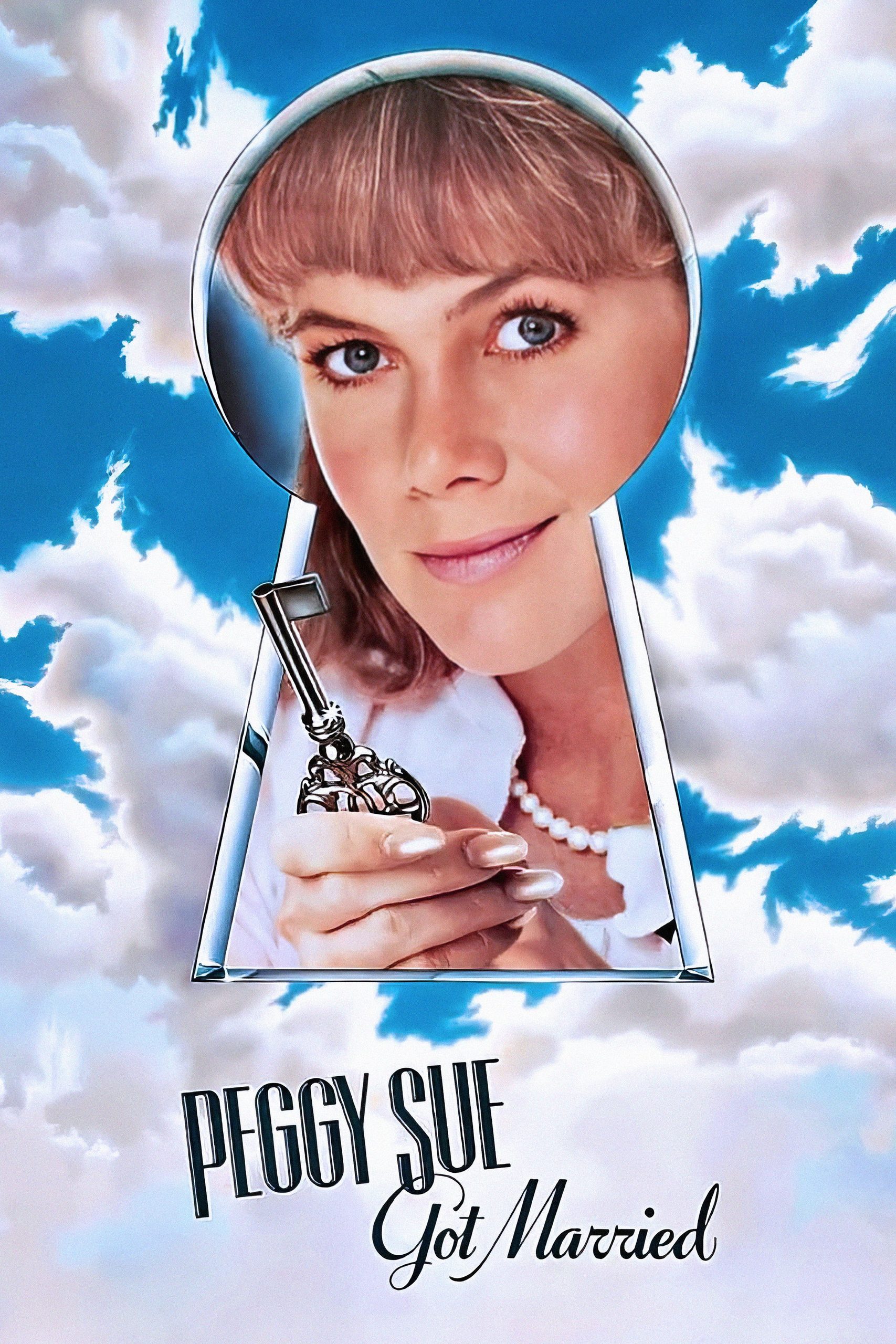
Peggy Sue Got Married (1986)

8 reviews from 8 publications. Critics’ score 75: 7 positive, 1 mixed, 0 negative.

Back to our review of Peggy Sue Got Married

75
Positive
7
Mixed
1
Negative
0

Most critics find Peggy Sue Got Married a warm, bittersweet comedy whose pleasures go beyond its nostalgic premise. Praise centres on Kathleen Turner’s ability to suggest both teenage awkwardness and adult experience, giving the second-chance fantasy emotional weight. The reviews also value the humour and regret that come from revisiting youthful decisions. Several single out the supporting performances, while the more enthusiastic responses find unexpected depth in the film’s treatment of love, family and the past.

Reservations cluster around looseness and coherence, with some reviews finding the handling of the premise sloppy. Comparisons with Back to the Future draw attention to its less slick approach, though this rarely prevents a favourable verdict. The New York Times is the clearest dissenter, enjoying Turner’s comedy but finding the film less coherent and personal than expected from Coppola. The spread runs from qualified approval to considerable affection, with no outright rejection.

Los Angeles Times
8 October 1986 · Sheila Benson
90*

The critic finds the film delivers unexpected emotional depth and pleasure beyond its nostalgic premise, turning it into a rueful love story and appreciation of the past. Strong performances, especially by Kathleen Turner, Barry Miller, and Joan Allen, are singled out.

Read the full review →
RogerEbert.com
8 October 1986 · Roger Ebert
90*

The critic praises the film as one of the best of the year, highlighting its emotional depth and human comedy as a woman returns to her teenage body with an adult mind. Kathleen Turner’s performance stands out for its physical and emotional nuance.

Read the full review →
Radio Times
· David Parkinson
70*

The review calls it a bittersweet time-travelling comedy that was often compared unfavourably to Back to the Future. It singles out Kathleen Turner's nuanced recreation of teenage traits and Nicolas Cage's amazing performance as the boy who grows into a slob, deeming the result thoughtful and rewarding.

Read the full review →
Time Out
· CPea
70*

The critic describes the film as more relaxed and sloppy than Coppola's usual work, exploring the fantasy of a second chance at youth. It praises Kathleen Turner's Oscar-caliber performance while noting the inevitable comparison to the slicker Back to the Future.

Read the full review →
Variety
31 December 1985 · Variety Staff
70*

The review commends the screenplay’s mix of sap and sass, with the unique angle of an adult mind in a teenage body providing fresh humor and insight into past decisions. It highlights the central relationship and the film’s appeal as a time-travel comedy.

Read the full review →
The New York Times
5 October 1986 · festival review · Vincent Canby
50*

The review describes the film as an amiable, somewhat sloppy comedy-fantasy about time travel and middle-aged reflection on youthful choices. It notes the strong premise and Kathleen Turner’s comic turn but finds it less coherent or personal than expected from its director.

Read the full review →
Collider
13 May 2022 · Benjamin Crabtree
85*

The critic praises the film as an inventive time-travel story that reframes the genre as gentle fantasy and memory excavation rather than sci-fi spectacle. They single out its emotional focus on personal regrets, family reconnection, and subtle character growth through small changes in the past.

Read the full review →
The Playlist
25 November 2014 · The Playlist Staff
75*

The film is a frothy, accessible take on time-travel and second chances, told from a female perspective with genuine heart and sincere optimism. It succeeds in giving Peggy Sue agency and quirkiness while showcasing early standout work from Nicolas Cage and supporting players.

Read the full review →

Ordered by the weight we give each publication, then by score. Scores are normalised to 100; * means inferred from an unrated review. Summaries are ours, not quotations; follow the links for the reviews themselves. How we rate