Film review

Peggy Sue Got Married

1986 · Directed by Francis Ford Coppola · 1h 43m · MPA PG-13

In a sentenceBeing a teenager again would be more tempting if it did not mean spending time with teenagers

ComedyDramaFantasy

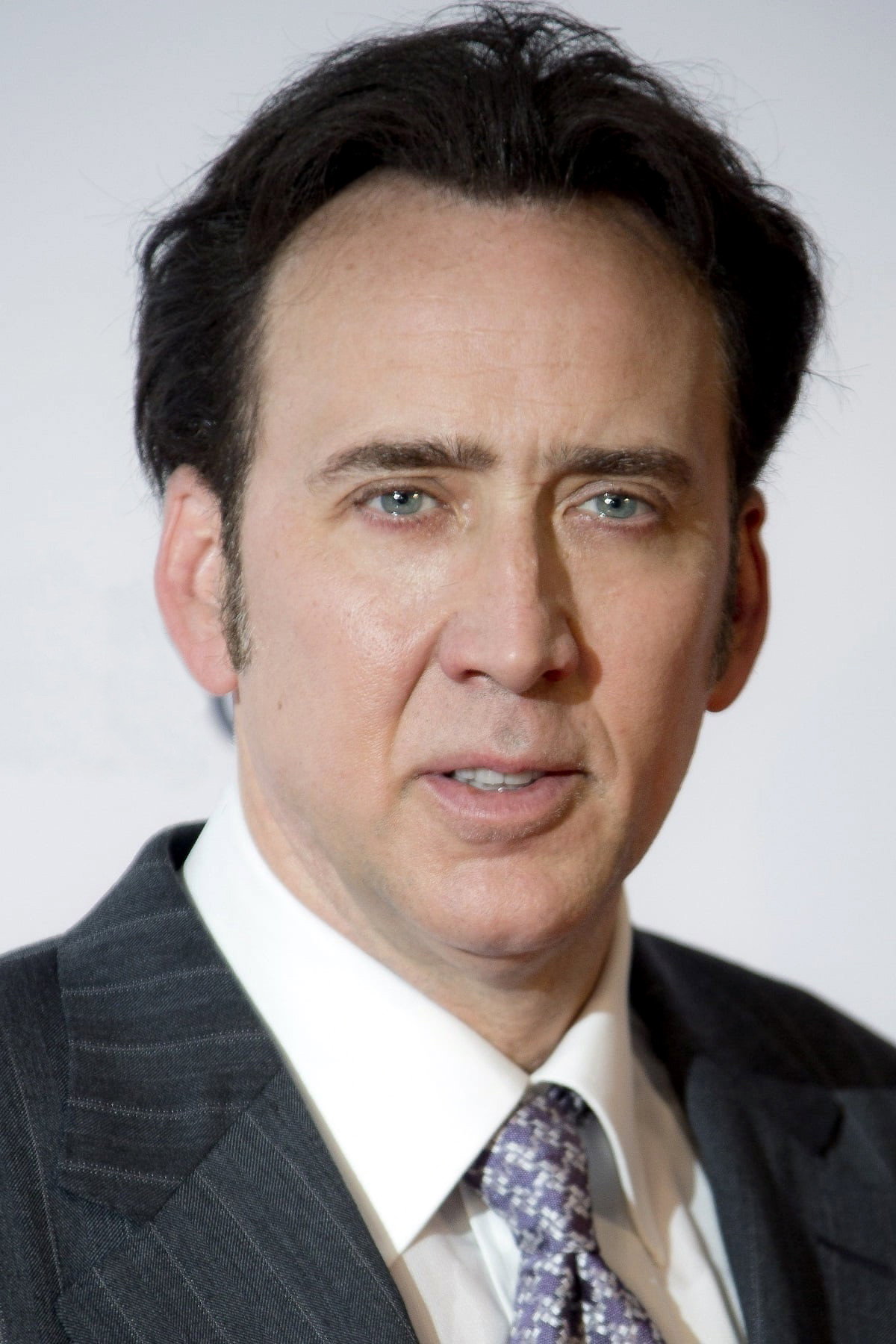
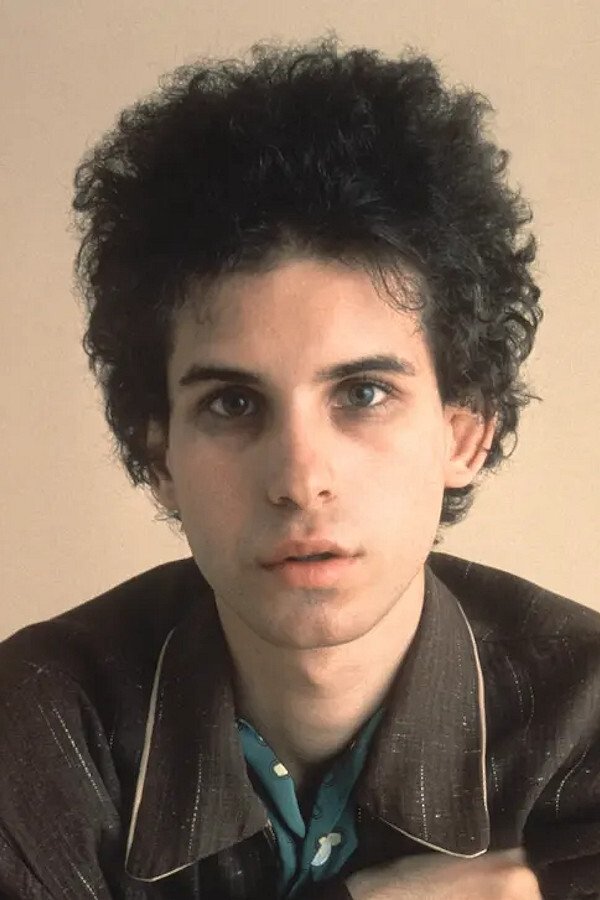
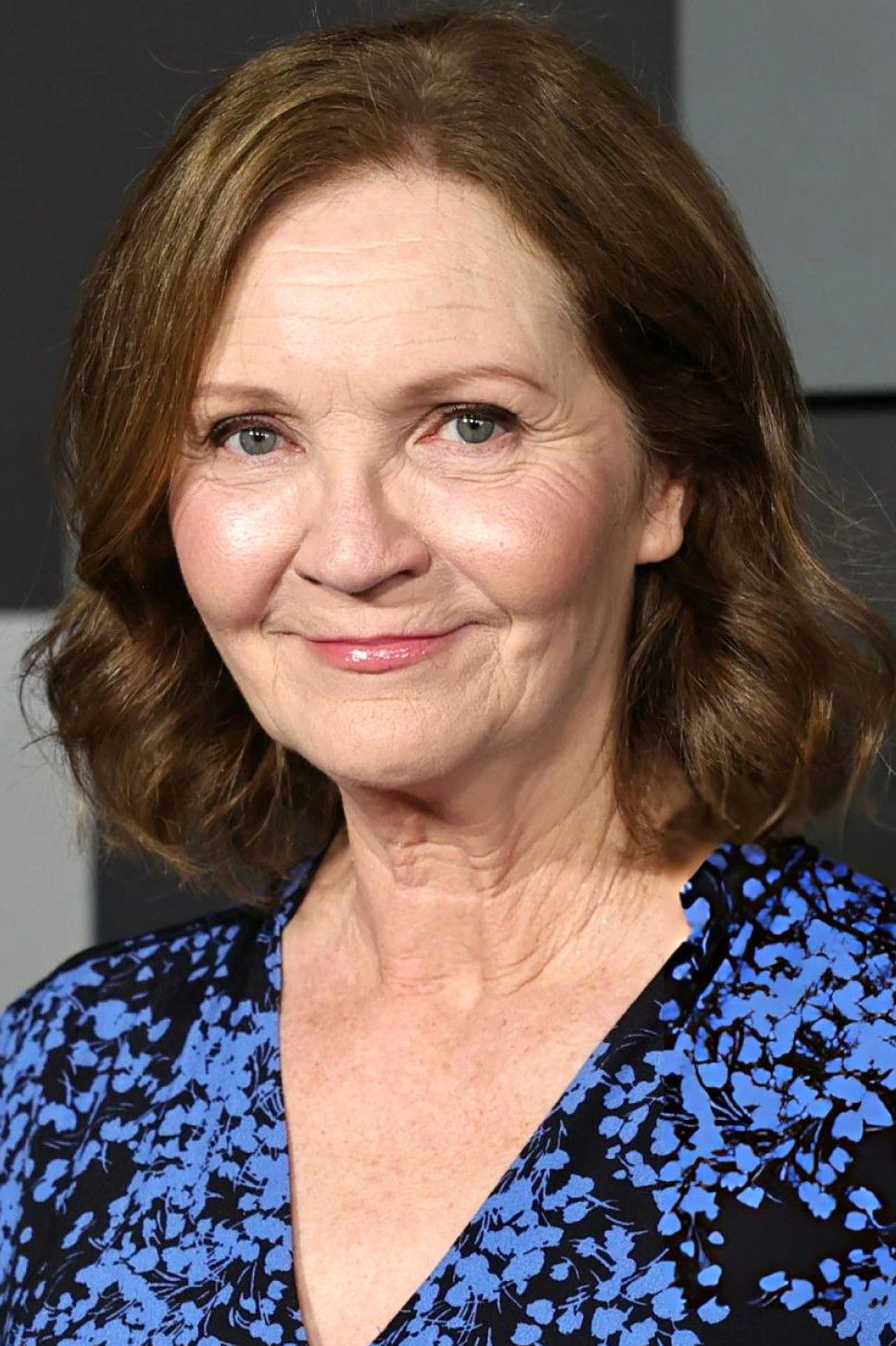
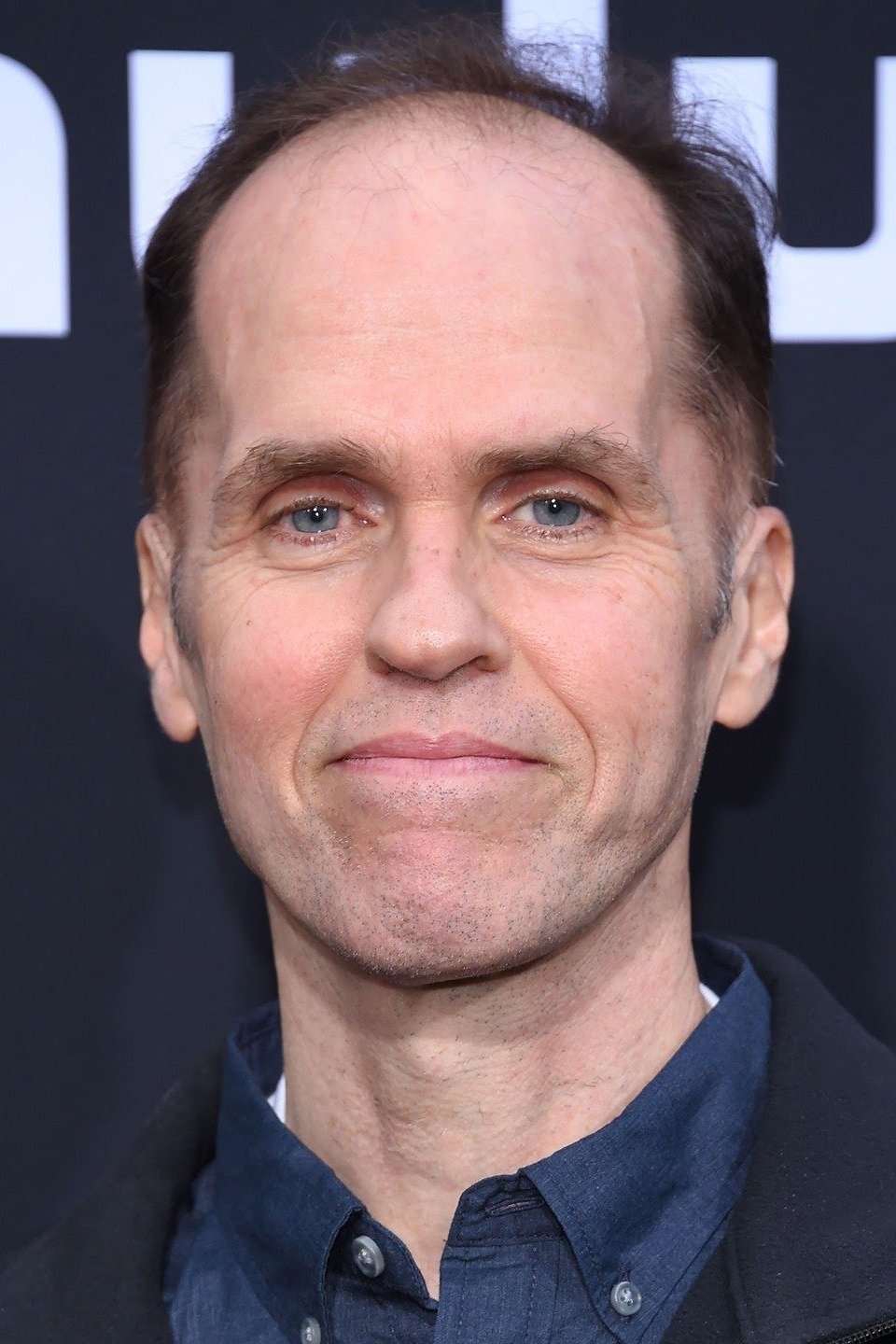
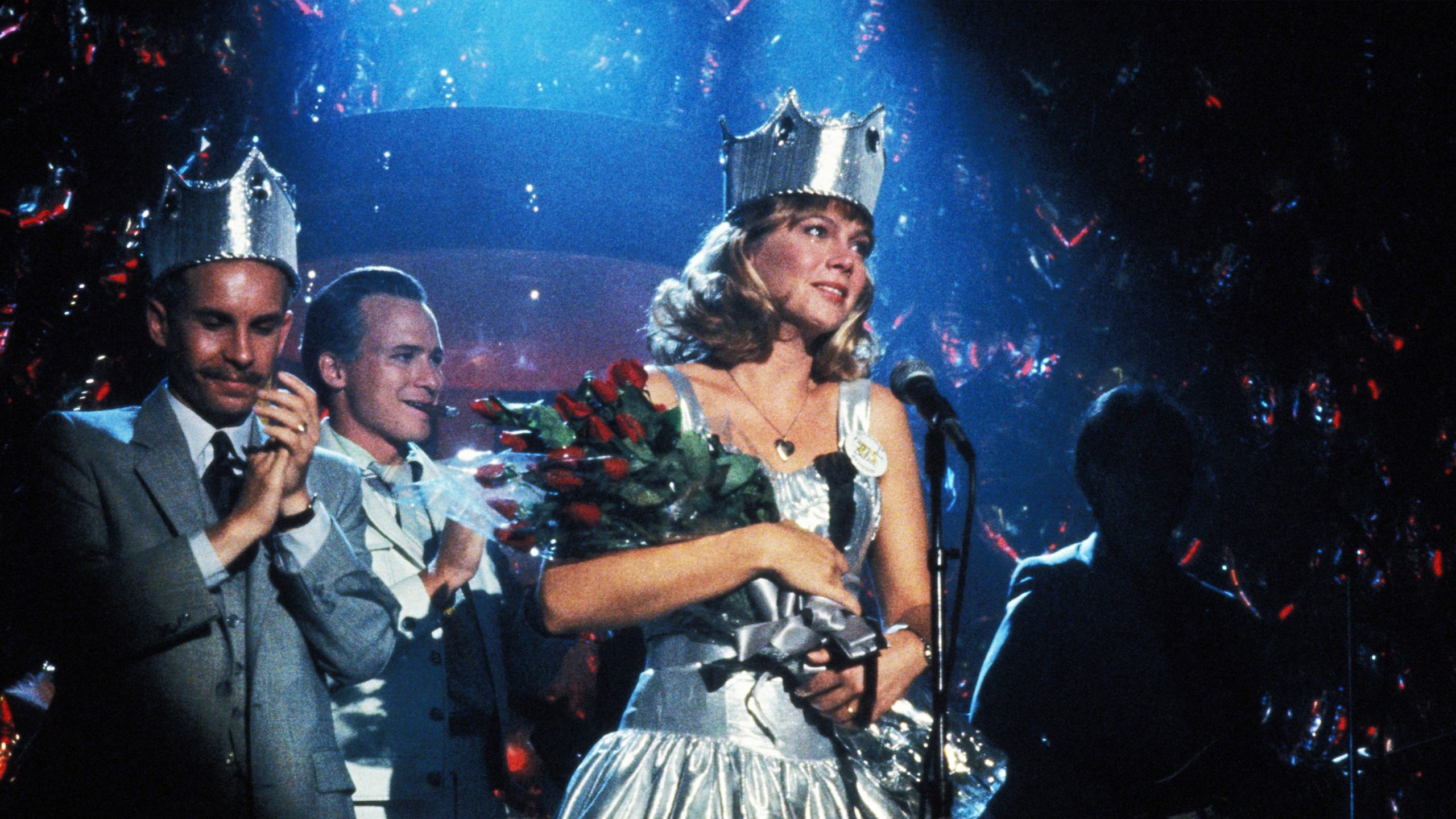
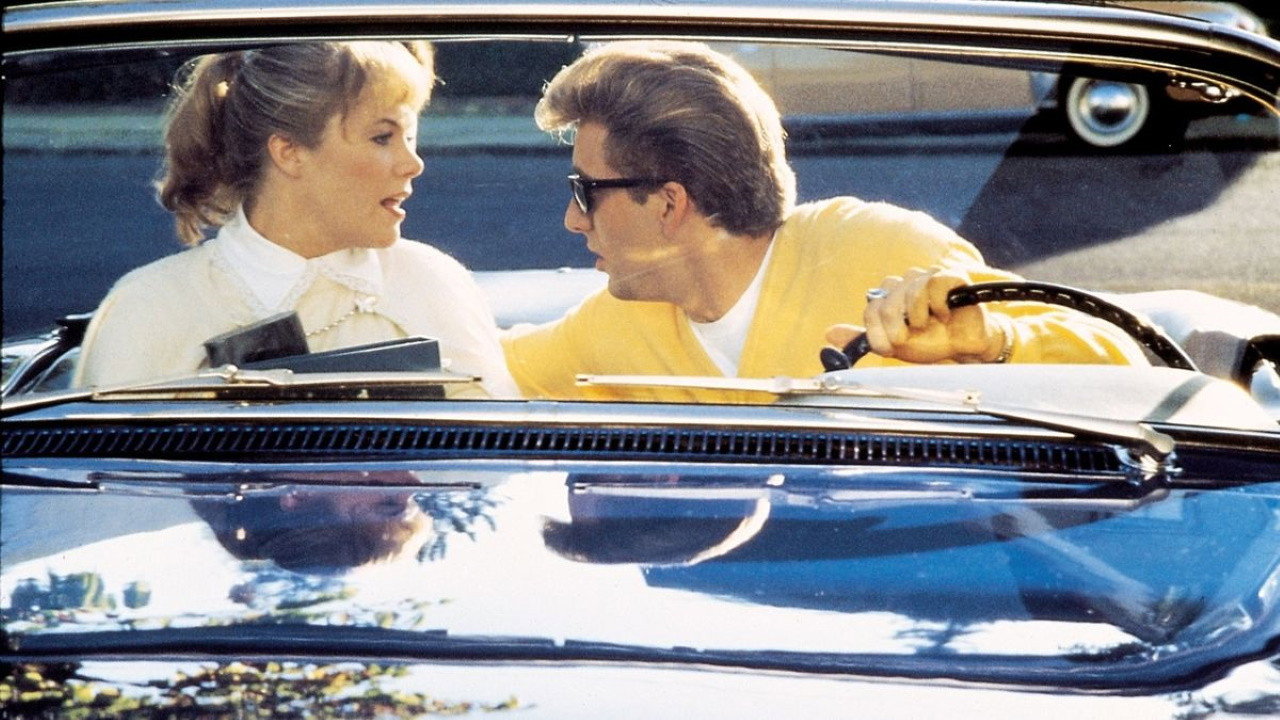
Peggy Sue (Kathleen Turner) finds herself back in her teenage body, carrying an adult’s memories and the chance to make different choices. Charlie Bodell (Nicolas Cage) is still young, and she already knows the man he will become. Richard Norvik (Barry Miller) and Maddy Nagle (Joan Allen) are among the people she encounters as she revisits her youth. Peggy Sue can reconsider what she wants from love and her future, but returning also means seeing her family again. Her knowledge of what lies ahead complicates the possibility of simply beginning again.

Fi1m review

Kathleen Turner makes Francis Ford Coppola’s second-chance fantasy funny and unexpectedly moving. The storytelling is loose, and Nicolas Cage sometimes strains the comedy, but its affection for people making imperfect choices is worth an evening.

Peggy Sue Got Married is a funny, affecting fantasy whose untidy storytelling is worth forgiving for Kathleen Turner. Francis Ford Coppola gives an adult woman another go at adolescence, with her memories intact and her earlier decisions available for reconsideration. There is plenty of comedy in the gap between what she knows and what the people around her expect. The film becomes more interesting when it considers how difficult that knowledge might be to live with.

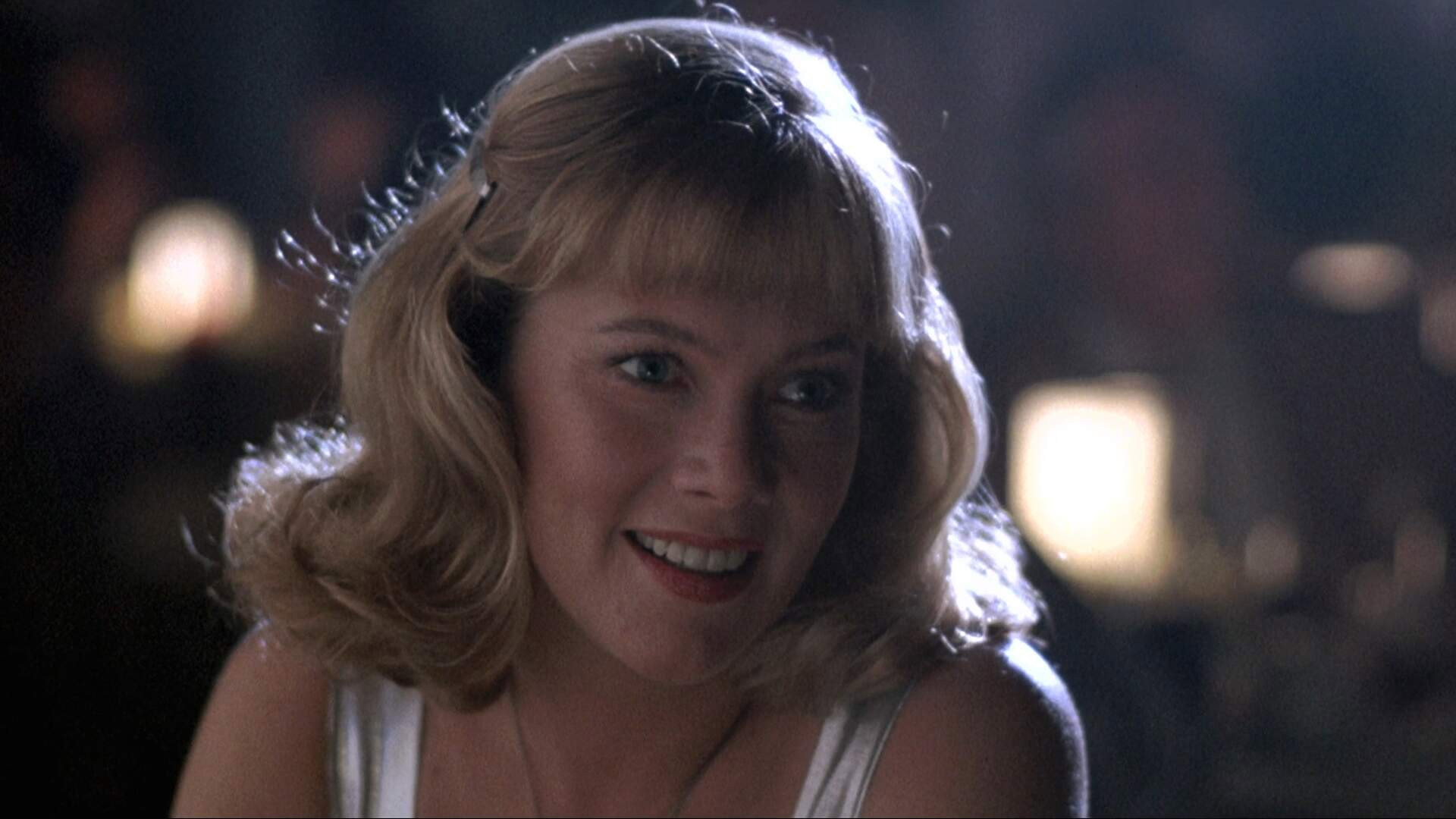
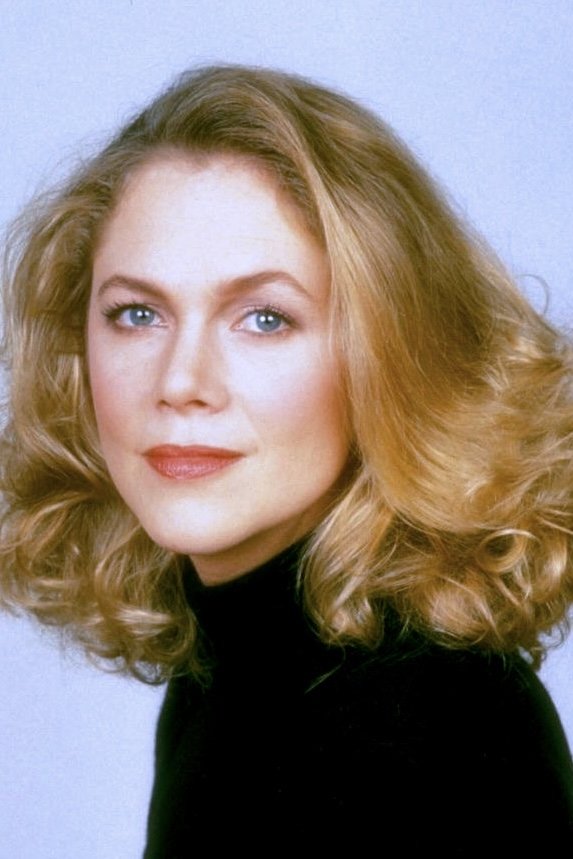
The adult mind and the teenage body seem to disagree, without Peggy Sue becoming a collection of comic mannerisms. Her impatience is funny because she has been through all this before; her uncertainty matters because experience has not supplied every answer. We laughed at that impatience, then felt sorry for her. Kathleen Turner makes the business of being young again look tiring, and she never assumes that recognising an old mistake means being able to avoid it.

Jerry Leichtling and Arlene Sarner give Peggy Sue room to be curious and occasionally difficult, which helps keep the writing from becoming too sugary. She is allowed to want something different without being scolded for it. The return to family moved us more than we expected: the chance to see familiar people again matters so much to Peggy Sue. The director is patient with that response, letting the pleasure of recognition last rather than rushing to the next joke.

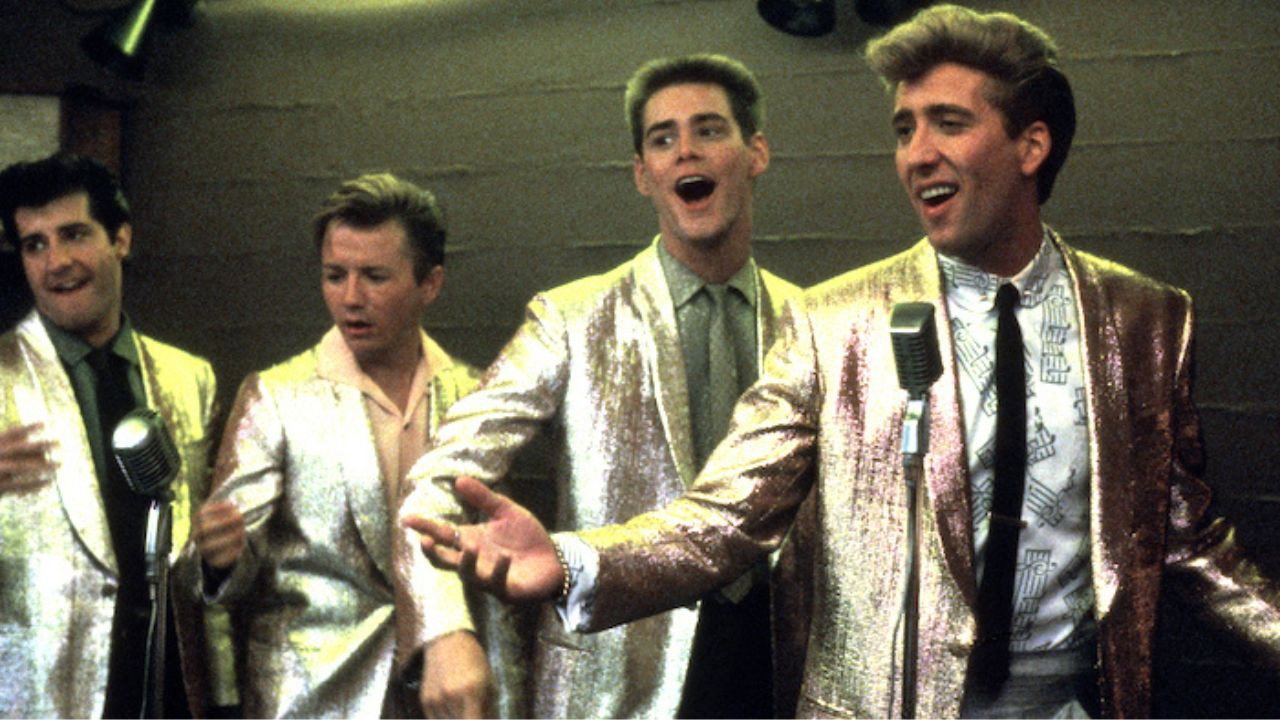
Nicolas Cage is a less comfortable fit as Charlie Bodell. The character needs to seem worth another look, even when Peggy Sue has reason to question her earlier judgement, and the emphatic comic performance sometimes gets in the way. It has nerve and some welcome oddness, but it can pull attention away from her. Barry Miller as Richard Norvik and Joan Allen as Maddy Nagle are more comfortable company; their quieter performances give the lead room to make her complicated responses matter.

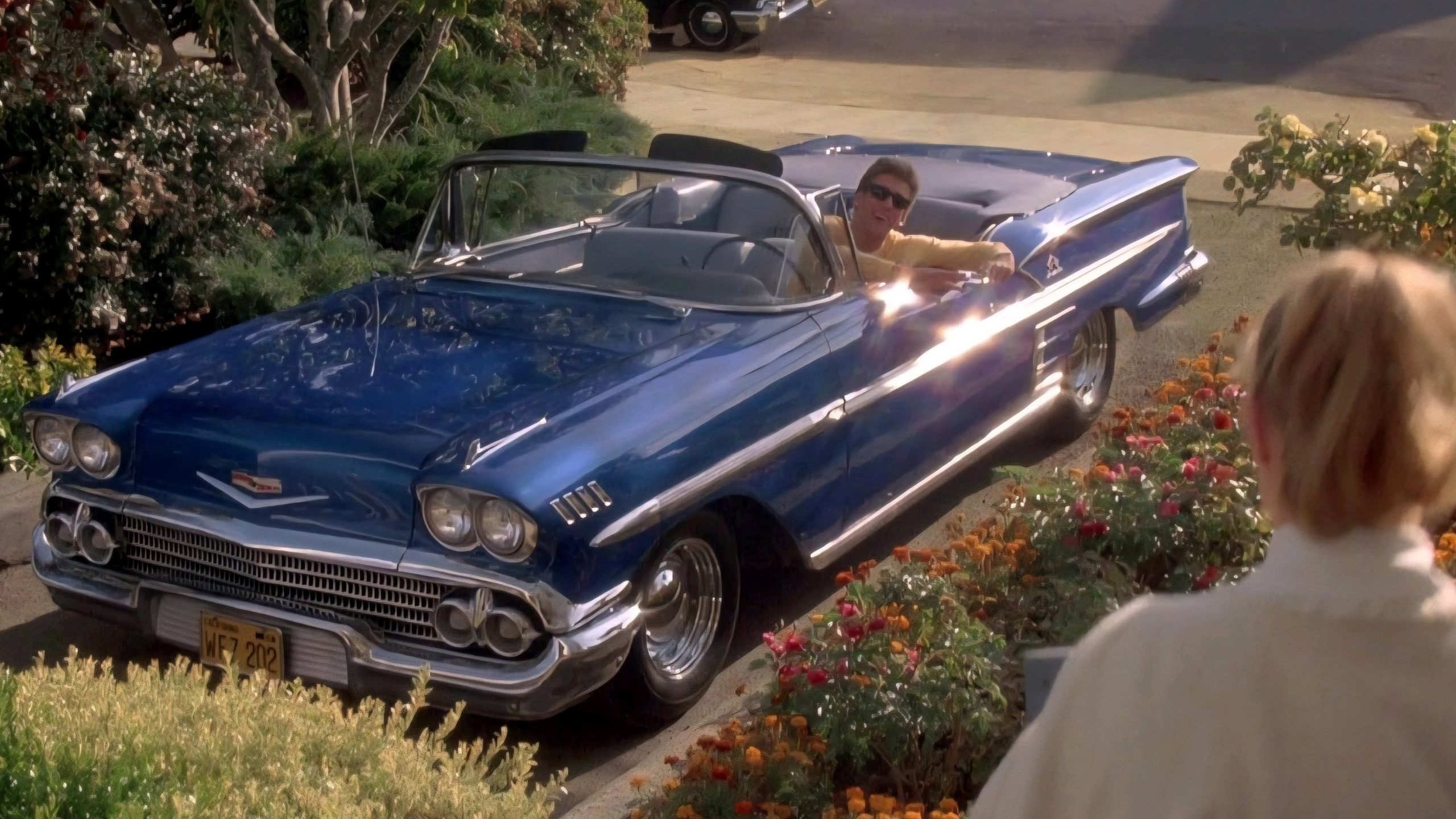
Jordan Cronenweth’s cinematography is most useful when it lets us study Kathleen Turner’s face. Her shifts between amusement and dismay tell us more than the nostalgic surroundings supplied by production designer Dean Tavoularis. Those surroundings make the earlier life inviting, which helps explain why Peggy Sue might hesitate before deciding to change it. Yet the film’s fondness for the past sometimes makes her choices feel easier than its premise suggests they ought to be.

Barry Malkin’s editing gives the actors room, but some scenes outlast their jokes. At 103 minutes, this is no ordeal; a firmer pace would simply make the comedy sharper. John Barry’s music helps the affection for these people come through, although the film hardly needs another nudge towards sentiment. The performances are already doing enough to make us care, and the warmer passages can become a little too comfortable.

As a time-travel comedy, it is unusually willing to let the pleasure of meeting people again interrupt the business of changing things. That gives the film much of its appeal, even when the director leaves the story slack. Kathleen Turner’s adult intelligence and teenage unease are enough to carry us through those hesitations. Watch it for her, and allow for a film that occasionally takes longer to get to the point than she does.
Critical consensus AI synthesised

75
Positive
7
Mixed
1
Negative
0

Most critics find Peggy Sue Got Married a warm, bittersweet comedy whose pleasures go beyond its nostalgic premise. Praise centres on Kathleen Turner’s ability to suggest both teenage awkwardness and adult experience, giving the second-chance fantasy emotional weight. The reviews also value the humour and regret that come from revisiting youthful decisions. Several single out the supporting performances, while the more enthusiastic responses find unexpected depth in the film’s treatment of love, family and the past.

Reservations cluster around looseness and coherence, with some reviews finding the handling of the premise sloppy. Comparisons with Back to the Future draw attention to its less slick approach, though this rarely prevents a favourable verdict. The New York Times is the clearest dissenter, enjoying Turner’s comedy but finding the film less coherent and personal than expected from Coppola. The spread runs from qualified approval to considerable affection, with no outright rejection.

Los Angeles Times
8 October 1986 · Sheila Benson
90*

The critic finds the film delivers unexpected emotional depth and pleasure beyond its nostalgic premise, turning it into a rueful love story and appreciation of the past. Strong performances, especially by Kathleen Turner, Barry Miller, and Joan Allen, are singled out.

Read the full review →
RogerEbert.com
8 October 1986 · Roger Ebert
90*

The critic praises the film as one of the best of the year, highlighting its emotional depth and human comedy as a woman returns to her teenage body with an adult mind. Kathleen Turner’s performance stands out for its physical and emotional nuance.

Read the full review →
Radio Times
· David Parkinson
70*

The review calls it a bittersweet time-travelling comedy that was often compared unfavourably to Back to the Future. It singles out Kathleen Turner's nuanced recreation of teenage traits and Nicolas Cage's amazing performance as the boy who grows into a slob, deeming the result thoughtful and rewarding.

Read the full review →
Time Out
· CPea
70*

The critic describes the film as more relaxed and sloppy than Coppola's usual work, exploring the fantasy of a second chance at youth. It praises Kathleen Turner's Oscar-caliber performance while noting the inevitable comparison to the slicker Back to the Future.

Read the full review →
Variety
31 December 1985 · Variety Staff
70*

The review commends the screenplay’s mix of sap and sass, with the unique angle of an adult mind in a teenage body providing fresh humor and insight into past decisions. It highlights the central relationship and the film’s appeal as a time-travel comedy.

Read the full review →
The New York Times
5 October 1986 · festival review · Vincent Canby
50*

The review describes the film as an amiable, somewhat sloppy comedy-fantasy about time travel and middle-aged reflection on youthful choices. It notes the strong premise and Kathleen Turner’s comic turn but finds it less coherent or personal than expected from its director.

Read the full review →

Cast

Stills

Awards

Academy Awards, 1987

Nominated
Best Actress
Nominated
Best Cinematography
Nominated
Best Costume Design

If you liked this, try…

Only Yesterday poster

Only Yesterday

1991 · Childhood memories help an adult woman reconsider the life she has settled into.

Petite maman poster

Petite maman

2021 · A brief, tender fantasy about childhood, family and the things parents cannot explain.

Alice Doesn't Live Here Anymore poster

Alice Doesn't Live Here Anymore

1974 · A woman considers what she wants next, with humour and room for mistakes.

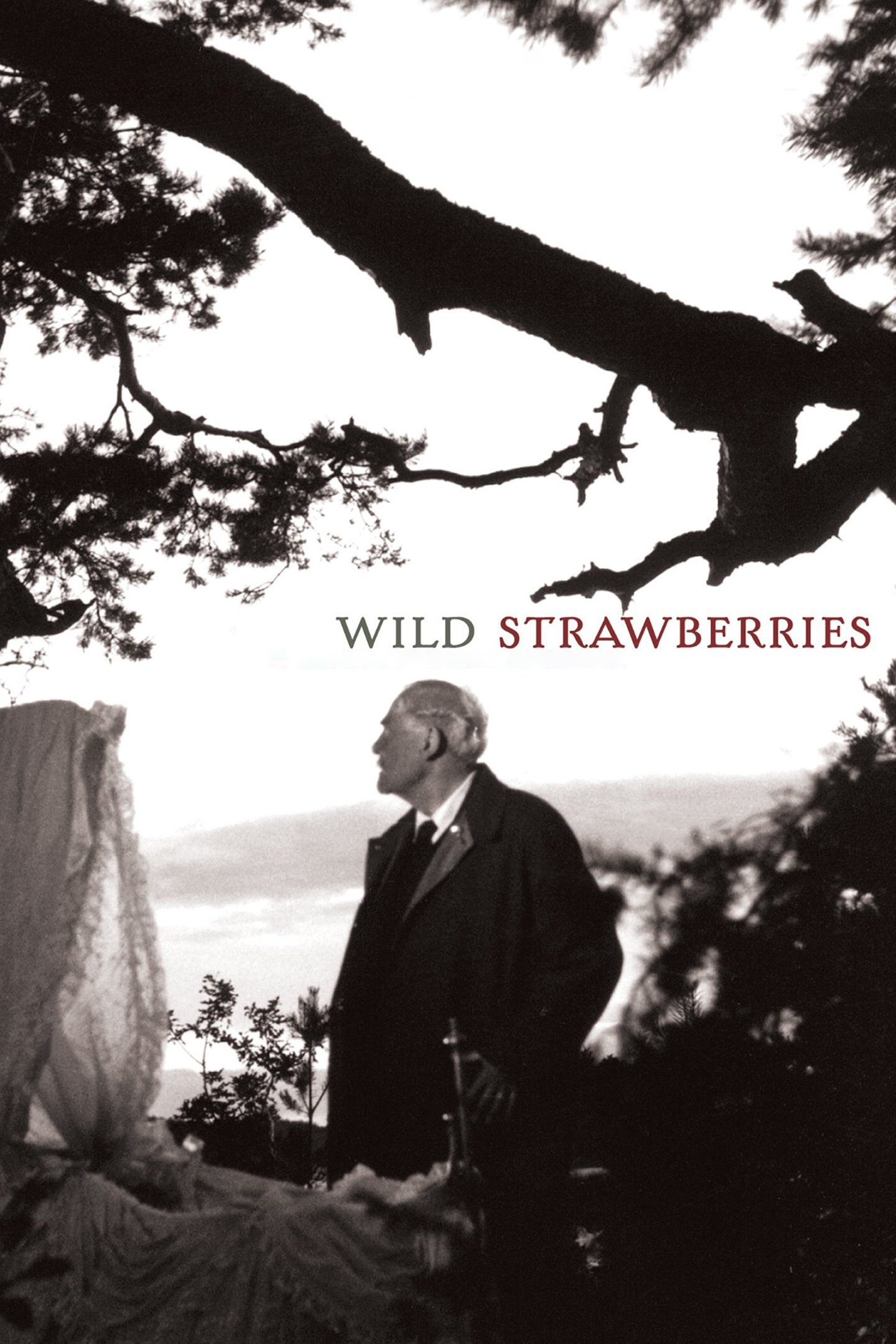
Wild Strawberries poster

Wild Strawberries

1957 · An older man’s return to his past is sharper and less forgiving.

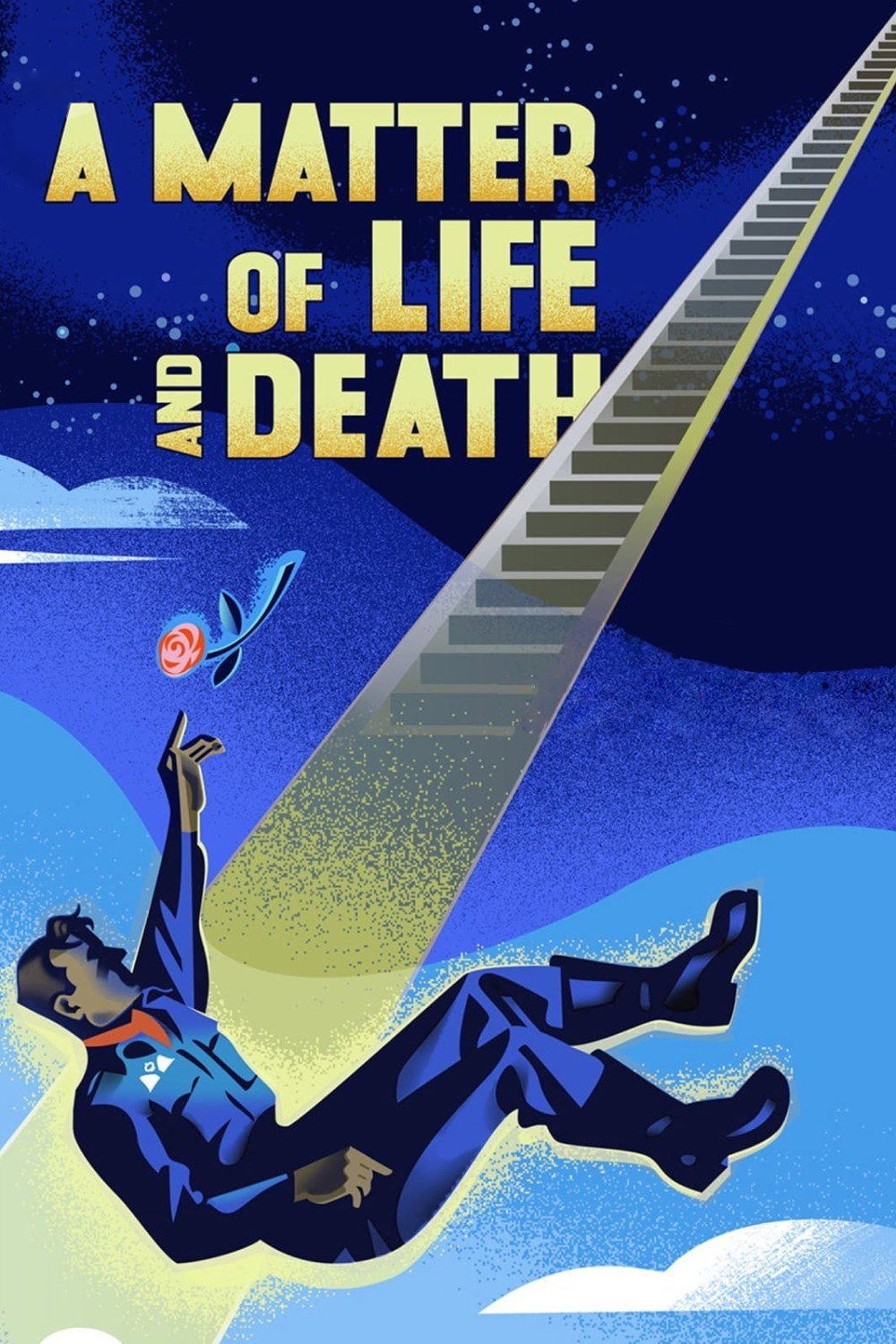
A Matter of Life and Death poster92

A Matter of Life and Death

1946 · An affectionate fantasy that lets love and ordinary human feeling outweigh its impossible premise.