Shane Carruth’s time-travel thriller makes technical talk gripping and its engineers convincing. Its tangled storytelling can be frustrating, but we recommend it to anyone who enjoys a film that needs working out.
Shane Carruth’s Primer is a good science-fiction thriller with a substantial condition attached: following it takes work, and work does not always bring clarity. Its engineers invent a time machine, then have to consider what such an invention permits them to do. Carruth writes and directs with unusual confidence in our willingness to listen to technical conversation. He is interested in the trouble clever people can cause, including the trouble they can cause while sounding entirely reasonable.
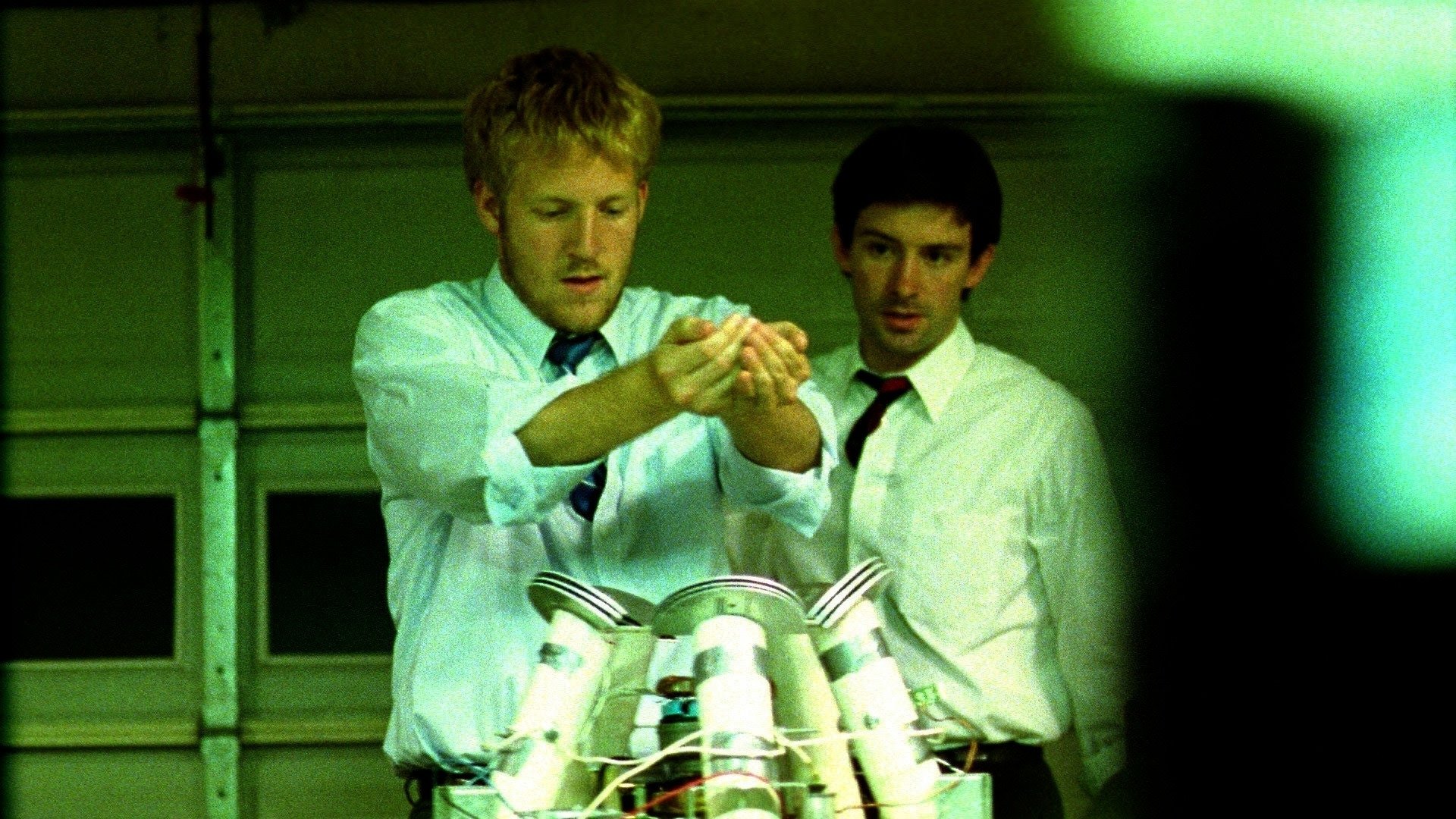
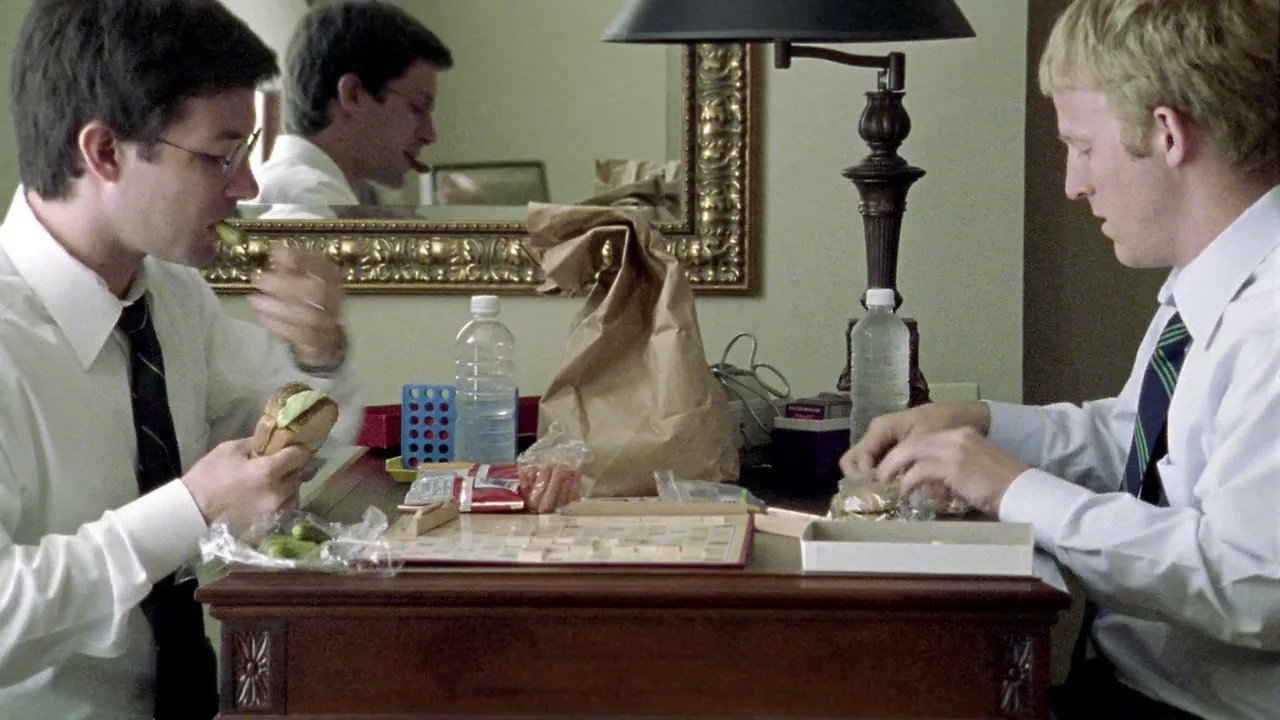
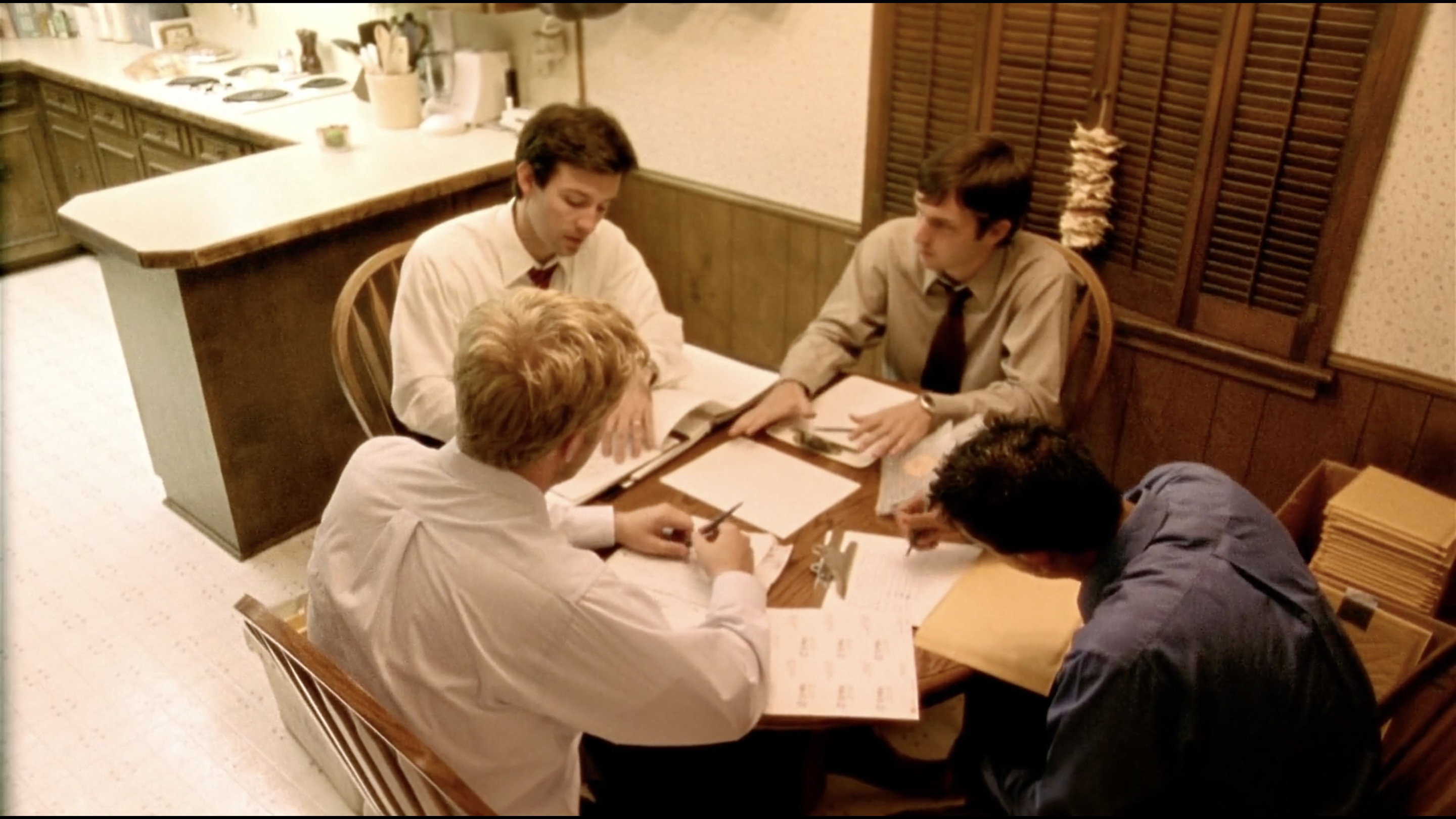
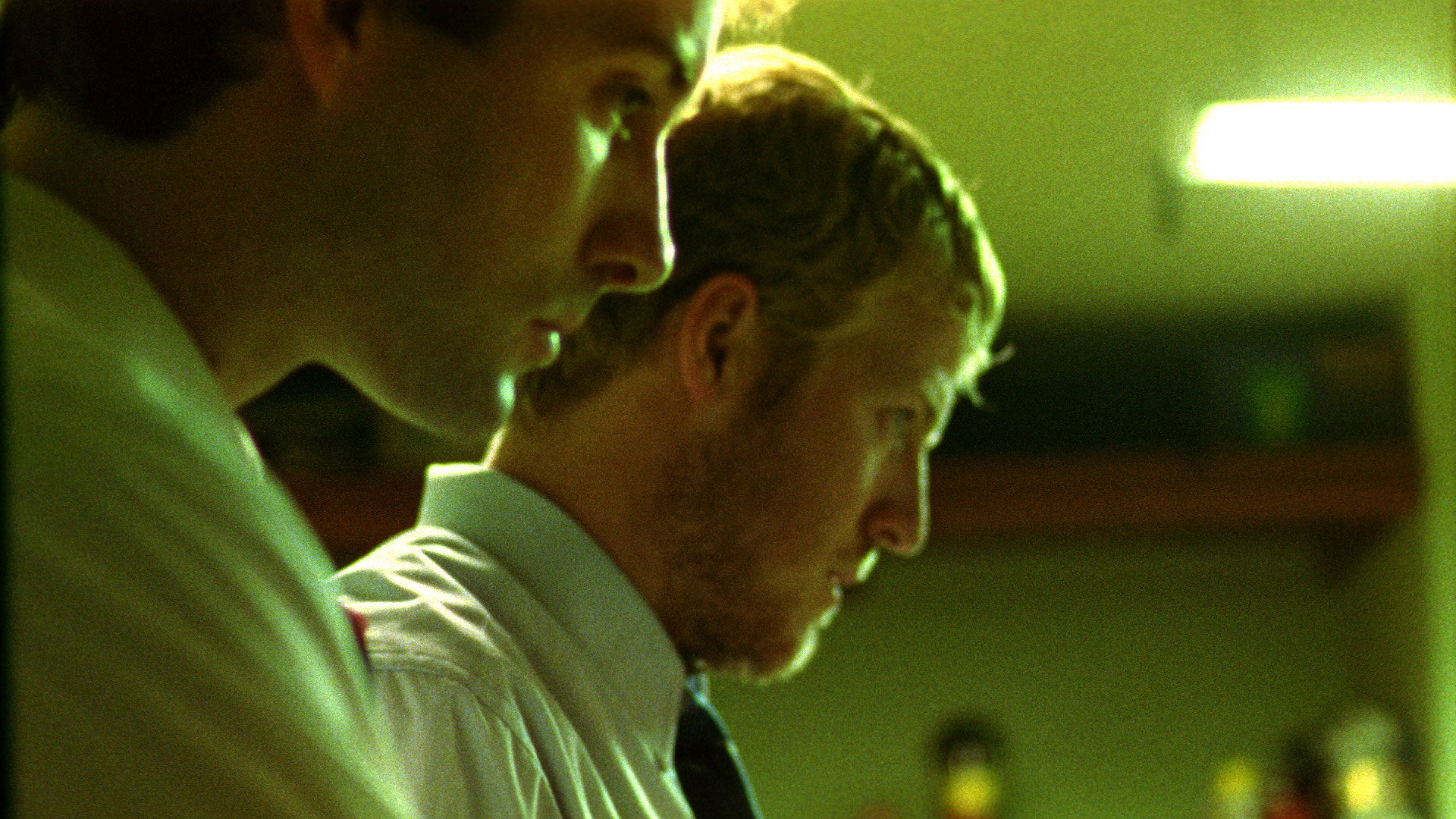
Carruth plays Aaron, with David Sullivan as Abe, and both make the scientific language sound like something they use every day. The dialogue offers few explanations for anyone outside their profession; the actors resist the temptation to announce which words matter. We felt uneasy listening to them, because their calm competence makes the possibility of time travel seem horribly practical. There is no need to play the discovery with grand astonishment when the men discussing it are this convincing.
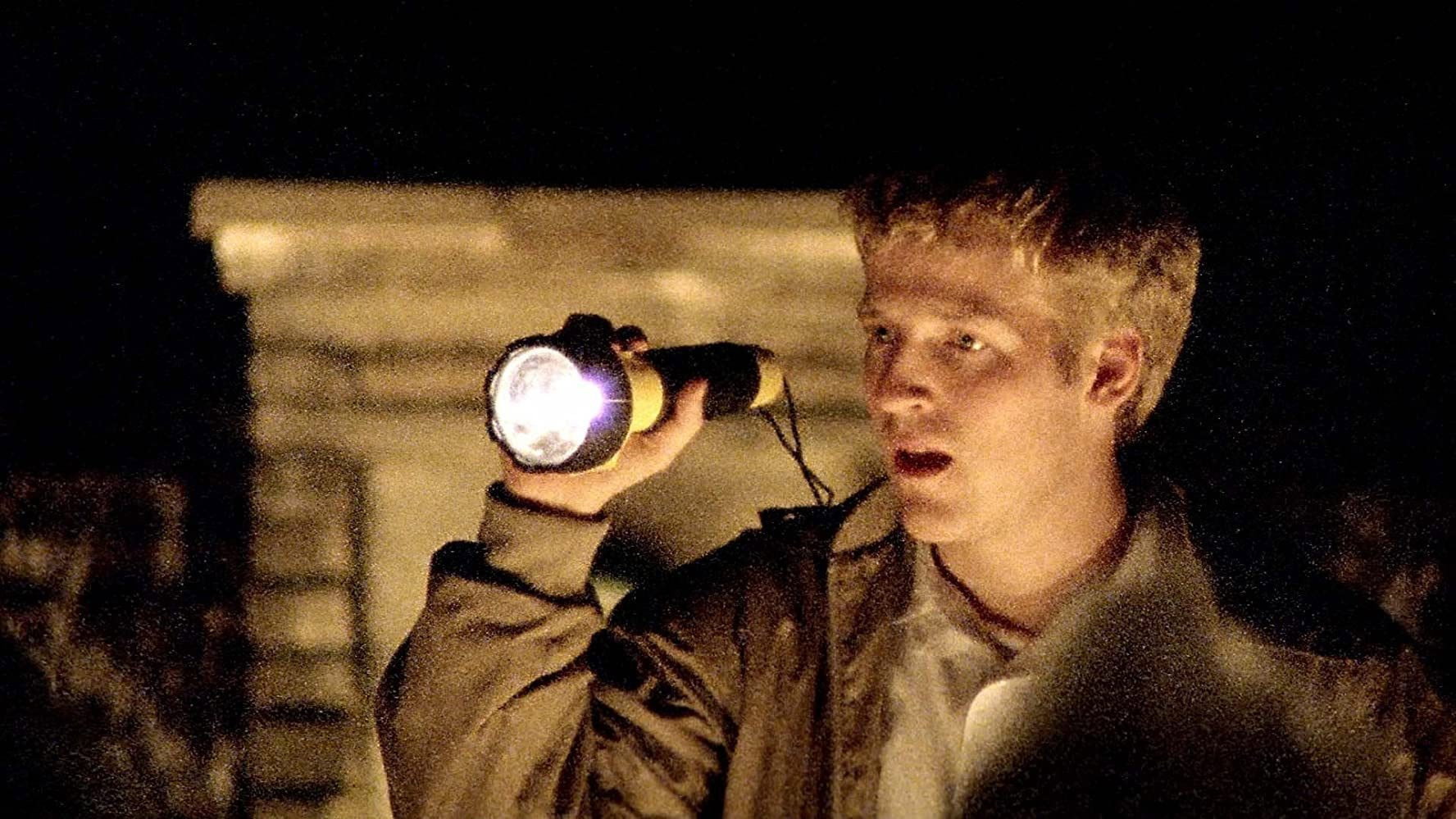
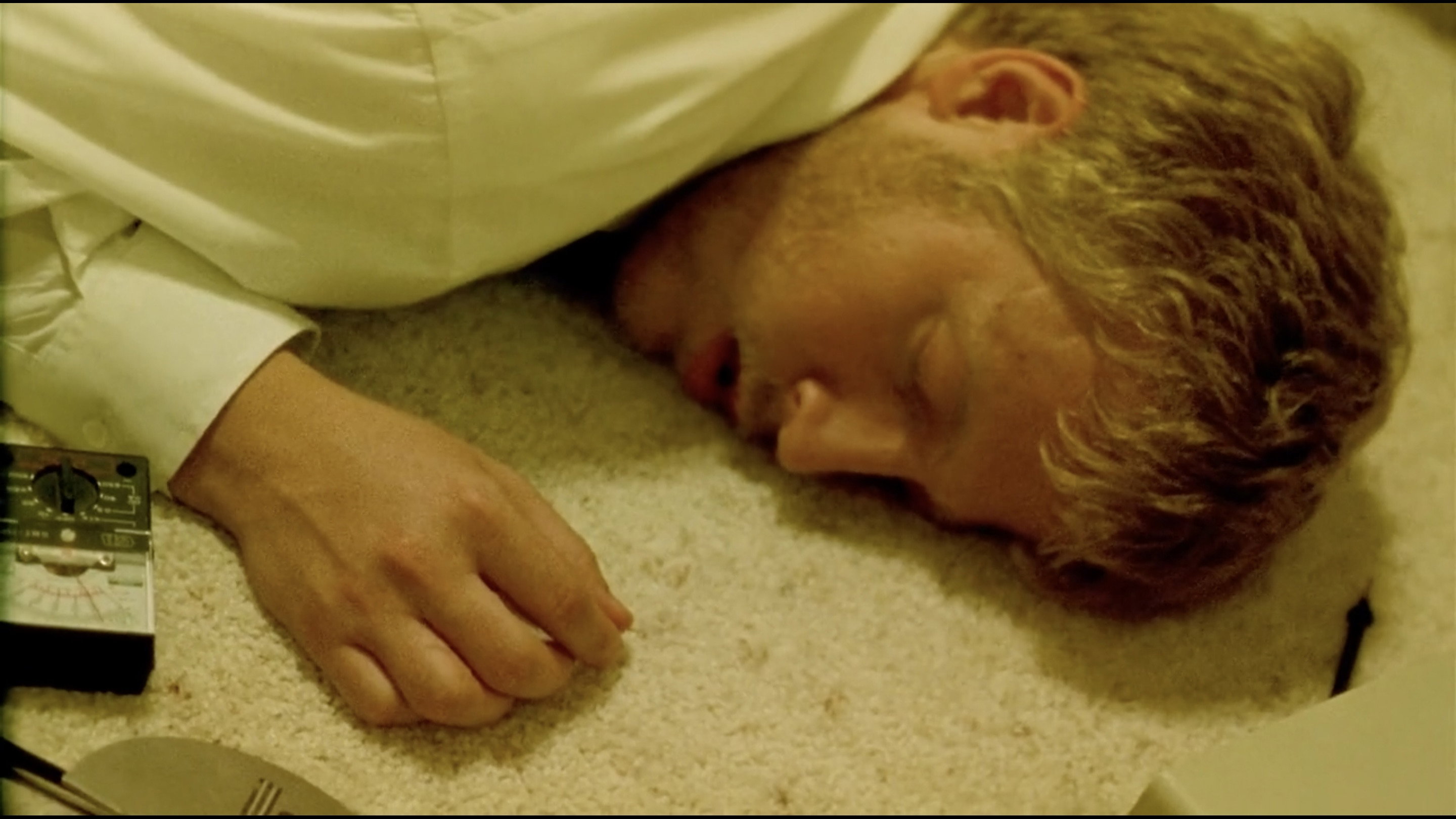
Troy Dick’s cinematography is rough-looking and unceremonious, which suits the engineers’ matter-of-fact discussions. Carruth’s production design works in the same spirit, making the invention feel like an engineering problem that somebody has managed to solve. The plain presentation keeps our attention on the people trying to understand the machine, and encourages us to take their work seriously. Some of that roughness can be wearing, but polishing it away would make these engineers less plausible.
Carruth also edits and composes the music, and the cutting supplies most of the anxiety. The scrambled storytelling makes us keep checking how one conversation relates to another, with little time to settle on an answer. His score supports the tension without being especially memorable; the difficult conversations are quite enough to be listening for. At 77 minutes, this is a short film that demands sustained concentration, and its speed helps keep the uncertainty from becoming exhausting.
The weakness is that Carruth’s screenplay sometimes makes it hard to tell what we have missed and what we are not yet supposed to know. Having to reconstruct events can be pleasurable, but it can also stop us caring about the people while we try to get the order straight. We wanted a little more help at those points, not an explanation of every scientific term. The danger is specific to this kind of puzzle: a viewer can spend so much effort following the mechanism that the people operating it become a secondary concern.
For a time-travel thriller, Primer is unusually willing to make us struggle with its central problem. Carruth persuades us to listen carefully to engineers, and to worry about what their cleverness might allow them to justify. We recommend it, though we would not promise that a second viewing will settle every question. Choose it when untangling a difficult story sounds like a decent way to spend the evening.