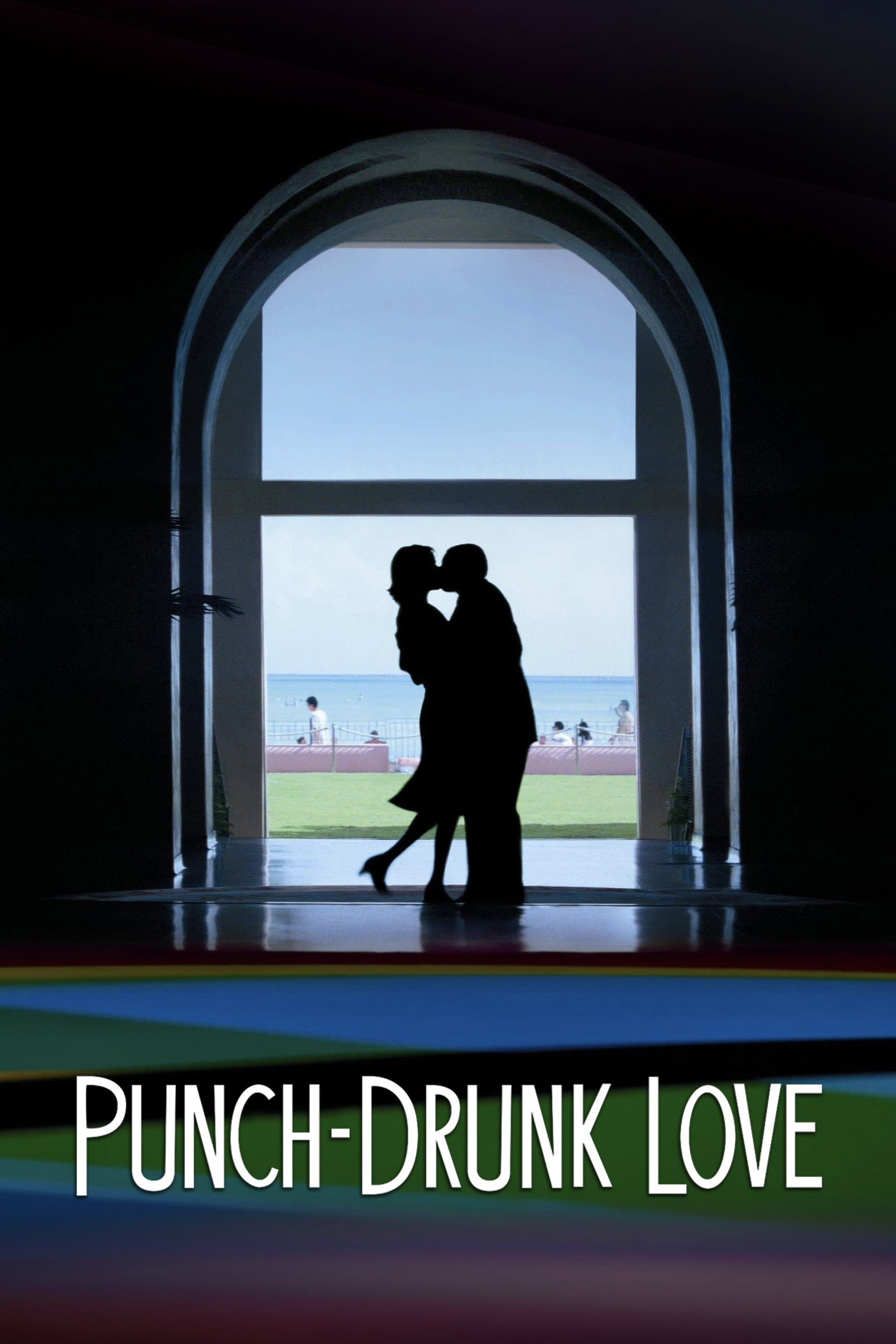
Most critics respond warmly to Punch-Drunk Love, with praise centred on Adam Sandler’s vulnerable, volatile performance and Anderson’s unusual approach to romantic comedy. The favourable reviews find tenderness in the uneasy humour and sudden anger, often singling out the chemistry between Sandler and Emily Watson. Anderson’s handling of tone also earns substantial admiration, while the saturated colour, distinctive photography and percussive soundtrack help make the romance feel unpredictable.
The spread is wide, however, with a minority finding the same approach strained rather than touching. The Guardian questions the romance’s emotional credibility and finds little depth beneath the distinctive style; The Independent objects to the disjointed rhythm and lack of fun. Even The Times, which praises Sandler, finds the film exasperating. The central disagreement is about whether the awkwardness and noise make the love story convincing or prevent it from becoming so.
R
RogerEbert.com
18 October 2002 · ★★★★/4 · Roger Ebert
100
Ebert praises the film as revealing unexpected depths in Adam Sandler, portraying his character Barry as a damaged, angry outsider whose violent outbursts stem from domineering sisters. He highlights Anderson's direction in creating an unpredictable, liberating portrait that sympathizes with the protagonist's extremity.
Read the full review →T
Time Out
10 January 2012 · ★★★★★ · Tom Huddleston
100
Calls it the oddest romcom ever made, with an impossible-to-pin-down tone that somehow works perfectly. Singles out the eye-ravishing LA photography and the perfect love affair between Sandler and Emily Watson for praise.
Read the full review →N
The New York Times
5 October 2002 · festival review · A. O. Scott
90*
Scott describes the film as a centerpiece of the New York Film Festival about the eruption of grace and love into a chaotic life, with Sandler infusing his persona with vulnerable humanity. He singles out Anderson's mastery of emotional machinery and ability to recapture the giddiness of old movies without nostalgia.
Read the full review →Praises Anderson's genius in crafting an anti-Sandler film with an astonishing performance from Sandler, calling it a quirky, cute, weird and diverting offbeat romantic comedy.
Read the full review →L
Los Angeles Times
11 October 2002 · Kenneth Turan
85*
Turan calls it a daring high-wire romantic comedy that stretches the genre to its limits, charming and outlandish with real emotion mined on the extreme edges. He singles out Anderson's singular vision, the percussive soundtrack, color-saturated cinematography, and Sandler's convincing mix of innocence and hostility.
Read the full review →R
Radio Times
★★★★ · Stephen Hughes
80
Describes it as either a truly original gem or a complete folly depending on taste, but finds the curious Sandler-Anderson pairing works well. Singles out Sandler's surprising, touching twist on his persona and the surreal romance for praise.
Read the full review →A
The AV Club
18 October 2002 · Keith Phipps
80*
Phipps calls the film a fascinating and redemptive take on Sandler's persona, with Anderson capturing the madness of new love through uneasy humor and technical skill. The cast, especially Sandler, brings heart to this peculiar comedy.
Read the full review →T
Total Film
7 February 2003
80*
The critic praises the film's fierce originality as a quirky, disturbing yet touching romantic comedy that showcases a surprising, nuanced performance from Adam Sandler.
Read the full review →I
IndieWire
22 May 2002 · festival review
75*
The review praises Anderson for blending high and low culture in this quirky romantic comedy starring Adam Sandler. It highlights the film's inventive mix of tones and performances as a standout at Cannes.
Read the full review →G
The Guardian
7 February 2003 · Peter Bradshaw
40*
Anderson has created a strange, insubstantial little film about romantic love that works on some deadpan levels but fails to deliver a convincing emotional resolution. The pairing of Sandler and Watson feels bizarre and the story remains depthless despite its distinctive style.
Read the full review →I
The Independent
7 February 2003
40*
The review finds the film unstable as a romantic comedy, with a disjointed rhythm and no fun, describing it as cacophony rather than a symphony, though acknowledging Anderson's surprises.
Read the full review →T
The Times
9 February 2003 · ★★ · Cosmo Landesman
40
Punch-Drunk Love is an offbeat romance with a stunning performance from Sandler as an alienated man prone to sudden rages. It offers some understated comedy and charm but remains arty and exasperating overall.
Read the full review →S
Slant Magazine
2 October 2002 · Ed Gonzalez
35*
Gonzalez finds the film loud and graceless, a messy work-in-progress despite some memorable comedic moments and strong visuals. He criticizes it as resembling punch-drunk love itself in its uneven execution.
Read the full review →S
Sight and Sound
· David Thomson
Praises Anderson's talent and sees the film as a minor but interesting excursion that resets Sandler in a quirkier context. Singles out the misfit protagonist Barry and the director's distinctive visual style for appreciation.
Read the full review →C
Collider
11 October 2022 · A · Collier Jennings
95
The critic praises the film as a tender love story elevated by a perfect cast, highlighting Adam Sandler's vulnerable and intense performance as the anxious protagonist and Philip Seymour Hoffman's scene-stealing turn as the antagonist.
Read the full review →E
Eye for Film
27 June 2007 · Jennie Kermode
85*
The critic finds it a genuine original and life-affirming story despite unpleasant elements, praising the chemistry between Sandler and Watson and its fresh approach to romance and mental illness.
Read the full review →H
HeyUGuys
1 February 2011 · Nick Turk
80*
The critic praises the film's unique and whimsical take on romance, highlighting Sandler's transformed performance and the heartfelt love story amid chaos. They single out the chemistry and emotional depth.
Read the full review →Ordered by the weight we give each publication, then by score. Scores are normalised to 100; * means inferred from an unrated review. Summaries are ours, not quotations; follow the links for the reviews themselves. How we rate