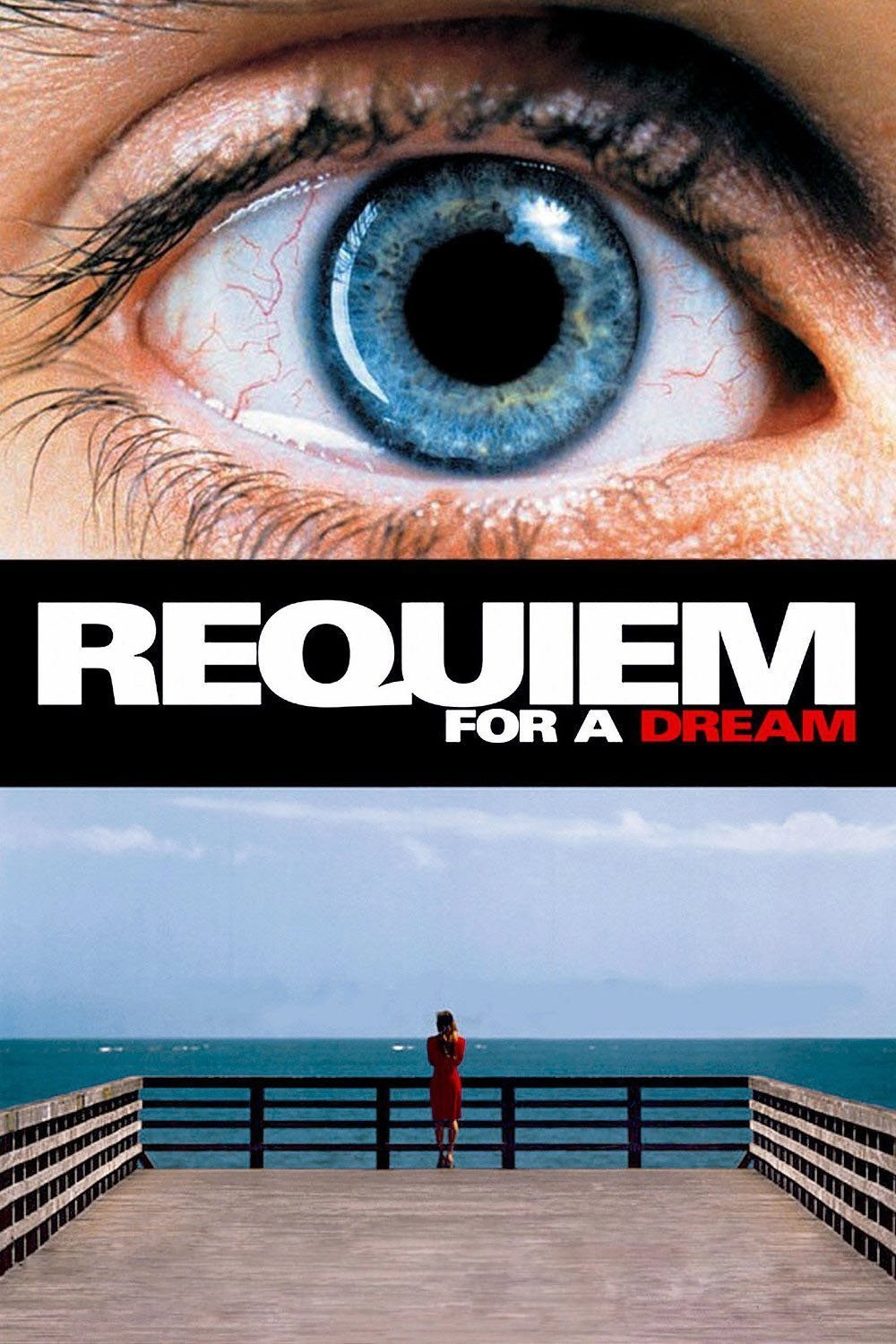
The film excels at depicting the mental states of its addicts through subjective camerawork that shows how drugs briefly open a window into feeling right before it closes. Aronofsky uses extreme close-ups, split screens, and rapid montages to convey the highs, desperation, and rock-bottom fates of the four main characters in a hellish travelogue.
Aronofsky's film is an extraordinarily intelligent and sophisticated exploration of addiction that ventures deeper into its causes and effects than almost any other movie. The director's visual techniques, refusal to moralize, and standout performances, especially Ellen Burstyn's, make it compelling and worth seeing despite its shocking content.
The critic describes Aronofsky's adaptation as an agonising and unflinchingly grim portrait of drug abuse, noting its masterful technique and formal precision in depicting the characters' descent. He praises the performances, especially Ellen Burstyn's, while observing the film's enigmatic, bleak outlook without clear redemption or moral resolution.
Aronofsky's second film is a relentlessly grim but gripping and stylistically audacious tour de force that plunges into human misery with more ambition than Pi. It excels in quiet moments, especially a lucid monologue from Ellen Burstyn revealing her character's unhappiness.
The film is a grim, predictable descent into addiction that adds little new to the genre and fails due to an excess of ideas rather than a lack. Aronofsky's technical flair from Pi is reproduced but ultimately smothers character development amid crash cuts and montages of misery.
Aronofsky’s film is as unremittingly bleak as it is brilliant, a harrowing work that demands viewers submit to its vision of self-deception and addiction’s destructive force. The director’s command of the medium and his actors keeps the audience riveted, resulting in a work of art whose beauty offers a kind of redemption.
The film is a visually experimental and thematically uncompromising adaptation of Hubert Selby's novel, matching the intensity of Aronofsky's debut Pi. Its relentless sensory assault and visceral images effectively capture the highs and rituals of addiction while highlighting parallels between different forms of dependency.
Aronofsky applies formidable talent and technique to off-putting material about addiction, confirming his promise with an imaginative approach to sight and sound but one that won’t prove appealing to many viewers. The elaborate visual strategies and montages are technically striking and powerful at the end but present nothing many people will want to look at.
Ordered by the weight we give each publication, then by score. Scores are normalised to 100; * means inferred from an unrated review. Summaries are ours, not quotations; follow the links for the reviews themselves. How we rate