Darren Aronofsky makes addiction frighteningly immediate, and Ellen Burstyn gives the film its most painful moments. The relentless cutting can crowd out the people, but the performances make this punishing drama worth facing.
Requiem for a Dream is a powerful addiction drama that sometimes pushes harder than it needs to. Darren Aronofsky wants us to feel the brief relief that makes another dose seem reasonable, then the desperation when that relief disappears. He keeps us close to the perceptions of four people, denying us the comfortable distance from which to judge their choices. We recommend it, with a warning: its aggression can make the characters harder to hear.
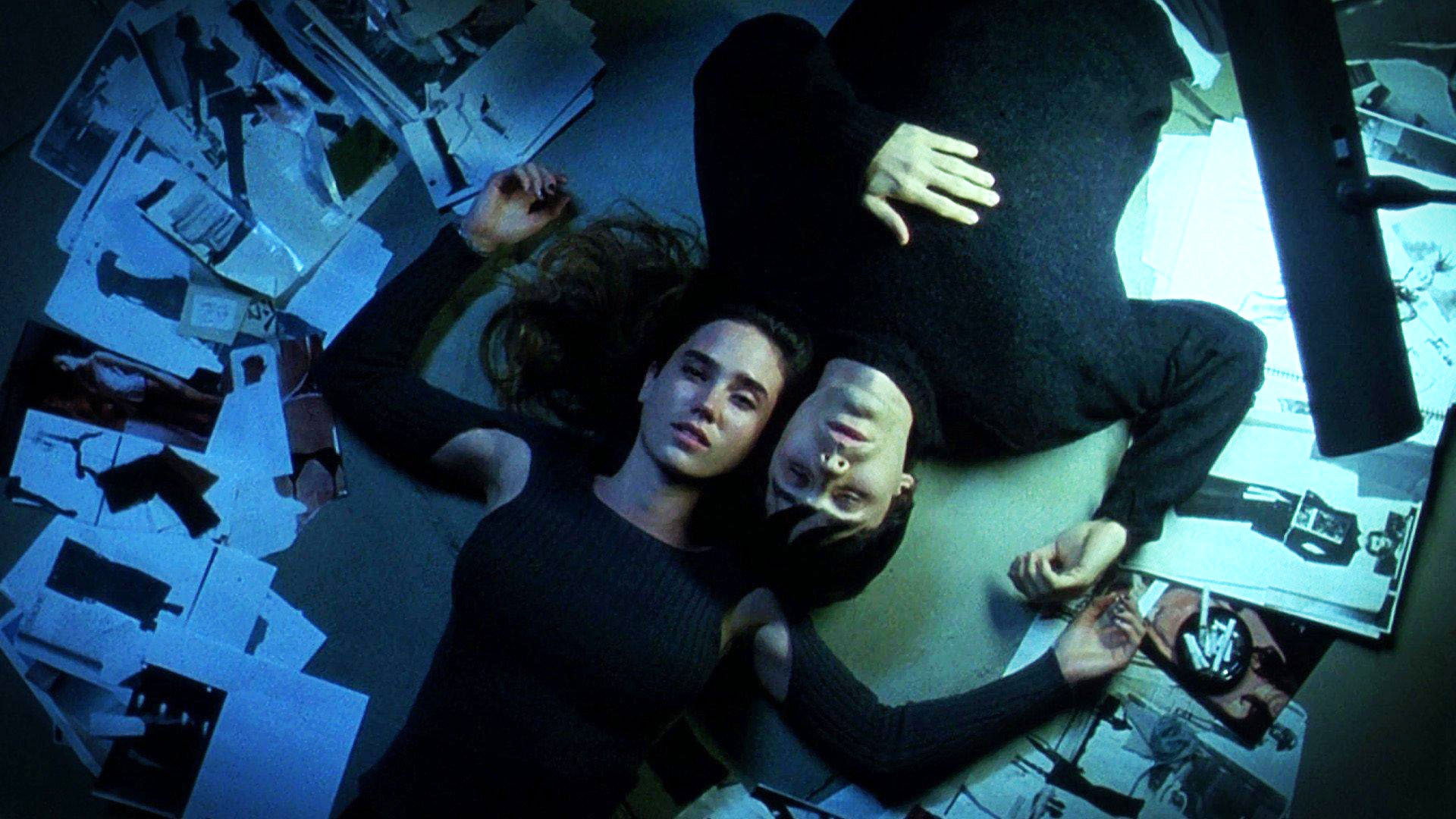
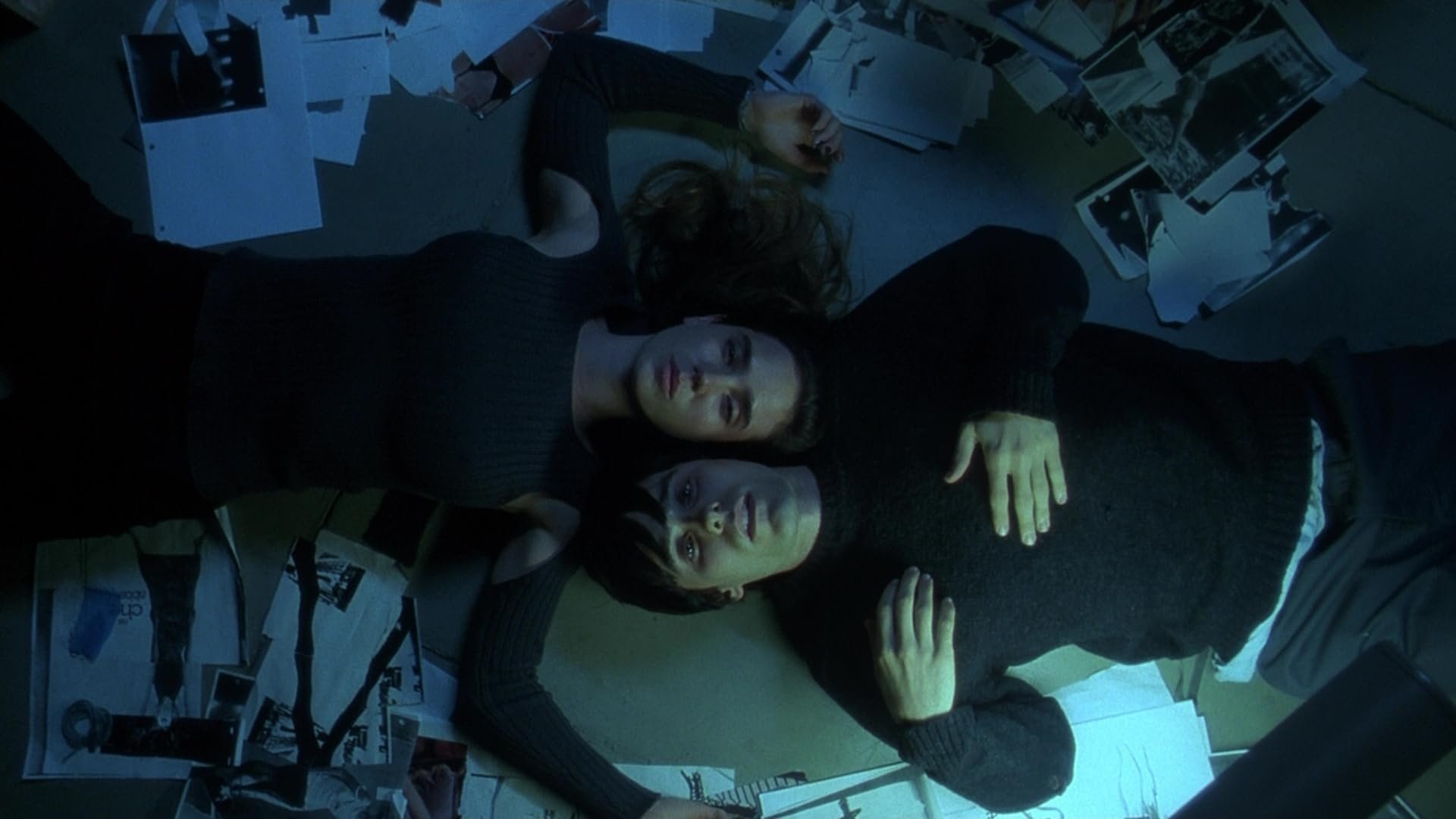
Cinematographer Matthew Libatique uses extreme close-ups and split screens to bring that restless attention into the pictures. An isolated detail can momentarily seem to fill the whole world, while a divided image makes it difficult to settle on any one thing. Editor Jay Rabinowitz turns the repeated rituals into rapid montages, making their familiarity feel reassuring before their speed becomes oppressive. These techniques have a clear purpose: we understand how something can briefly feel right even as the need to repeat it becomes frightening.
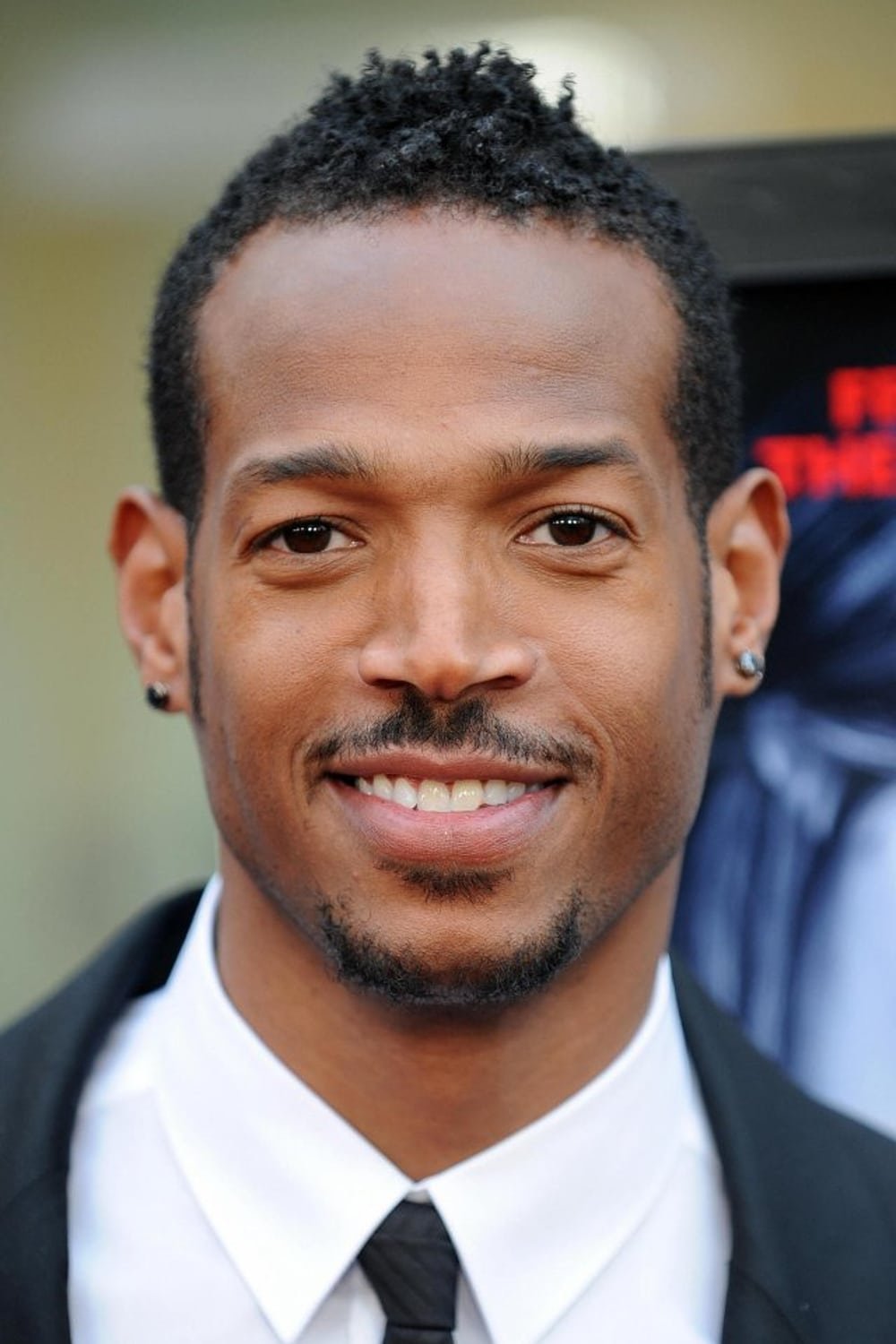
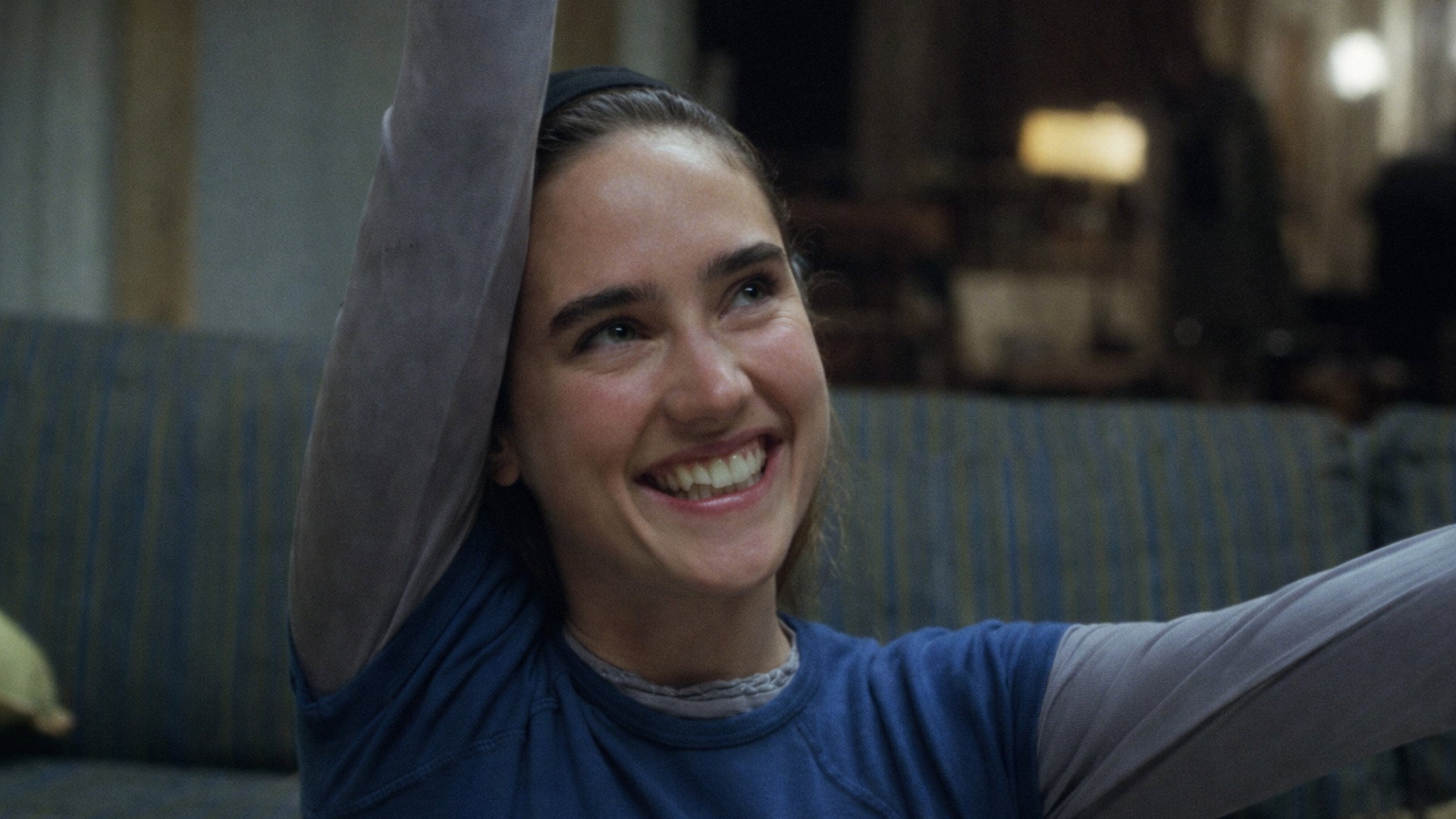
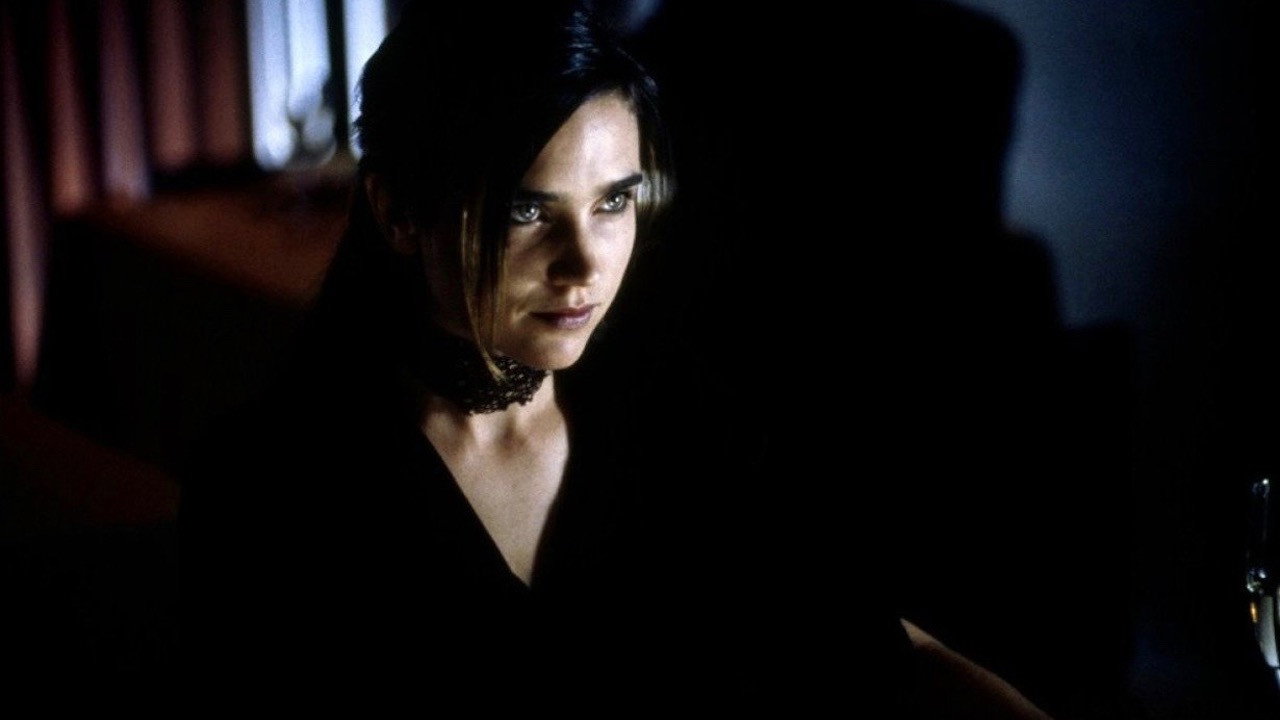
Jared Leto as Harry Goldfarb, Jennifer Connelly as Marion Silver and Marlon Wayans as Tyrone C. Love keep the need for relief recognisably human. We need to believe these people have wants beyond the next high, and the performances keep making that possible. Connelly and Wayans deserve more uninterrupted attention than the film is prepared to offer them. When the cutting repeatedly takes over, we lose some of the distinctions the actors have worked to establish.
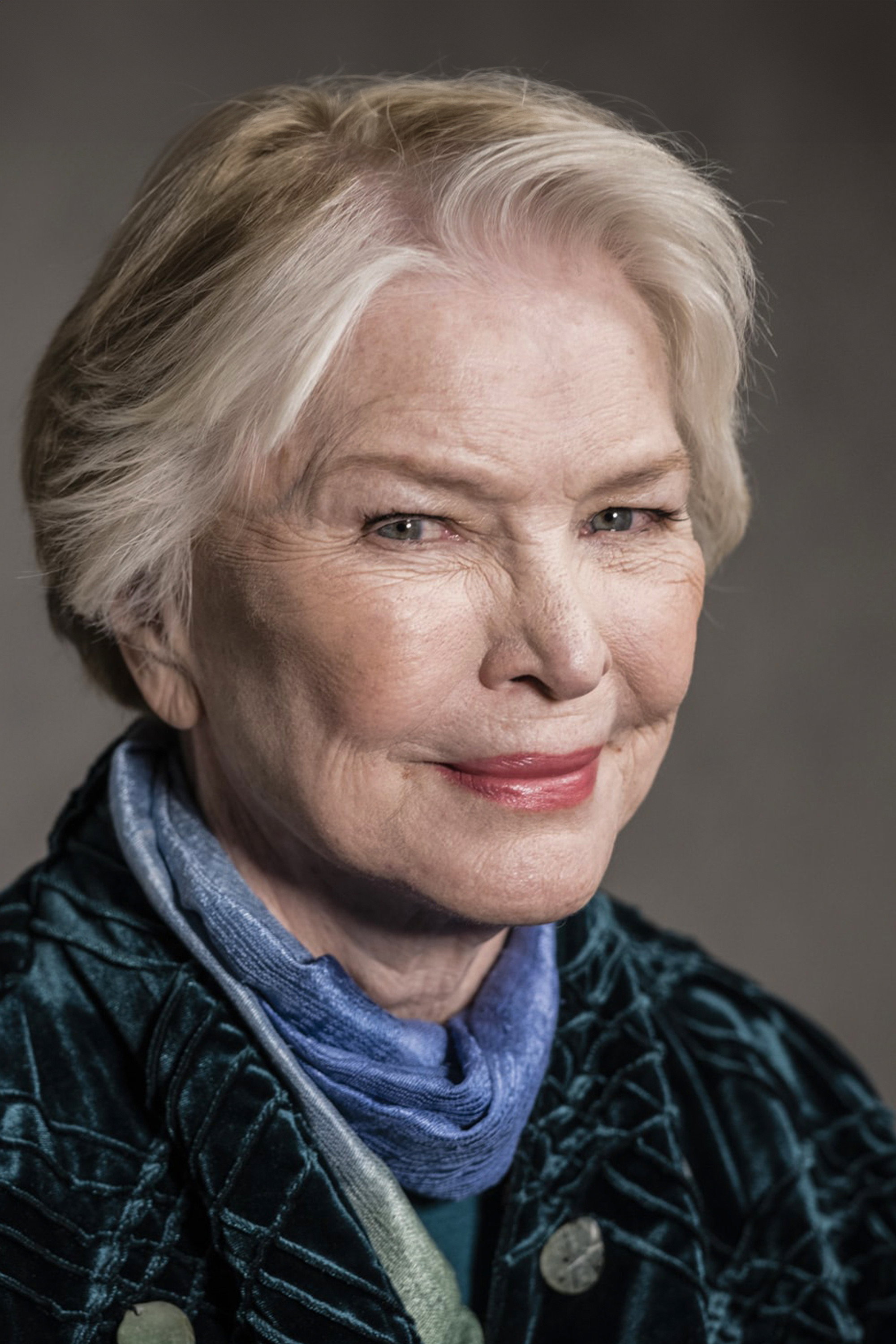
Ellen Burstyn, playing Sara Goldfarb, is the reason the film never becomes merely a display of technique. When Sara speaks plainly about her unhappiness, Burstyn lets the words carry the scene without trying to compete with everything around her. We were moved more than we expected by that quiet admission, because it made the wish for relief seem so ordinary and so difficult to dismiss. Aronofsky gives her room here, and she makes us want him to allow the others as much.
Clint Mansell’s score helps sustain the pressure, although we sometimes wanted less insistence from the music while the images were already doing so much. James Chinlund’s production design supplies surroundings that the close-ups keep breaking into fragments. That suits the characters’ narrowed attention, though it leaves us wanting a longer look at the places they inhabit. There are stretches when the music, photography and editing all press the same point, and the actors have already made it.
Aronofsky’s approach makes particular sense for an addiction story: repetition is part of the subject, and pleasure has to be credible for the distress to matter. He also resists treating the characters as examples in a lecture about poor decisions. Yet the sheer accumulation of suffering can make their progress feel settled too early, and another burst of montage does not deepen our understanding of them. The screenplay by Aronofsky and Hubert Selby Jr. is strongest when it lets someone explain a need in their own words.
It runs 102 minutes, though this is no quick way to clear the head. We would leave some quiet after it rather than plan another film immediately. Choose it when nobody is relying on the evening’s entertainment to improve their mood.