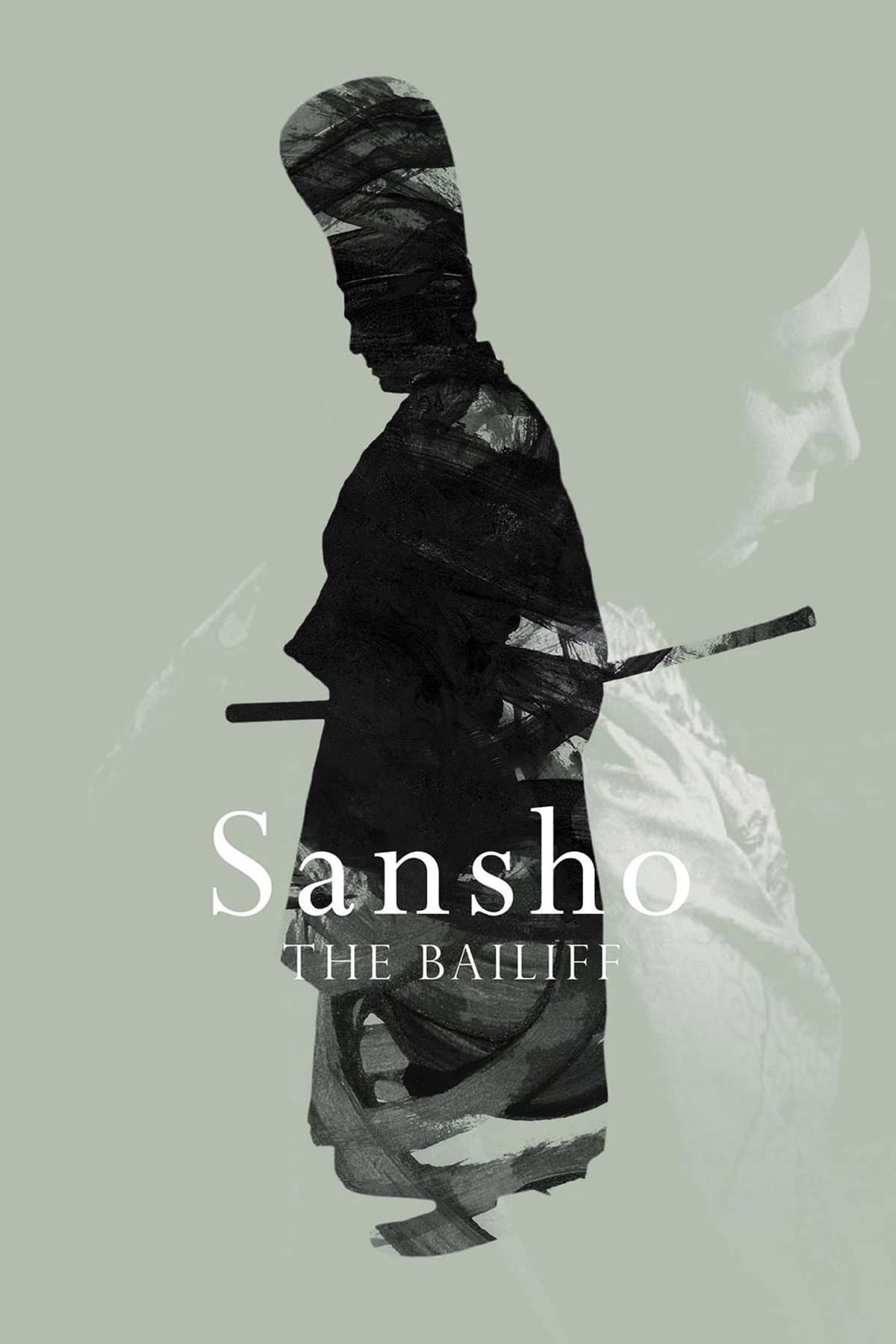
The reviews are uniformly positive, with praise clustering around Mizoguchi’s direction and the force of the film’s compassion. Most critics find the family’s suffering deeply moving without becoming sentimental, and connect that restraint to the measured camera movements, long takes and carefully arranged compositions. They also praise the way a simple folk tale accommodates both personal suffering and a wider account of cruelty and injustice. The New Yorker singles out Kinuyo Tanaka’s performance as the mother.
There is little substantive disagreement, and the spread runs from warm approval to particularly strong praise. The AV Club notes that the humanist ideals are anachronistic, but finds the film’s rebuke to tyranny persuasive nonetheless. Elsewhere, differences are chiefly matters of emphasis: some reviews stress mercy and human dignity, while others dwell on the women’s courage or the distance between moral principles and what people can endure.