Film review

Sansho the Bailiff

1954 · Directed by Kenji Mizoguchi · 2h 04m

In a sentenceThe camera stays calm while a family is sold into slavery; we did not

Drama

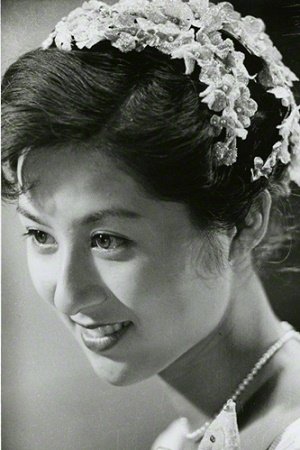
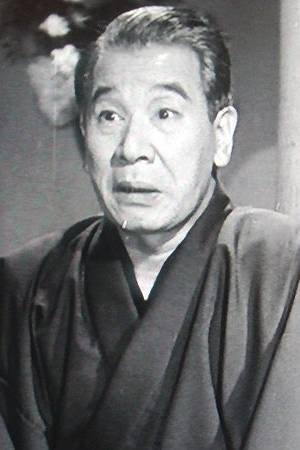
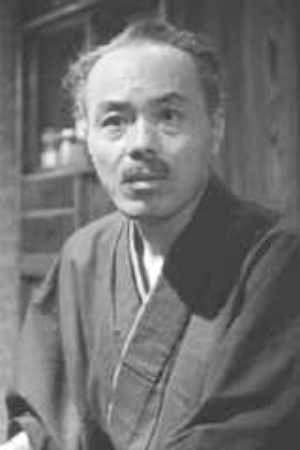
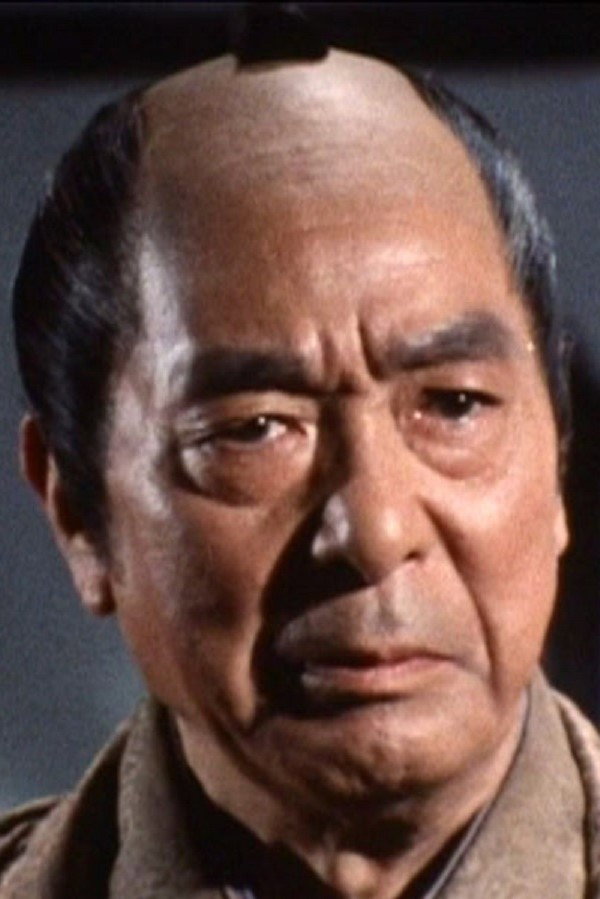
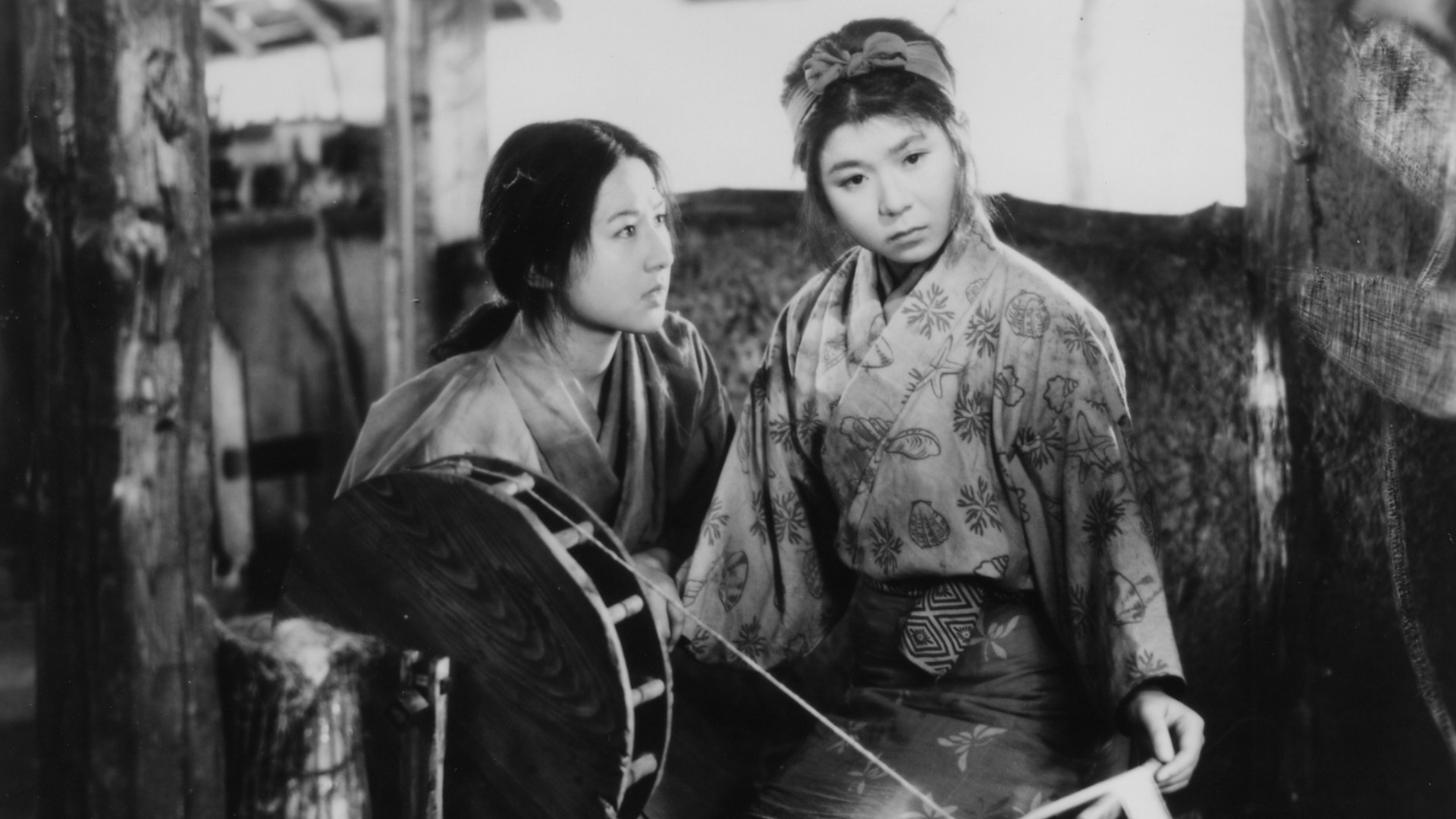
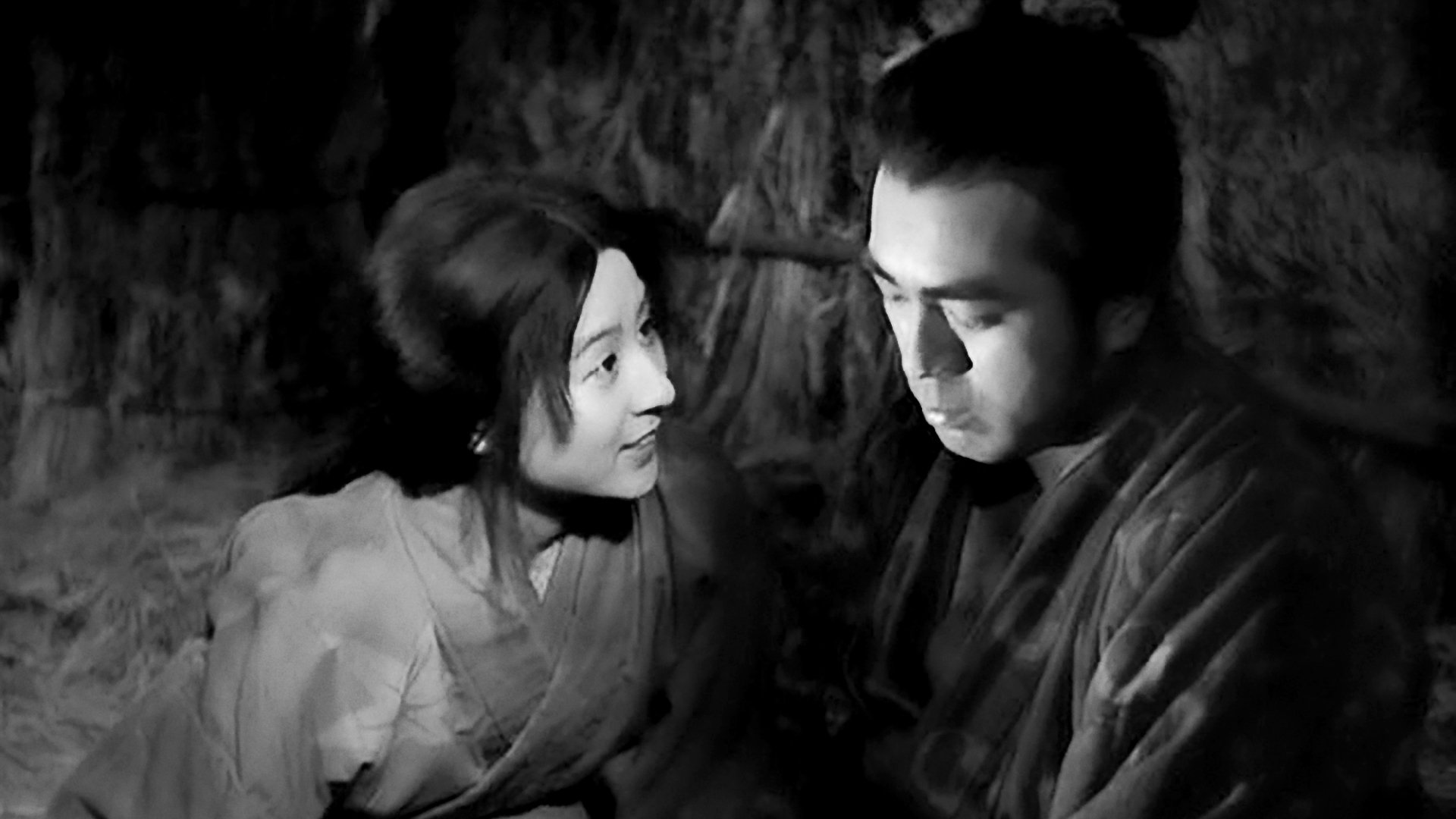
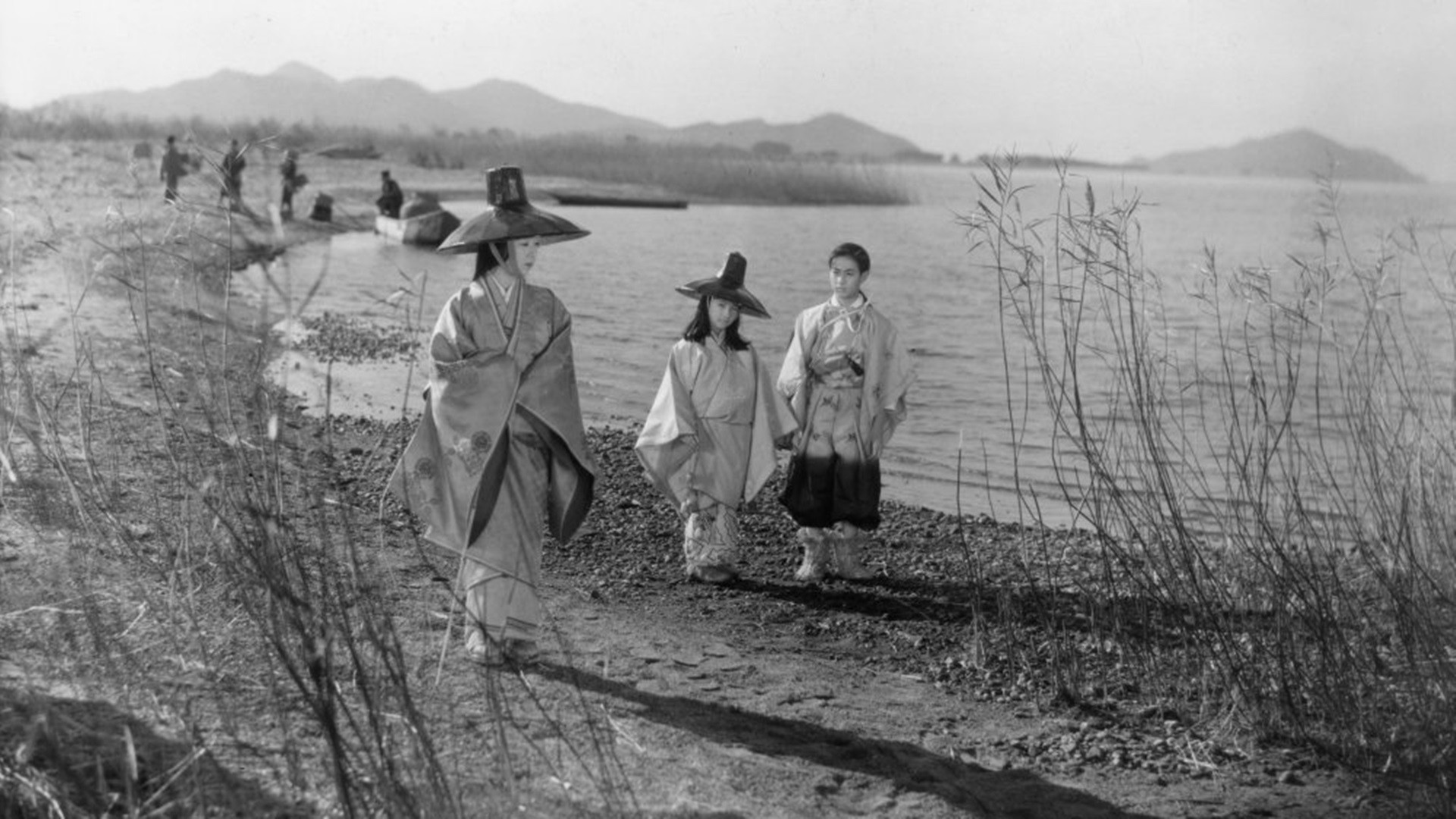
In 11th-century Japan, Tamaki (Kinuyo Tanaka) tries to keep her family together. Her children, Zushiô (Yoshiaki Hanayagi) and Anju (Kyōko Kagawa), have been taught mercy by their father, but they are separated from their mother and sold into slavery. Zushiô and Anju come under the control of the slave owner Sanshô dayû (Eitarō Shindō). Their family’s noble standing offers no protection against his authority. Away from Tamaki, the children must live by the orders of a man whose treatment of those he owns contradicts what their father has taught them.

Fi1m review

Kenji Mizoguchi makes a family’s enslavement painful without treating its suffering as a spectacle. The moral lessons can be blunt, but the patient direction and performances make Sansho the Bailiff deeply moving.

Sansho the Bailiff is a film about slavery that keeps its attention on the people being bought and sold. Kenji Mizoguchi asks what becomes of a father’s teaching about mercy when his children are placed under a man who has no use for it. It is harrowing, patiently made and worth seeing even if historical drama is seldom your choice. The moral instruction can be stiff, but the suffering never feels like an exercise set for our improvement.

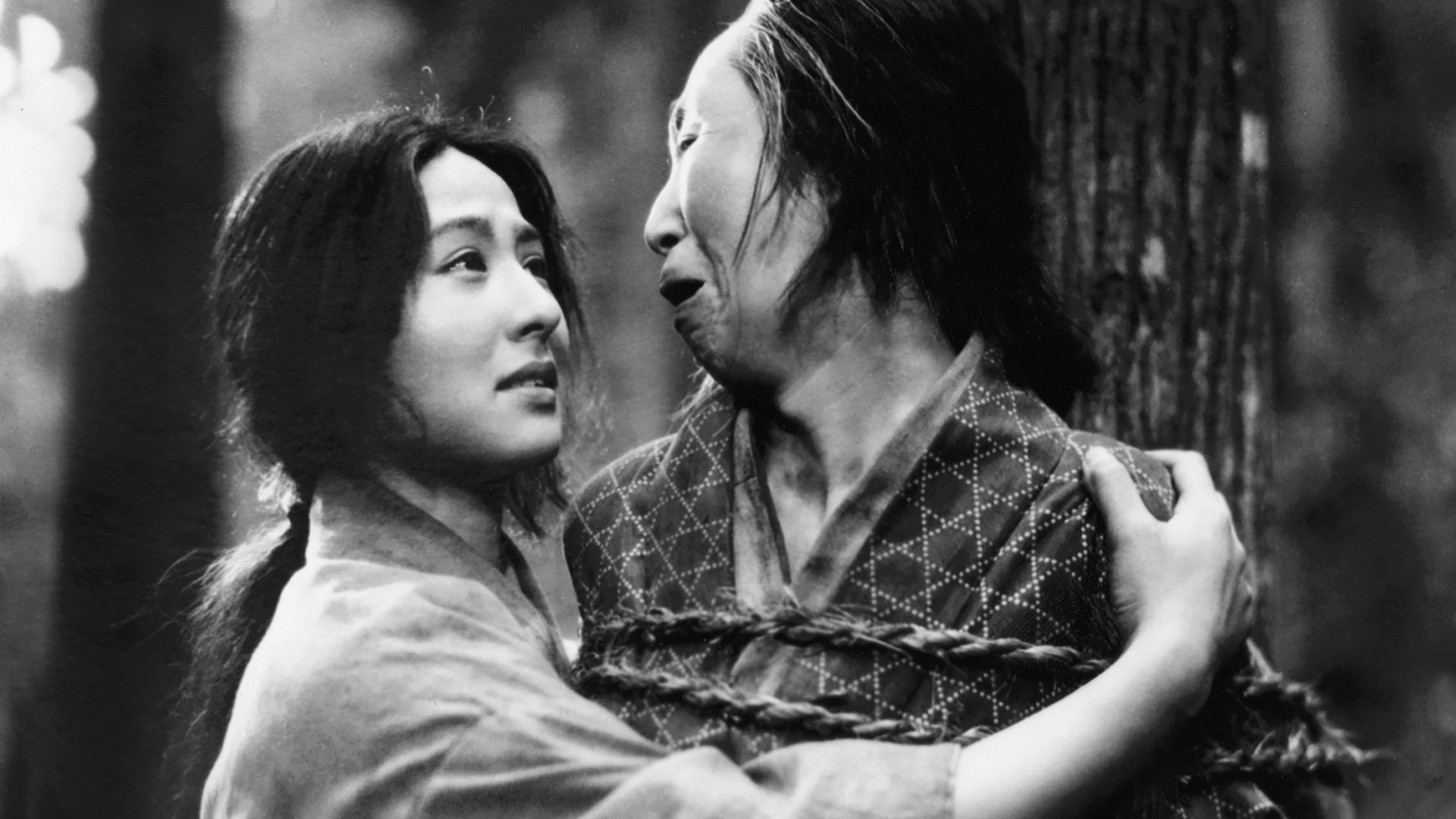
The screenplay by Yoshikata Yoda and Fuji Yahiro gives the family a simple belief to hold on to, then makes holding on to it difficult. In feudal Japan, noble birth cannot prevent Tamaki and her children from being separated and enslaved. We were horrified by their separation, because being a mother gives Tamaki no power to stop other people selling her children. The film lets that helplessness register without asking us to enjoy the cruelty.

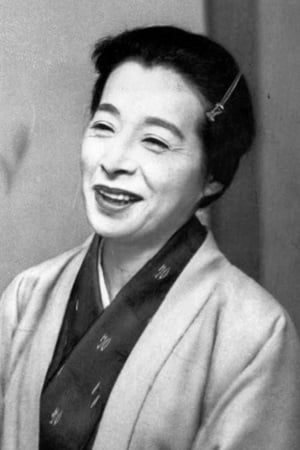
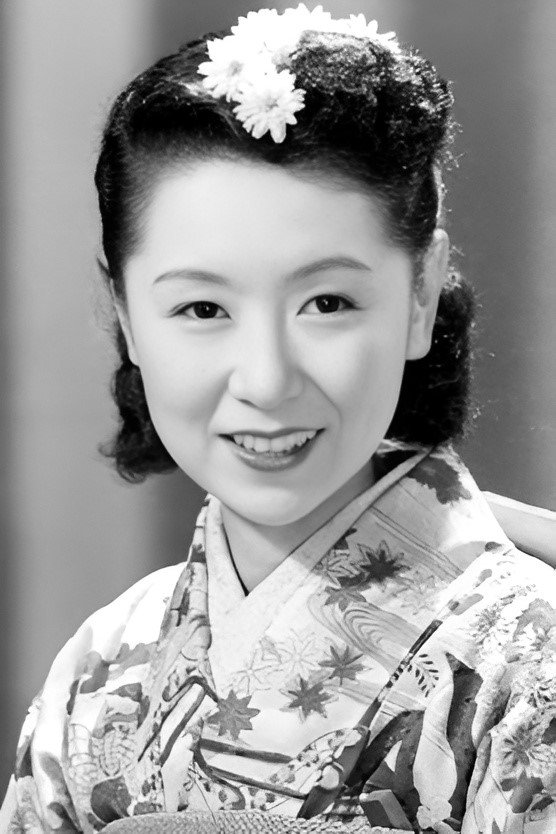
Kinuyo Tanaka makes Tamaki’s attachment to her children painfully convincing; we never need a speech explaining why she wants them with her. Yoshiaki Hanayagi’s Zushiô and Kyōko Kagawa’s Anju give the father’s lesson something harder to contend with than a plainly wicked opponent. Their responses to oppression matter, and the performances keep us interested in them even when the moral teaching becomes insistent. The film is particularly attentive to women’s courage, without pretending that courage puts them in command of their circumstances.

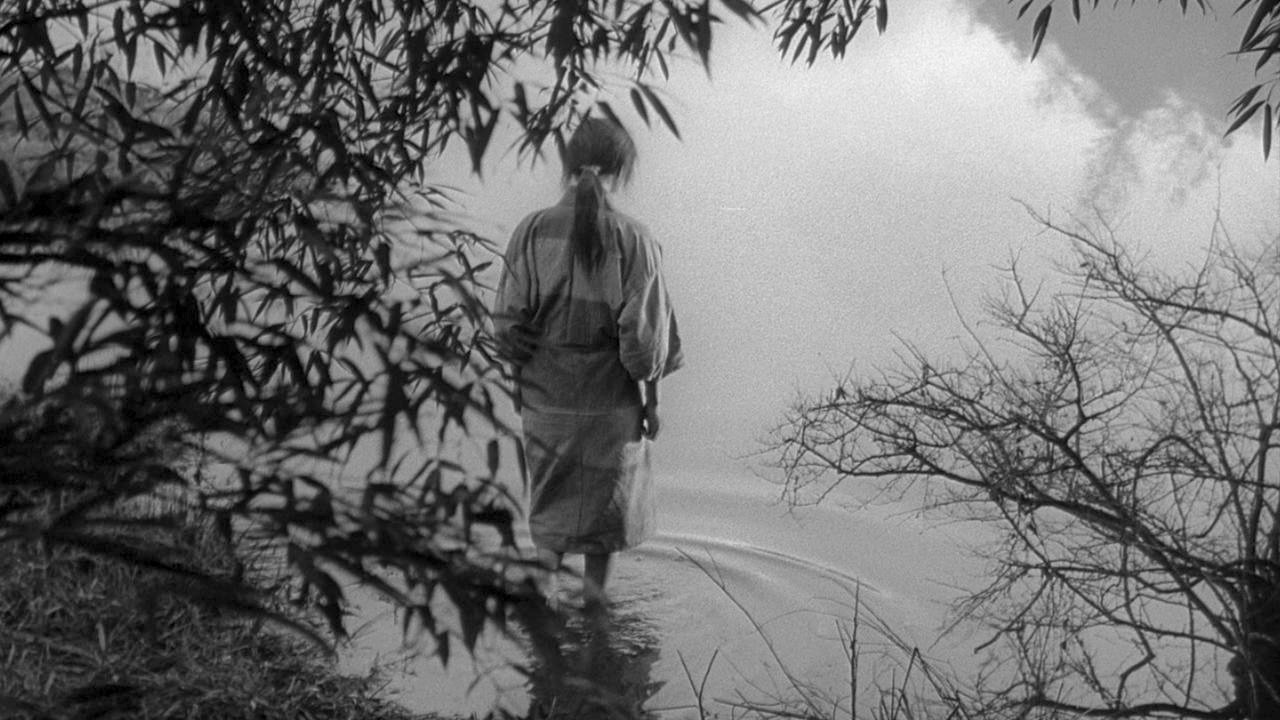
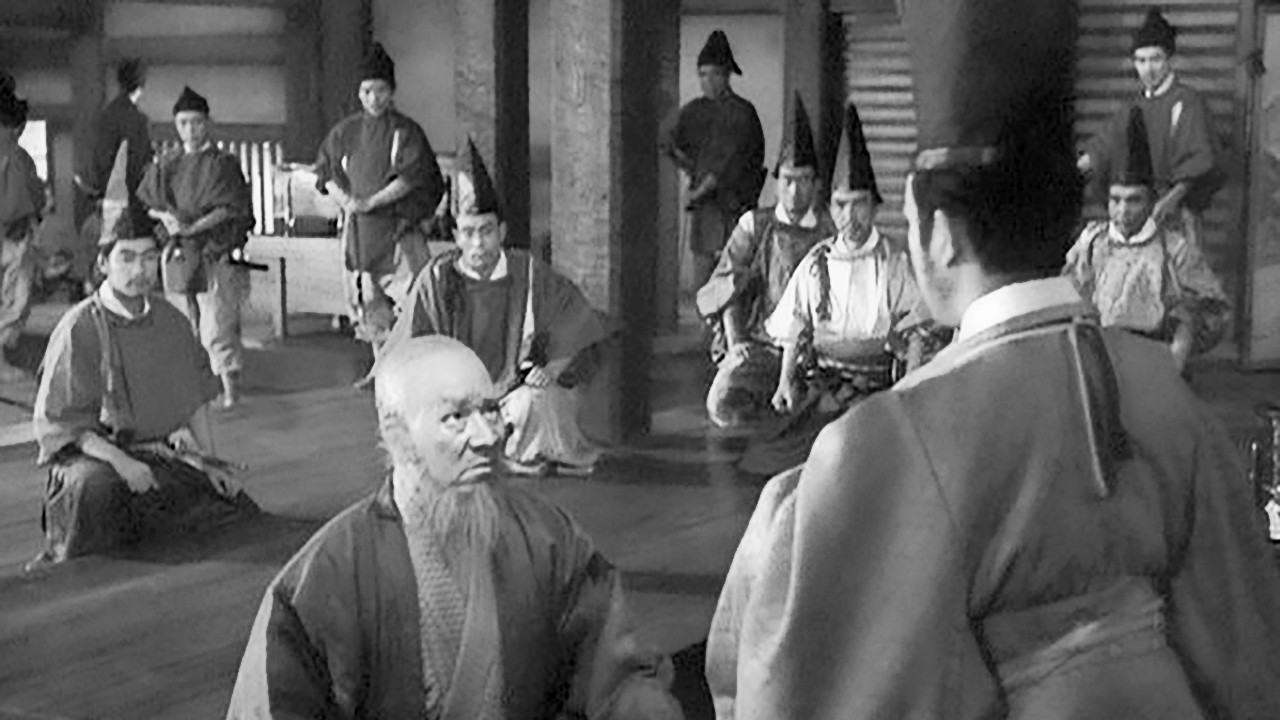
Cinematographer Kazuo Miyagawa’s long takes and discreet camera movements give us time to look at the people within each composition. The upright lines lend the images an order that becomes troubling when the people are treated so cruelly. We can study the arrangements without feeling that the film is inviting us to forget what happens within them. Hisakazu Tsuji’s production design keeps the feudal setting legible without making it the chief attraction. These surroundings matter because people have to live under the rules that govern them.

Editor Mitsuzō Miyata allows those extended shots to carry the scenes, so that distress is given time to become uncomfortable. The deliberate pace suits a story in which the people we care about have so little control over what happens to them. Music by Kanahichi Odera, Tamekichi Mochizuki and Fumio Hayasaka adds to the emotional pressure. It can be openly sorrowful. That directness belongs in a film whose people are denied even the ordinary comfort of staying together.

There are moments when the script tells us too firmly how a good person should think. The father’s creed of mercy has a clarity that can sound more like a declaration for the audience than something a family lives by. That is our reservation about the writing, though the children’s enslavement gives the lesson a difficult practical test. Their dependence on a cruel owner stops the moral teaching from being a sufficient answer. They still have to live under the authority of Sanshô dayû.

As a historical drama, it asks for patience without requiring us to admire the past. Its belief in human dignity is easy to understand, and its account of the damage done by slavery is hard to sit with. Across 124 minutes, the measured pace gives the family’s suffering a weight that brisker storytelling would lose. Give it an uninterrupted evening, with no promise of being cheered up.
Critical consensus AI synthesised

88
Positive
9
Mixed
0
Negative
0

The reviews are uniformly positive, with praise clustering around Mizoguchi’s direction and the force of the film’s compassion. Most critics find the family’s suffering deeply moving without becoming sentimental, and connect that restraint to the measured camera movements, long takes and carefully arranged compositions. They also praise the way a simple folk tale accommodates both personal suffering and a wider account of cruelty and injustice. The New Yorker singles out Kinuyo Tanaka’s performance as the mother.

There is little substantive disagreement, and the spread runs from warm approval to particularly strong praise. The AV Club notes that the humanist ideals are anachronistic, but finds the film’s rebuke to tyranny persuasive nonetheless. Elsewhere, differences are chiefly matters of emphasis: some reviews stress mercy and human dignity, while others dwell on the women’s courage or the distance between moral principles and what people can endure.

The AV Club
23 May 2007 · A · Scott Tobias
95

The critic notes the anachronistic humanist ideals but praises how the film powerfully rebukes tyranny through its fairy-tale simplicity and compassion overcoming oppression. Tragedy and transcendence coexist in one of the most profoundly moving final scenes in film history.

Read the full review →
RogerEbert.com
20 October 2007 · Roger Ebert
90*

Ebert calls Mizoguchi’s film one of the best of all Japanese cinema, a powerful lament on cruelty, mercy, and human suffering centered on a family destroyed by slavery and separation in feudal Japan. He singles out the director’s elegant compositions, tactful camera work, and the film’s shift from narrative to profound emotional resonance.

Read the full review →
Slant Magazine
26 February 2013 · Chuck Bowen
90*

The critic calls it an exquisite masterpiece that testifies to the nourishing value of simplicity amid atrocity, praising Mizoguchi's humane direction, vertical compositions, and the deeply moving grace of the ending that affirms mercy and equality.

Read the full review →
The New York Times
17 December 1969
90*

The review praises the film as a serious, profound work of visual beauty and moral depth, following the children’s ordeal under the cruel slave owner Sansho and their father’s creed of mercy. It highlights the director’s mastery in depicting lives shaped by necessity rather than ideals, moving from poetry to difficult, lucid art.

Read the full review →
Time Out
10 September 2012 · TR
90*

The critic praises Mizoguchi's dual perspective on a simple folk-tale of family suffering in feudal Japan, presenting it both as a moving personal moral struggle and a tender historical meditation. The result is a film that is impassioned yet elegiac, dynamic and achingly beautiful.

Read the full review →
The Guardian
2 December 2007 · Philip French
85*

The review presents the film as a heartbreaking, tragic yet unsentimental story of a noble family torn apart by cruelty and slavery in 11th-century Japan, suffused with belief in human decency and dignity surviving terrible circumstances. It singles out the unforgettable moments such as the song revealing the mother's fate, along with Mizoguchi's beautiful compositions, long takes and discreet camera movements.

Read the full review →

Cast

Stills

If you liked this, try…