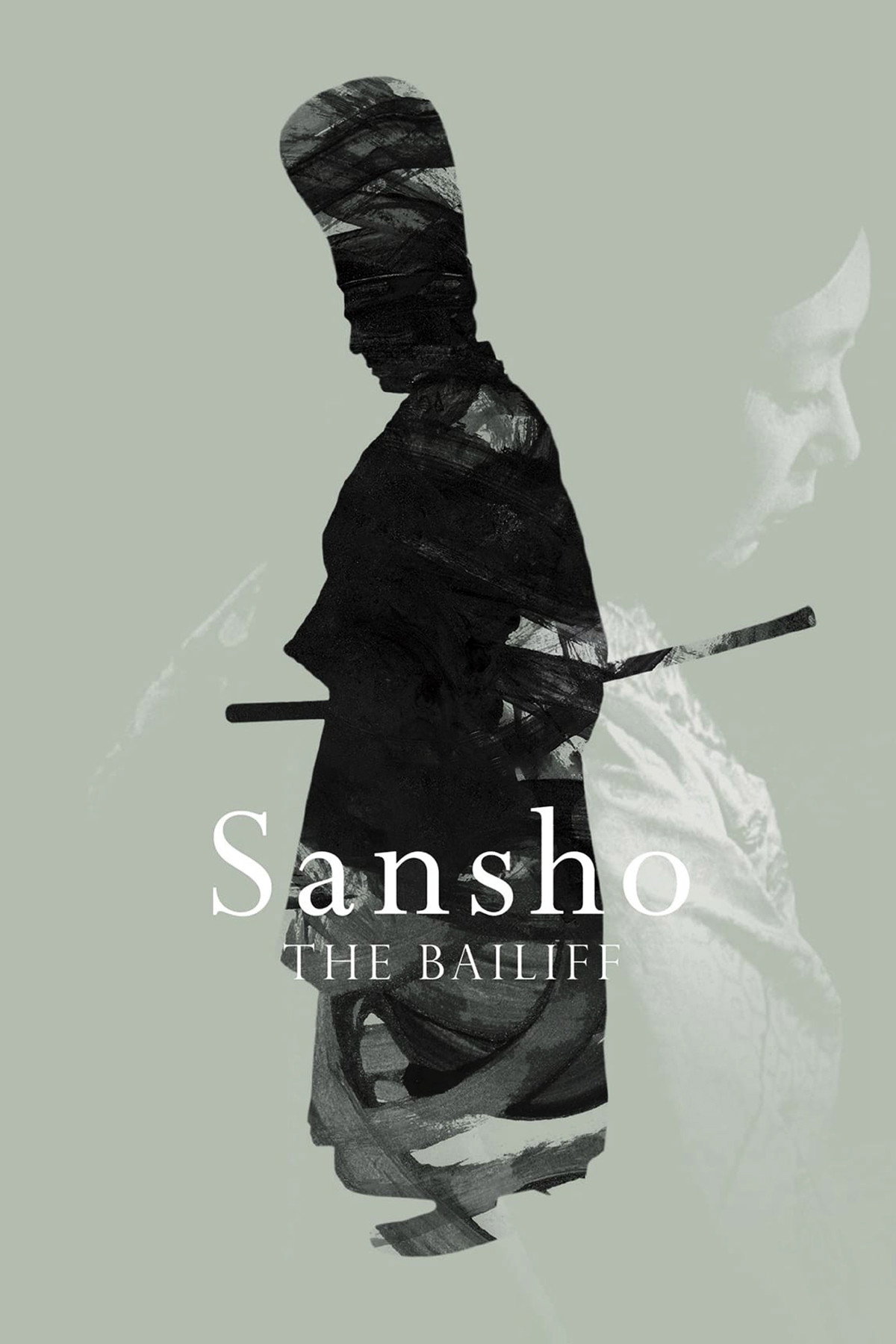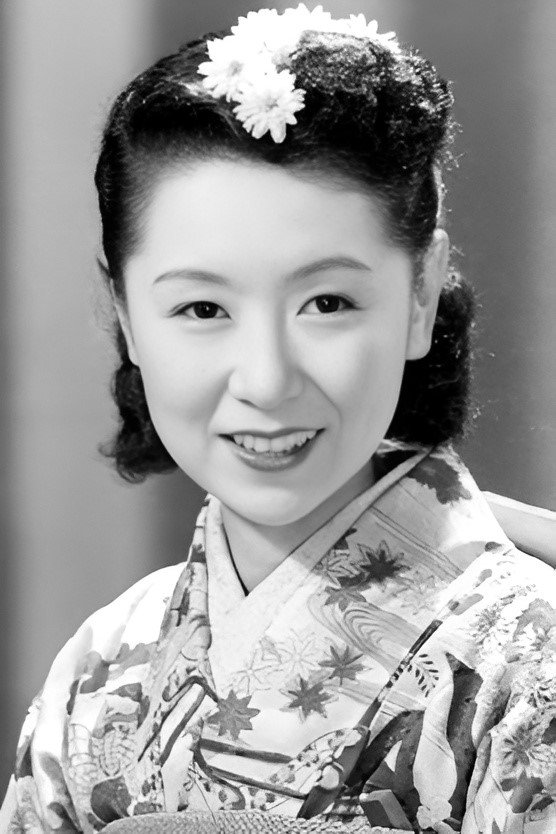
Kinuyo Tanaka makes a mother's need for her children painfully clear without explaining it in speeches. We value the restless gestures and hard-to-read expressions that keep her women from becoming merely examples of suffering.
Fi1m perspective
Kinuyo Tanaka often avoids eye contact, her gestures restless and her face difficult to read. We have to watch how she moves rather than wait for an expression that settles everything. It is an absorbing way to play women whose suffering could otherwise become too easy to recognise and too familiar to hold our attention.
In Kenji Mizoguchi's Sansho the Bailiff (1954), her Tamaki wants her children with her, and Tanaka makes that attachment the thing we cannot dismiss. We were moved by her need to keep them close, because she makes it felt without a speech explaining why. Mizoguchi's patient direction gives the performance room and does not turn the family's suffering into a spectacle. The film takes women's courage seriously while recognising that courage does not put them in charge of their circumstances; Tanaka makes that distinction painful.
She had begun in Shochiku's silent films in 1924 and become a leading star by the early 1930s. Her collaboration with Mizoguchi started in 1940 and ran to 15 films. The Life of Oharu (1952) and Ugetsu (1953) belong to that association, in which she frequently played women mistreated by those around them. These parts make endurance prominent, but it would be a mistake to treat endurance as all she could do.
The moral lessons in Sansho the Bailiff can be blunt, and we do not need all of them. Tamaki's attachment to the children has already supplied the reason to care. The film is more persuasive when it attends to what its people want and how they respond to oppression. Her performance keeps those passages from becoming merely instructive.
Tanaka also directed six features between 1953 and 1962, with women's experiences at their centre. Her acting continued, including Orin in Keisuke Kinoshita's The Ballad of Narayama (1958) and Madame Yasumoto in Kurosawa's Red Beard (1965). Those roles are useful reminders that Mizoguchi does not account for the whole career, however much his films repay close attention to her work. Begin with Sansho the Bailiff, and leave yourself some quiet afterwards.
Biography
Kinuyo Tanaka was a Japanese actress and film director. Born in Shimonoseki, Yamaguchi Prefecture, on 29 November 1909, she made her screen debut at fourteen and became a leading actress by the age of seventeen, appearing in films by directors including Heinosuke Gosho and Yasujirō Ozu.
She had a long collaboration with Kenji Mizoguchi, appearing in fifteen of his films with leading roles in The Life of Oharu (1952), Ugetsu (1953) and Sansho the Bailiff (1954). Other notable performances include The Ballad of Narayama (1958) and Red Beard (1965).
Tanaka became the second Japanese woman to direct a feature film with Love Letter (1953) and directed five further films. She won the Silver Bear for Best Actress at the 1975 Berlin International Film Festival for Sandakan No. 8 (1974). She died on 21 March 1977.