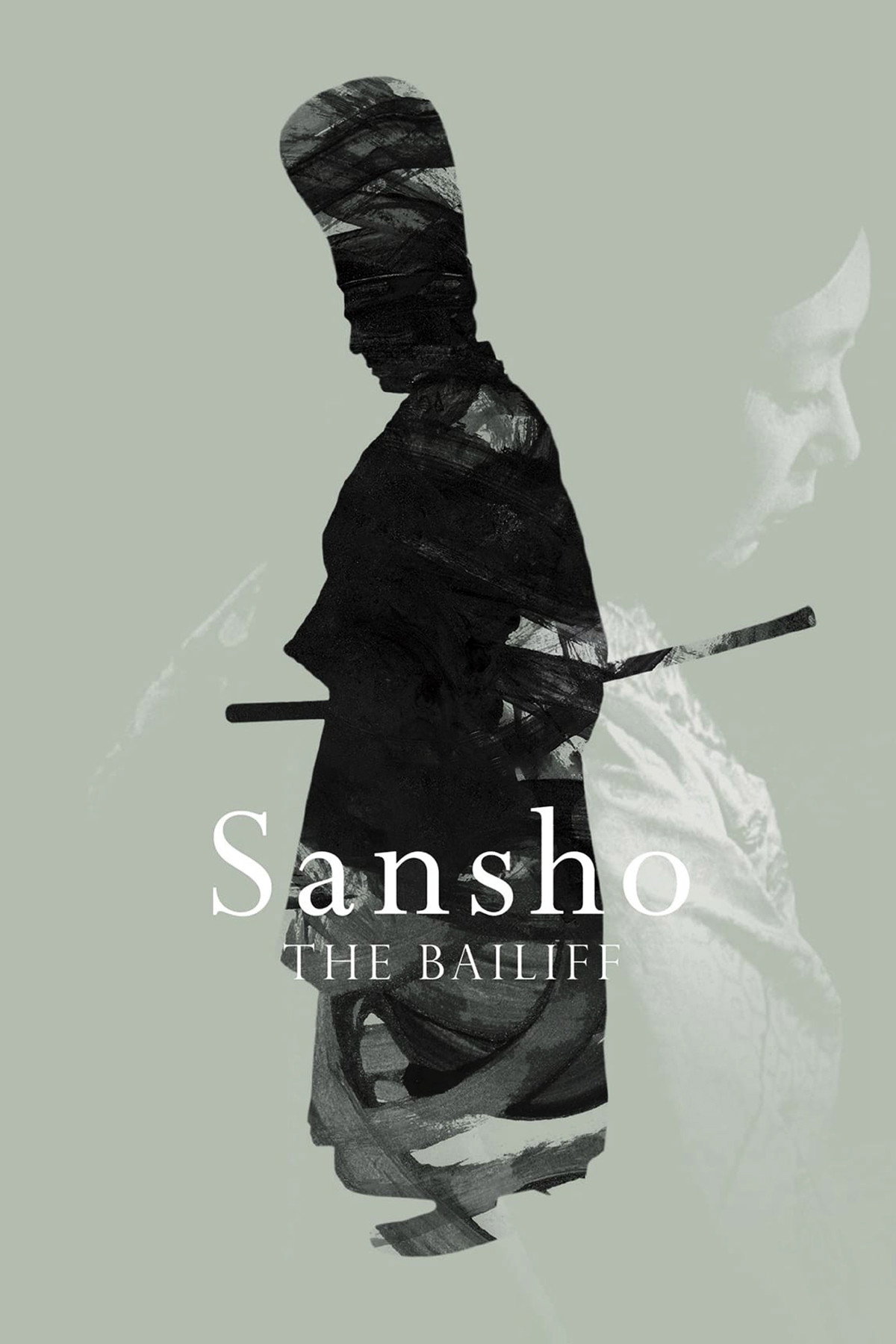
Kenji Mizoguchi films cruelty with patience and compassion, giving the people subjected to it our full attention. Start with Sansho the Bailiff: its moral lessons can be stiff, but the suffering never feels arranged for our benefit.
Fi1m perspective
Mizoguchi lets people move within a shot instead of continually cutting between them. His camera follows without making a fuss of the movement. We were horrified by the buying and selling of people in Sansho the Bailiff (1954), because he keeps our attention on those who have to endure it. The film's patience lets that horror settle, and the performances make it difficult to keep a comfortable distance. We would recommend it even to someone who usually avoids historical drama.
His mature style took shape with Osaka Elegy and Sisters of the Gion (both 1936), after years of silent and early sound work. Osaka Elegy also began his long collaboration with screenwriter Yoshikata Yoda. The geisha world of Sisters of the Gion puts the treatment of women at the centre, a concern that runs through both his contemporary and historical films. It persists in the later The Life of Oharu (1952), which follows a woman's social decline.
Cinematographer Kazuo Miyagawa was among his recurring collaborators, and the fluid tracking shots deserve attention for more than their smoothness. Mizoguchi's use of deep focus lets us look around a scene rather than having every detail selected by a cut. Ugetsu (1953) is another place to see how closely he connects people to the spaces they occupy. The period detail and carefully staged groups can demand concentration; he gives us time to do the looking.
There is a risk in arranging distress so carefully: we can find ourselves admiring the picture while losing sight of the person in it. Sansho the Bailiff avoids that trap by staying with the people being enslaved and what their ordeal does to them. A father's teaching about mercy is tested when his children are placed under a man who has no use for it, though the moral instruction can be stiff. The performances give us particular people to care about, which matters more than the occasional solemn lesson. Give it an evening when there is nothing to hurry on to afterwards.
Biography
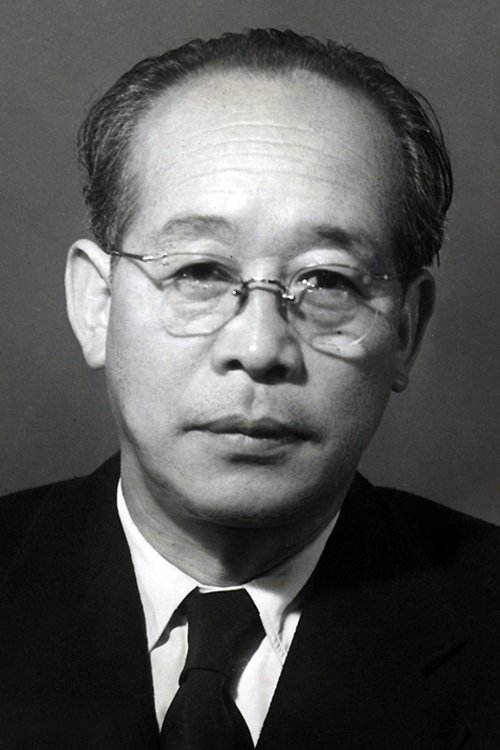
Kenji Mizoguchi was a Japanese film director and screenwriter. He was born on 16 May 1898 in Tokyo and died on 24 August 1956 in Kyoto. He directed approximately one hundred films between 1923 and 1956.
His notable works include The Story of the Last Chrysanthemum (1939), Sisters of the Gion (1936), The Life of Oharu (1952), Ugetsu (1953), Sansho the Bailiff (1954), and Street of Shame (1956). Several of his films, including The Life of Oharu, Ugetsu, and Sansho the Bailiff, received awards at the Venice International Film Festival.
Mizoguchi began his career as an actor at the Nikkatsu Motion Picture Company before becoming a director. He was married to Chieko Saga from 1927.