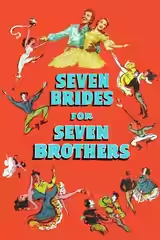
Most critics are warm towards it, and the praise lands almost entirely on the dancing. Michael Kidd’s athletic choreography, and the barn-raising sequence above all, is named again and again as the reason to watch, and more than one review credits Stanley Donen’s direction with serving it well. The Mercer and de Paul songs are liked, Howard Keel and Jane Powell are thought a good vocal match, and Powell’s timing draws particular notice.
The spread is wide. The reservations fall on the story rather than the staging: The New Yorker finds the hillbilly plot arch and contrived, and Time Out thinks the lead performance inexpressive and the score cosy. The sharpest dissent comes from HeyUGuys, troubled by the abduction and forced-marriage plot and its gender politics, though Collider reads the same material as a sly critique of patriarchal attitudes through its heroine. Admirers and detractors alike exempt the dances.