Critics’ reviews

Sleuth (1972)

9 reviews from 9 publications. Critics’ score 77: 8 positive, 0 mixed, 1 negative.

Back to our review of Sleuth

77
Positive
8
Mixed
0
Negative
1

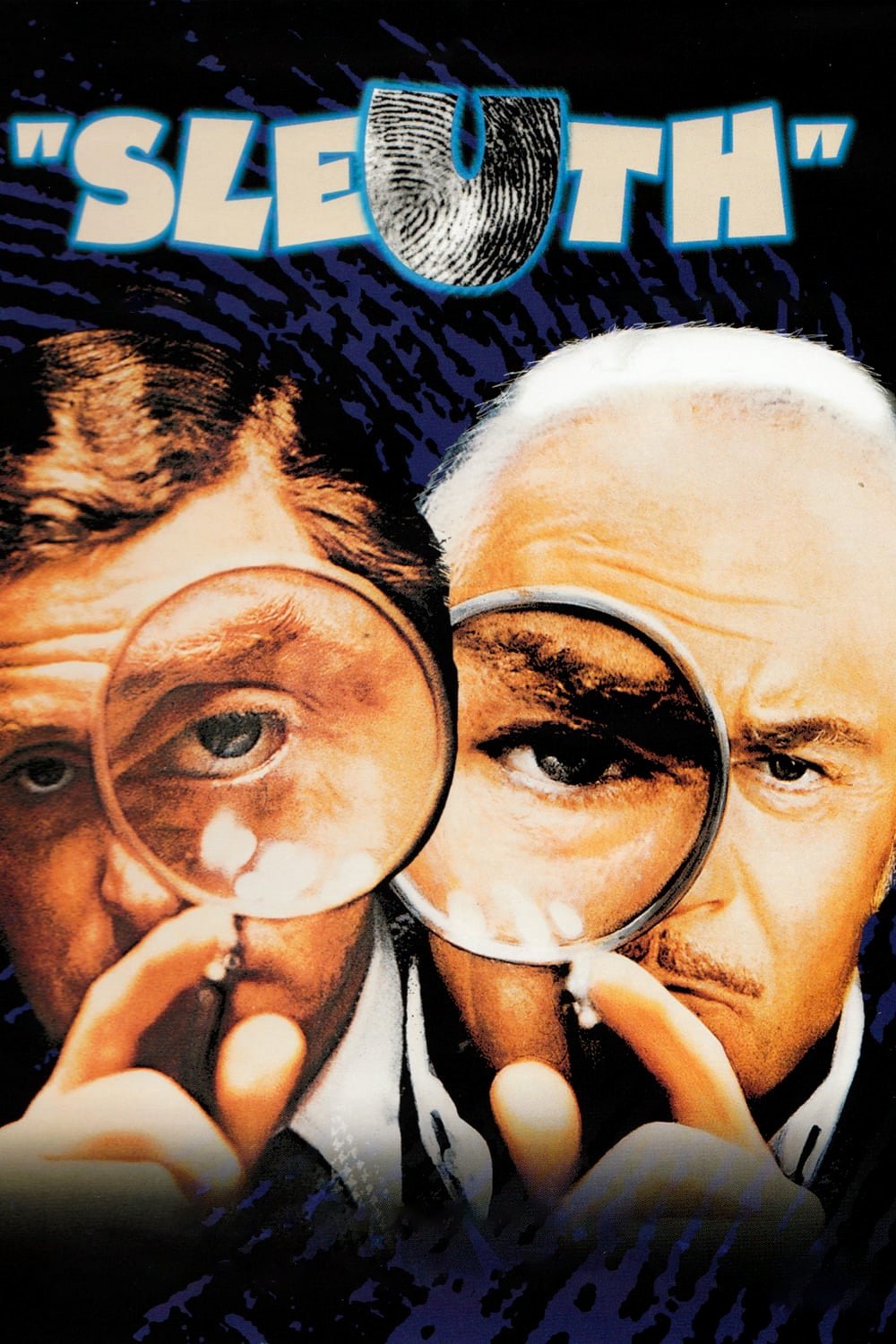
Most critics find Sleuth an engrossing battle of wits, with praise centred on Laurence Olivier and Michael Caine’s sparring and their ability to make theatrical performances compelling on screen. The reviews also credit Mankiewicz’s assured direction with sustaining the intricate mystery, while the mansion’s detailed sets and unsettling atmosphere give the verbal contest a persuasive setting. For the majority, the tricks remain entertaining, with several reviews finding something disturbing in the gamesmanship and class hostility.

The reservations concern how fairly those tricks treat the audience and how well the play’s deceptions survive the move to film. Enthusiasm varies, but eight of the nine reviews are positive, making the spread broad rather than evenly divided. The New Yorker supplies the lone negative assessment: it acknowledges the accomplished filmmaking but finds the material unworthy of Olivier’s intensity, and the cleverness tiresome once the early exchanges are over.

Time Out
10 September 2012 · GA
90*

Mankiewicz adapts Anthony Shaffer's two-hander with admirable style and intelligence, turning the labyrinthine plot into a gripping howdunit. The superb performances and detailed exploration of the set and perverse power play make it thoroughly entertaining.

Read the full review →
Variety
31 December 1972 · Variety Staff
90*

The critic calls Mankiewicz's film version terrific, highlighting topnotch performances by Olivier and especially Caine, along with outstanding production design that enhances the cat-and-mouse game.

Read the full review →
Empire
21 March 2007 · Emma Cochrane
80*

The critic praises the film's claustrophobic mystery and the brilliant sparring between leads Laurence Olivier and Michael Caine. Mankiewicz's direction, technical trickery and the creepy house setting are highlighted as keeping the audience engaged in this genuinely disturbing thriller.

Read the full review →
Radio Times
★★★★ · David Parkinson
80

Olivier and Caine deliver delicious hamming in this engrossing sleight-of-hand mystery adapted from Shaffer's play. The corkscrew plot ensures it remains a thundering good watch, even if the theatrical duplicity loses some impact on screen.

Read the full review →
The AV Club
27 July 2015 · Nick Schager
80*

The critic calls it a sterling adaptation of the Tony-winning play, highlighting the battle of wits between Laurence Olivier and Michael Caine as the core appeal. Mankiewicz's assured direction and the leads' theatrical yet compelling performances are singled out for praise in this two-hander about gamesmanship and class warfare.

Read the full review →
The New York Times
11 December 1972 · Vincent Canby
70*

The critic praises the performances of Laurence Olivier and Michael Caine in this entertaining adaptation of the play, noting the fun and gadgetry while acknowledging some high-handed tricks on the audience.

Read the full review →
The New Yorker
23 December 1972 · Pauline Kael
30*

The review finds the film well-made but ultimately unsatisfying, with Olivier's intense performance wasted on third-rate material that stops being fun after the initial rounds of clever tricks.

Read the full review →
Film Stories
10 January 2022 · ★★★★★ · John Upton
100

The critic finds Sleuth great fun and a forgotten classic. They single out the fantastic sets of Wyke’s mansion and the strong chemistry between Caine and Olivier in their role-reversal performances.

Read the full review →
Collider
20 October 2023 · Jeremy Urquhart
85*

The critic calls Sleuth one of Michael Caine's best roles and an endlessly entertaining, twist-filled classic that holds up as a riveting battle of wits. They single out the exceptional lead performances, particularly Caine holding his own against Laurence Olivier in a demanding, dialogue-driven two-hander.

Read the full review →

Ordered by the weight we give each publication, then by score. Scores are normalised to 100; * means inferred from an unrated review. Summaries are ours, not quotations; follow the links for the reviews themselves. How we rate