Laurence Olivier and Michael Caine make Sleuth a sharp, funny and increasingly unpleasant contest of wills. The plotting occasionally overdoes the cleverness, and the film runs long, but their performances make it well worth the time.
Sleuth is a thoroughly enjoyable thriller about two men who cannot leave a contest alone. Joseph L. Mankiewicz trusts Laurence Olivier and Michael Caine to make the talk worth listening to, and for most of the film they do. The pleasure comes from watching each man weigh up the other while trying to make his own position look secure. Anthony Shaffer’s screenplay sometimes asks us to applaud its cleverness a little too insistently, but the actors keep the hostility worth caring about.
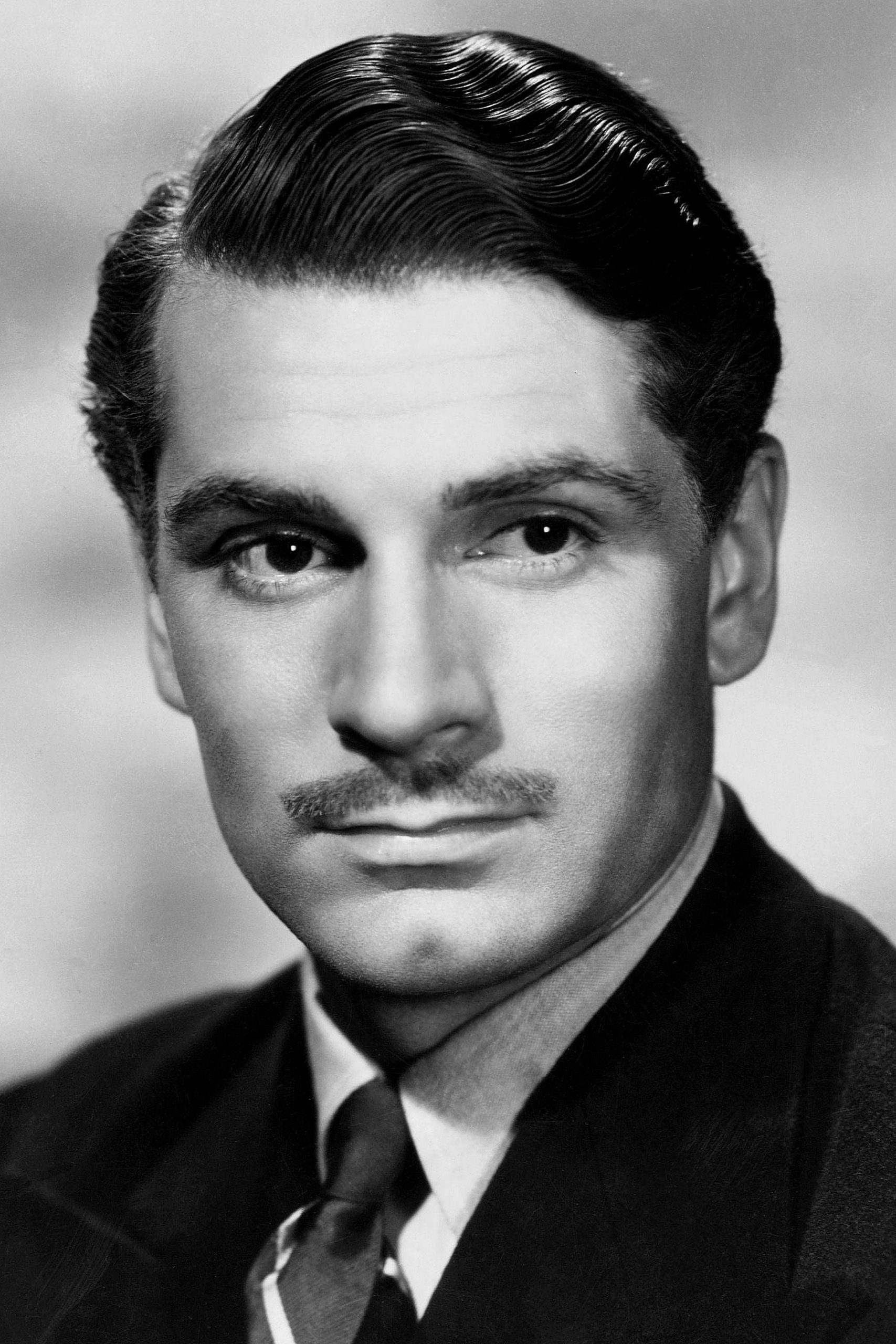
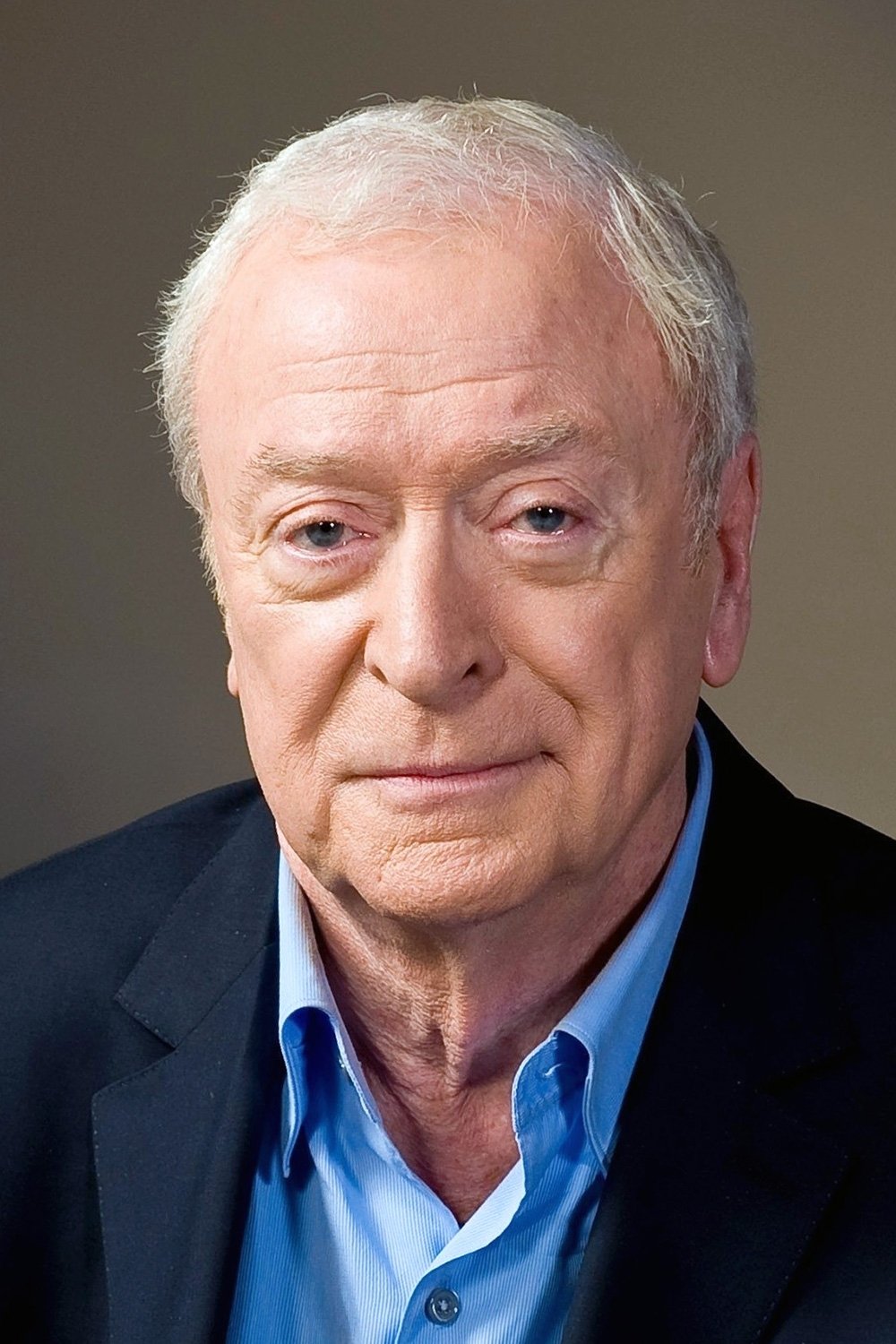
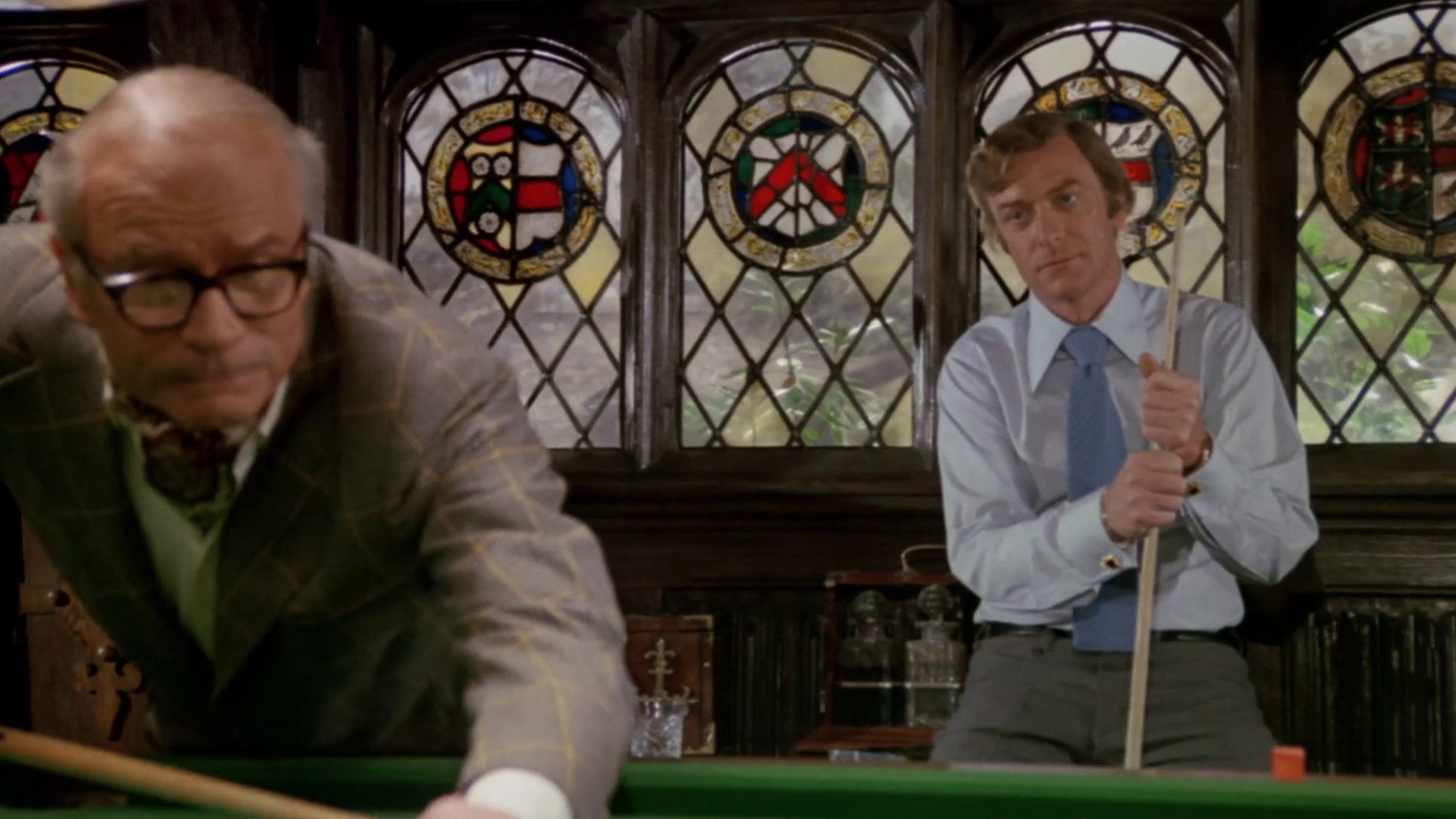
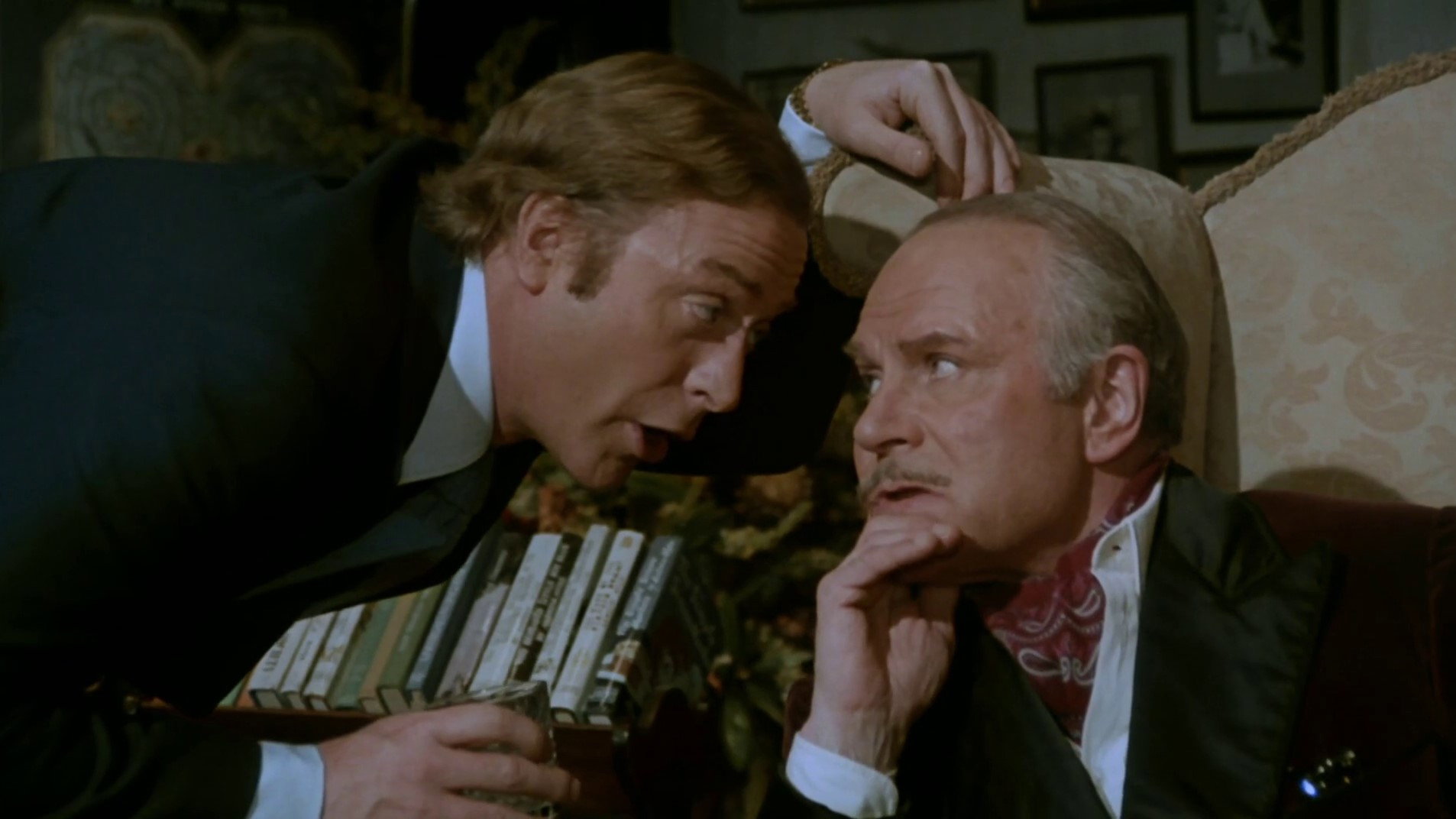
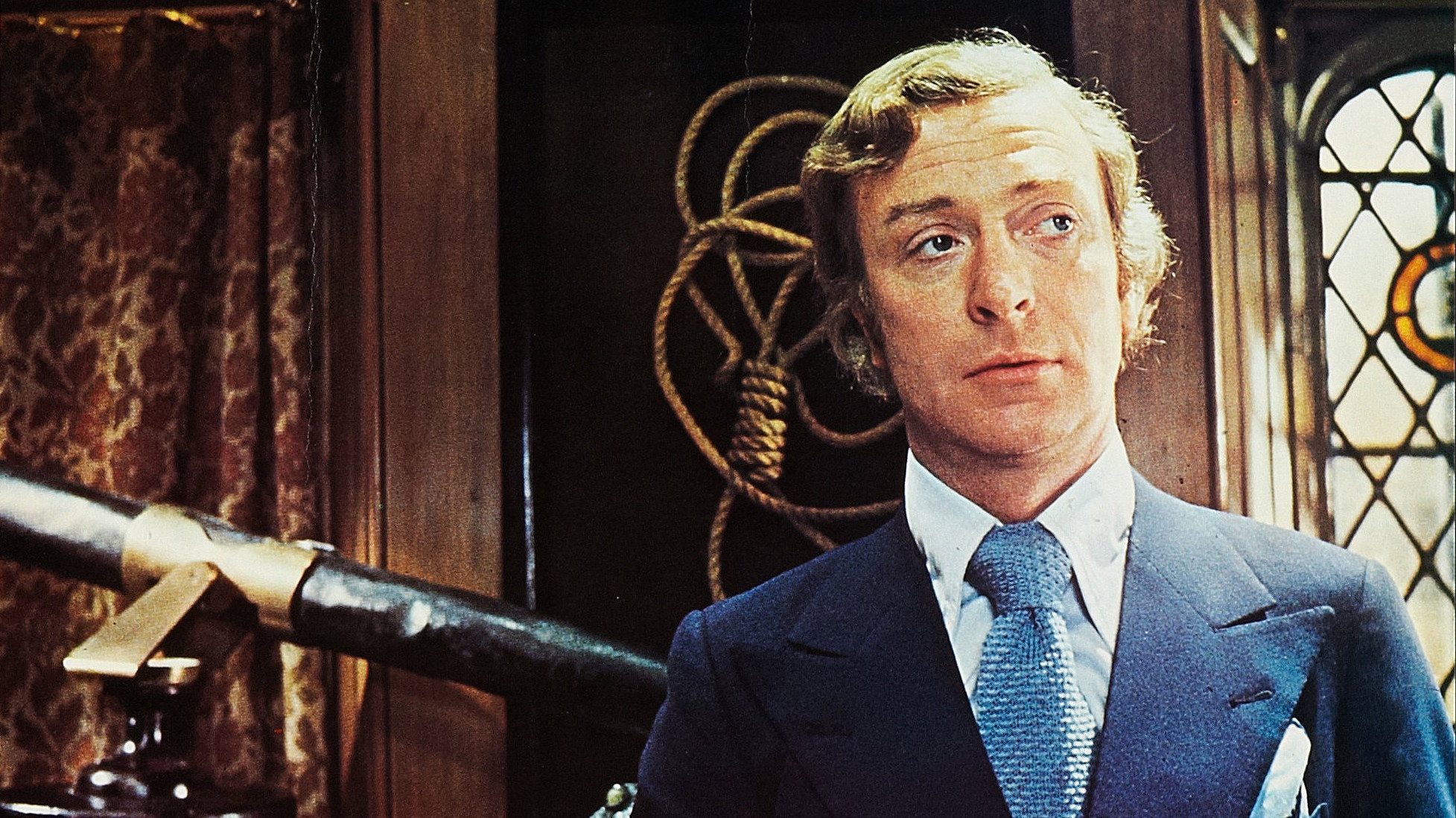
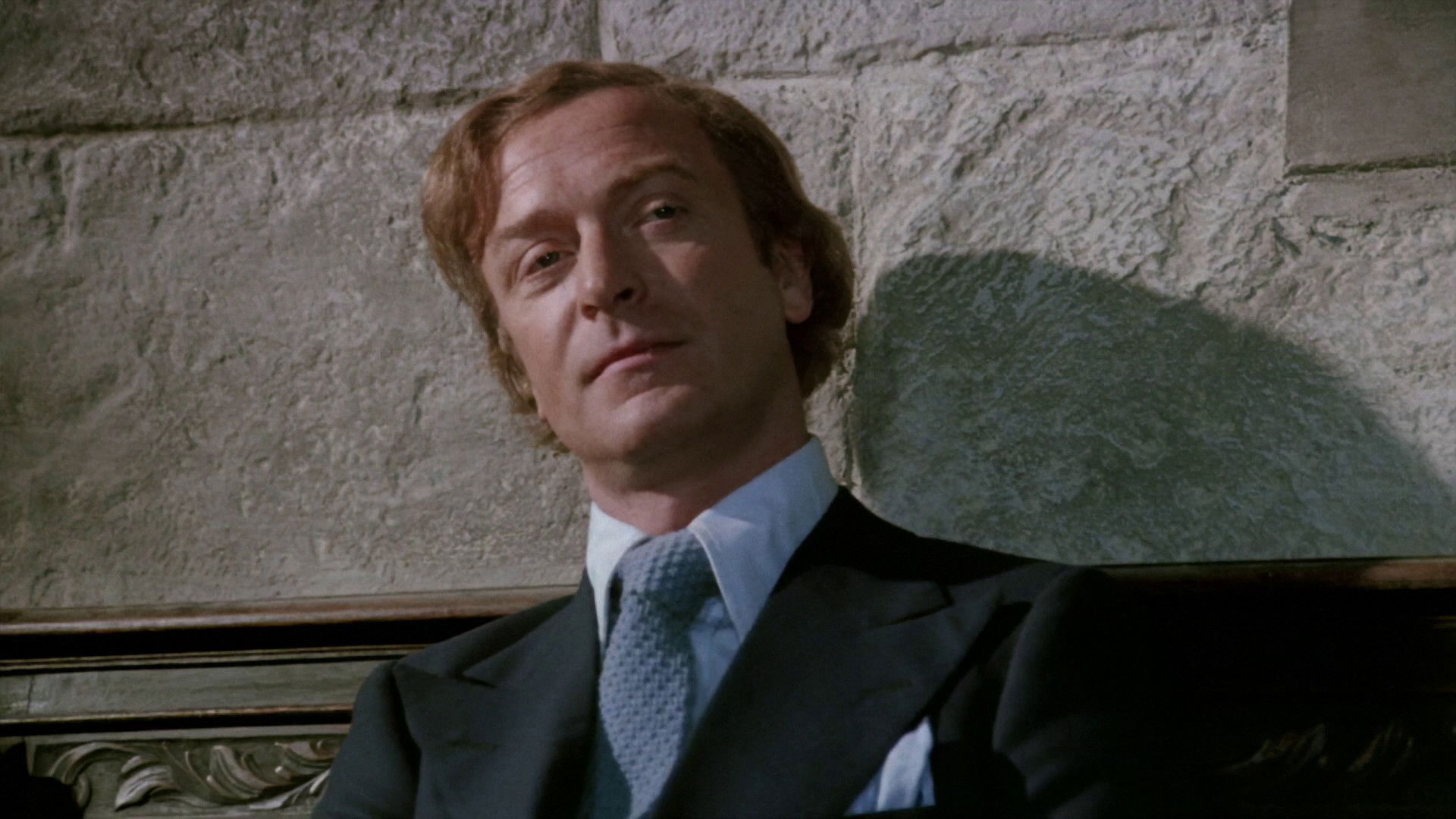
Olivier plays Andrew Wyke with a grandeur that would be exhausting to encounter across a dinner table. Here it is funny, because the performance lets us see how much effort goes into maintaining the upper hand. Caine gives Milo Tindle enough resistance to prevent the encounter becoming a long exhibition of Wyke’s superiority. We laughed at Olivier’s swagger, then felt uneasy about how much pleasure Wyke takes in making an opponent uncomfortable. The actors make that discomfort register even when the business of the plot grows elaborate.
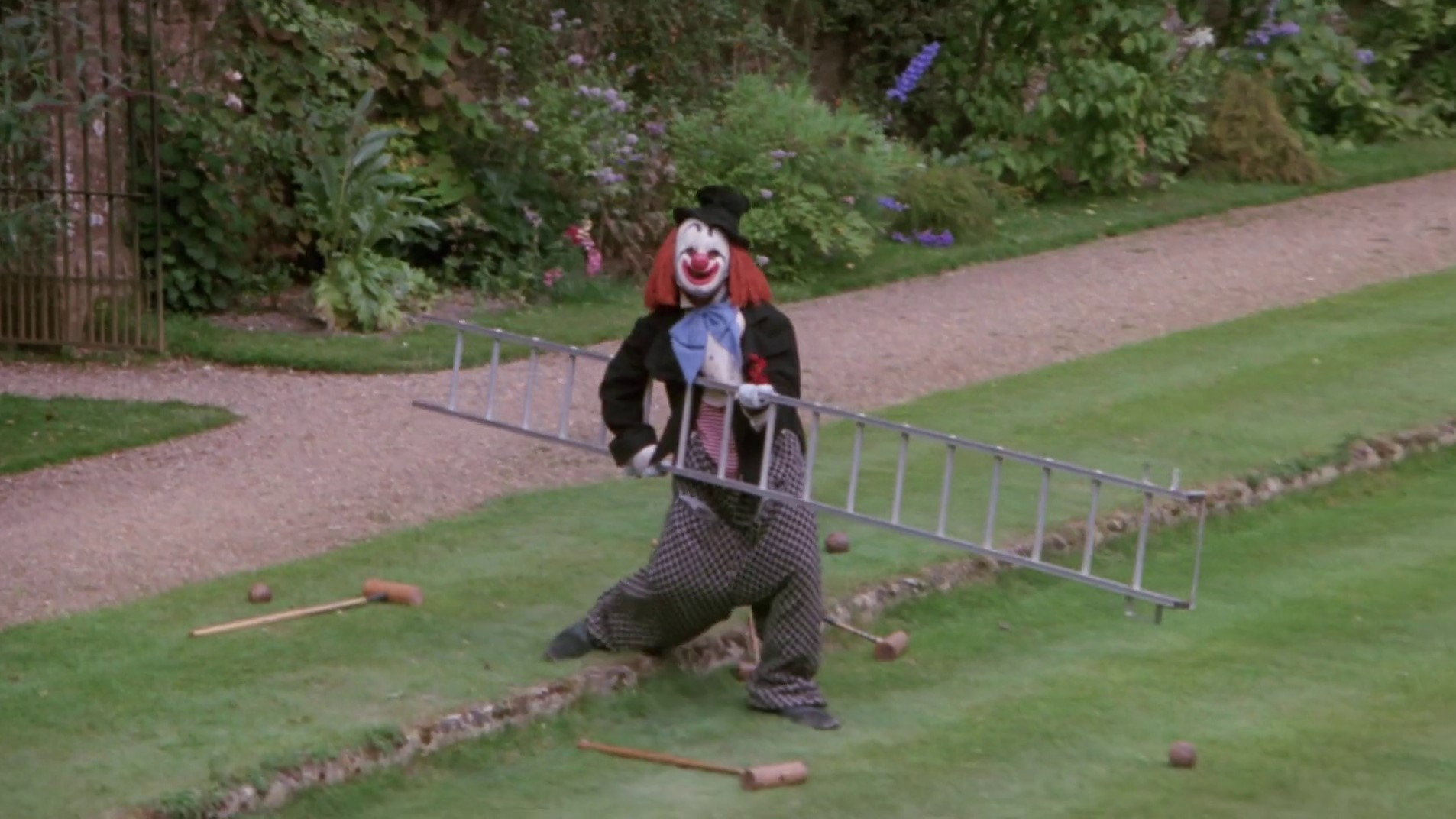
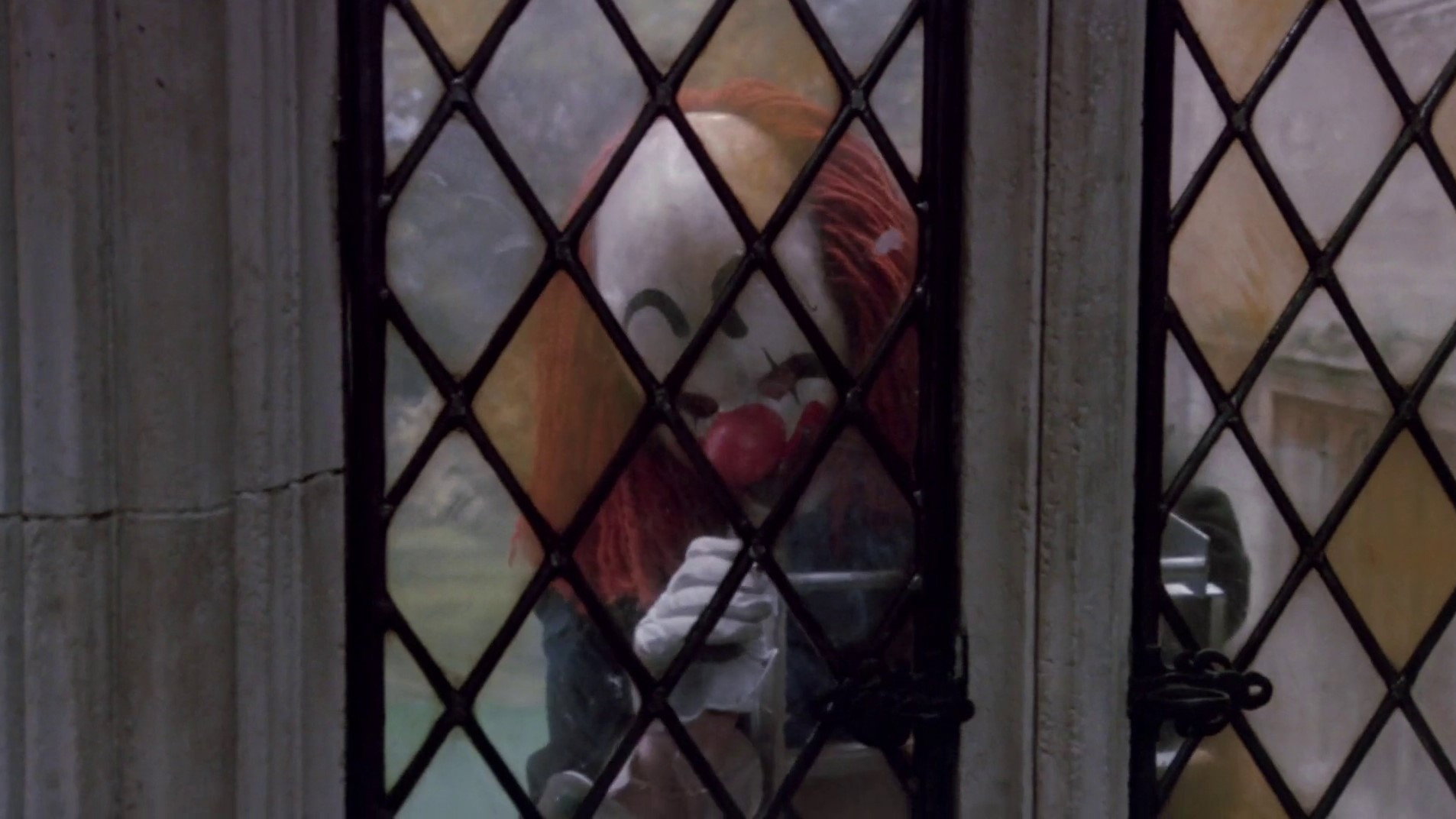
Ken Adam’s production design gives their antagonism somewhere suitably oppressive to develop. Wyke’s mansion and its gadgets are entertaining to inspect, but spending time there begins to feel like being detained by a host who has decided that everyone is enjoying themselves. Oswald Morris’s photography makes the house feel enclosing without letting it overwhelm the performers. The setting keeps drawing our attention back to the man who owns it, and to the advantage of making someone else play on home ground.
Mankiewicz does not seem embarrassed by the theatrical scale of the acting. That is sensible: a more subdued treatment would strip much of the fun from two people working so hard to wrong-foot one another. He allows the class resentment to remain visible beneath the display of ingenuity, which gives the exchanges a nastiness that mere puzzle-solving could not supply. We are interested in who gets to talk down to whom, long before we need an explanation of how anything has been arranged.
Richard Marden’s editing is most effective when it gives the exchanges room to develop instead of hurrying towards the next surprise. John Addison’s music helps sustain the air of a game, though the voices provide the more compelling accompaniment. There is enough confidence in the performances to make stretches of talk feel eventful. The dialogue remains the main attraction, as it should in a contest whose participants are so determined to sound in control.
At 138 minutes, it is longer than this material comfortably needs. Some of the tricks feel imposed on the audience, and the repeated invitation to admire them starts to wear thin. This is where a puzzle thriller needs restraint: once we begin looking for the writer’s next manoeuvre, the people can become less interesting. Caine and Olivier repeatedly recover our attention, but a tighter film would leave less work for them to do.
We would recommend it most readily to anyone who enjoys listening to people compete. There is a good deal of pleasure in being allowed to watch Caine challenge Olivier at such close quarters, even when the plotting tries our patience. Allow for the length, and settle in for two actors being extravagantly unpleasant to one another.