Neil Jordan’s gothic vampire drama is worth seeing for Tom Cruise’s malicious wit and Kirsten Dunst’s forceful presence. Its domestic quarrels are more compelling than its reflections on eternity, and the repeated bouts of remorse test our patience.
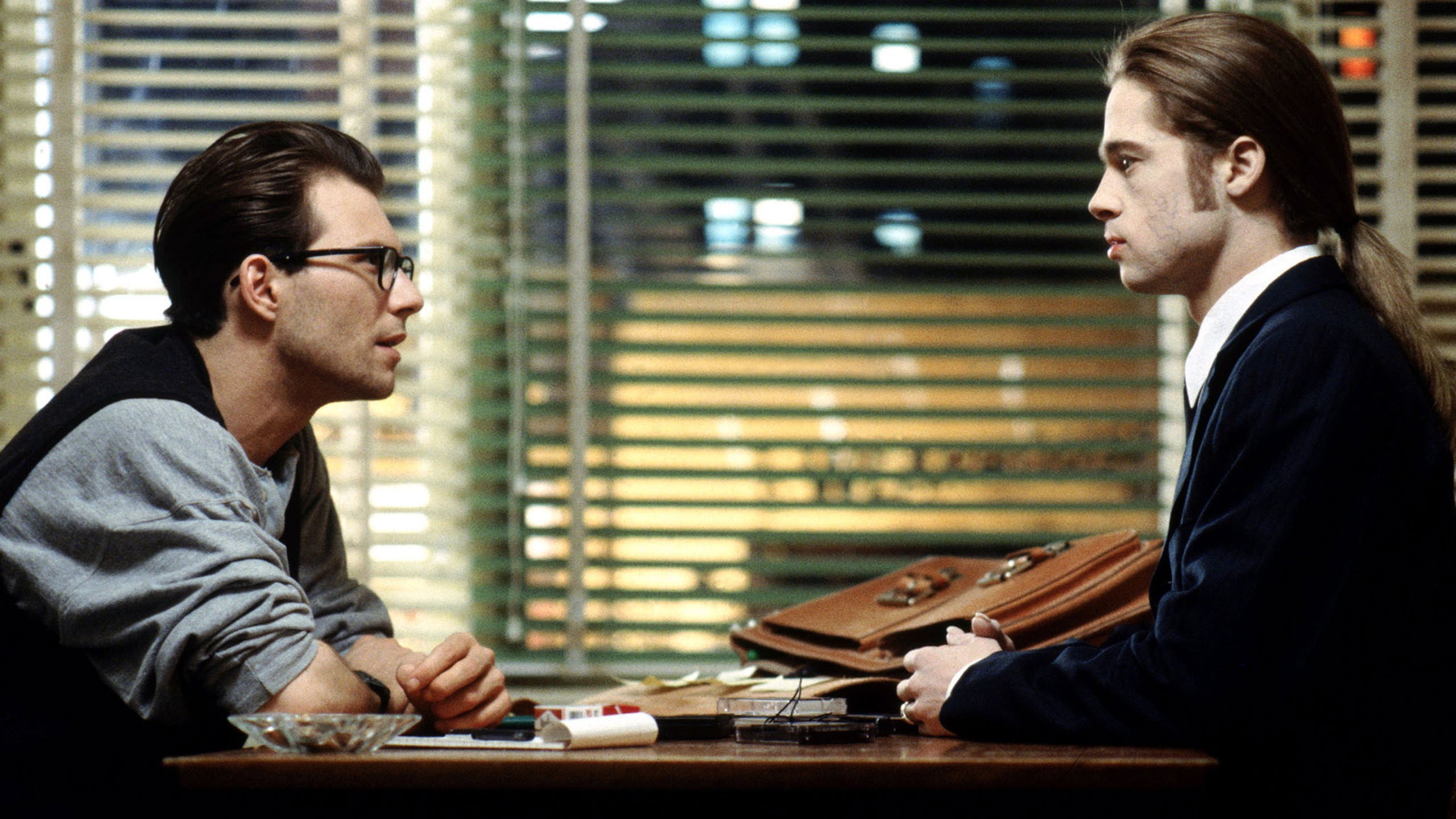
Neil Jordan’s Interview with the Vampire is a good gothic drama that spends too long listening to its characters complain. We can forgive much of that because their efforts to live together are often funny and disturbing. Anne Rice adapts her own novel, and the interest lies in how Lestat and Louis manage to live together when they cannot agree about the business of being vampires. Jordan gives their quarrels enough feeling to make the domestic arrangements matter.
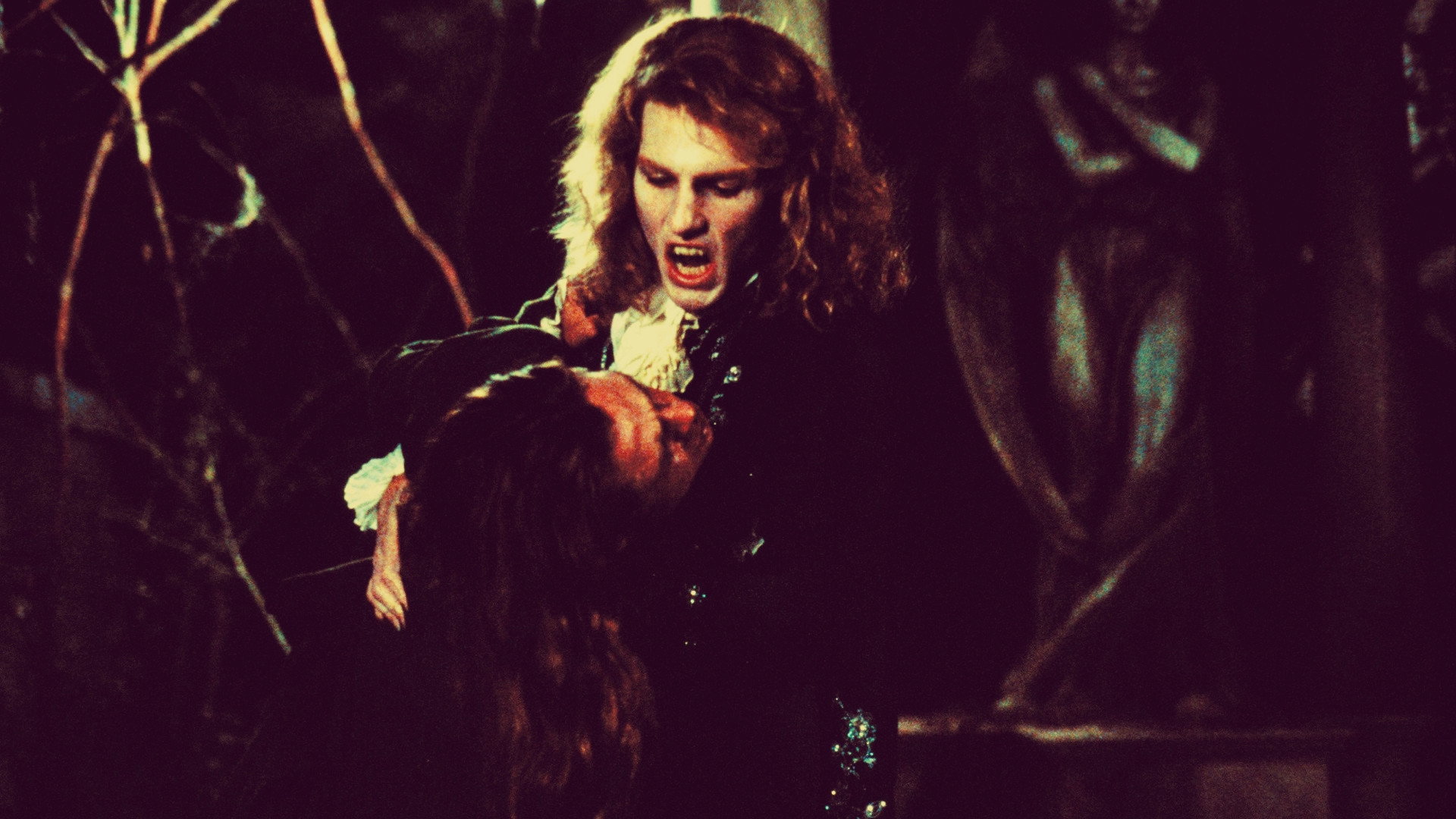
Tom Cruise understands the value of letting Lestat enjoy himself. His vanity and appetite for control make him unpleasant company, yet Cruise gives that unpleasantness enough humour to keep us interested. We laughed at the pleasure he takes in being monstrous, then felt slightly ashamed of ourselves. The performance makes his wish for domestic harmony seem particularly selfish: he wants companions, provided they can learn to enjoy things his way. It gives Jordan a useful source of comedy without asking us to forget what Lestat is.
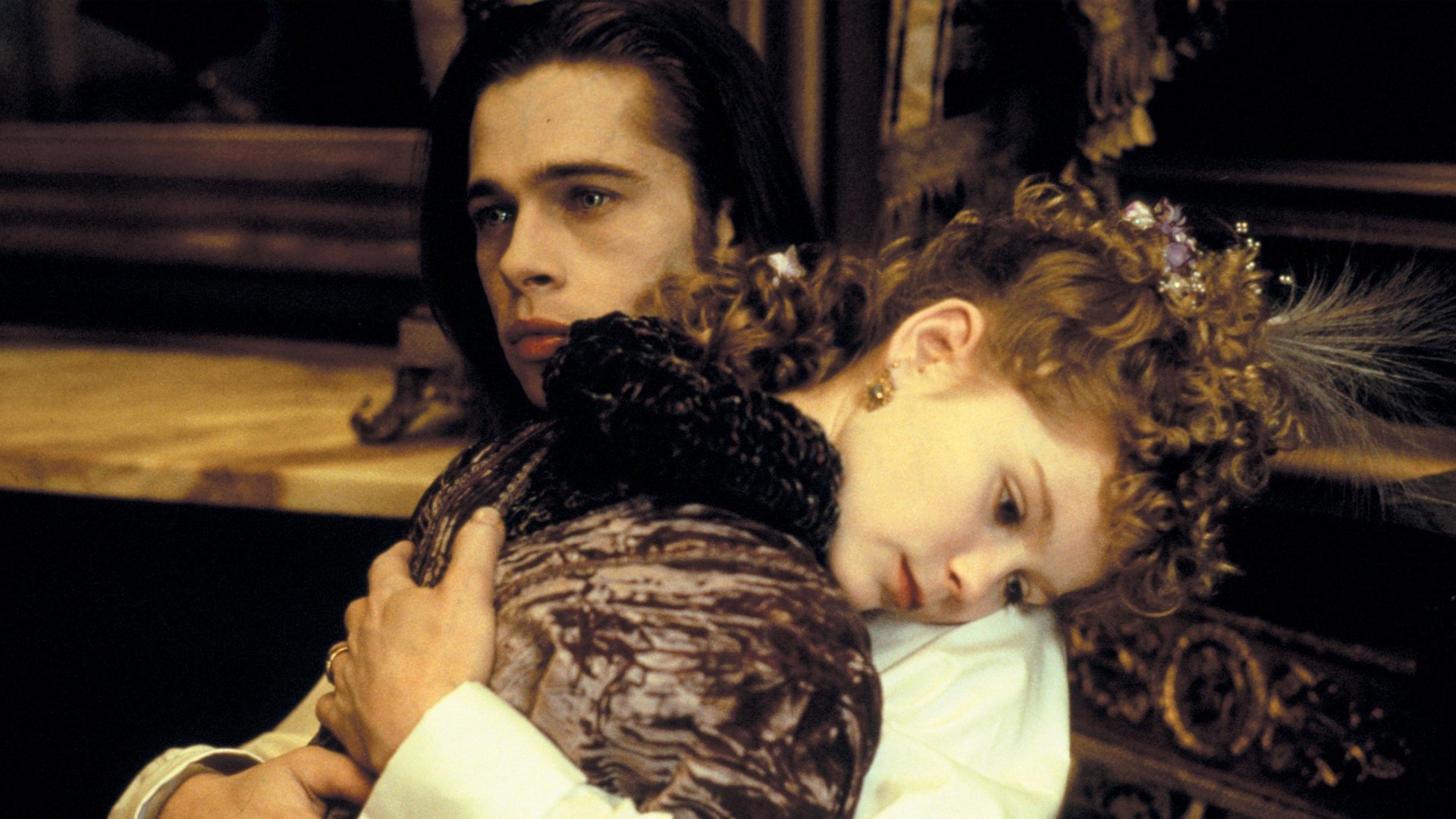
Brad Pitt’s Louis has the harder job, carrying remorse through a film that keeps requiring him to express it. His unhappiness gives Cruise something to work against, but Pitt’s solemnity grows wearing when the writing offers another variation on the same complaint. Kirsten Dunst is more forceful as Claudia, giving the child vampire an anger that demands attention rather than sympathy. Her scenes bring a welcome sharpness to a household in which the adults can spend too long explaining how difficult everything is.
Dante Ferretti’s production design gives the gothic opulence enough detail to reward looking beyond the performers. Philippe Rousselot’s cinematography makes those surroundings feel oppressive, so that all the luxury offers surprisingly little comfort. Sandy Powell’s costumes make Lestat’s vanity easy to believe before Cruise does anything to help. The risk is that the rooms and clothes become more absorbing than the conversation, and there are passages when we would happily let the cast stop talking and inspect the place.
The editing by Mick Audsley and Joke van Wijk does not solve the repetition in Rice’s screenplay. Once Louis’s discomfort is clear, the film keeps making room for it, and some stretches need a firmer decision about how much melancholy is enough. Elliot Goldenthal’s music gives that sorrow weight, although its solemnity can prolong the mood when the drama needs to move on. Those repeated discussions leave Louis seeming less complicated as the film goes on.
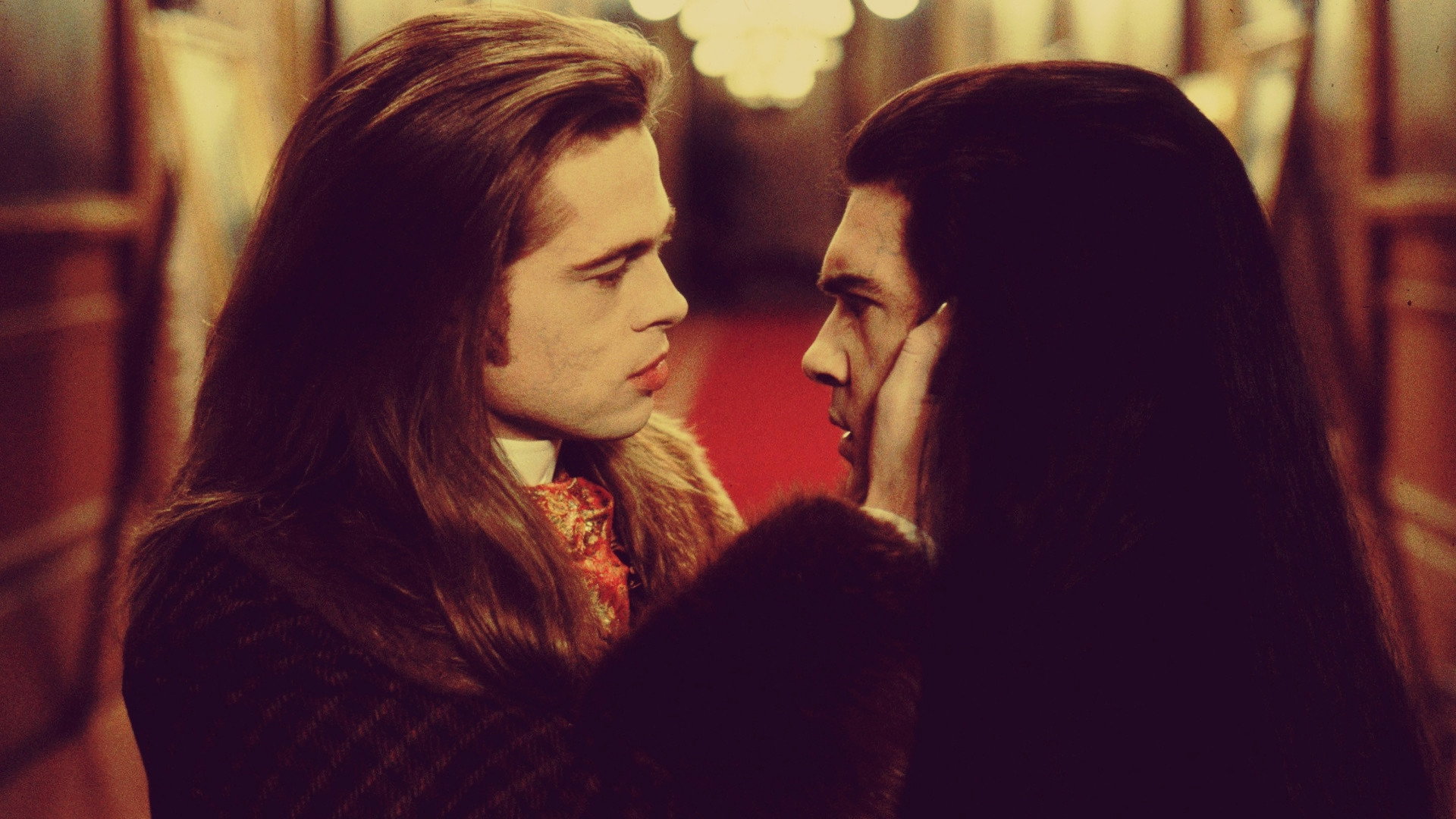
As horror, the film works best when the relationships themselves become disturbing. The attraction between Lestat and Louis, and the demands of their shared life with Claudia, give vampirism consequences beyond the next victim. Jordan can be creepy and shocking, but anyone expecting a steady succession of scares will find long stretches given over to unhappiness and recrimination. Within the vampire genre, this attention to living with the condition is worth having, even when the dialogue about immortality offers little that their behaviour has not already told us.
This is an evening for viewers who enjoy horror with room for difficult company and uncomfortable affection. It runs 123 minutes and carries an 18, neither of which should be mistaken for a promise of constant shocks. Bring an appetite for gothic excess and a reasonable tolerance for someone else’s relationship problems.