Neil Jordan makes fantasy feel uncomfortably domestic and gives morally doubtful people enough humour to hold our attention. We rate him when he lets their behaviour explain them; prolonged speeches about their condition are harder going.
Fi1m perspective
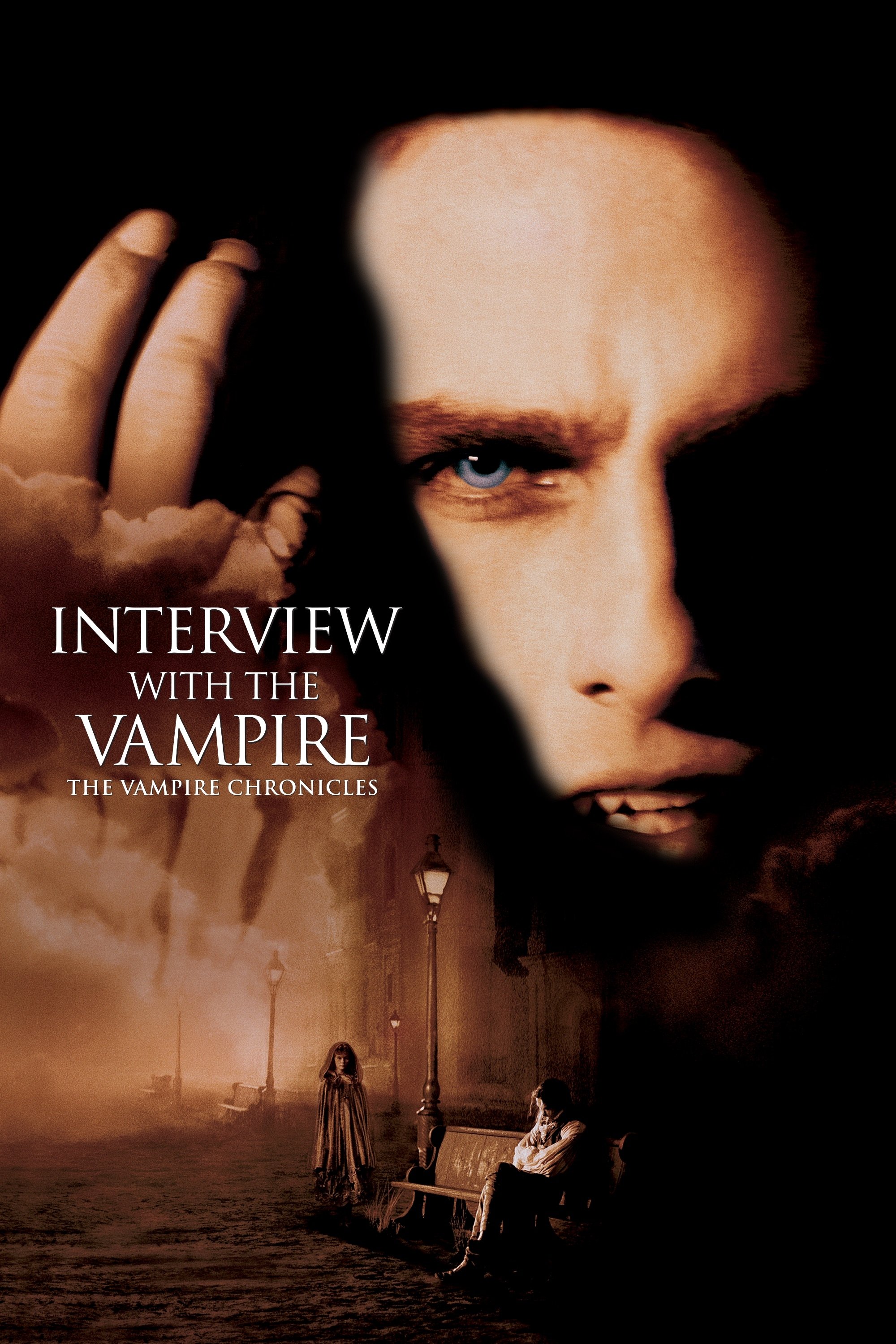
In Interview with the Vampire (1994), Lestat wants company, provided everyone learns to enjoy things his way. Neil Jordan makes that selfish wish funny and disturbing, and the household’s quarrels give us more to care about than the talk of eternity. We laughed at Tom Cruise’s pleasure in being monstrous, then felt slightly ashamed, because his charm never makes Lestat any less controlling. That is Jordan at his most persuasive: interested enough in an unpleasant character to find the comedy without excusing him.
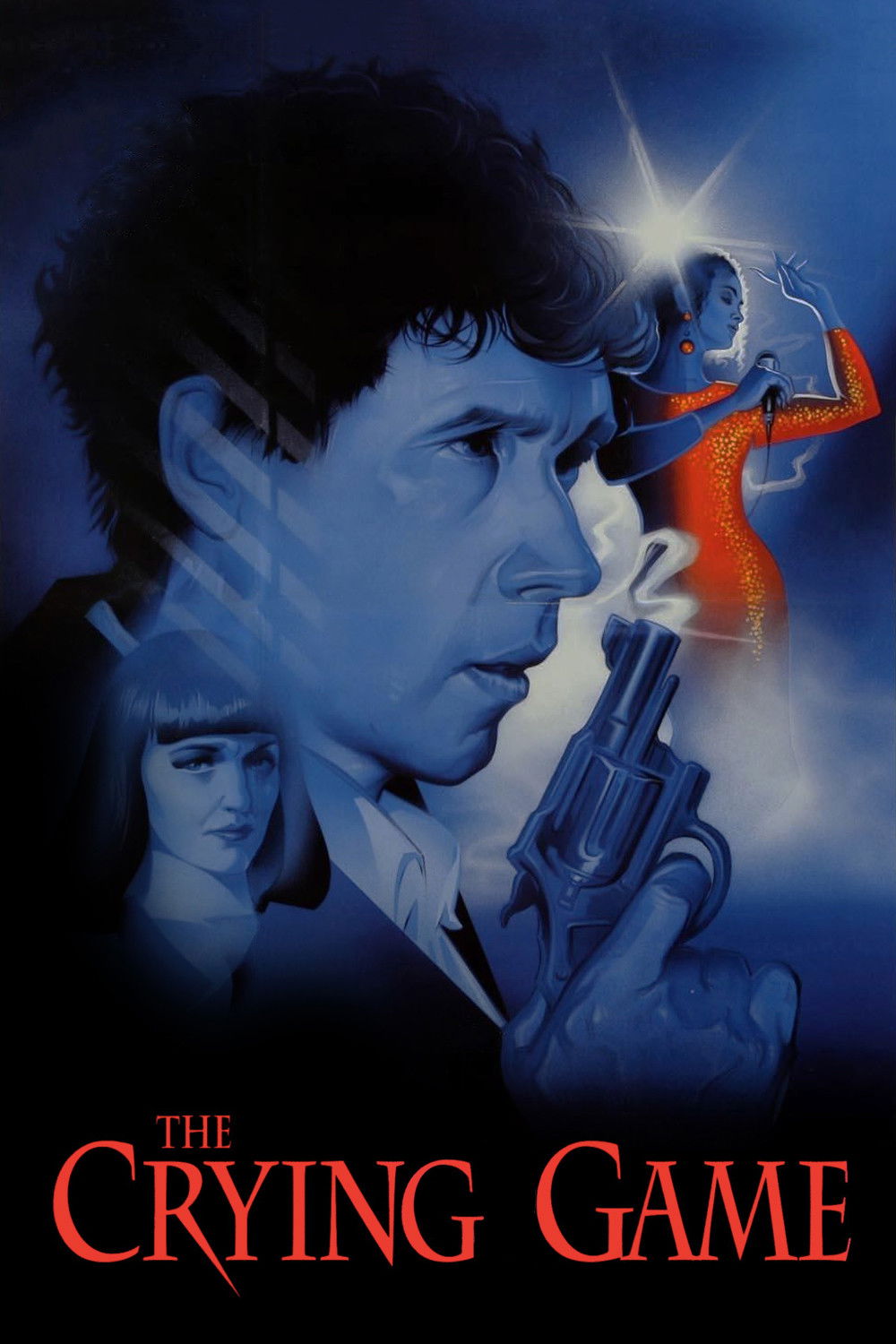
His first feature, Angel (1982), began a long collaboration with Stephen Rea. Rea’s nuanced work in morally ambiguous roles is a useful fit for a director repeatedly drawn to people whose sense of themselves changes under pressure. Mona Lisa (1986) brought wider attention through its study of obsession and the London underworld. With The Crying Game (1992), the international breakthrough, identity and loyalty became the basis for a screenplay that keeps changing what we understand about its characters.
The studio adaptation Interview with the Vampire brings those interests into a shared home. Anne Rice adapts her own novel, and Jordan gives Lestat and Louis’s disagreement about being vampires enough feeling to make the arrangement matter. Their attraction, and the demands of living with Claudia, make the relationships disturbing without requiring a constant supply of scares. Cruise’s malicious wit is crucial: Jordan allows the pleasure of his company to complicate our response, while keeping his vanity and appetite for control in view.
The later films kept moving between literary adaptations, drama and genre work. Breakfast on Pluto (2005) revisited gender and identity as an episodic, comic coming-of-age story, while Byzantium (2013) continued the attraction to the supernatural. The later Marlowe (2023) drew criticism for revisiting familiar territory without the earlier impact.
Even in Interview with the Vampire, the remorse goes on too long. We become impatient when dialogue about immortality repeats what the characters’ behaviour has already made clear, and anyone looking for sustained scares has a considerable amount of recrimination to sit through. Start here for Cruise and for Jordan’s attention to the trouble these people have living together; expect to wish, occasionally, that someone would stop complaining.
Biography
Neil Jordan is an Irish film director, screenwriter and novelist. Born in Sligo in 1950, he began his career as a writer, publishing the short-story collection Night in Tunisia in 1976 before moving into film with his directorial debut Angel (1982).
Jordan is best known for The Crying Game (1992), which he wrote and directed, and for directing Interview with the Vampire (1994). His other notable films include Mona Lisa (1986), Michael Collins (1996), Breakfast on Pluto (2005) and Greta (2019). He won the Academy Award for Best Original Screenplay for The Crying Game.