Neil Jordan’s romantic thriller earns our sympathy through Stephen Rea and Jaye Davidson, even when the plotting gets too clever. The relationship is convincing enough to forgive a little manipulation.
Neil Jordan’s The Crying Game is a persuasive romantic thriller with a weakness for making its plot cleverer than it needs to be. We recommend it for the performances, especially Stephen Rea’s, and for the care it takes over a man beginning to question his loyalties. Jordan writes and directs with a useful willingness to let affection complicate his thriller. The danger matters because it bears on people whose feelings are already difficult enough.
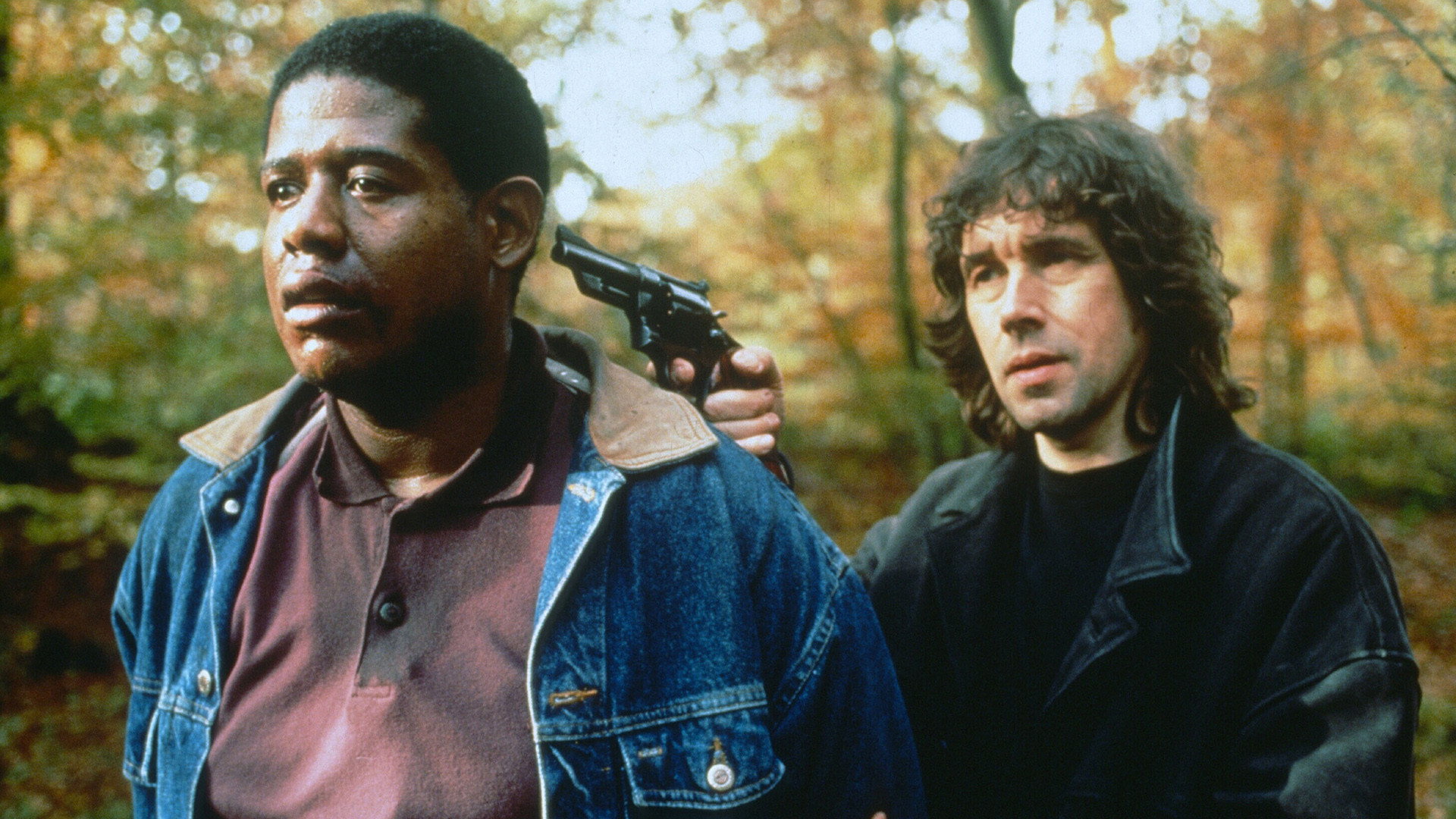
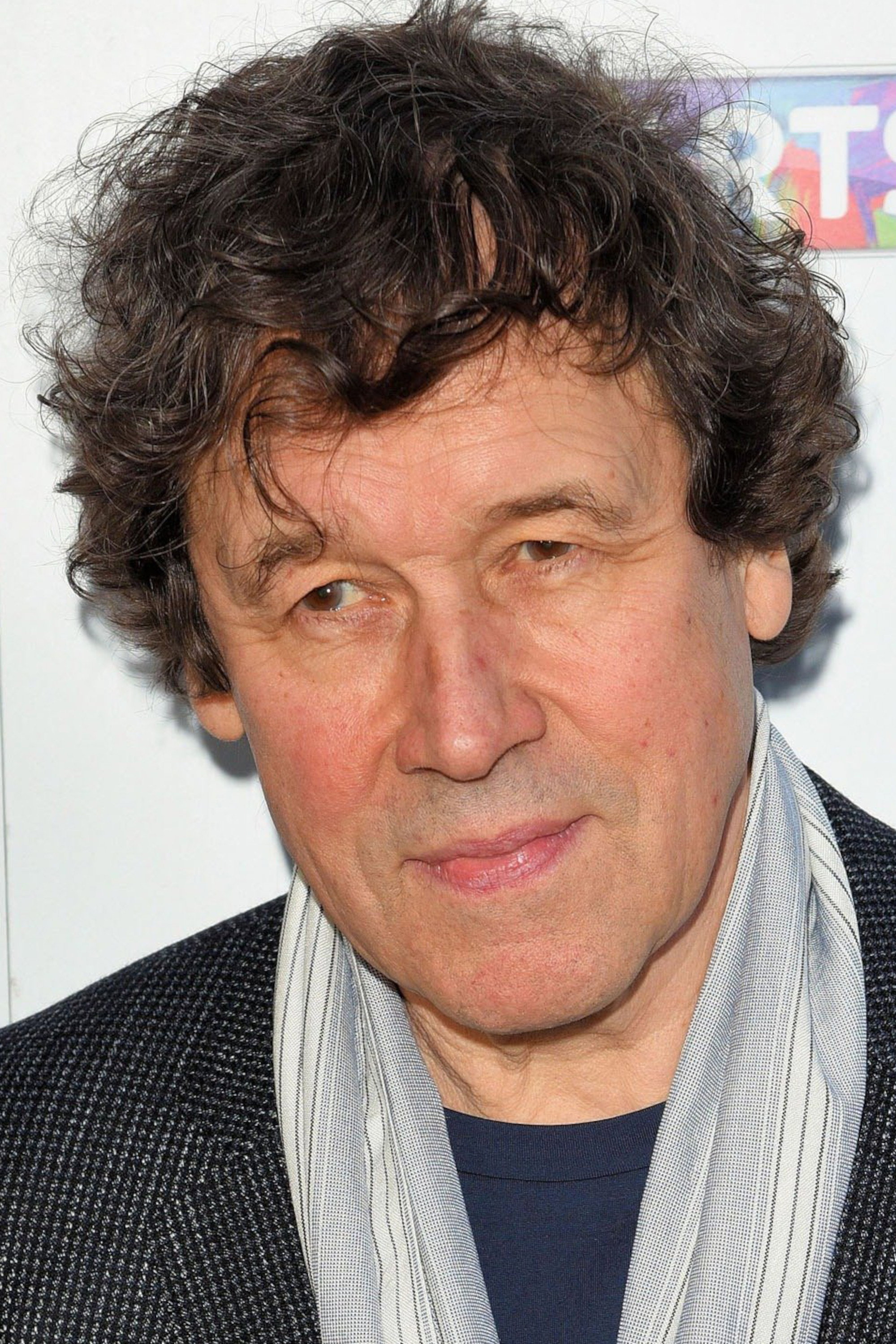
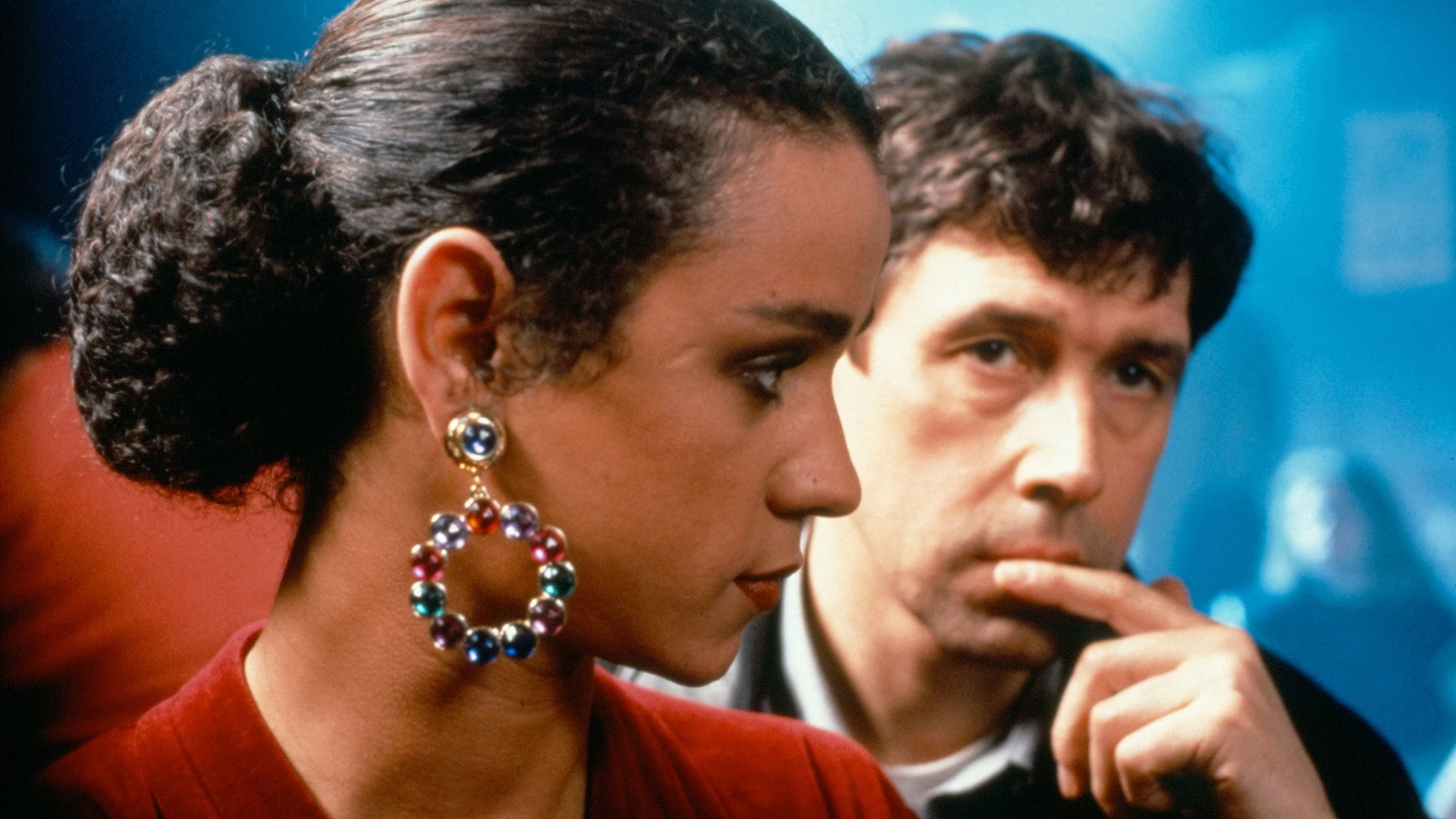
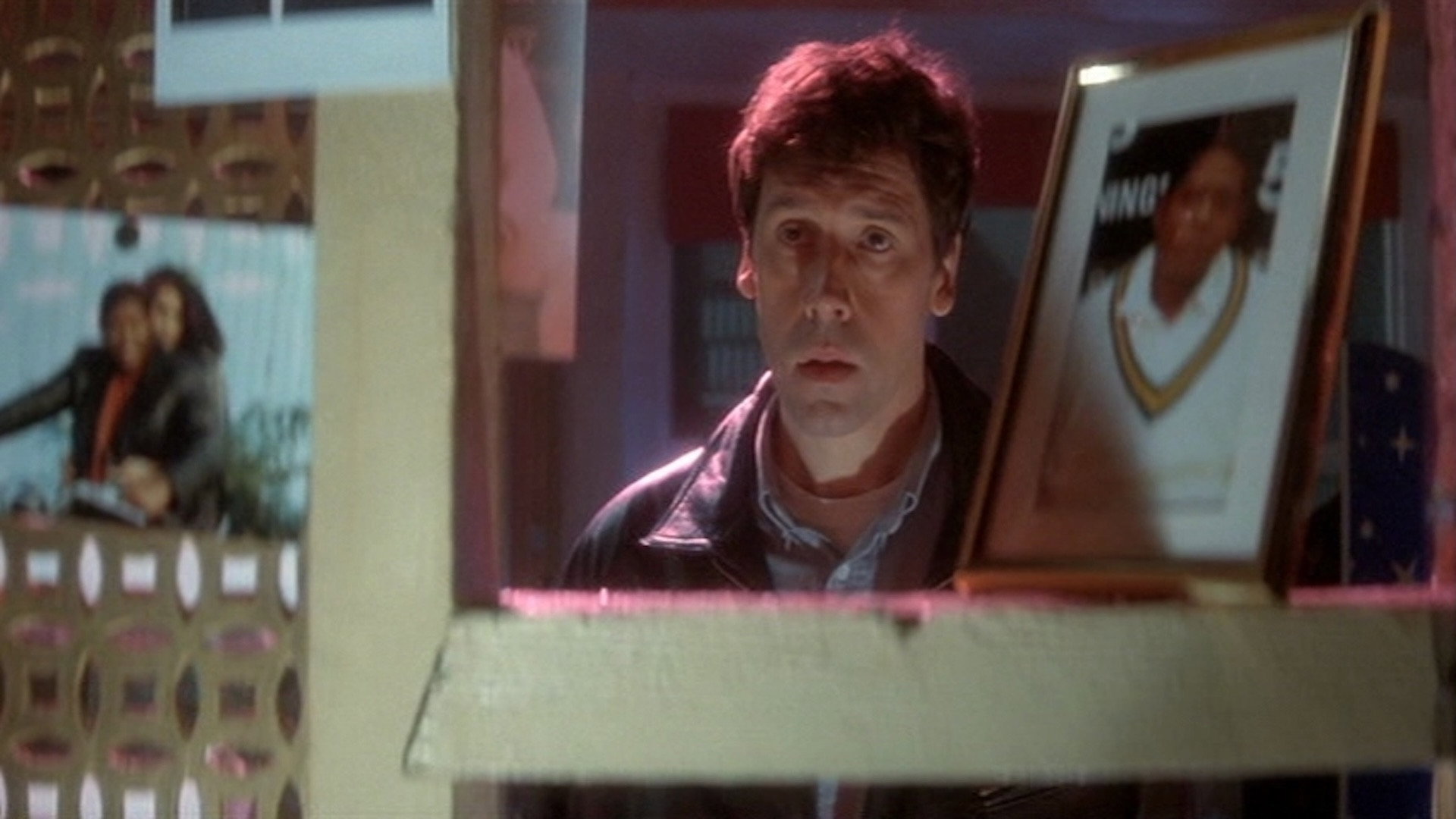
Rea plays Fergus, an IRA gunman, and gives his uncertainty an uncomfortable weight. There is guilt in the performance, but Rea does not make it an invitation to forgive him. We were moved by the discomfort he brings to Fergus’s attraction to Dil: wanting someone seems to give him even more to be frightened of. The performance allows us to care about him without making the violence around him seem less serious.
Jaye Davidson’s Dil gives the romance an equally important source of uncertainty. Davidson keeps us interested in Dil beyond what the relationship means for Fergus, which matters in a screenplay so occupied with his feelings. The attraction has an awkwardness that suits a story about lonely people who cannot readily trust one another. Jordan’s strongest writing allows their attachment to remain difficult, even when we begin to hope it might bring them some comfort.
Ian Wilson’s cinematography serves Rea particularly well: his face holds our attention without every feeling needing to be made obvious. We can spend time watching Fergus struggle to decide what he thinks. Jim Clay’s production design is similarly effective at keeping the people more memorable than their surroundings. We remember the faces before the rooms, which suits a film that asks us to pay such close attention to its actors.
Kant Pan’s editing helps the changes of emphasis feel manageable, even when Jordan’s screenplay asks for considerable adjustments in our expectations. The movement between political thriller and romance is confident enough that neither feels like an interruption. Anne Dudley’s score is less restrained than we would like when the relationship itself already supplies sufficient feeling. It is a small objection, but the actors are persuasive enough without that extra encouragement.
The larger problem is Jordan’s fondness for surprise. At times we become conscious of the screenplay arranging our response, and start attending to its manoeuvres instead of the people. Miranda Richardson’s Jude is another limitation: her forcefulness feels too emphatic beside the uncertainty Rea makes so convincing. Her performance leaves less room for the mixed feelings that make the central relationship worth following, and the contrast can make her seem to belong to a simpler thriller.
Crime thrillers often lose interest in affection once it has provided a reason for someone to behave recklessly. Jordan keeps asking what happens to loyalty when desire makes obedience difficult, and the actors make that question worth pursuing. That is enough to outweigh the conspicuous plotting, though anyone seeking a thorough account of political conviction may find the film too ready to turn towards romance. See it for Rea and Davidson, and allow Jordan a little more contrivance than they need.