Neil Jordan’s Mona Lisa is a moving crime romance, carried by Bob Hoskins’s bruised, hopeful George. Its later thriller business is less convincing, but the uneasy attachment between Hoskins and Cathy Tyson is worth the trouble.
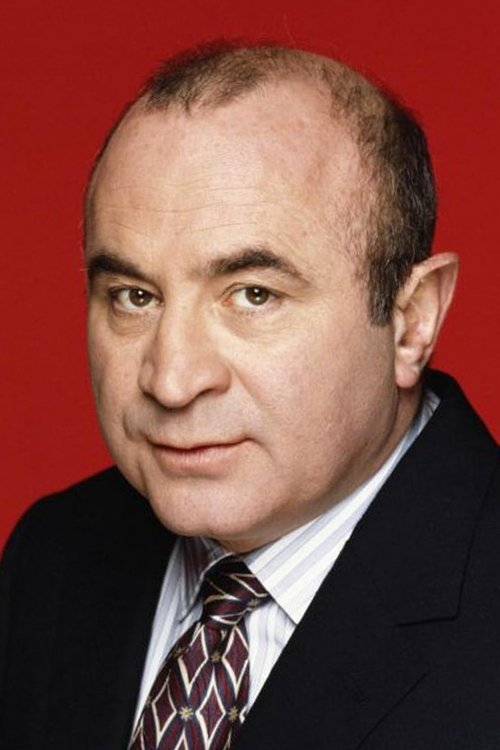
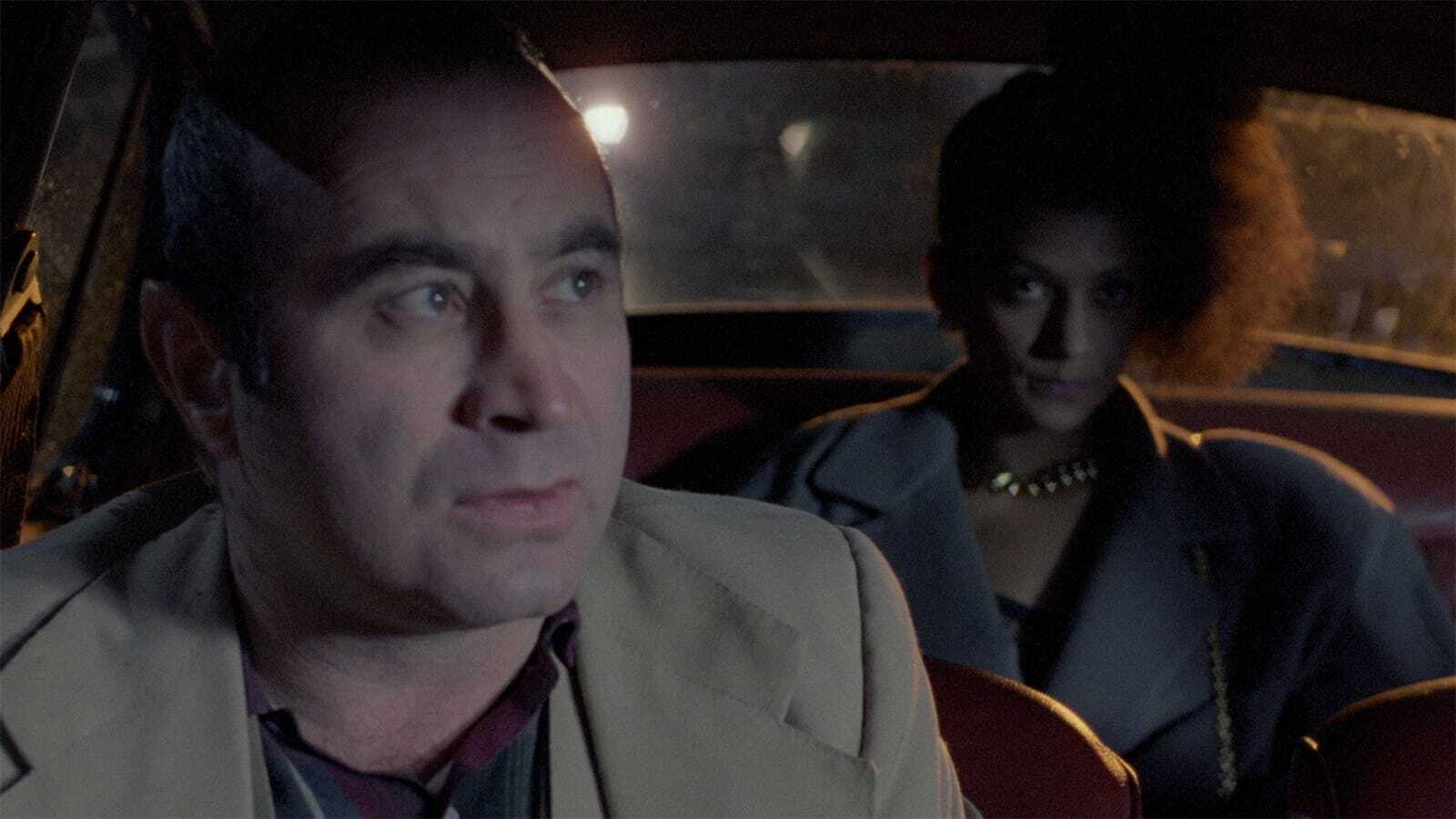
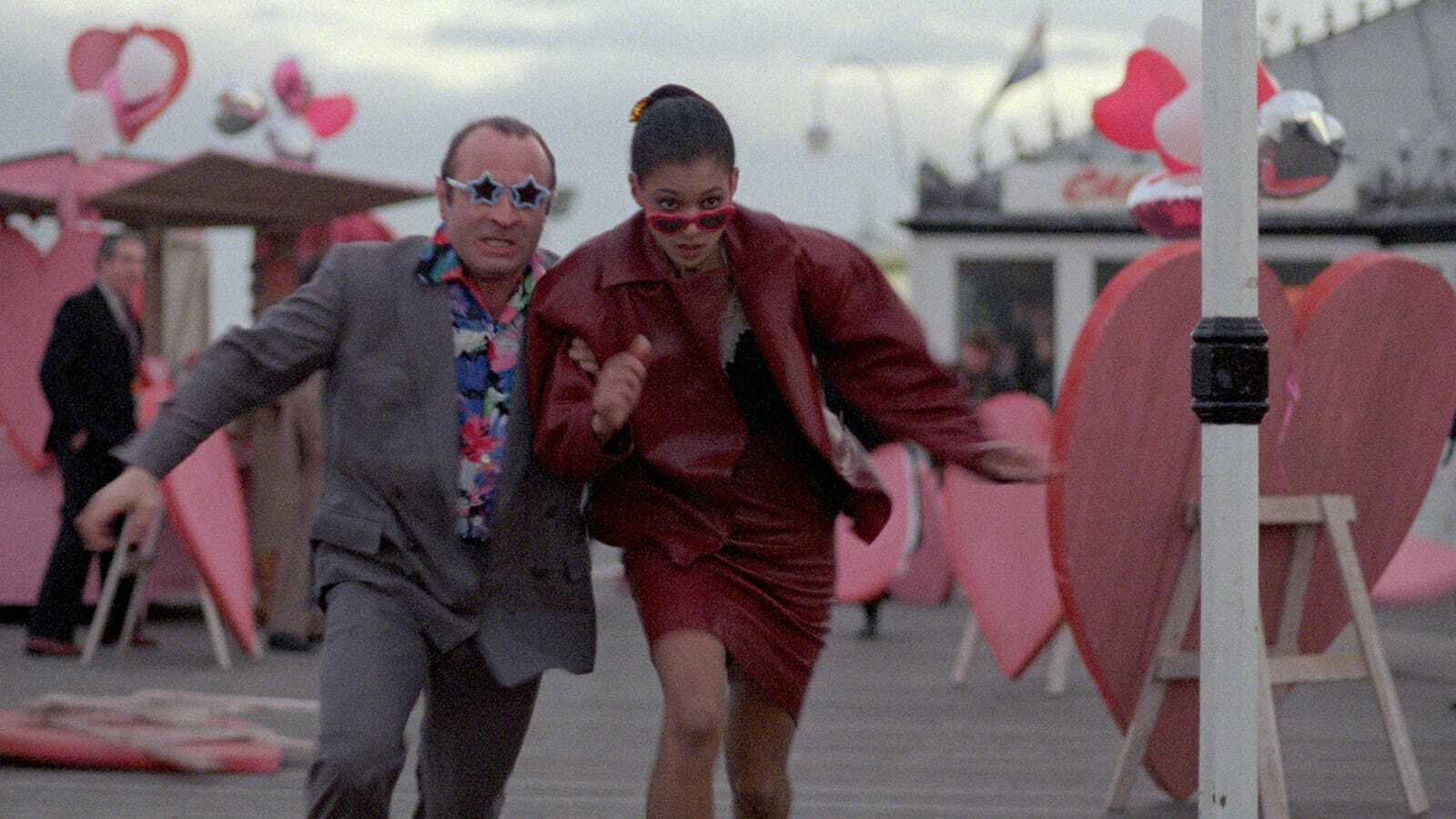
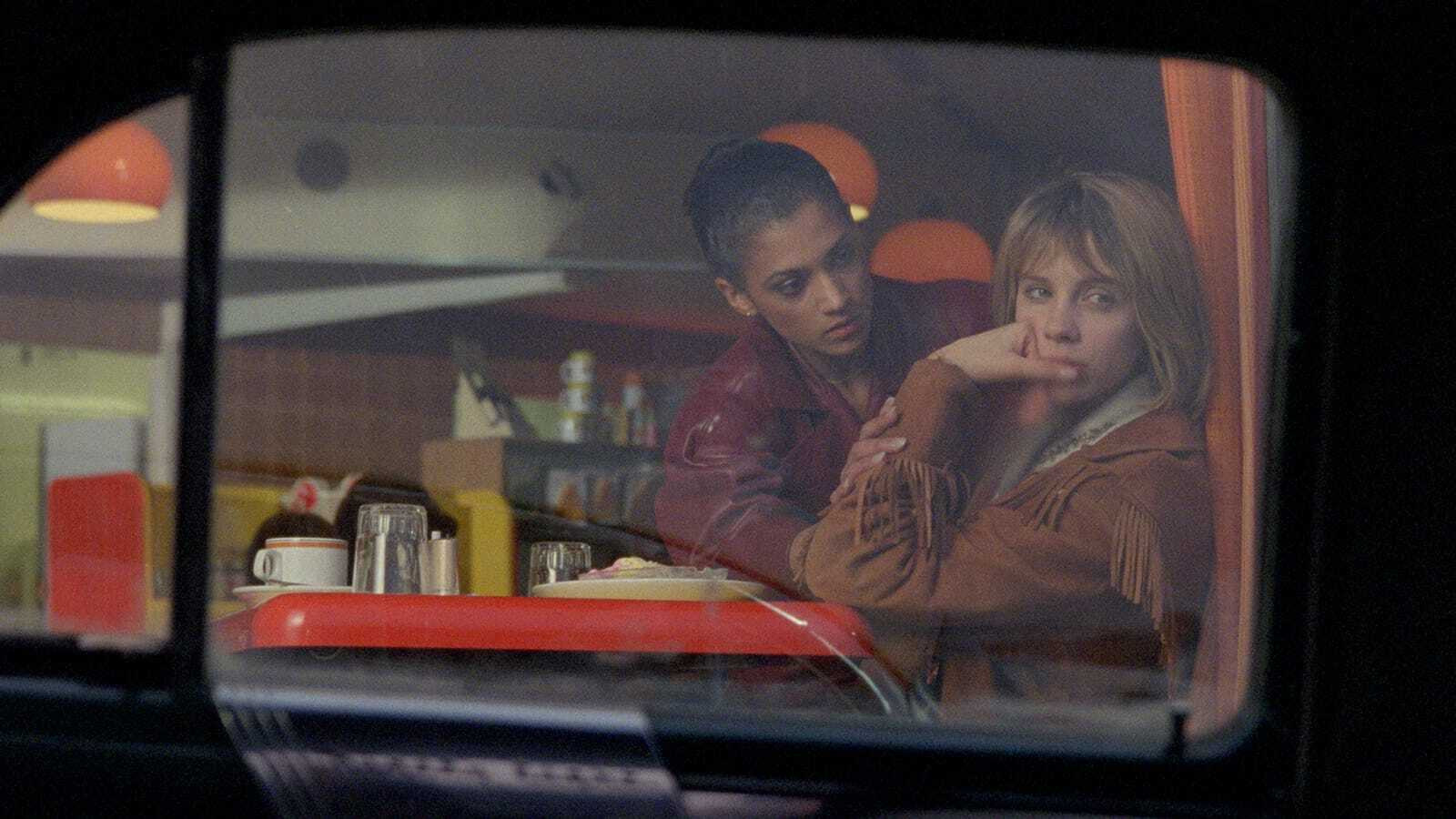
Neil Jordan’s Mona Lisa is a moving love story whose criminal plotting occasionally lets it down. George, played by Bob Hoskins, is an ex-convict employed to drive Simone, the sex worker played by Cathy Tyson. The job takes him into London’s underworld and gives him someone to fall in love with. Jordan and co-writer David Leland make his need for affection the reason to follow him, even when his judgement gives us cause to worry.
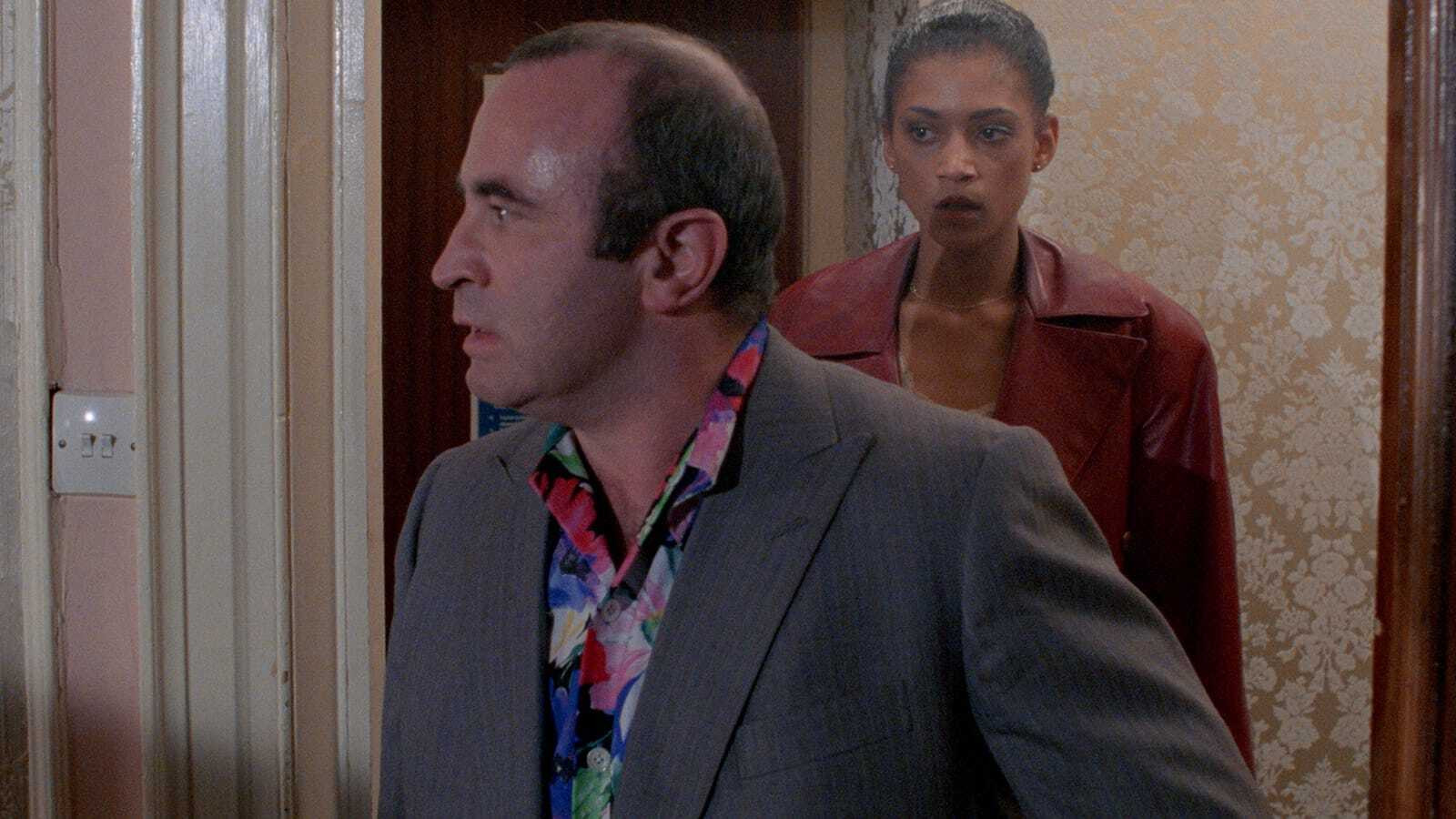
Hoskins gives George an awkwardness that survives every attempt to seem certain of himself. The early comedy with Simone works because his bluster is so easy to see through, even when he thinks he has made himself understood. We laughed at him, then felt sorry for him, because Hoskins makes his wish to please her painfully obvious. He can be a difficult man to like, and the performance allows that difficulty to remain.
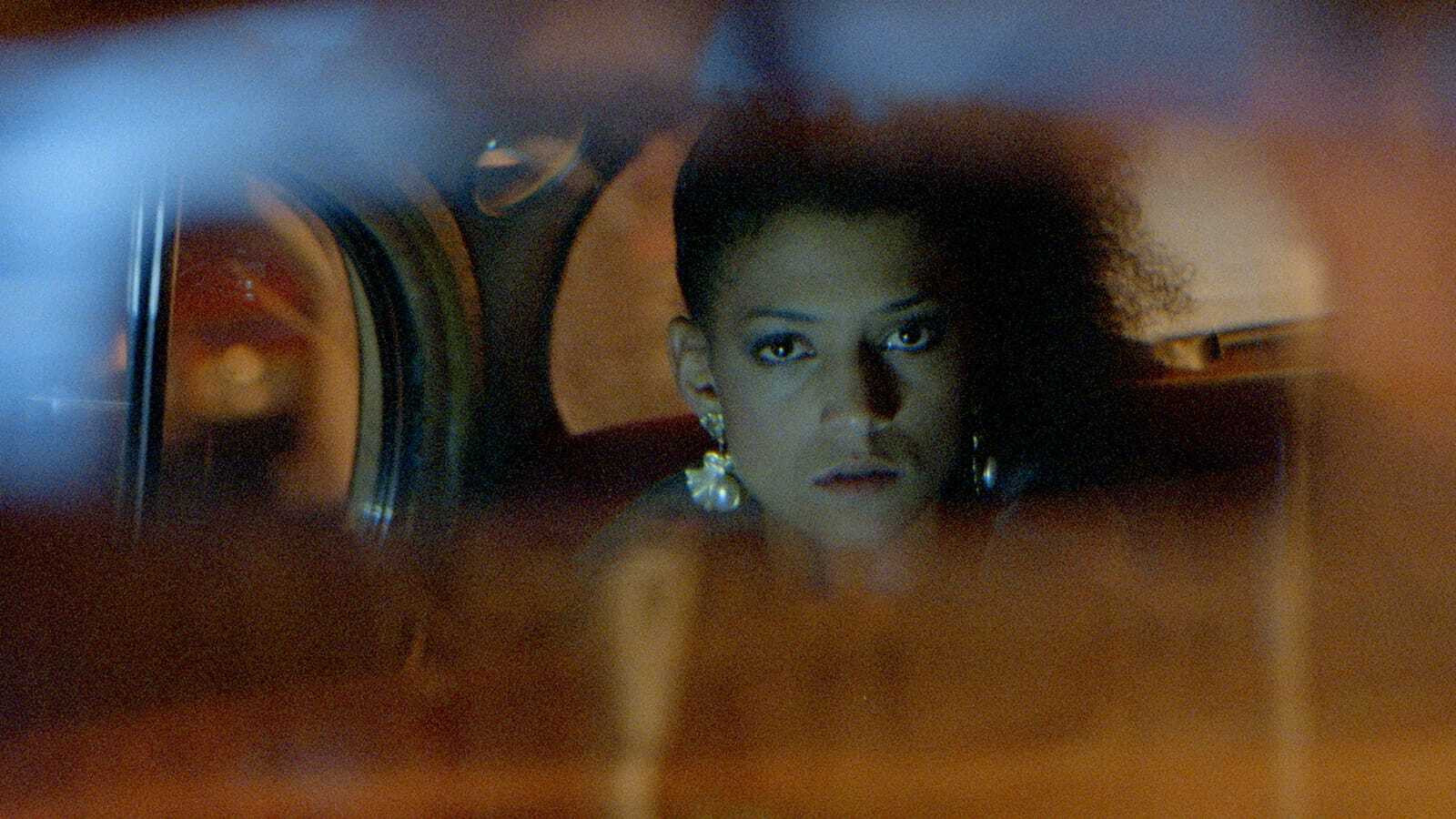
Tyson is essential to this, keeping Simone sufficiently detached that George’s enthusiasm never becomes a reliable account of their relationship. Her restraint makes us attend to how much he wants from her and how little he knows about her. There is a limit to the writing here: spending so much time with his feelings leaves less space for hers. Tyson gives Simone a life we cannot readily read, although the screenplay sometimes relies too heavily on that uncertainty.
Roger Pratt’s photography makes London feel cold and socially divided, giving George’s isolation a setting we can believe. Jamie Leonard’s production design is effective at making differences in status apparent before the characters have to explain them. The visual polish occasionally makes the underworld seem too carefully arranged for our inspection. Mostly, it helps: George looks out of place, and the surroundings keep reminding us how little his own confidence is worth.
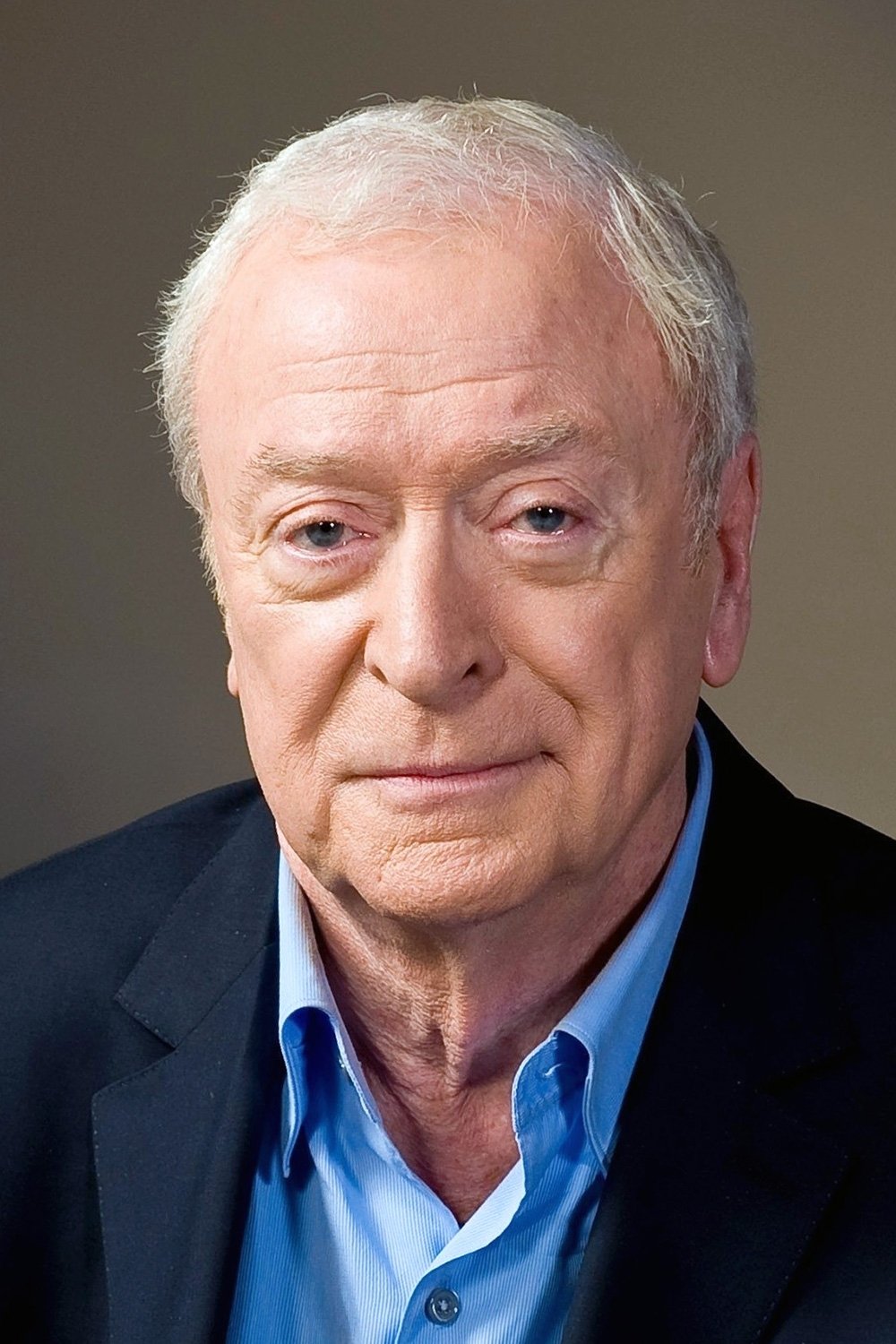
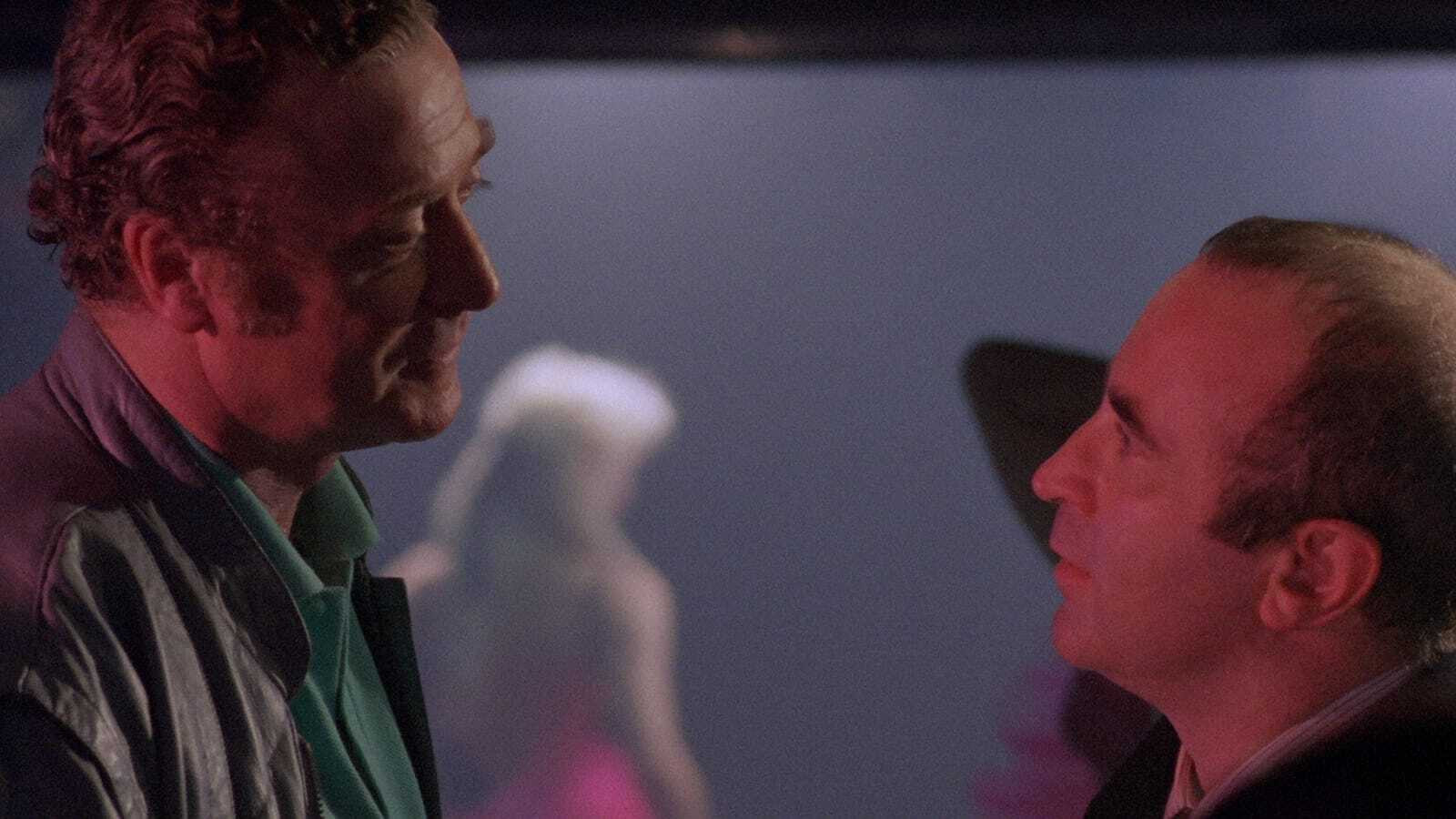
Lesley Walker’s editing serves the early exchanges well, allowing the comedy and the embarrassment to occupy the same conversation. Michael Kamen’s music helps us take George’s romantic feelings seriously, even while the performances give us reasons to question his judgement. Michael Caine makes Mortwell’s lack of warmth quietly unpleasant, without demanding the attention Hoskins earns. He is unsettling precisely because he seems so comfortable in this company.
The later plotting is less persuasive, pushing towards familiar thriller excitement after those uneasy conversations have given us so much to care about. Jordan and Leland make the characters serve the dangers around them, and some of the earlier unpredictability goes. We want a gangster romance to leave room for people to be awkward, even when that holds up the crime story. Jordan becomes too keen to get the thriller moving.
The reservations do not cancel the pleasure of watching these actors work, and Tyson deserves equal attention. Hoskins makes his feelings so visible that it is easy to overlook how carefully she keeps hers back. See it when a love story with some nastiness in it sounds like the right sort of evening.