Film review

Atlantic City

1980 · Directed by Louis Malle · 1h 44m · MPA R

In a sentenceWe wanted Burt Lancaster to get his confidence back, which is an odd thing to want from a crime film

CrimeDramaRomance

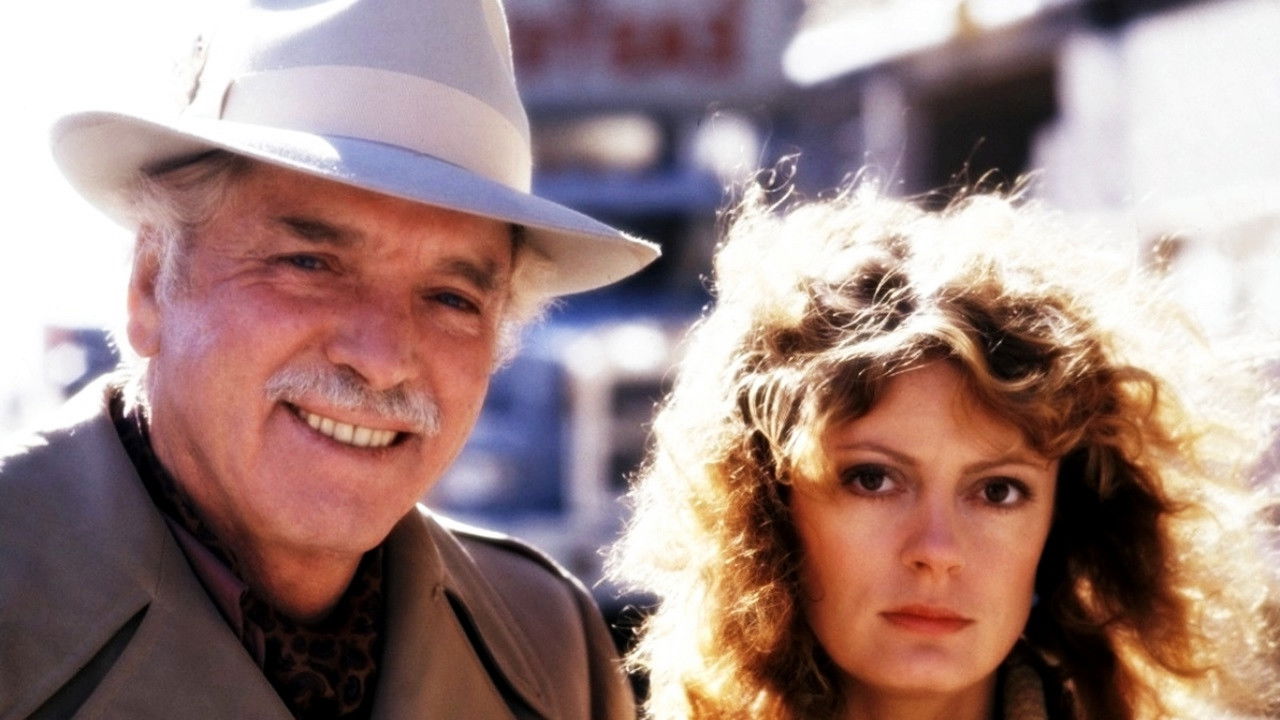
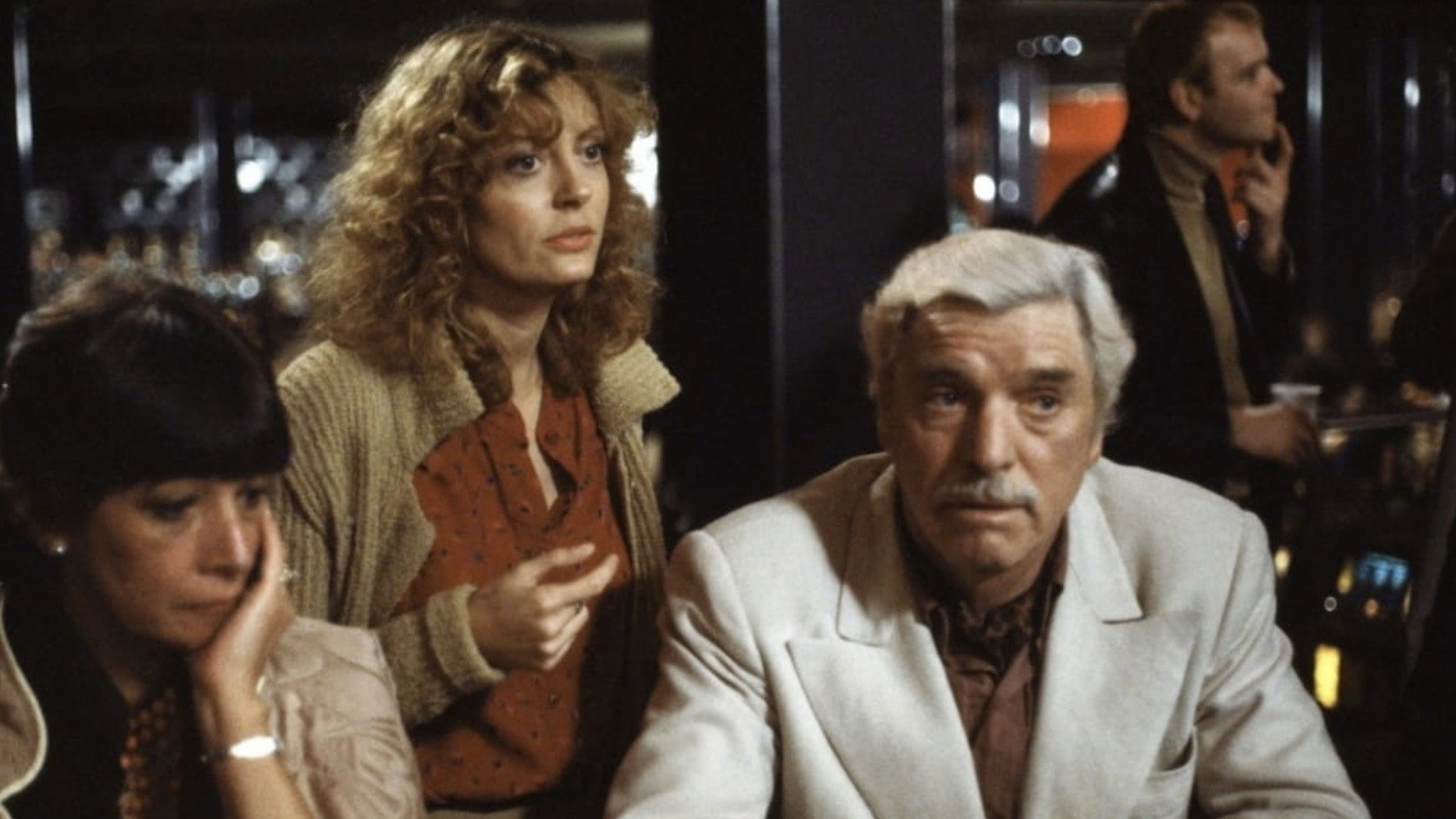
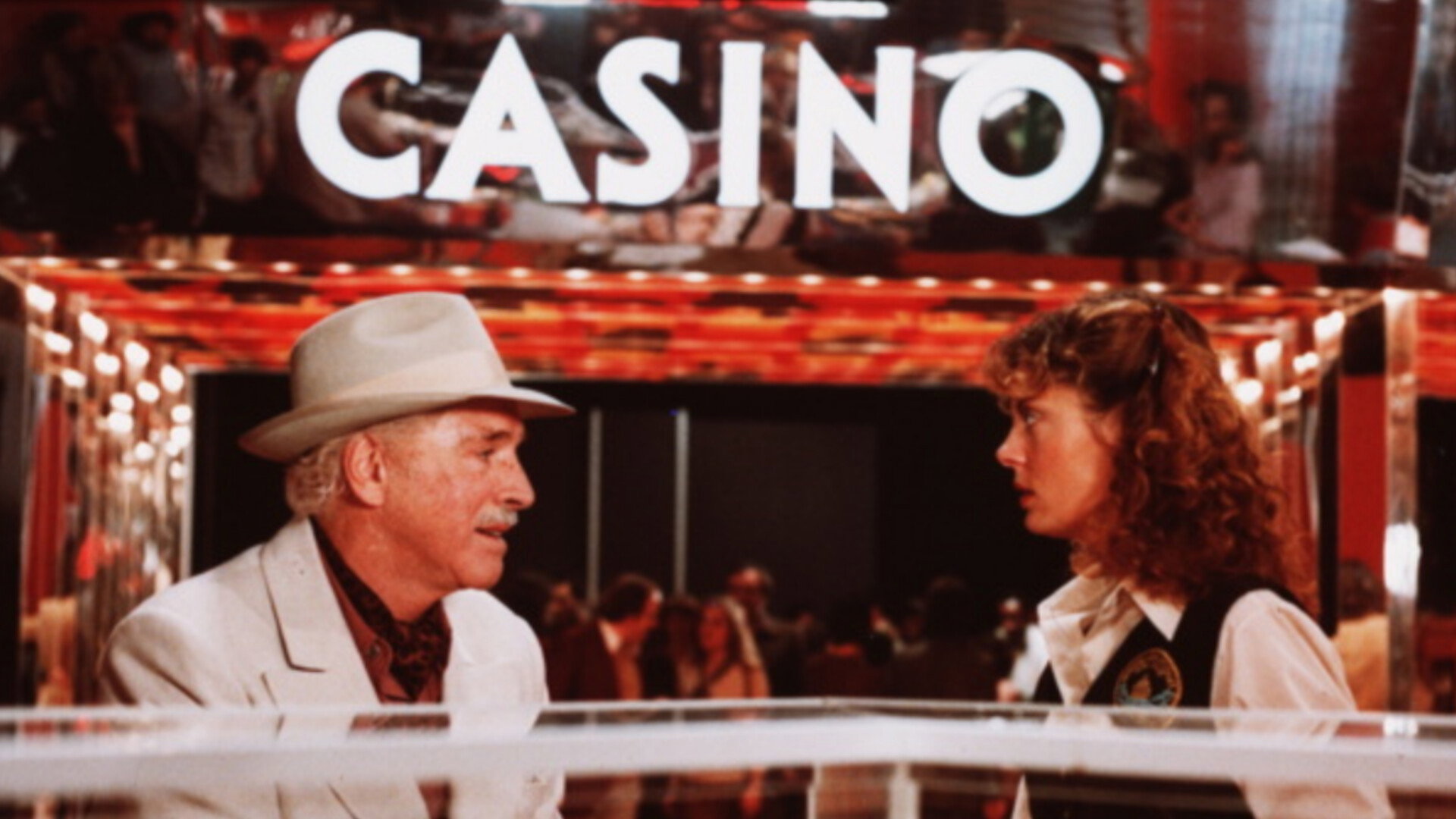
In Atlantic City, a casino resort in decline, Lou (Burt Lancaster) is an ageing petty crook who wants another chance at self-respect. His fortunes begin to shift when he crosses paths with Dave (Robert Joy), an opportunistic hippy. Sally (Susan Sarandon) is another of the town’s struggling residents, and Lou is drawn to her. Around them, the town is changing, leaving people with ambitions that their circumstances do little to support. Lou tries to find a place for himself while the resort he belongs to slips away.

Plays from YouTube when you press play; nothing loads from them until then.

Fi1m review

Louis Malle’s crime romance is warm, funny and worth lingering over, with Burt Lancaster making an ageing petty crook’s need for affection painfully clear. The fondness sometimes softens the danger, but Lancaster and Susan Sarandon make the romance count.

Atlantic City is a warm, quietly funny crime romance, and we recommend it with one reservation about its indulgence towards its central crook. Louis Malle and writer John Guare give an ageing small-time operator the attention usually reserved for a man with a much larger reputation. They take his wish for self-respect seriously, even when there is something faintly ridiculous about it. The crime matters, but the attraction is watching Burt Lancaster’s Lou try to feel worth somebody’s time.

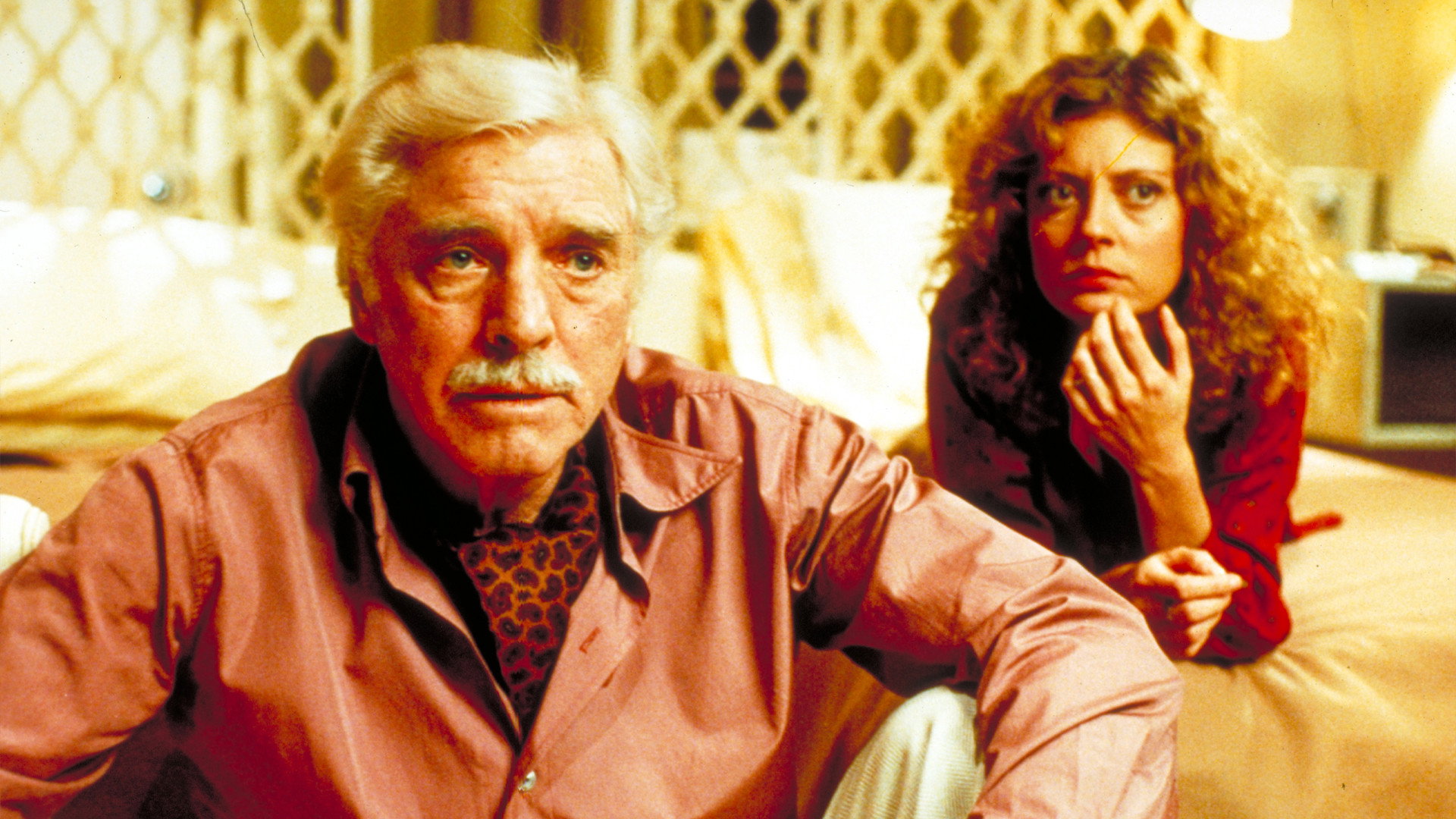
Lancaster is the chief reason this works. He lets Lou’s faded grandeur remain visible without asking us to accept it at face value, and the desperation underneath prevents the performance from becoming a comfortable display of charm. We felt protective of Lou. Lancaster lets the strain show through his attempts at dignity, so that even being agreeable looks like hard work.

Susan Sarandon’s Sally gives that performance someone to answer to. Their scenes have an uncertainty that is more engaging than a neatly declared romance: we can see the attraction without feeling that either person has become simple or entirely knowable. Sarandon keeps Sally from being merely an appreciative audience for Lou, and their relationship retains a useful awkwardness alongside the tenderness. Kate Reid, as Grace, also helps keep this from becoming a film in which everyone else exists to admire Lancaster.

Richard Ciupka’s cinematography gives the declining resort a beauty that does not make it look healthy. We can understand why these people remain attached to it, and still see why attachment might be a mistake. Anne Pritchard’s production design makes the city’s shabbiness feel like somewhere lives have been spent, with a past that matters to the people still living there. Malle keeps the changing town present around the actors, so Lou’s concern about being left behind needs little explanation.

Suzanne Baron’s editing gives the relationship room to develop without forcing every exchange to advance the crime story. That relaxed pace suits Guare’s humour, which depends on our interest in people whose ambitions have outlasted their prospects. Michel Legrand’s music encourages the romantic reading, occasionally more than the scenes need. The film is already tender enough for us to wish it would leave a little more of that feeling to the actors.

Our reservation is that Malle and Guare can be too forgiving. Their affection for Lou sometimes makes the criminal business feel less troubling than it ought to, and anyone looking for a tense thriller may find the gentleness frustrating. The pleasure of watching him recover some self-respect occasionally takes precedence over questioning how much respect he deserves. A little less indulgence would have made the romance more persuasive, without requiring the film to turn sour or start passing sentences on its characters.

Within the gangster genre, its interest in a small-time operator gives the familiar promise of changing fortunes a particular urgency. Lou needs to believe that his life could still amount to something, and Lancaster makes that need enough to hold our attention. At 104 minutes, the film allows space for regret without exhausting our patience with it. Choose it when there is time to watch the actors closely, and no great need for the next gunshot.


Critical consensus AI synthesised

83
Positive
8
Mixed
0
Negative
0

The reviews are uniformly positive, with praise centred on Burt Lancaster’s ageing small-time crook: critics repeatedly pick out his dignity, desperation and capacity for tenderness. Susan Sarandon also draws praise, particularly for her chemistry with Lancaster. Most critics find warmth in the film’s treatment of people living among the resort’s fading promises. Malle and Guare’s blend of crime, romance and comedy is another point of agreement, while the changing city earns attention as more than a backdrop.

The differences are chiefly in enthusiasm rather than in stated objections, with scores ranging from 75 to 90. The New Yorker stresses the originality of the comic tone and the depth of feeling; The AV Club offers the more modest praise of a gentle, warm, well-acted film that is easy to like. No review here mounts a substantial dissent or identifies a recurring weakness.

RogerEbert.com
4 December 2005 · Roger Ebert
90*

Ebert praises the film's gentle, sweet tone and the dignity Lancaster brings to his aging numbers runner character. He singles out the tender, subtle dynamic between Lou and Sally as particularly moving amid the decaying city setting.

Read the full review →
The New Yorker
6 April 1981 · Pauline Kael
90*

Kael lauds Lancaster's expressive, magnificent performance as the standout element and celebrates the rich, original comic tone achieved through the collaboration between Malle and Guare. She notes the film's lyrical grace and depth of feeling.

Read the full review →
The New York Times
3 April 1981 · Vincent Canby
90*

Canby calls the film a rich, romantic and perverse ghost story set in a haunted city, beautiful and squalid in equal measure. He highlights the excellent ensemble performances, especially Lancaster and Sarandon, and the mythic quality of the Atlantic City created by Malle and Guare.

Read the full review →
Time Out
10 September 2012 · GA
80*

The film is an eclectic mix of crime thriller, love story and fairytale, offering a generous look at fading aspects of American culture. Burt Lancaster delivers a career-best performance as an ageing petty crook who finds self-respect amid seedy lives and romantic dreams, set against the decaying resort town.

Read the full review →
The AV Club
2 September 2015 · Noel Murray
75*

The critic describes the film as a gentle, warm, well-acted movie that is easy to like. It highlights the shared Venice Golden Lion win with Gloria and the film's five Oscar nominations.

Read the full review →
The Times
16 August 2008 · Ed Potton
75*

Malle’s romantic crime drama follows struggling souls in the declining casino resort of the title. Lancaster, in one of his last great roles, melds faded nobility with desperation as a former gangster whose fortunes take an upswing when he crosses paths with an opportunistic hippy.

Read the full review →

Cast

Stills

Awards

Academy Awards, 1982

Nominated
Best Actor
Nominated
Best Actress
Nominated
Best Director
Nominated
Best Picture
Nominated
Best Writing, Original Screenplay

Venice Film Festival, 1980

Won
Golden Lion

If you liked this, try…

Touchez pas au grisbi poster

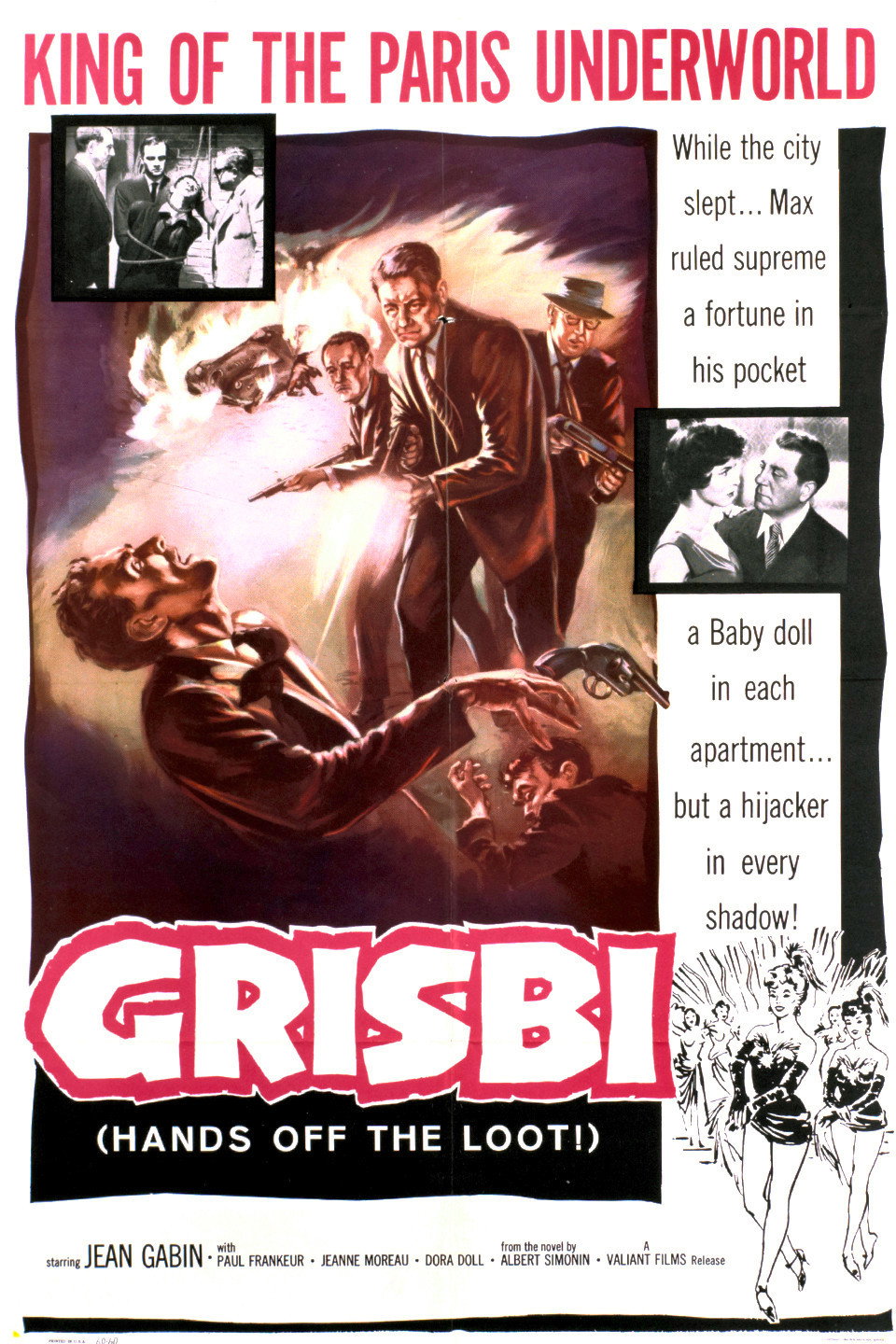
Touchez pas au grisbi

1954 · Ageing criminals discover how much their professional composure depends on friendship.

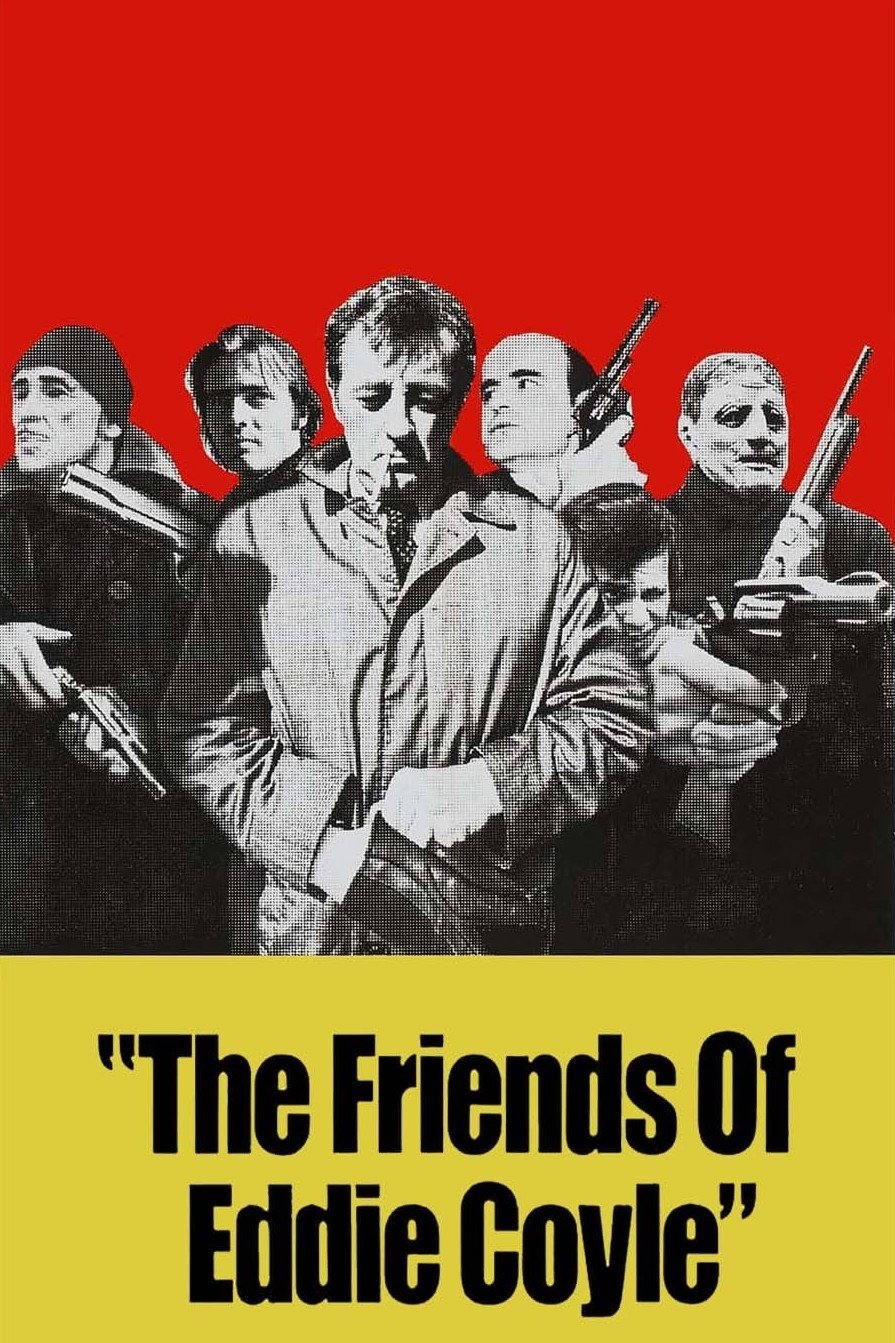
The Friends of Eddie Coyle poster

The Friends of Eddie Coyle

1973 · Another older small-time criminal, with considerably less kindness waiting for him.

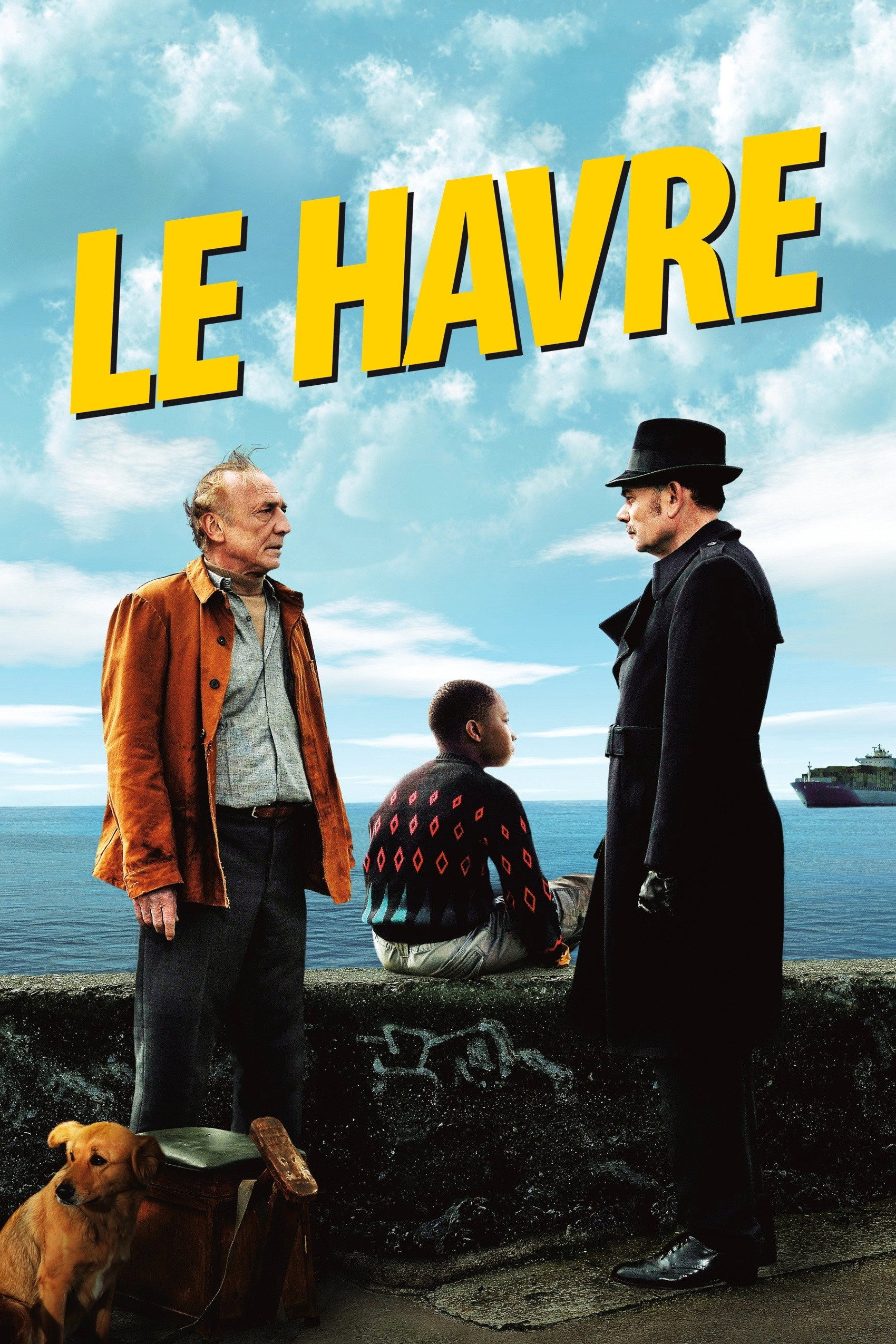
Le Havre poster

Le Havre

2011 · A shabby port, struggling neighbours and generosity that never becomes sugary.

The Small Back Room poster

The Small Back Room

1949 · Damaged pride and an awkward romance, with danger interrupting the private difficulties.

The Lunchbox poster

The Lunchbox

2013 · An unexpected attachment gives lonely people permission to imagine a different life.