Film review

Michael Collins

1996 · Directed by Neil Jordan · 2h 12m · MPA R

In a sentenceLiam Neeson could recruit us with that voice; we would still like to read the small print

WarDramaThrillerHistory

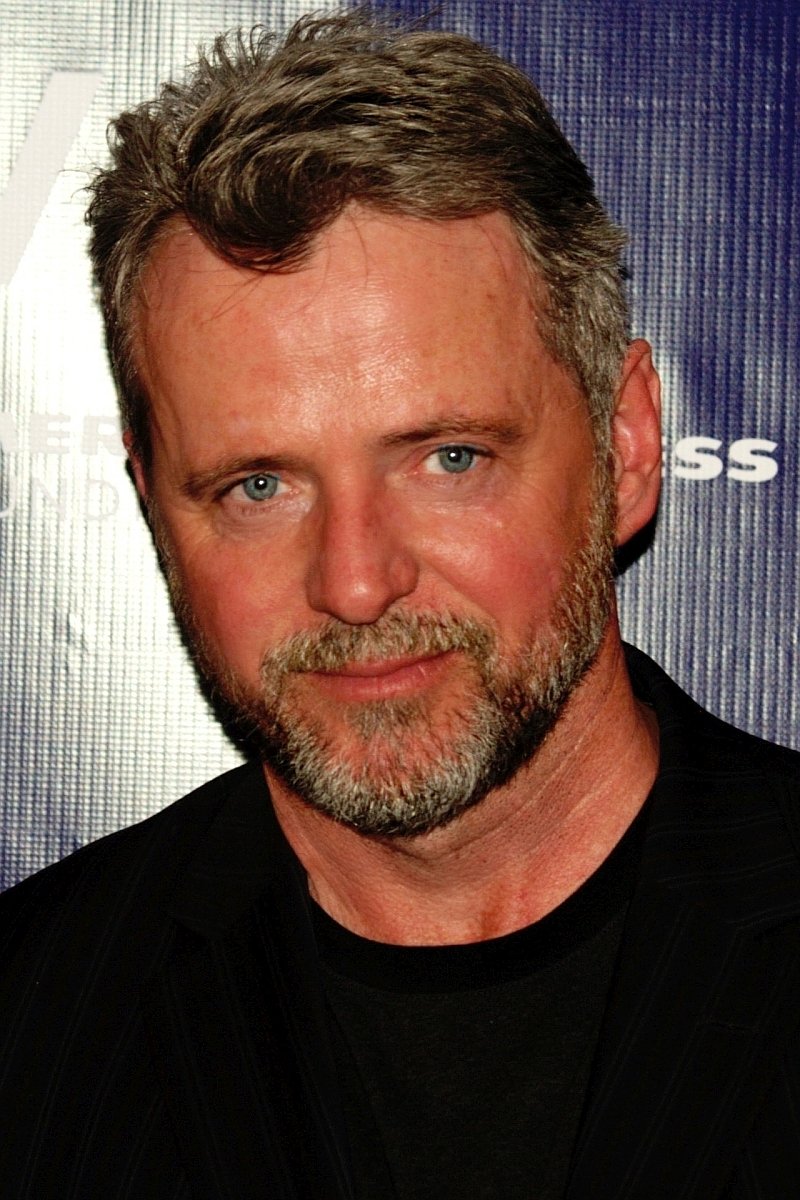
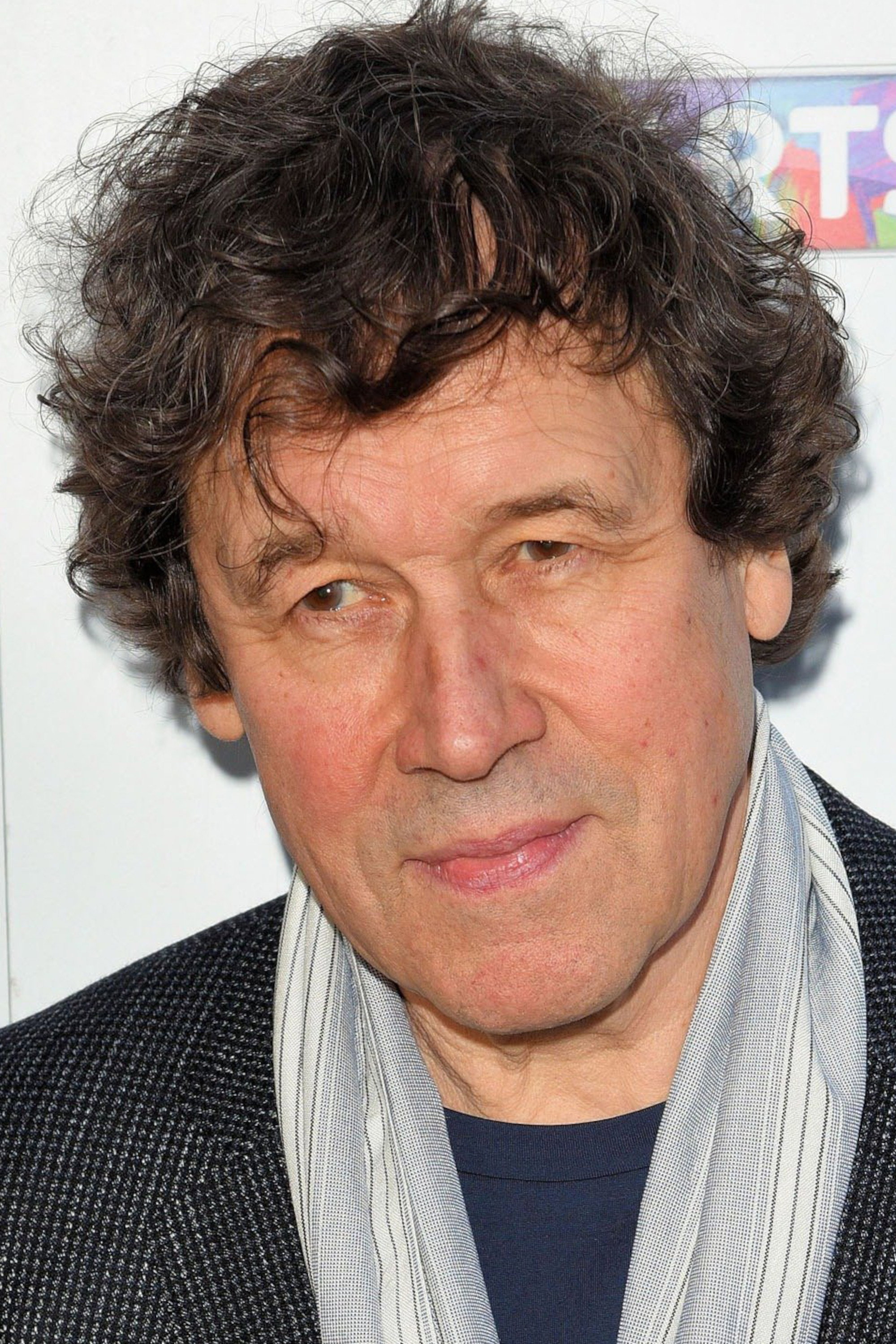
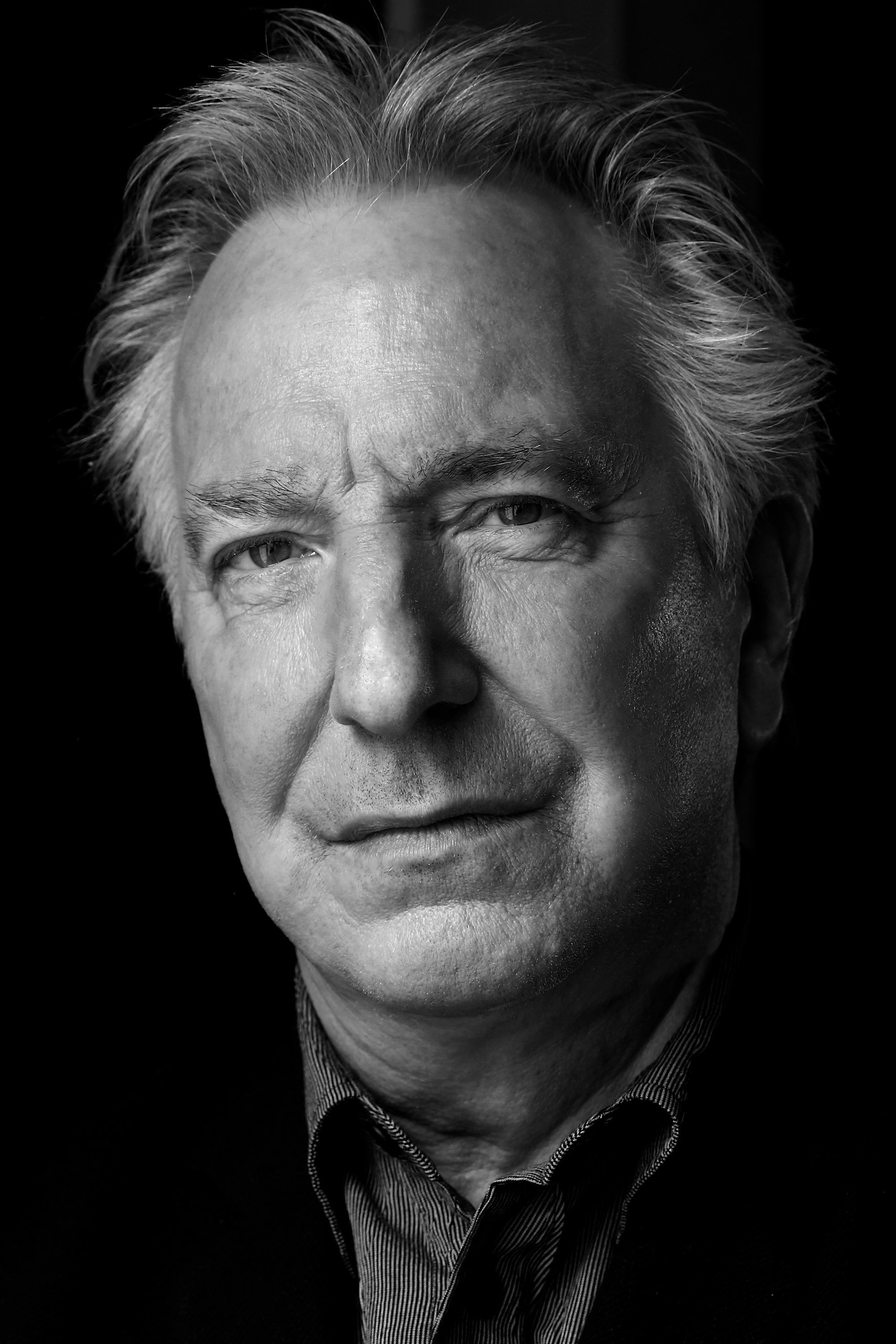
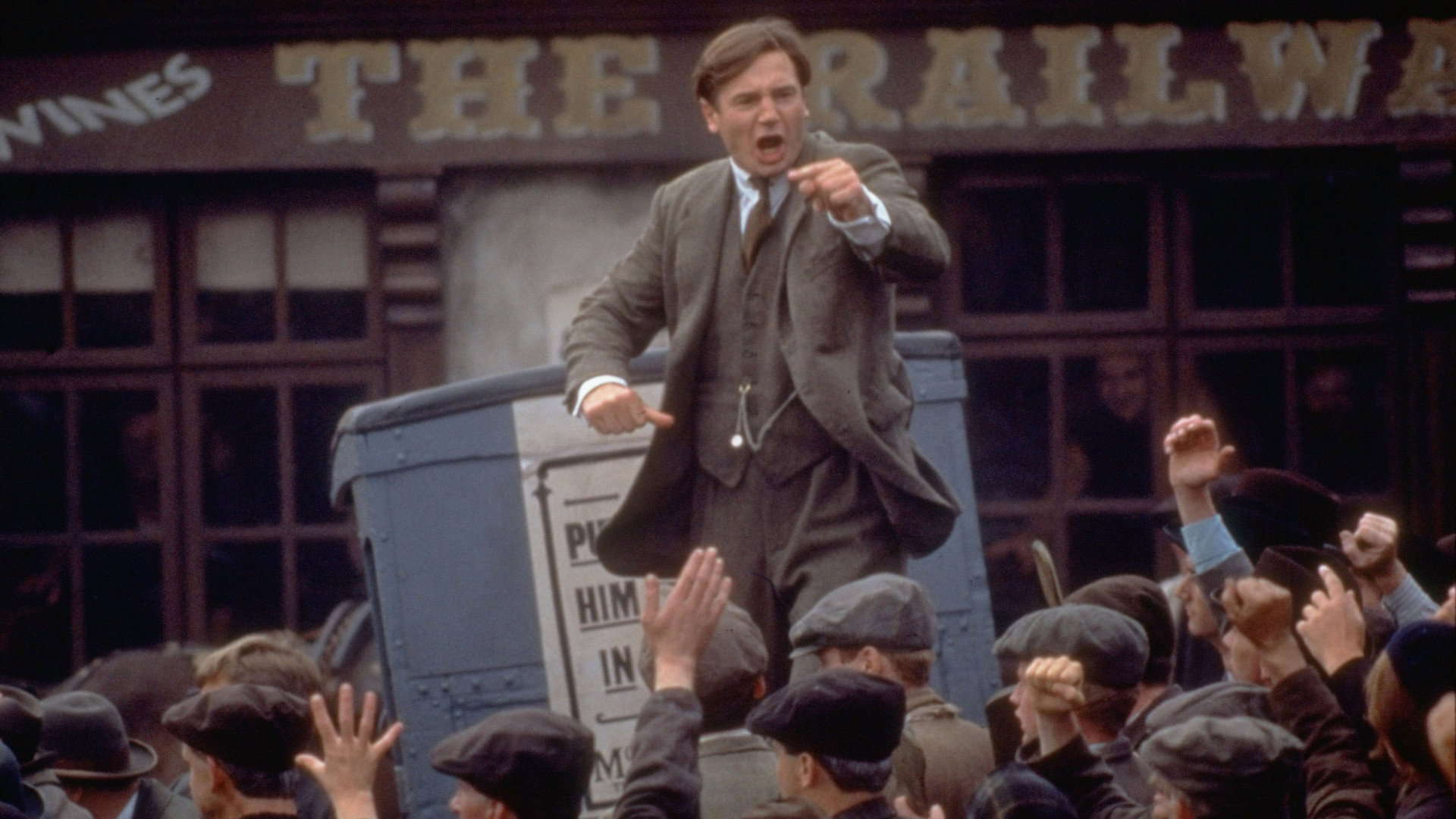
Ireland, 1916. Michael Collins (Liam Neeson) becomes a central figure in the struggle over the country’s future. Neil Jordan’s historical drama follows the Irish revolutionary through a conflict in which political leadership and violence are closely connected. Alongside Collins are Harry Roland (Aidan Quinn), Ned Broy (Stephen Rea) and Eamon de Valera (Alan Rickman), while Julia Roberts plays Kitty Kiernan. The story follows Collins’s attempts to give direction to a revolutionary cause, with questions of power, loyalty and the means used to pursue political change shaping the drama.

Plays from YouTube when you press play; nothing loads from them until then.

Fi1m review

Neil Jordan’s Michael Collins is a forceful historical thriller with a troublesome fondness for its subject. Liam Neeson supplies the conviction, though Jordan leaves too little room for us to question the man he admires.

Neil Jordan approaches Michael Collins with the urgency of a thriller and the affection of an admirer. The result is an involving historical drama, with a substantial reservation about how readily it asks us to approve of its subject. Jordan, who writes as well as directs, makes political struggle feel immediate because decisions have to become actions, often violent ones. It is good, forceful filmmaking, and we recommend it without accepting all of its judgements.

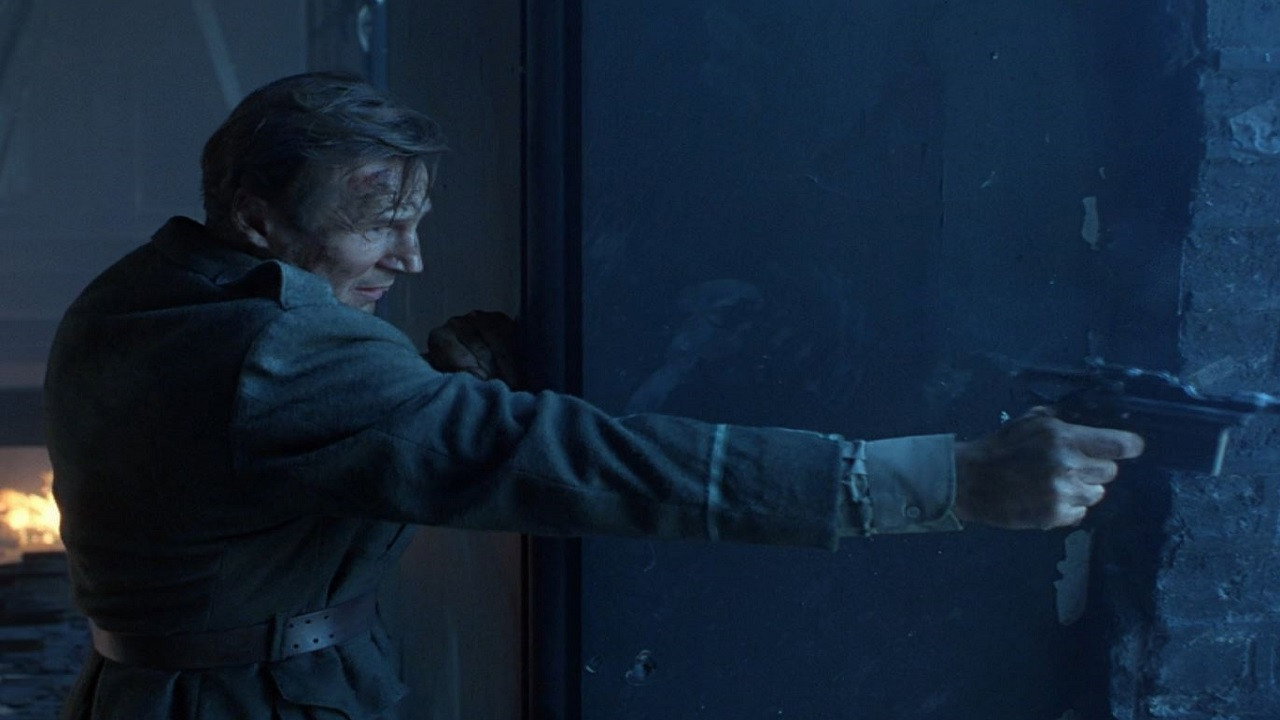
Liam Neeson’s Collins is the reason this approach gets as far as it does. Neeson gives him a confidence that seems useful to other people, the sort that could get them to act before they have settled their doubts. We were stirred by his bluster: Neeson’s delivery makes certainty sound reassuring even when the prospect of violence ought to make it frightening. That is a convincing way to play a leader, and Jordan gives him room to work.

The editing by J. Patrick Duffner and Tony Lawson is crucial to the thriller’s momentum. Jordan’s cross-cutting lets separate pieces of action press against one another, building apprehension without making the movement difficult to follow. There is something disturbing about the efficiency with which political purpose becomes violence. The filmmaking gives that process enough urgency to hold our attention without requiring a speech at every stage. These are the stretches in which Jordan seems most confident about what the pictures can tell us.

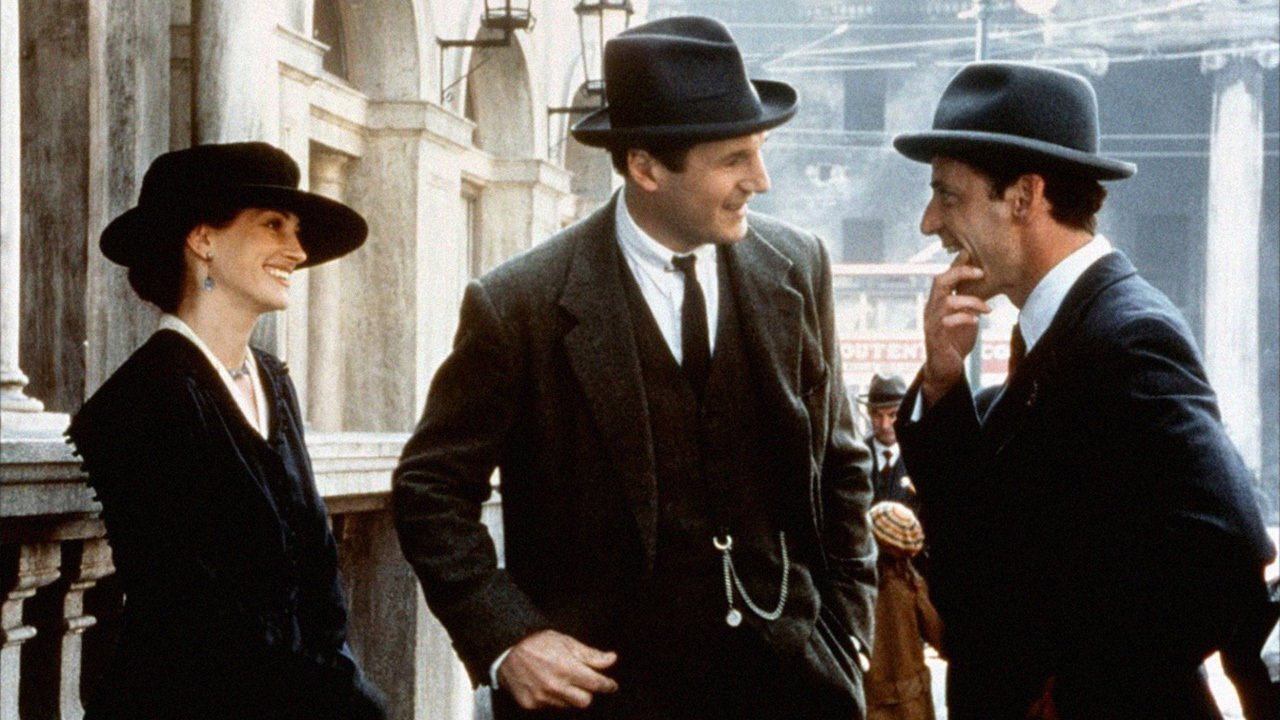
Chris Menges’s cinematography helps the danger feel close, even when the film works on a large scale. Anthony Pratt’s production design gives the period setting a solidity that matters when violence threatens it; the surroundings never seem to exist merely for inspection. Elliot Goldenthal’s music is more emphatic than we would sometimes wish. It lends the film feeling, but also presses us towards sympathy when Neeson has already done plenty of persuading.

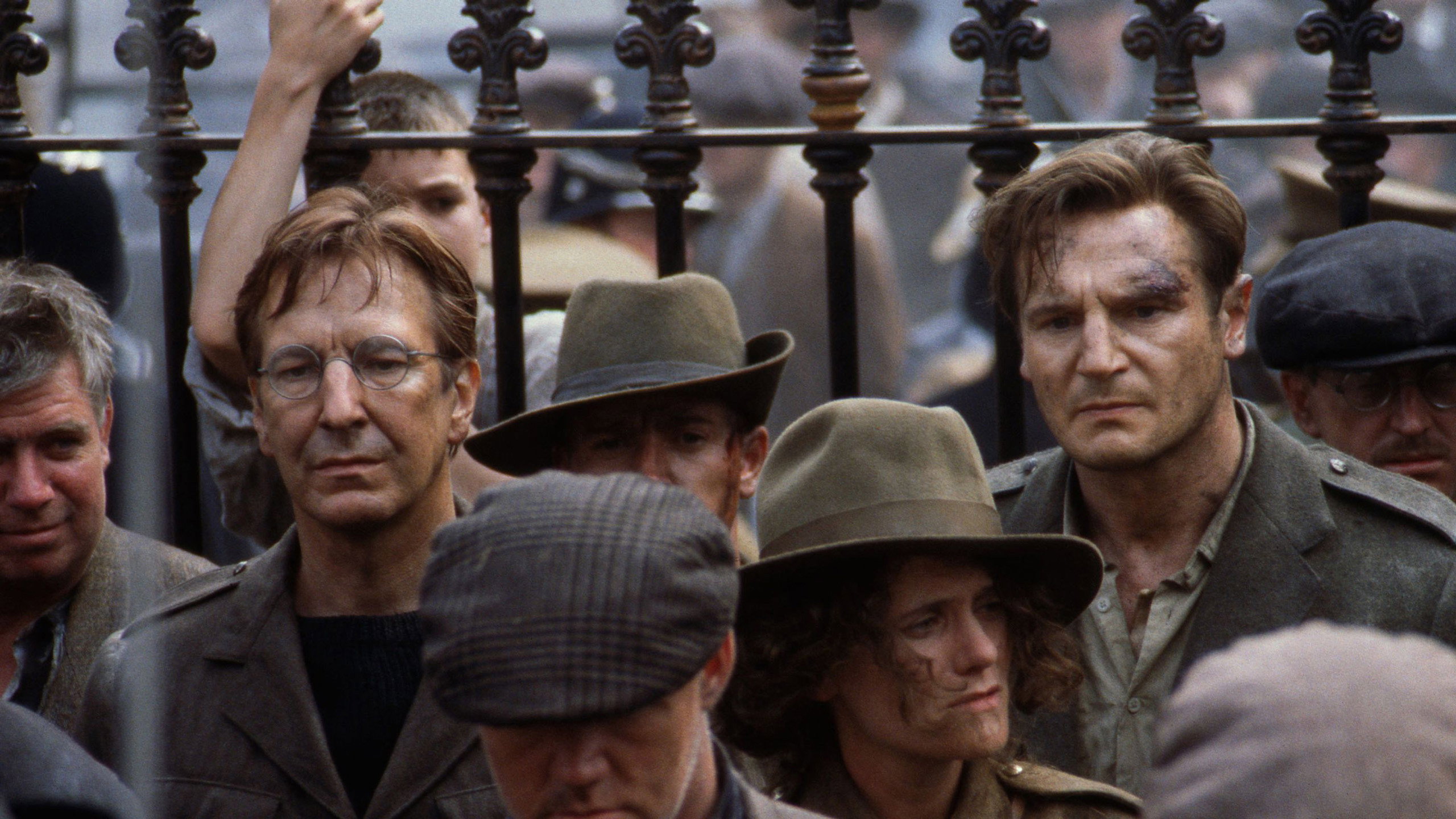
Alan Rickman’s Eamon de Valera brings a useful complication. Rickman gives the part menace without making it simple, suggesting calculations that the central portrait is less willing to entertain. His performance provides some resistance to the film’s enthusiasm for Collins, and it is welcome. Jordan’s screenplay settles our sympathies early, leaving the supporting characters a good deal of work if they are to make us question the man at the centre.

That partiality is the film’s chief weakness as political biography. Jordan does not need to deliver a lecture or pretend to have no preferences, but he makes Collins too easy to admire. His treatment of the British is too broad, and the simplification makes the choices facing his hero seem less open to challenge. The thriller supplies danger and unease, yet the portrait keeps encouraging approval when it might profitably leave us uncomfortable.

There is still enough dramatic life here to justify the 132 minutes. Neeson and Rickman make the political conflict worth following, while Jordan’s handling of action prevents the history from becoming a procession of names and positions. Viewers looking for a historical thriller will have a better evening than those expecting a searching biography. See it for the performances and the suspense, and keep a little scepticism for the history.

Critical consensus AI synthesised

3 of 6
Positive
2
Mixed
1
Negative
0
The AV Club
29 March 2002 · John Krewson
80*

Neil Jordan's film is an extraordinary epic that succeeds as both cinema and history. Liam Neeson's performance as the title character stands out as stirring and blood-curdling.

Read the full review →
Empire
1 January 2000 · Ian Nathan
70*

The critic praises Jordan's intelligent, passionate direction and the film's momentum as a thriller about the Irish revolutionary, while noting it stumbles due to Neeson's lack of charisma in the lead role. It highlights strong supporting performances and moments of directorial mastery in cross-cutting.

Read the full review →
The Independent
10 November 1996
60*

The critic views the film as a well-mounted but overly schematic and romanticized biopic that portrays Collins as a plaster saint while demonizing the British. It singles out Alan Rickman's complex, menacing performance as de Valera for particular praise.

Read the full review →
Los Angeles Times
11 October 1996 · Kenneth Turan

The film is a rare epic true story transferred to screen with matching intelligence, skill and elan; it is an extremely cinematic, beautifully made David Lean-type epic with a vital, confidence-filled performance by Neeson that captures Collins perfectly.

Read the full review →
The New Yorker
7 October 1996 · Anthony Lane

Jordan has made a thriller that is astonishingly untalkative and blarney-free, depending on episodes to excite rather than persuade; it is a strong advance on his previous work, with fine cinematography, though it encourages the audience to like Collins too much and has some sketchiness.

Read the full review →
The New York Times
11 October 1996 · Janet Maslin

The critic notes the uphill battle Jordan faces in selling the little-known subject and criticizes the film's sugarcoating and sloganeering, but praises its passionate enthusiasm for the material and Neeson's magnetic, blustery performance as Collins.

Read the full review →

Cast

Stills

Awards

Academy Awards, 1997

Nominated
Best Cinematography
Nominated
Best Original Dramatic Score

Venice Film Festival, 1996

Won
Golden Lion

If you liked this, try…

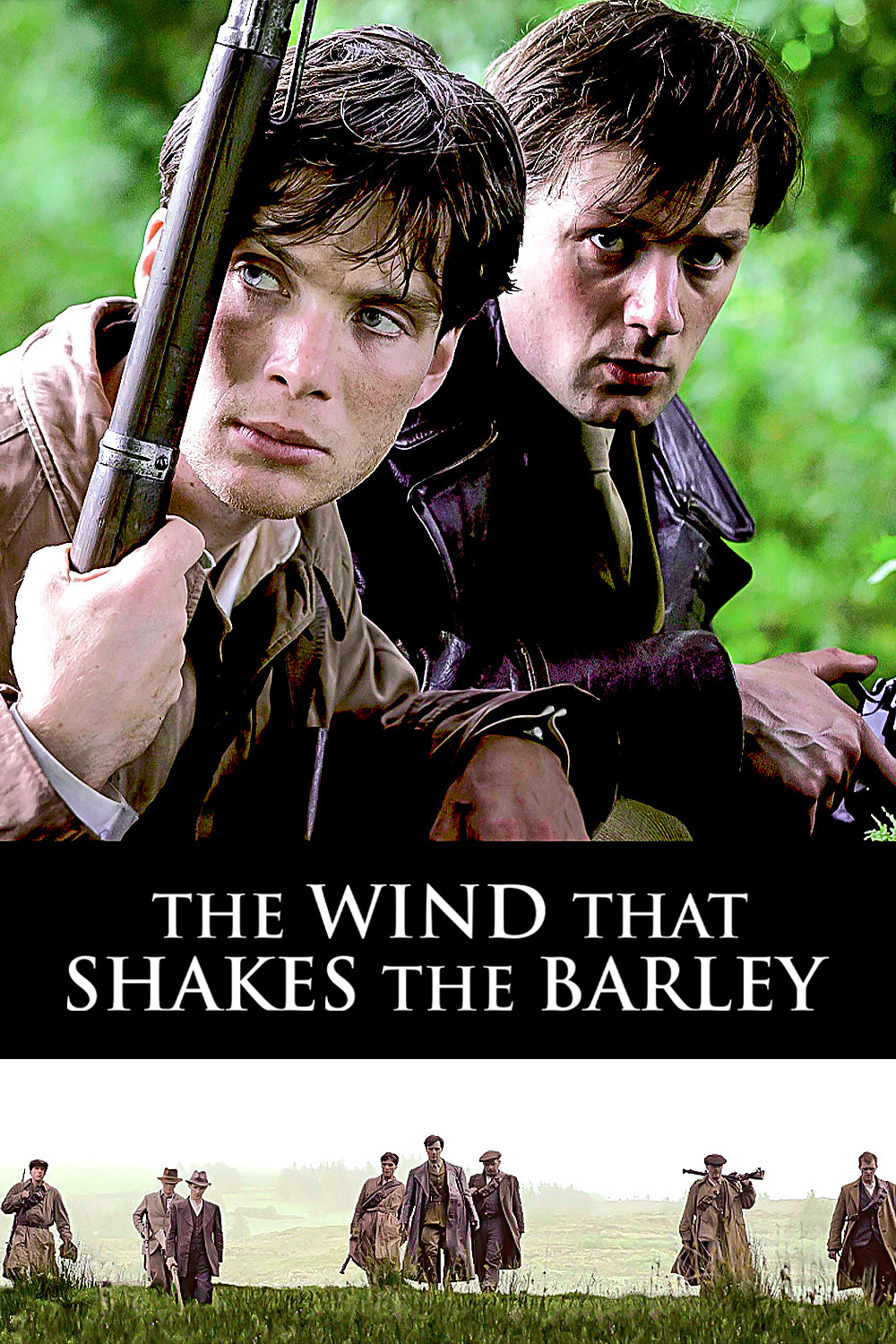
The Wind That Shakes the Barley poster

The Wind That Shakes the Barley

2006 · For another Irish struggle, with divided loyalties given more room to hurt

The Battle of Algiers poster93

The Battle of Algiers

1966 · A tougher account of urban revolt, where the methods demand close attention

Army of Shadows poster

Army of Shadows

1969 · Resistance work shown through secrecy, suspicion and the exhausting business of staying alive

The Official Story poster

The Official Story

1985 · Political violence enters family life, and comfortable assumptions become harder to maintain

Judas and the Black Messiah poster

Judas and the Black Messiah

2021 · Another forceful central performance, with political commitment tested by betrayal