Jim Jarmusch’s vampire romance is funny, patient and unexpectedly touching about staying together. Its cultural name-dropping can become tiresome, but Tilda Swinton and Tom Hiddleston make the long nights worth sharing.
Only Lovers Left Alive is a warm, funny vampire romance with a weakness for reminding us how well read its vampires are. Jim Jarmusch makes immortality seem like something that requires interests, good company and occasional adjustments in attitude. At 123 minutes, the film gives its lovers plenty of time to talk, and gives us time to become fond of them. We recommend it, with fair warning that its leisurely conversations sometimes continue after we have stopped finding them interesting.
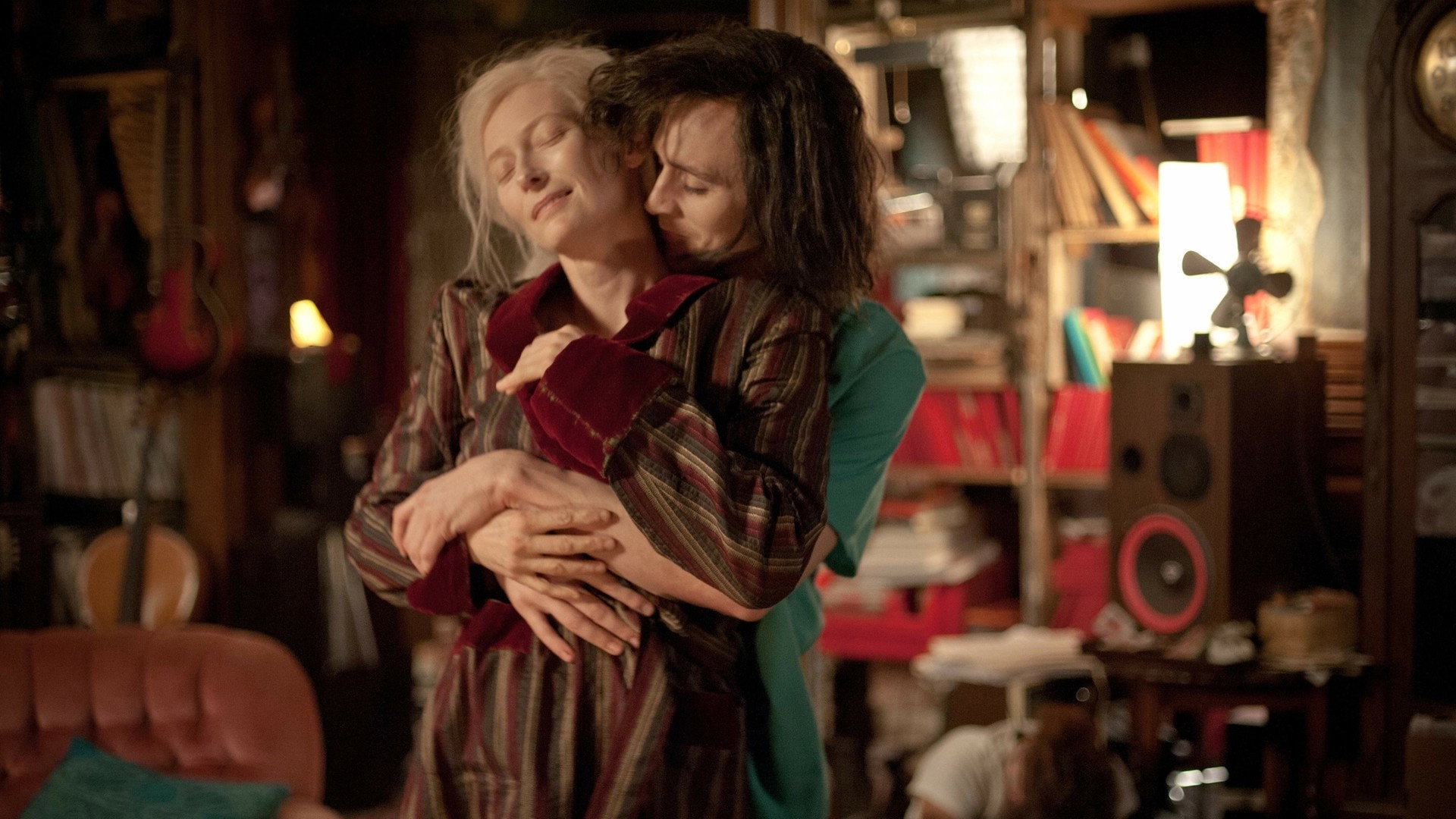
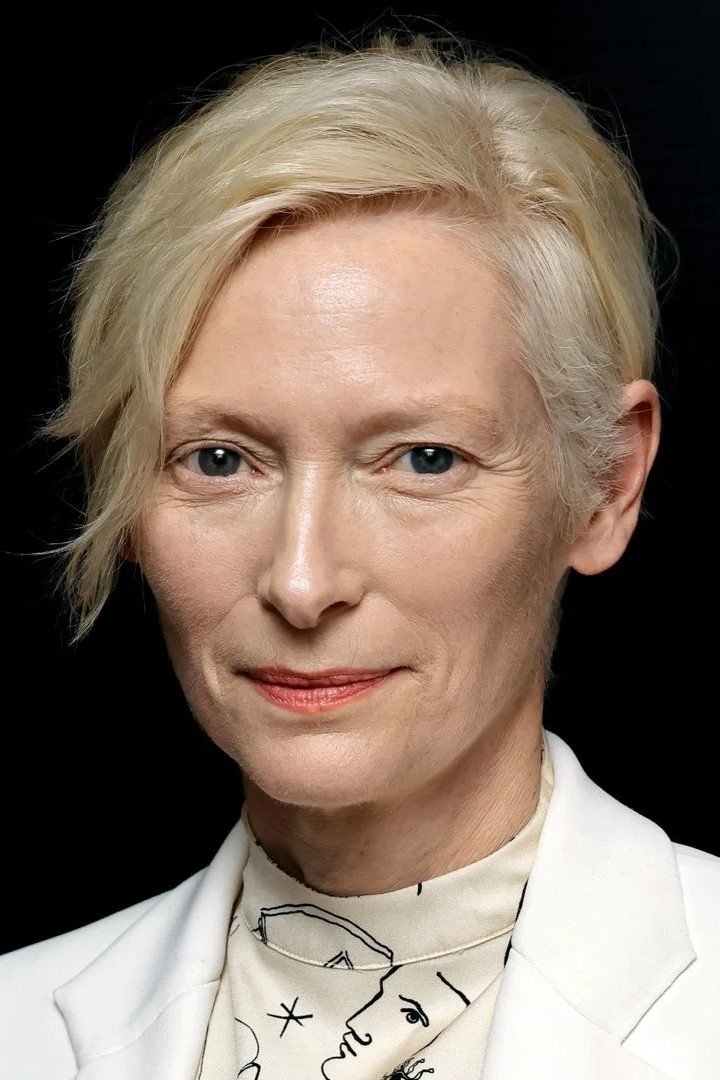
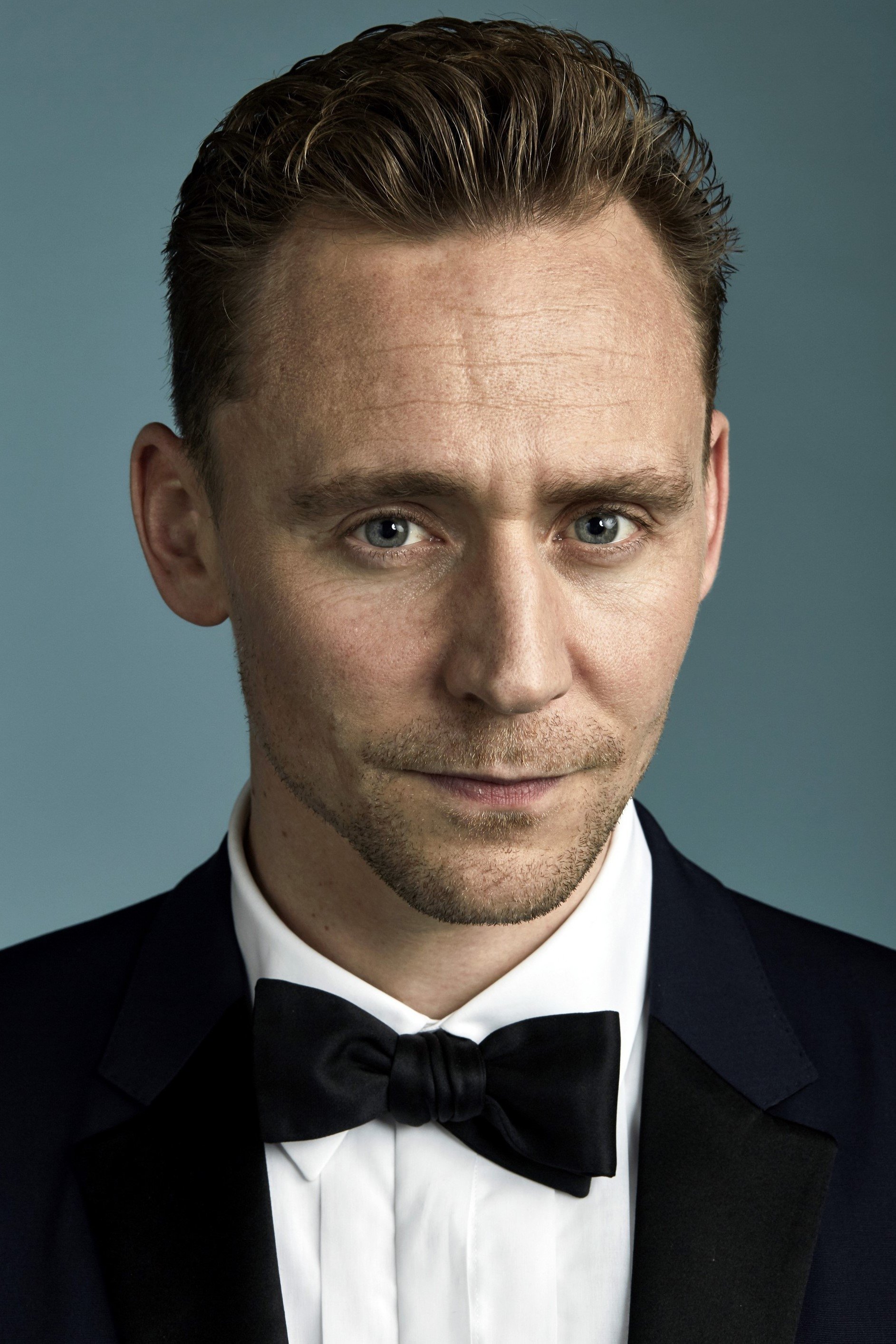
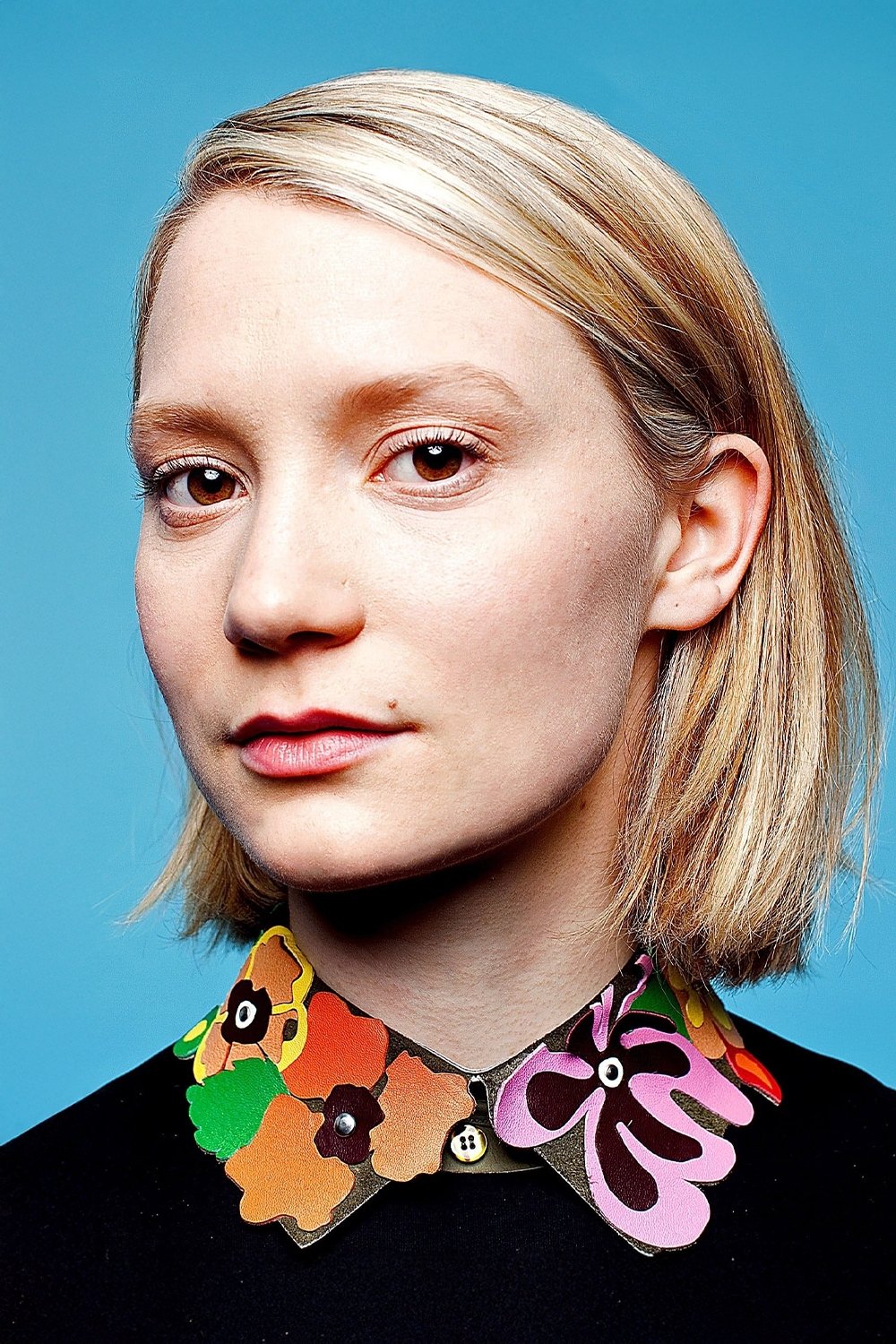
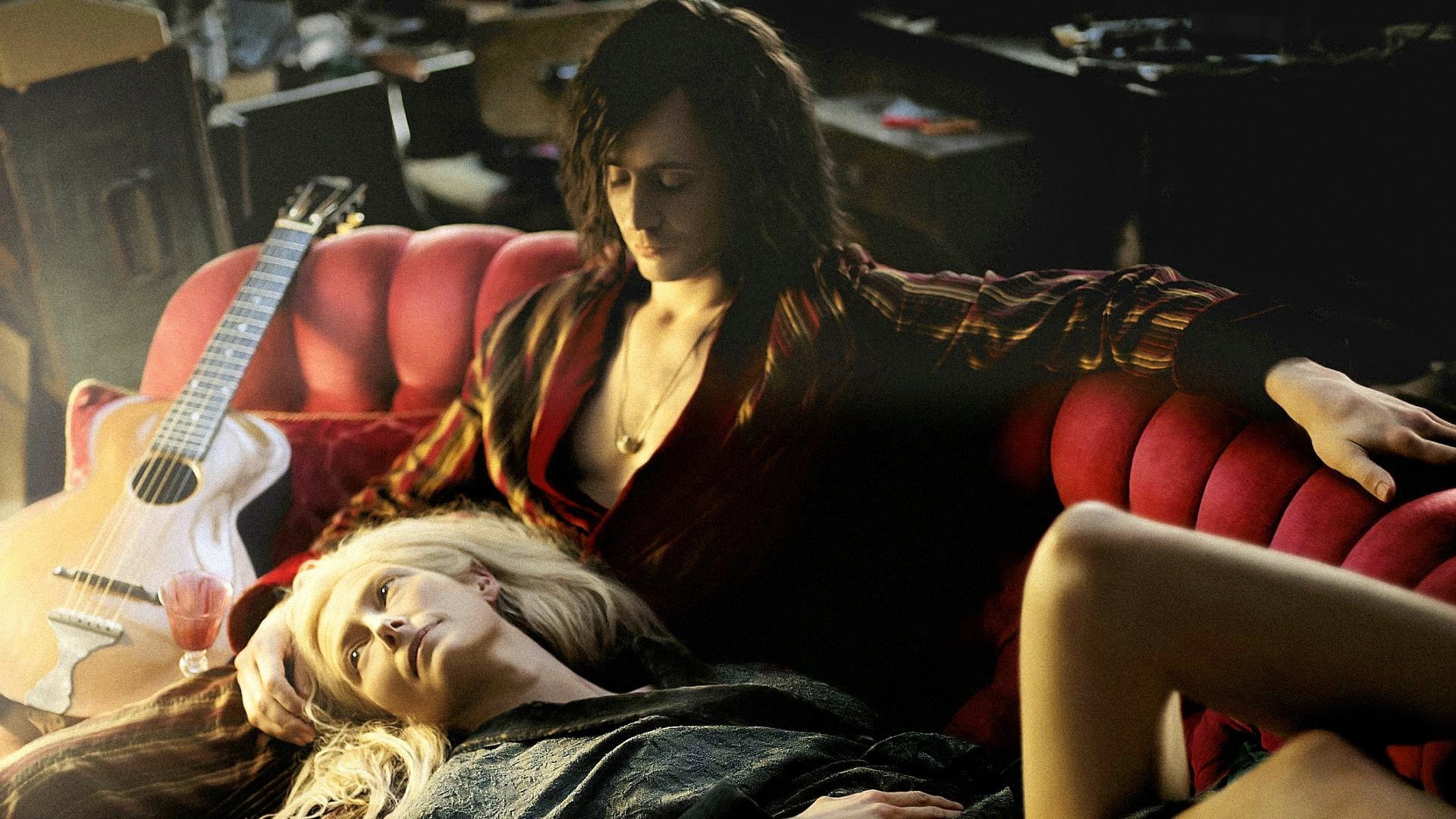
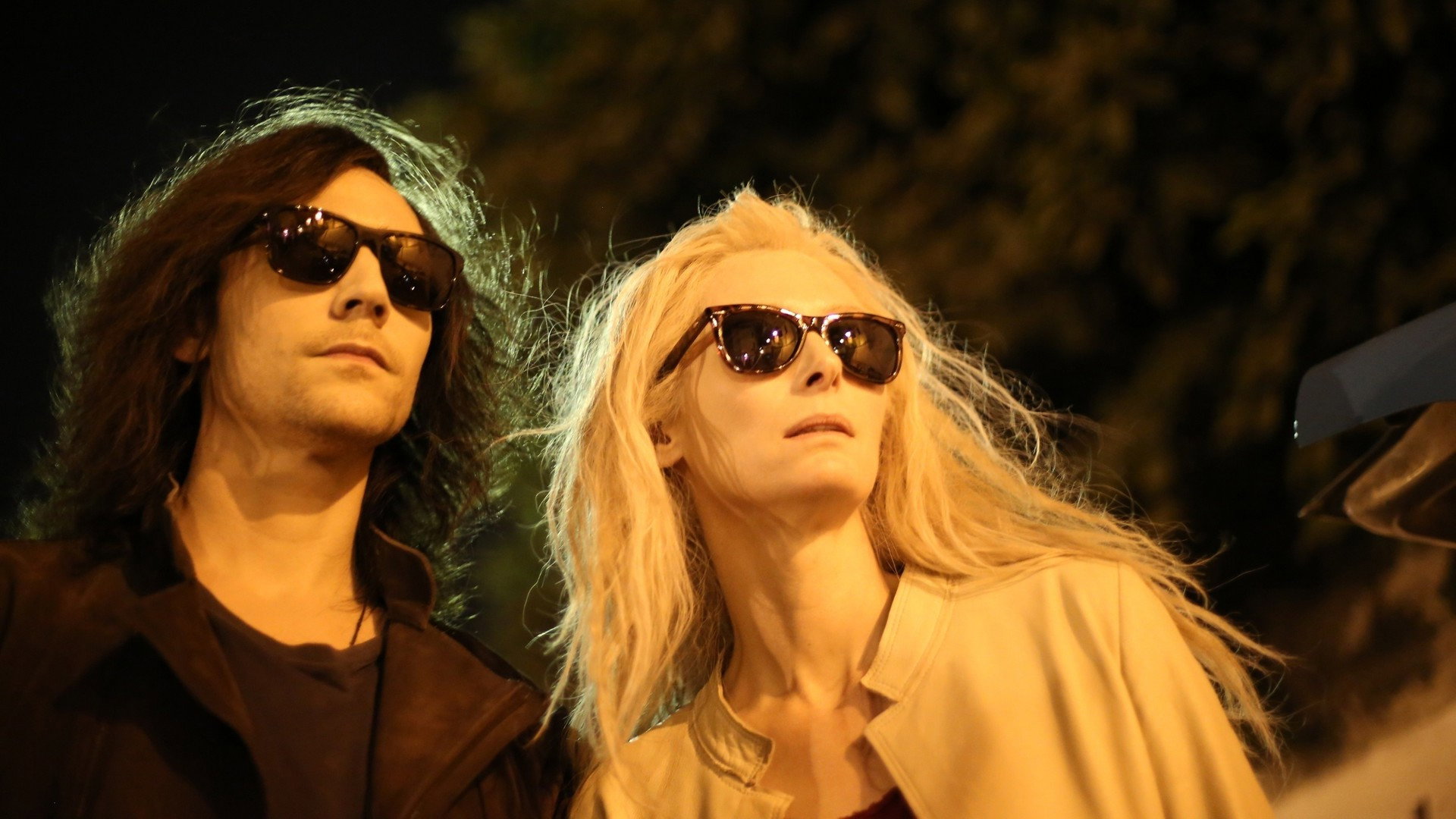
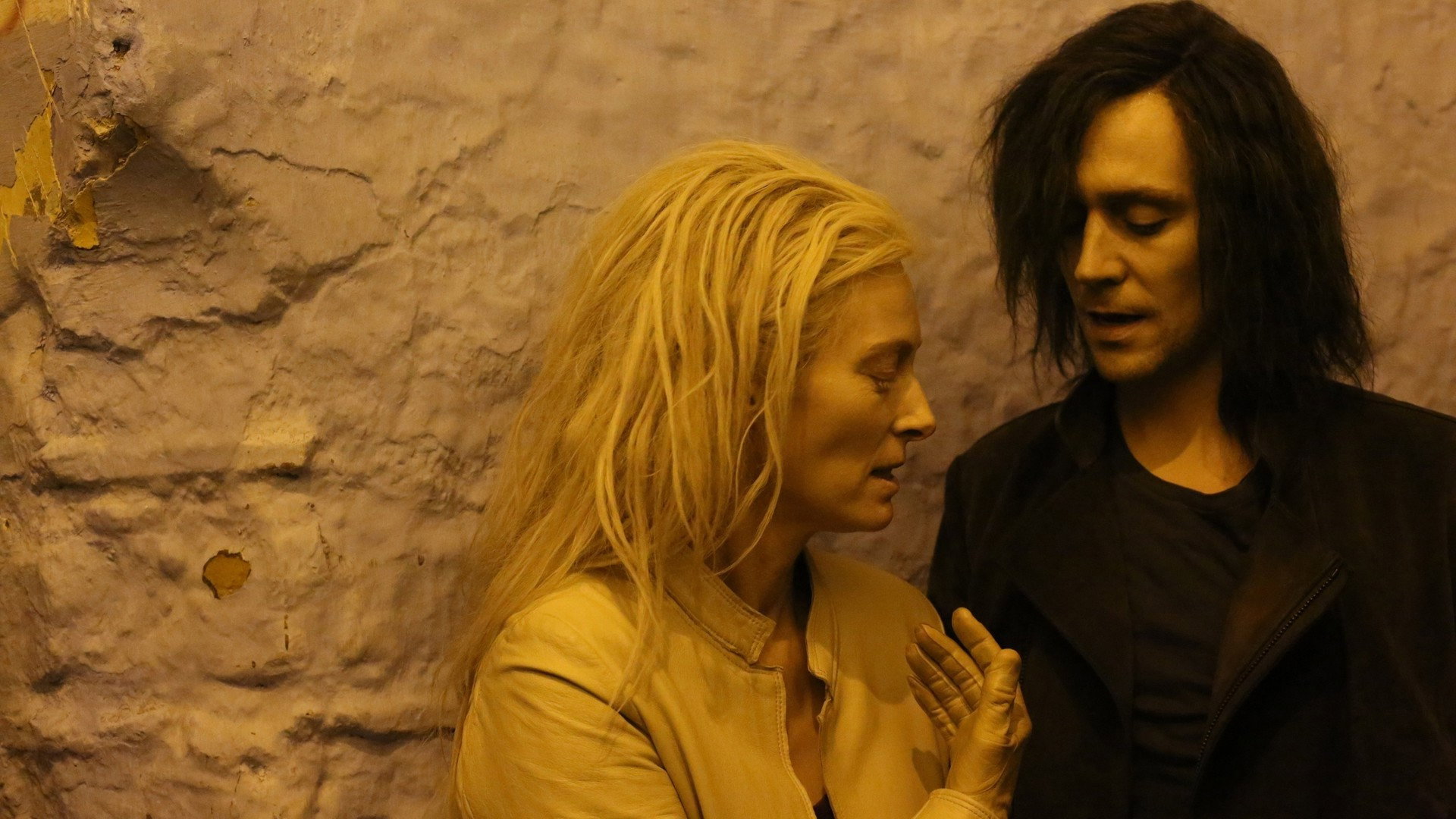
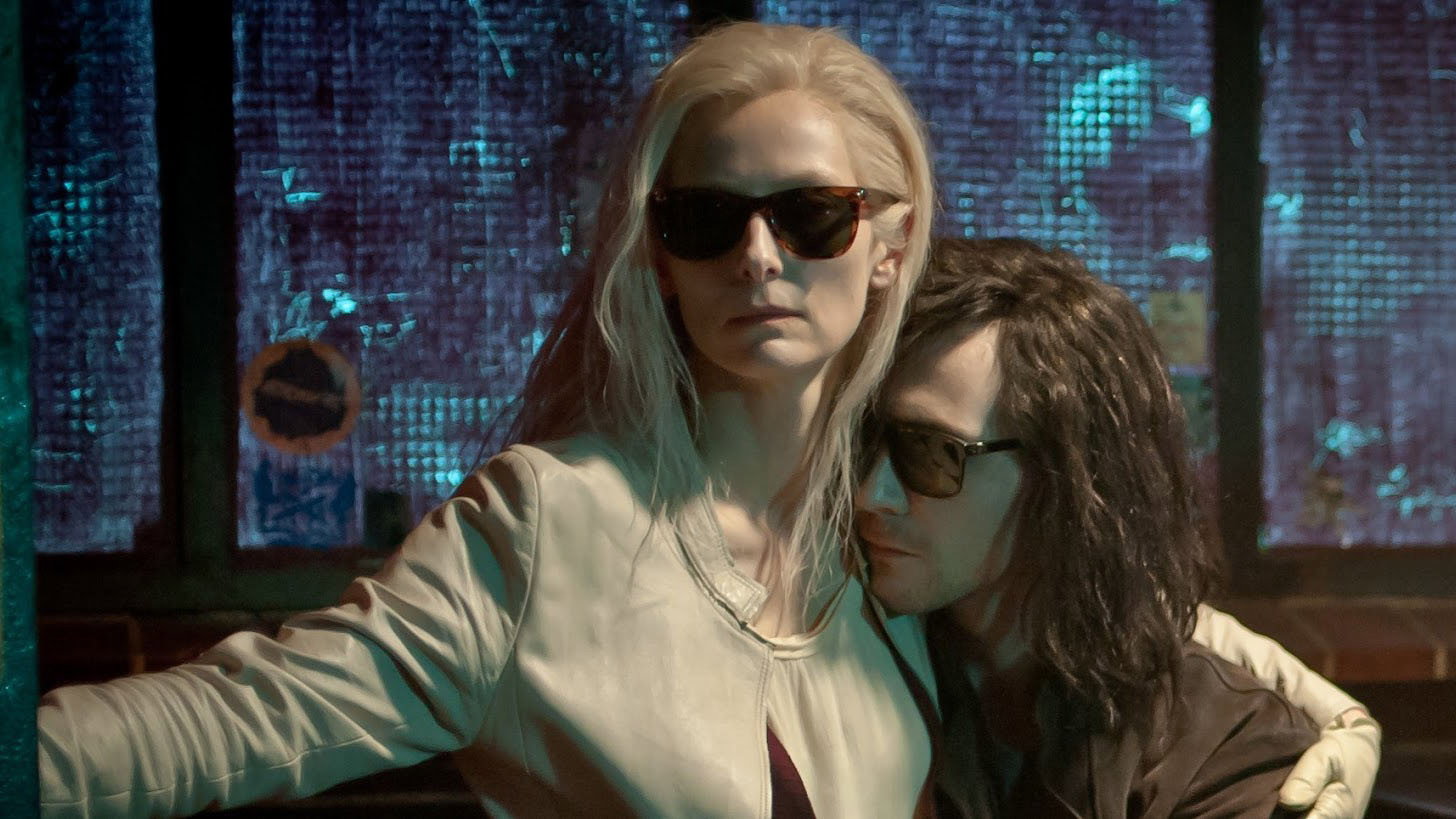
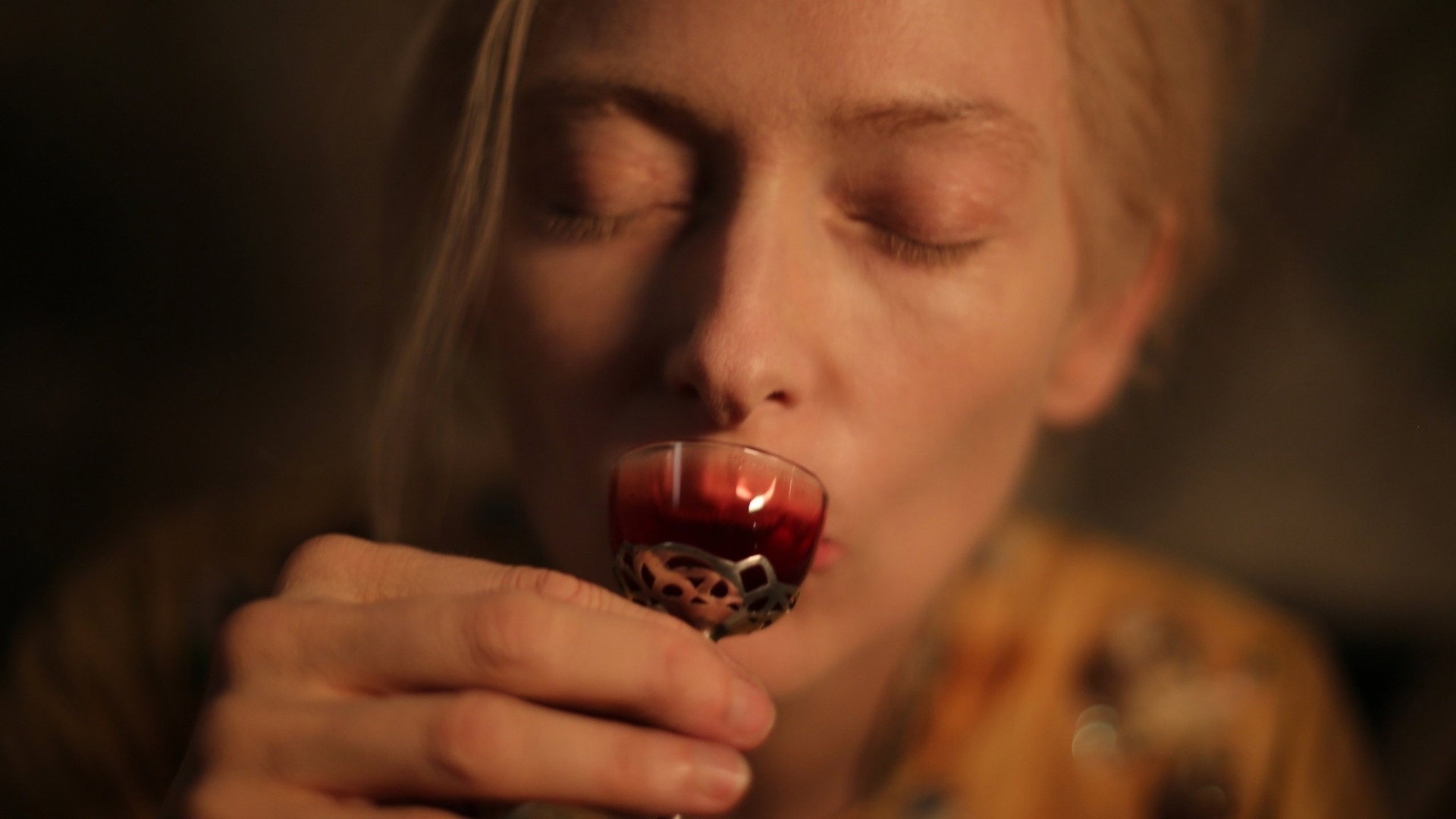
Adam, played by Tom Hiddleston, and Eve, played by Tilda Swinton, have had centuries to become accustomed to each other. What matters is that the actors make that familiarity interesting. Their comic timing allows affection and irritation into the same exchange, without making either partner merely the target of the other’s jokes. We were moved by the pleasure they take in talking about art together. Neither performance makes an old enthusiasm seem like something a spouse should have outgrown, and that generosity makes their marriage feel worth the trouble.
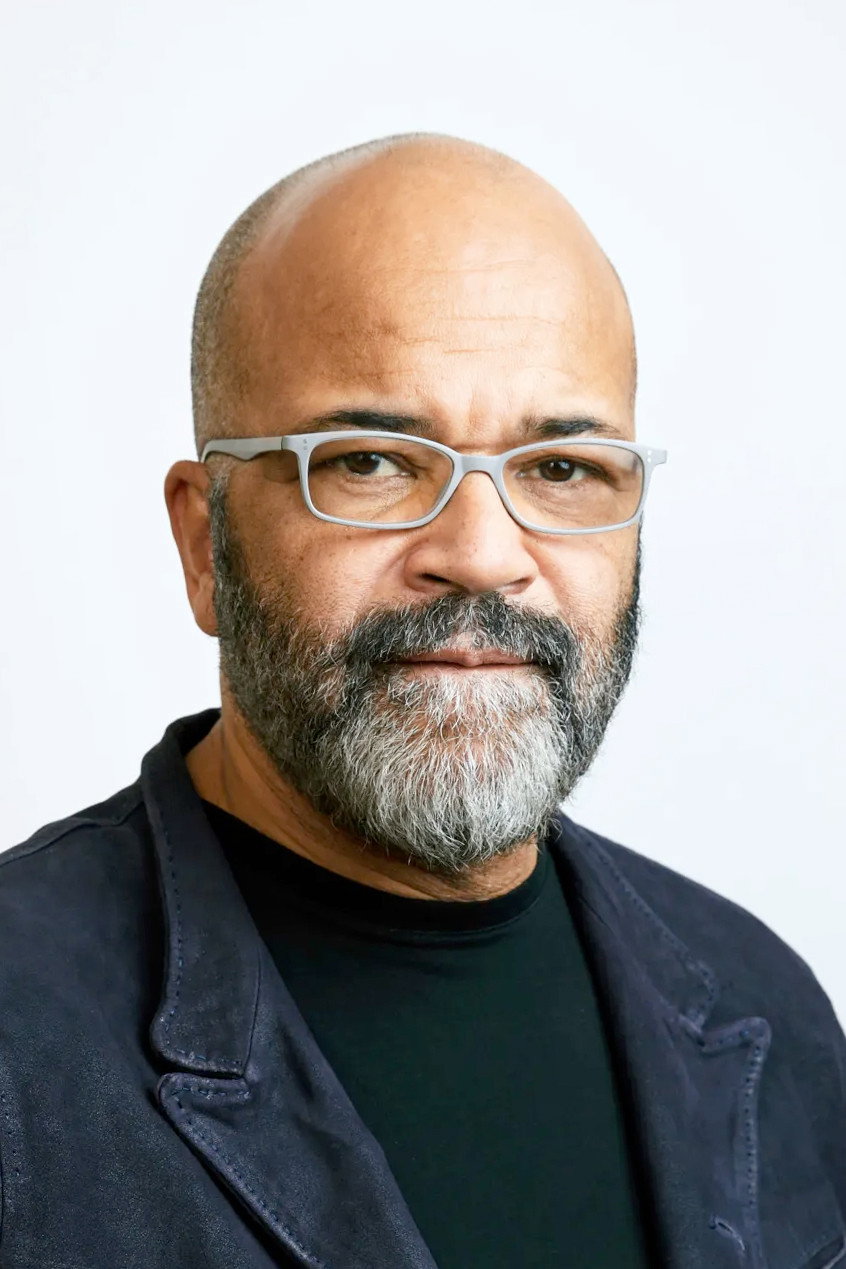
Jim Jarmusch’s screenplay is less appealing when the cultural references begin to establish a pecking order. John Hurt plays Christopher Marlowe, and there is amusement in the casual proximity of a historical name to this couple’s domestic life. But knowing the right names is not always a sufficient joke. The lovers’ weariness with humanity can become complacent, and the film is sometimes too willing to treat their tastes as proof that they deserve our admiration.
Yorick Le Saux’s cinematography makes the nocturnal setting welcoming, which is a useful choice for a film that wants us to linger with vampires. Darkness gives the lovers privacy without making every scene a warning of trouble ahead. Marco Bittner Rosser’s production design gives their attachment to physical media a persuasive setting, with the objects around them inviting almost as much attention as the conversation. The care taken over these surroundings is pleasurable in itself. Even when a passage drags, there is still a reason to keep looking.
Jozef van Wissem’s music is important to that welcome. It gives the drifting scenes a pulse without making them seem to be hurrying towards an event, and the soundtrack makes the lovers’ devotion to music easy to share. Affonso Gonçalves’s editing lets us settle into the actors’ timing, but some pauses last beyond the point when another look or remark will repay them. The film occasionally stalls, especially when world-weariness returns without a fresh joke to accompany it.
As a vampire film, it is unusually interested in how a couple might sustain their enjoyment of being alive. The shared music and dry humour give that question enough substance without much need for solemn explanation. We do not need to share every one of their enthusiasms to believe that those enthusiasms help keep them together, and the actors never make affection look like an obligation. Allow it a quiet evening and a little patience with the grumbling.