Critics’ reviews

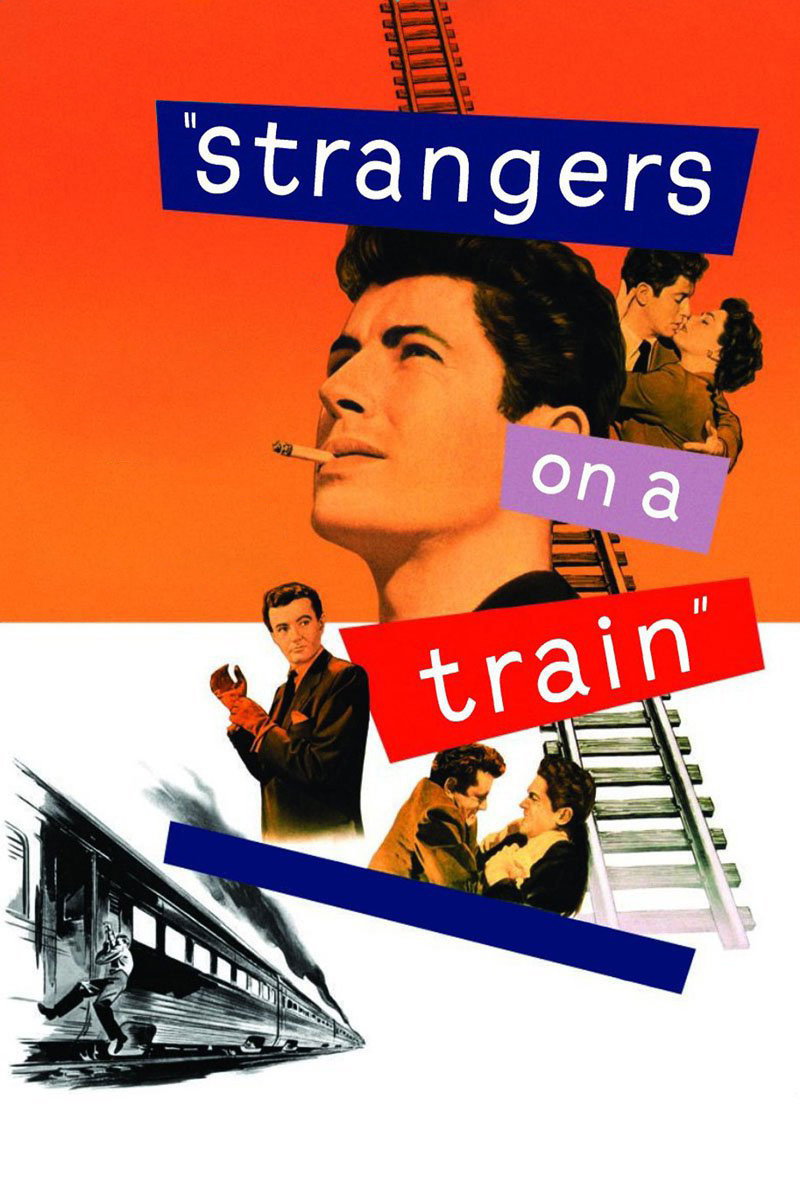
Strangers on a Train (1951)

13 reviews from 13 publications. Critics’ score 82: 12 positive, 0 mixed, 1 negative.

Back to our review of Strangers on a Train

82
Positive
12
Mixed
0
Negative
1

Most critics find Strangers on a Train a gripping thriller, with praise concentrated on Hitchcock’s control of suspense and Robert Walker’s performance as Bruno. The reviews repeatedly single out the visual motifs, carefully staged set pieces and contrasts between the two leads. Walker’s mixture of charm, menace and vulnerability attracts particular attention, while several critics also value the black humour and sexual subtext. The broad agreement is that Hitchcock makes the murder-swap premise compelling through precise, playful filmmaking.

Reservations centre on plot logic and character motivation: even favourable reviews acknowledge contrivances or find Guy less compelling than Bruno. The spread is wide chiefly because of one dissent, rather than a substantial split. The New York Times rejects the story as thin and unconvincing and finds that neither the pictorial flourishes nor the performances make it persuasive. Elsewhere, the reviews largely accept the implausibilities as a tolerable cost of the suspense.

Radio Times
★★★★★ · David Parkinson
100

This is a splendid thriller showcasing Hitchcock's technical mastery in turning a tricky premise into gripping cinema, with outstanding fairground scenes; it notes production challenges with the script and cast but affirms the result as a nail-biter.

Read the full review →
Los Angeles Times
18 November 1996 · Kevin Thomas
90*

The 1951 suspense classic remains a timeless treat and a marvelous display of Hitchcock’s mastery, whether in its American or longer British cut. The alternate version makes the homosexual subtext more pronounced.

Read the full review →
Slant Magazine
16 October 2012 · Chuck Bowen
90*

The review calls it a brilliant black comedy and one of Hitchcock's richest, most daring works that merges text and subtext, marking the start of his run of subversively obsessive American films. It singles out the iconic imagery, latent chemistry between leads, and the exhilarating merry-go-round climax as highlights of the thriller.

Read the full review →
The Hollywood Reporter
30 June 2017 · THR Staff
90*

The critic praises Hitchcock's virtuosity in suspense dramas, using an imaginative plot with commonplace incidents and coincidence to keep viewers engaged, along with contrasted characters and locales for an enormously entertaining show. Strong casting is highlighted, especially Robert Walker's cunning psychopath and the effective merry-go-round finale.

Read the full review →
Variety
31 December 1950 · Variety Staff
90*

Hitchcock turns the Patricia Highsmith novel into a gripping, palm-sweating thriller with a fresh murder-swap premise. The cast delivers strongly, especially Robert Walker as the neurotic playboy.

Read the full review →
Little White Lies
28 March 2016 · Paul Risker
85*

The article praises Hitchcock's masterful use of three-act structure, visual motifs like crisscrossing train tracks, and playful misdirection to build suspense in this tale of duplicity. It singles out the film's gamesmanship and character dynamics as making it one of his most memorable works.

Read the full review →
The Guardian
13 August 1999 · Andrew Pulver
85*

The critic praises the film's compulsive narrative and Hitchcock's panache in this re-release review, noting its place in a transitional period of the director's career between gimmicky postwar thrillers and later masterpieces. He highlights effective set pieces such as the murder reflected in a pair of glasses, noir shades, and sick humor, while stressing the sheer watchability and entertainment value.

Read the full review →
Empire
1 January 2000 · David Parkinson
80*

Hitchcock crafted an accessible thriller to restore his reputation after flops, emphasizing thematic contrasts of light and dark, order and chaos, and motifs of circles and doubles, though the narrative has logical gaps. Bruno emerges as the more compelling character than the resistible hero Guy.

Read the full review →
Sight and Sound
26 June 2026
80*

The piece celebrates Robert Walker's iconic performance as the charming sociopath Bruno in Hitchcock's 1951 thriller, highlighting his ability to balance menace and vulnerability. It frames the film as a classic turning point in Walker's career just before his death.

Read the full review →
Time Out
22 September 2014 · PH
75*

The review highlights Hitchcock's focus on set pieces and web of guilt over character motivation, describing the exchange-murder premise and the explosive carousel climax as structuring the film around suspenseful sequences rather than psychology.

Read the full review →
The New York Times
4 July 1951 · Bosley Crowther
30*

Hitchcock piles on pictorial touches and stunts in a thin, unconvincing murder story that fails to hold up. The premise is too slight and the performances do not convince.

Read the full review →
The Playlist
31 October 2012 · [A] · The Playlist Staff
90*

The critic calls it a perfectly taut thriller highlighting the strong performances of Farley Granger and Robert Walker, especially the elegantly shot strangulation scene reflected in glasses, and masterful use of shadows and double-entendres.

Read the full review →
Collider
12 November 2012 · Patrick Cooper
80*

The critic calls the film textbook Hitchcock and one of the master's best American films, praising the suspense, duality themes, and Robert Walker's standout performance as the memorable villain Bruno. Minor complaints are raised about some plot contrivances and an unresolved subplot.

Read the full review →

Ordered by the weight we give each publication, then by score. Scores are normalised to 100; * means inferred from an unrated review. Summaries are ours, not quotations; follow the links for the reviews themselves. How we rate