Film review

Strangers on a Train

1951 · Directed by Alfred Hitchcock · 1h 41m · MPA PG

In a sentenceRobert Walker makes proposing a murder sound less awkward than asking a stranger to move their luggage

CrimeThrillerDrama

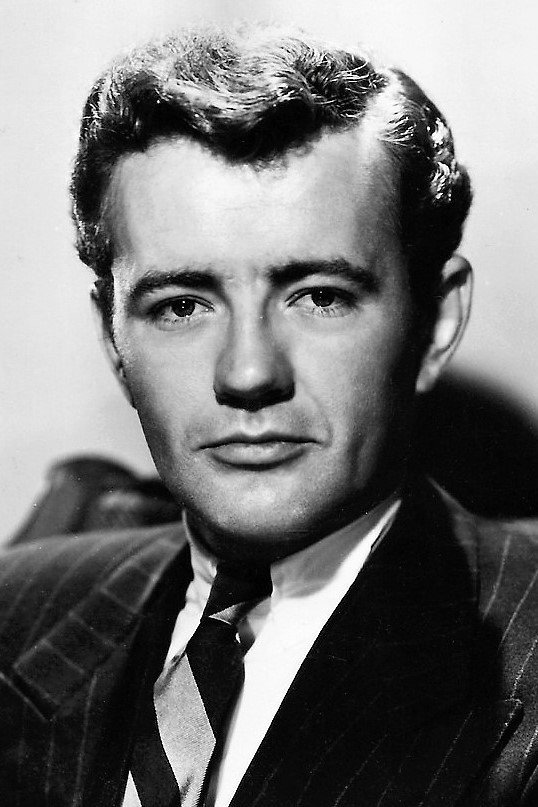
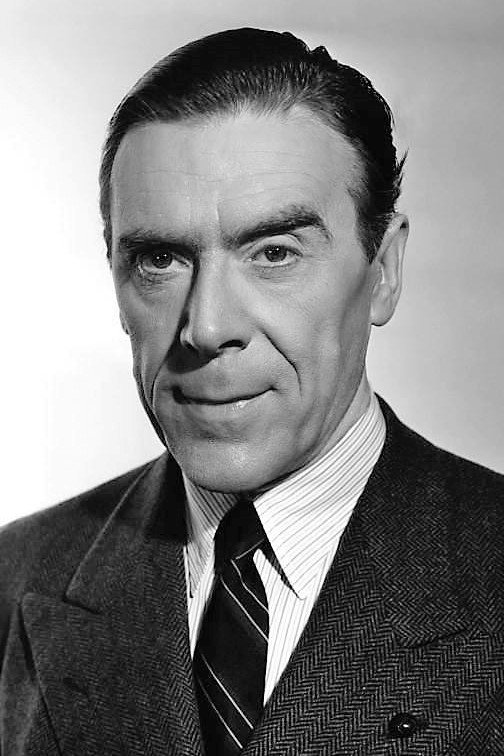
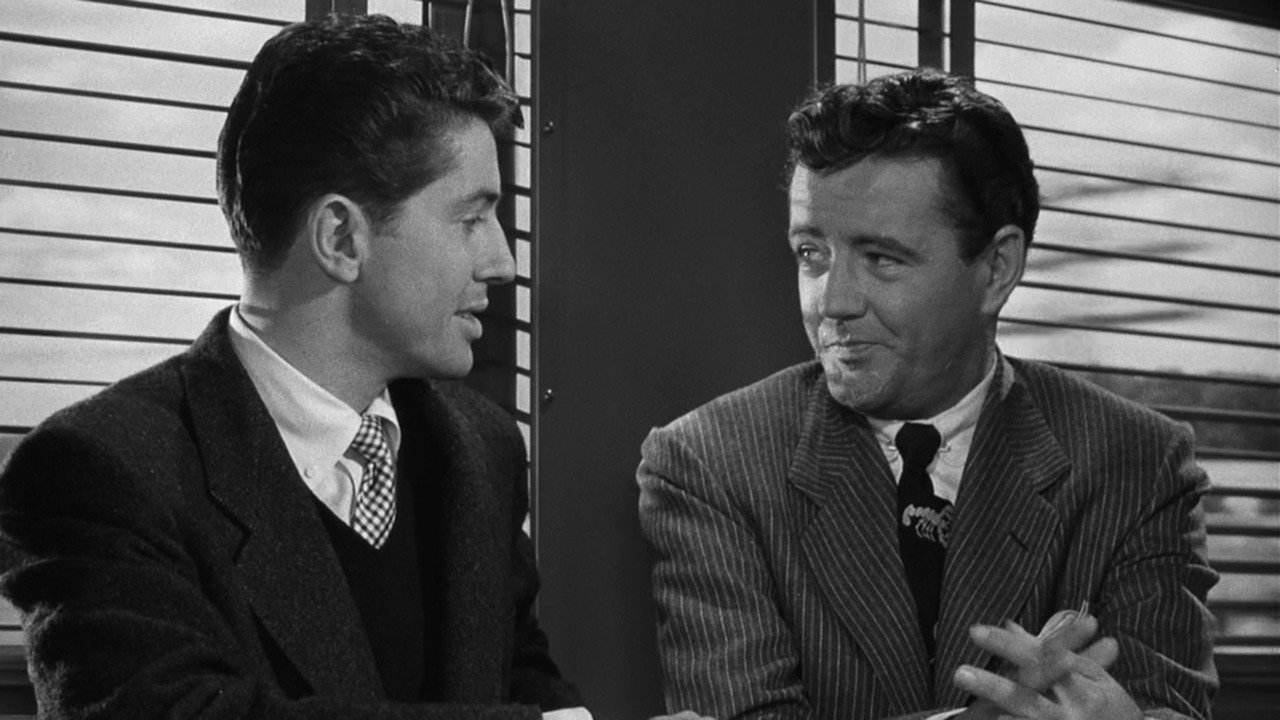
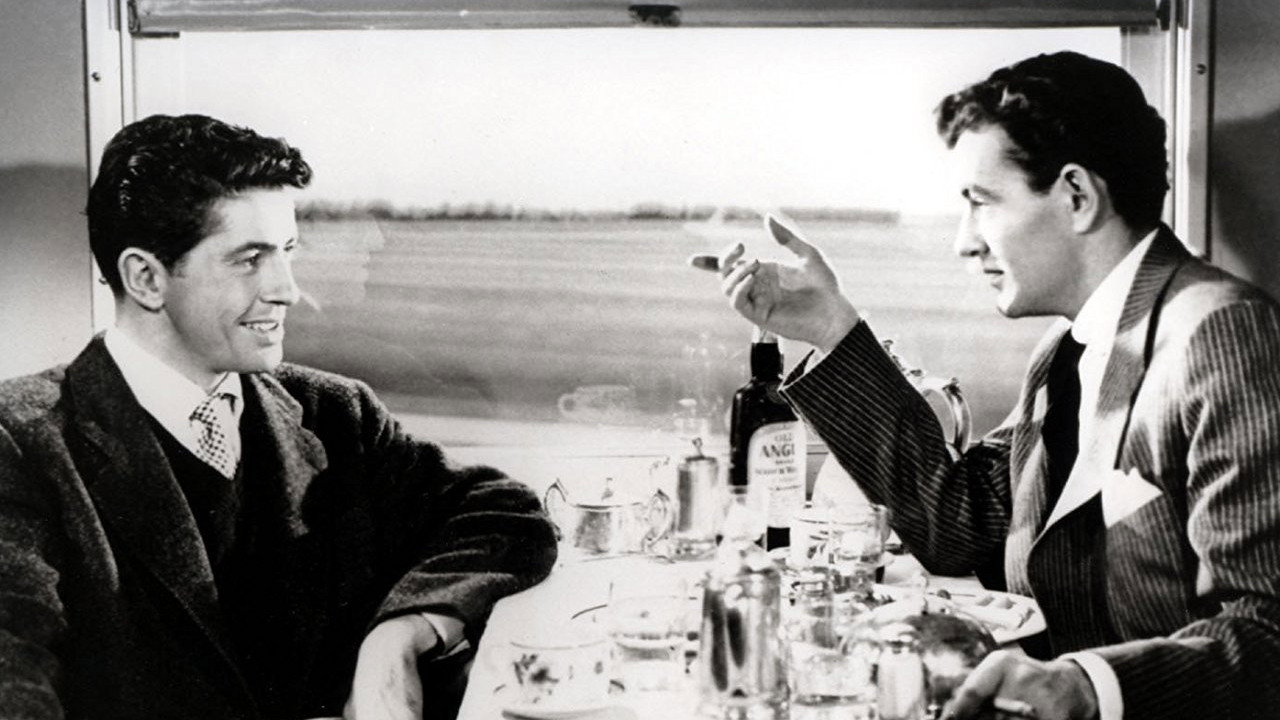
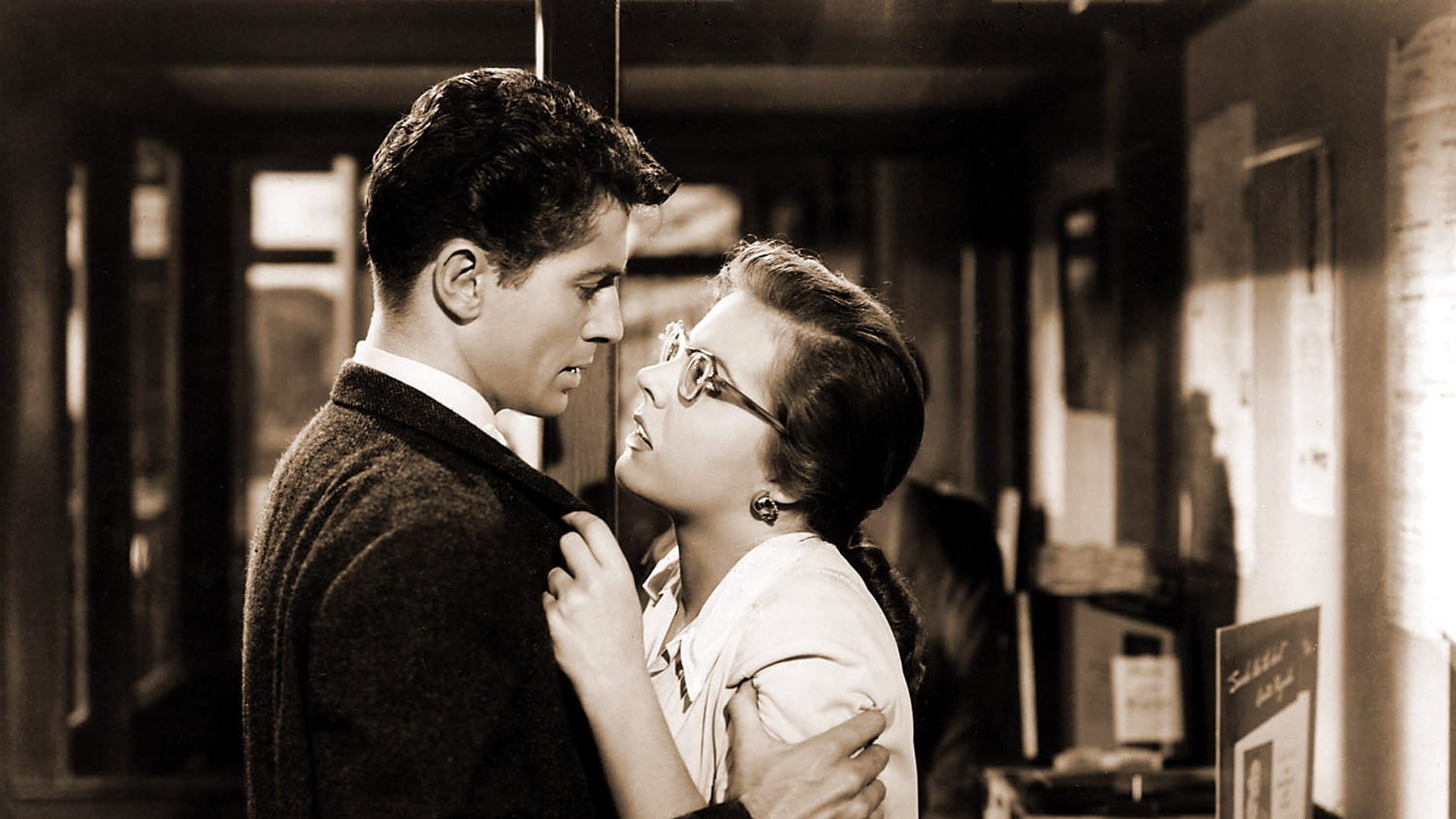
Guy Haines (Farley Granger) and Bruno Antony (Robert Walker) meet on a train. Bruno is a playboy with a murder proposal: each man could kill for the other, leaving no personal motive to connect either killer to his victim. Around the pair are Anne Morton (Ruth Roman), Miriam Haines (Kasey Rogers) and Senator Morton (Leo G. Carroll). Bruno treats the proposed exchange as a practical solution to their problems. Guy finds himself cast as the second participant in a scheme whose appeal depends on the men remaining strangers.

Fi1m review

Alfred Hitchcock makes a murder-swap proposal into a tense, slyly funny thriller. Robert Walker’s unsettling charm is the attraction; the plot needs more help from coincidence than we would like.

Strangers on a Train is a tense, darkly funny thriller, with a weakness for coincidences that its actors mostly persuade us to forgive. Alfred Hitchcock takes the proposed exchange of murders seriously enough to frighten us, but never loses sight of the absurdity of discussing it with a new acquaintance. The danger begins in an ordinary conversation, which is a sound basis for suspense. We have all met someone who mistook our politeness for a willingness to hear considerably more.

Robert Walker plays Bruno Antony with such inviting confidence that the proposal almost sounds like an opportunity Guy would be rude to decline. We caught ourselves warming to him, then felt uneasy about it, because Robert Walker makes an appalling suggestion sound like an attempt to make a friend. His charm has something needy about it, and that need makes his persistence frightening. The attraction between the men is there without being explained to death; Bruno appears interested in his prospective partner well beyond the practical requirements of the plan.

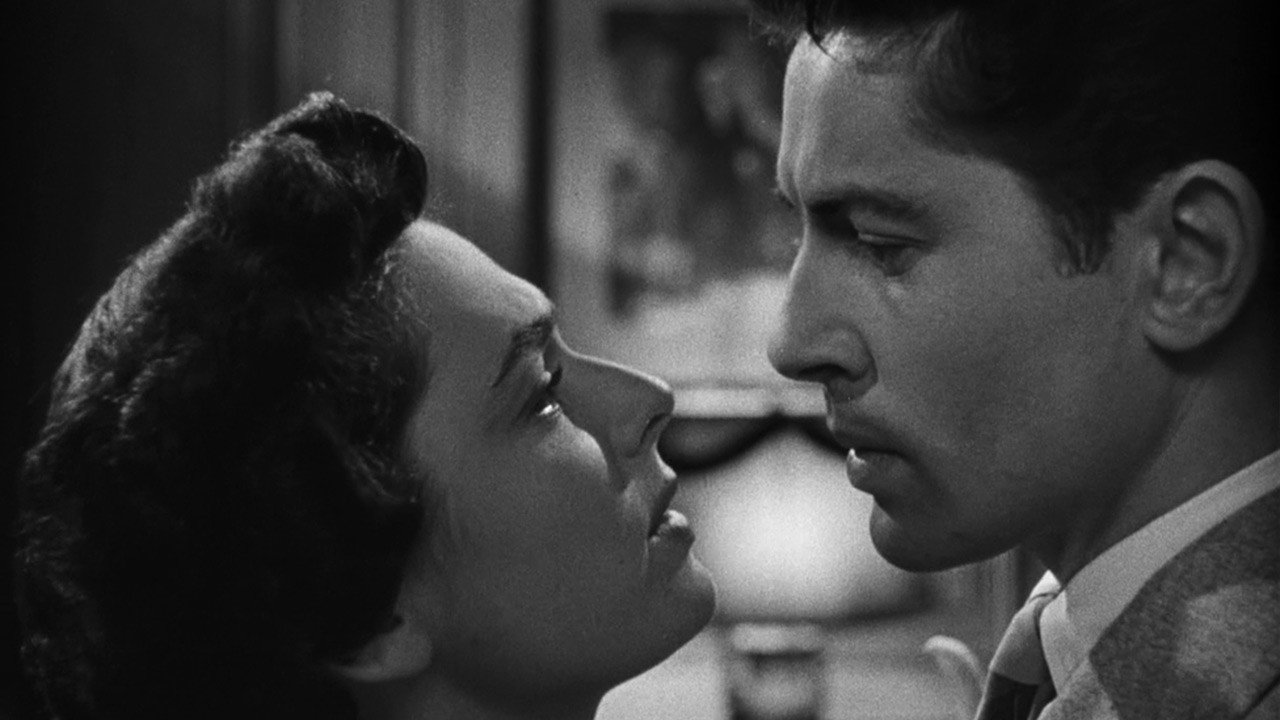
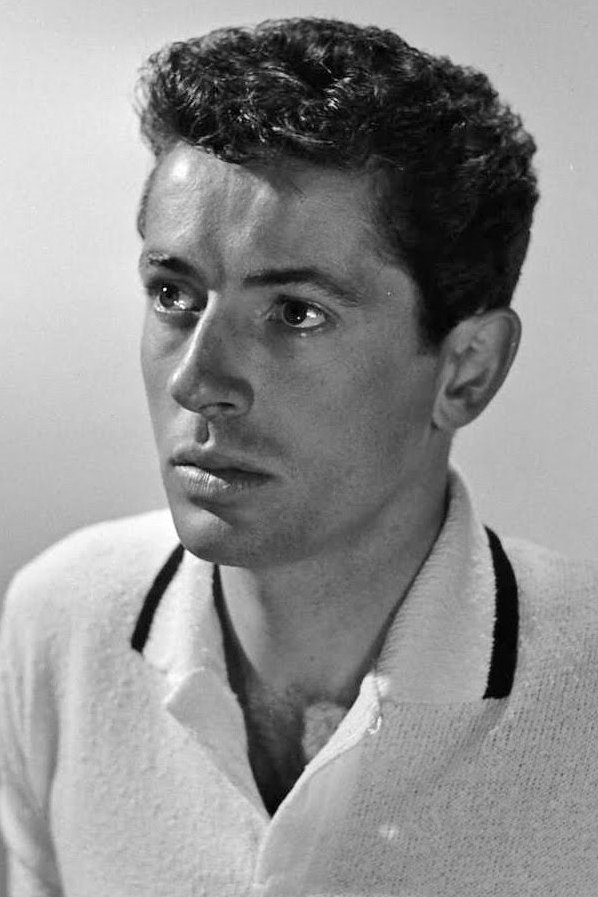
Farley Granger, as Guy Haines, has the less rewarding task of keeping us concerned about the person listening. He supplies enough discomfort to make the encounter work, although Guy never becomes as interesting as the man proposing the crime. Ruth Roman gives Anne Morton a steadiness we welcome, but the part offers less room for surprise than Bruno’s. The imbalance is useful while Guy is listening to Bruno, but becomes a limitation whenever the film expects its more respectable characters to hold our attention unaided.

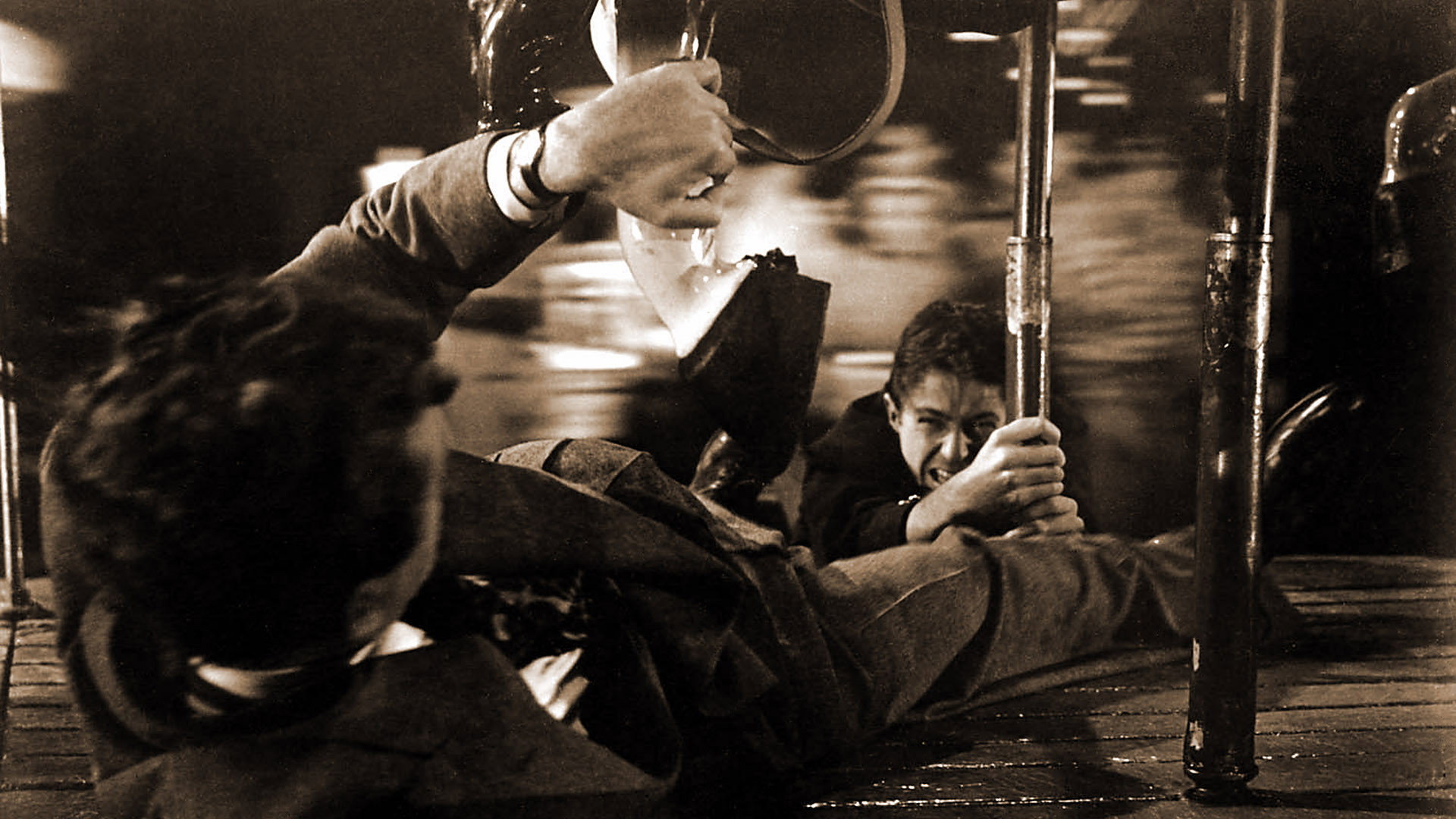
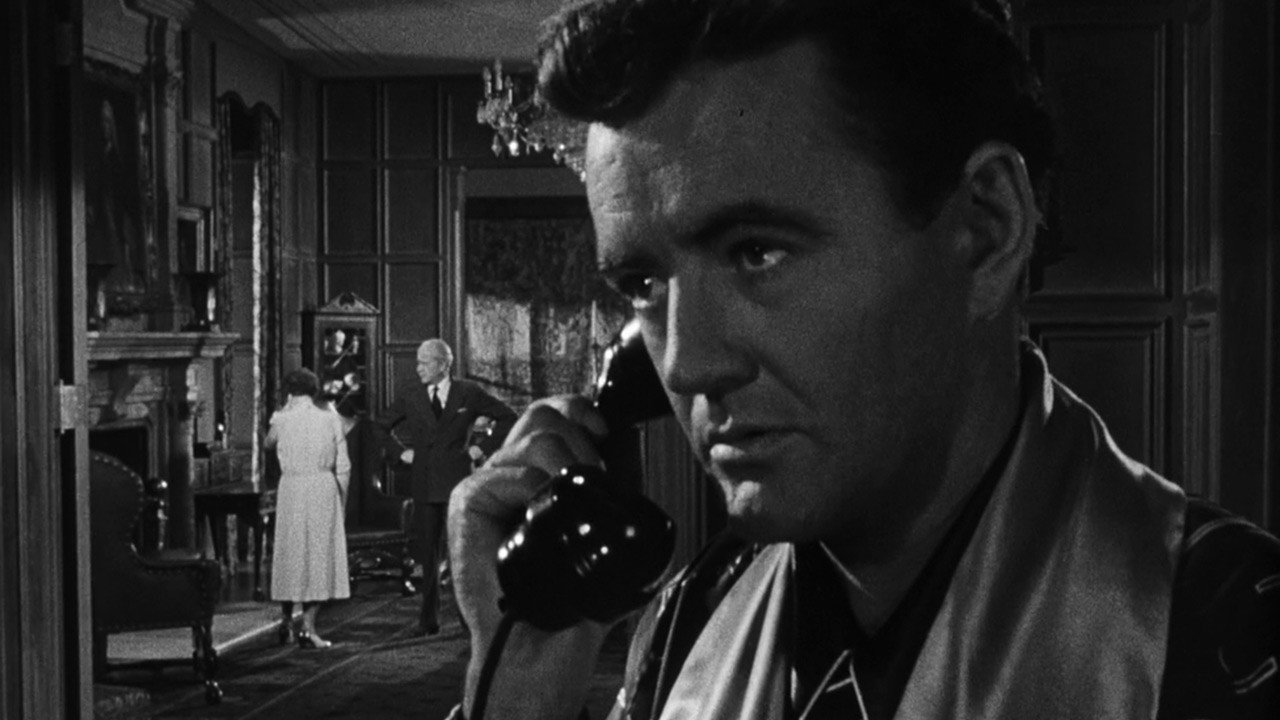
Robert Burks’s photography gives the shadows enough weight to make ordinary settings uneasy without making every image look like a warning. The crisscrossing railway tracks announce how closely the two men’s paths will become entangled, and Alfred Hitchcock keeps returning to circles and doubles. Those patterns are legible without requiring us to stop and decipher them. The fairground scenes benefit particularly from this control: a place built for amusement becomes frightening without ceasing to look like somewhere people would enjoy themselves.

William H. Ziegler’s editing is crucial to how easily we accept the film’s contrivances: the suspense gives us something immediate to worry about before we can start checking the reasoning. Even the more elaborate set pieces remain easy to follow. Dimitri Tiomkin’s music is sometimes more emphatic than the performances need, especially when Robert Walker has already made us uncomfortable. Yet the score’s energy suits a thriller that enjoys giving us a fright and makes little attempt to be discreet about it.

The screenplay, credited to Raymond Chandler and Czenzi Ormonde from Patricia Highsmith’s novel, is less persuasive about motives than it is about consequences. Too much depends on coincidence, and we occasionally notice the effort required to keep Guy in trouble. That matters in a thriller whose premise invites us to think through the practicalities of getting away with murder. Bruno’s behaviour remains compelling because Robert Walker makes his wish for companionship disturbing without reducing it to a tidy diagnosis.

At 101 minutes, it is a good choice for an evening when we want suspense without a long apprenticeship in the characters’ unhappiness. The qualification is simple: anyone who needs every decision in a thriller to survive interrogation will have objections here. Watch it for Robert Walker, and allow the plot a few favours.
Critical consensus AI synthesised

82
Positive
12
Mixed
0
Negative
1

Most critics find Strangers on a Train a gripping thriller, with praise concentrated on Hitchcock’s control of suspense and Robert Walker’s performance as Bruno. The reviews repeatedly single out the visual motifs, carefully staged set pieces and contrasts between the two leads. Walker’s mixture of charm, menace and vulnerability attracts particular attention, while several critics also value the black humour and sexual subtext. The broad agreement is that Hitchcock makes the murder-swap premise compelling through precise, playful filmmaking.

Reservations centre on plot logic and character motivation: even favourable reviews acknowledge contrivances or find Guy less compelling than Bruno. The spread is wide chiefly because of one dissent, rather than a substantial split. The New York Times rejects the story as thin and unconvincing and finds that neither the pictorial flourishes nor the performances make it persuasive. Elsewhere, the reviews largely accept the implausibilities as a tolerable cost of the suspense.

Radio Times
★★★★★ · David Parkinson
100

This is a splendid thriller showcasing Hitchcock's technical mastery in turning a tricky premise into gripping cinema, with outstanding fairground scenes; it notes production challenges with the script and cast but affirms the result as a nail-biter.

Read the full review →
Los Angeles Times
18 November 1996 · Kevin Thomas
90*

The 1951 suspense classic remains a timeless treat and a marvelous display of Hitchcock’s mastery, whether in its American or longer British cut. The alternate version makes the homosexual subtext more pronounced.

Read the full review →
Slant Magazine
16 October 2012 · Chuck Bowen
90*

The review calls it a brilliant black comedy and one of Hitchcock's richest, most daring works that merges text and subtext, marking the start of his run of subversively obsessive American films. It singles out the iconic imagery, latent chemistry between leads, and the exhilarating merry-go-round climax as highlights of the thriller.

Read the full review →
The Hollywood Reporter
30 June 2017 · THR Staff
90*

The critic praises Hitchcock's virtuosity in suspense dramas, using an imaginative plot with commonplace incidents and coincidence to keep viewers engaged, along with contrasted characters and locales for an enormously entertaining show. Strong casting is highlighted, especially Robert Walker's cunning psychopath and the effective merry-go-round finale.

Read the full review →
Variety
31 December 1950 · Variety Staff
90*

Hitchcock turns the Patricia Highsmith novel into a gripping, palm-sweating thriller with a fresh murder-swap premise. The cast delivers strongly, especially Robert Walker as the neurotic playboy.

Read the full review →
Little White Lies
28 March 2016 · Paul Risker
85*

The article praises Hitchcock's masterful use of three-act structure, visual motifs like crisscrossing train tracks, and playful misdirection to build suspense in this tale of duplicity. It singles out the film's gamesmanship and character dynamics as making it one of his most memorable works.

Read the full review →

Cast

Stills

Awards

Academy Awards, 1952

Nominated
Best Cinematography, Black-and-White

If you liked this, try…

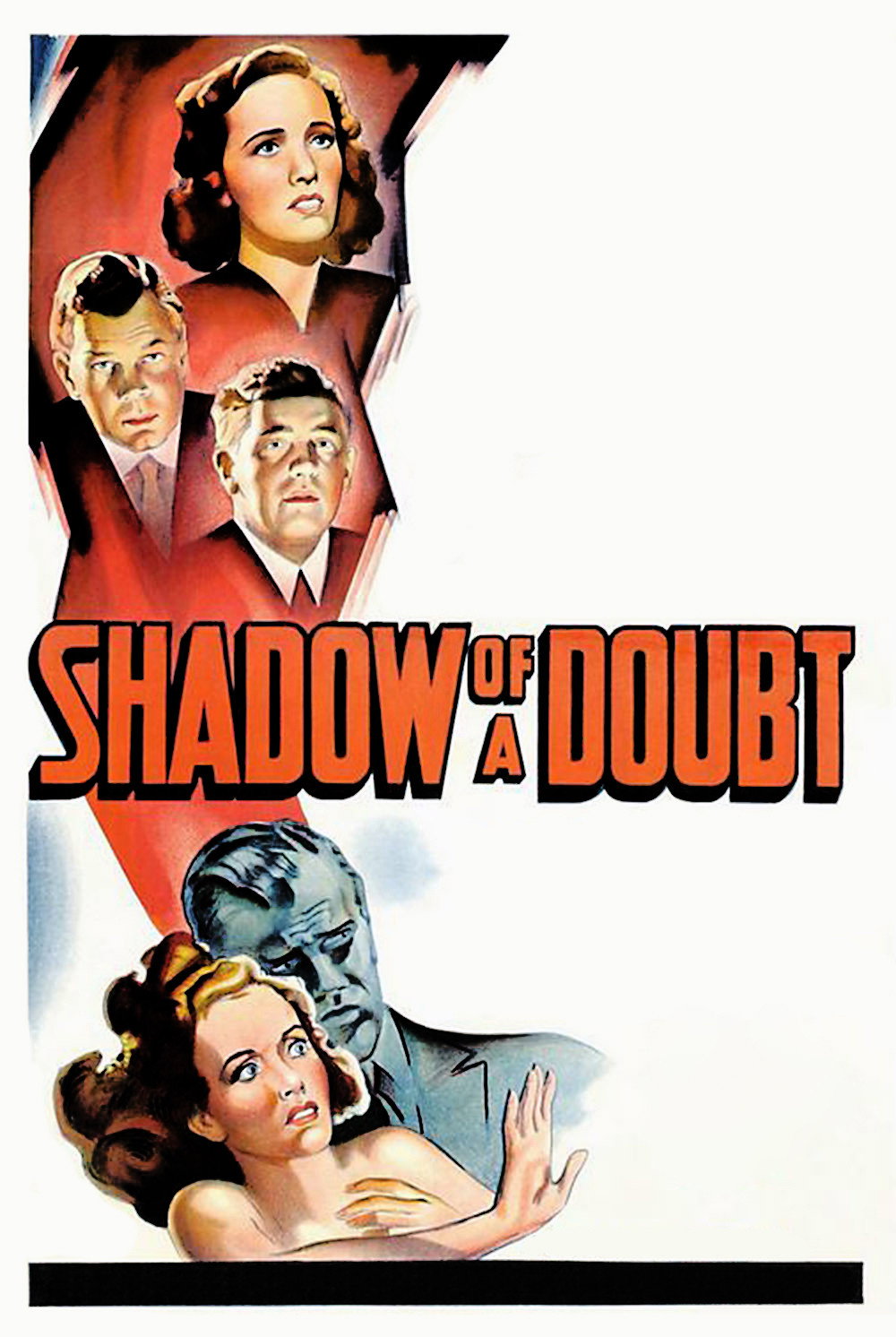
Shadow of a Doubt poster88

Shadow of a Doubt

1943 · Another charming visitor makes ordinary family life feel increasingly unsafe.

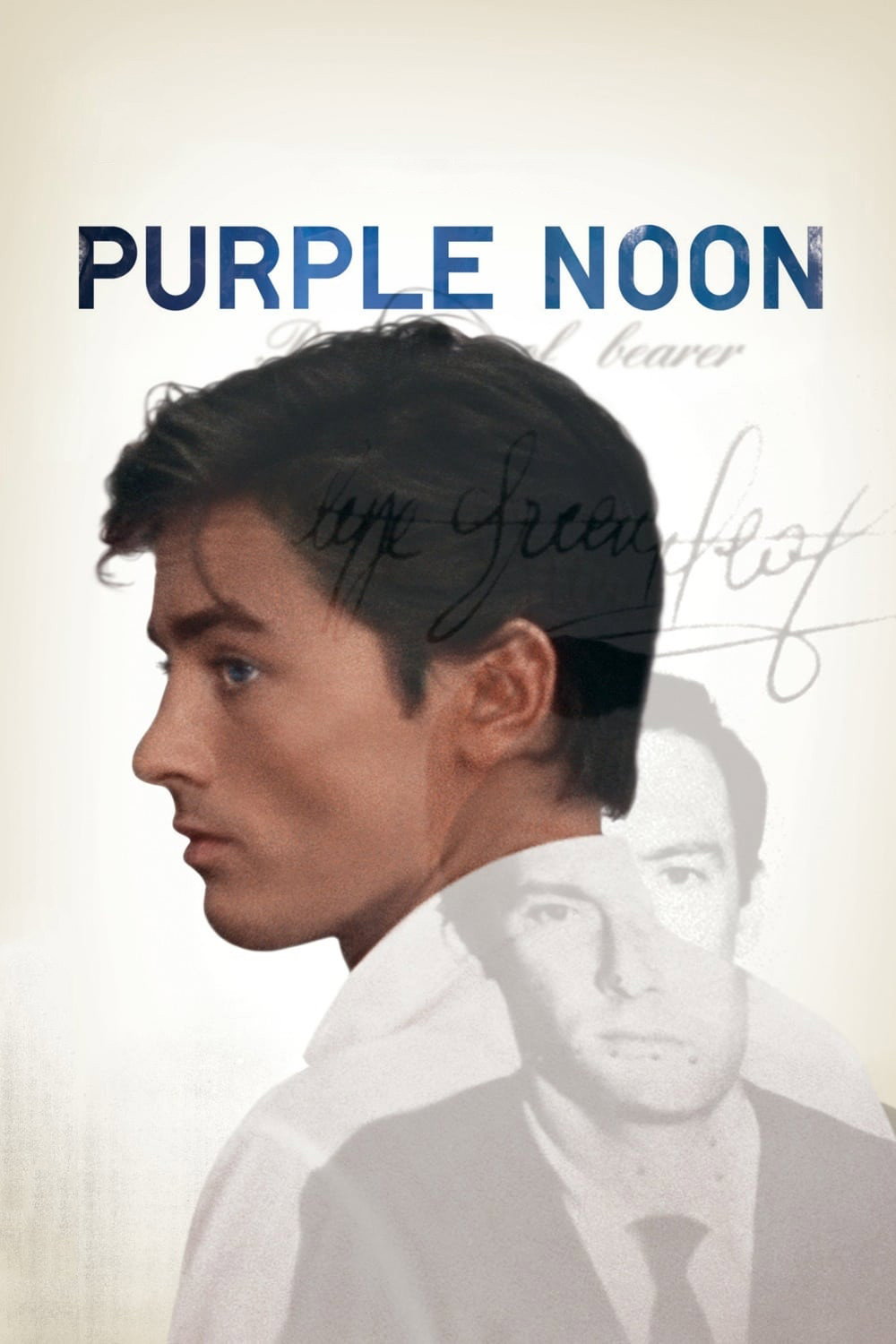
Purple Noon poster

Purple Noon

1960 · Sunshine, envy and an attractive man whose company deserves some caution.

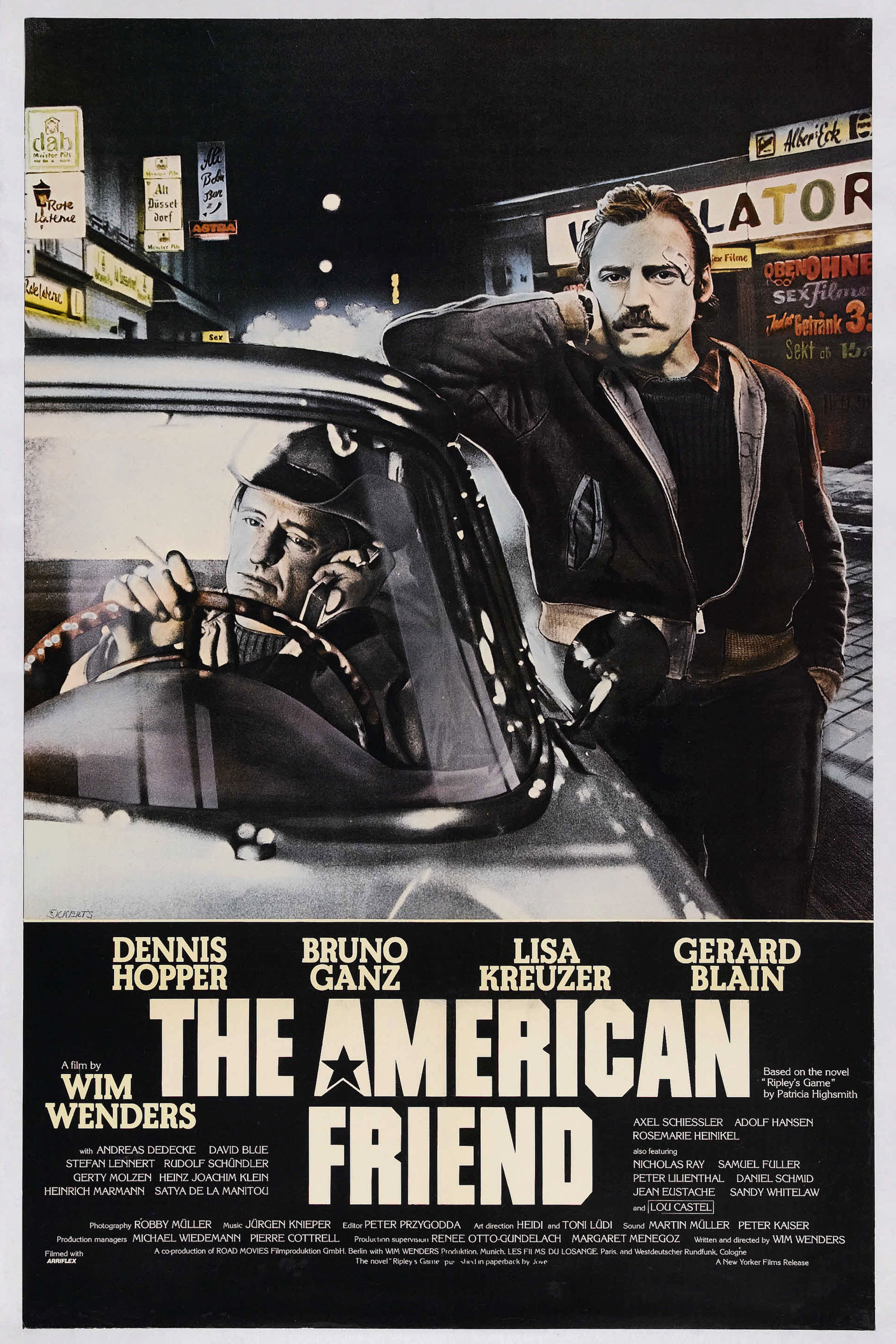
The American Friend poster

The American Friend

1977 · A stranger’s criminal proposal draws a troubled man into dangerous company.

The Vanishing poster

The Vanishing

1988 · Patient suspense built around an ordinary encounter and an appalling curiosity.

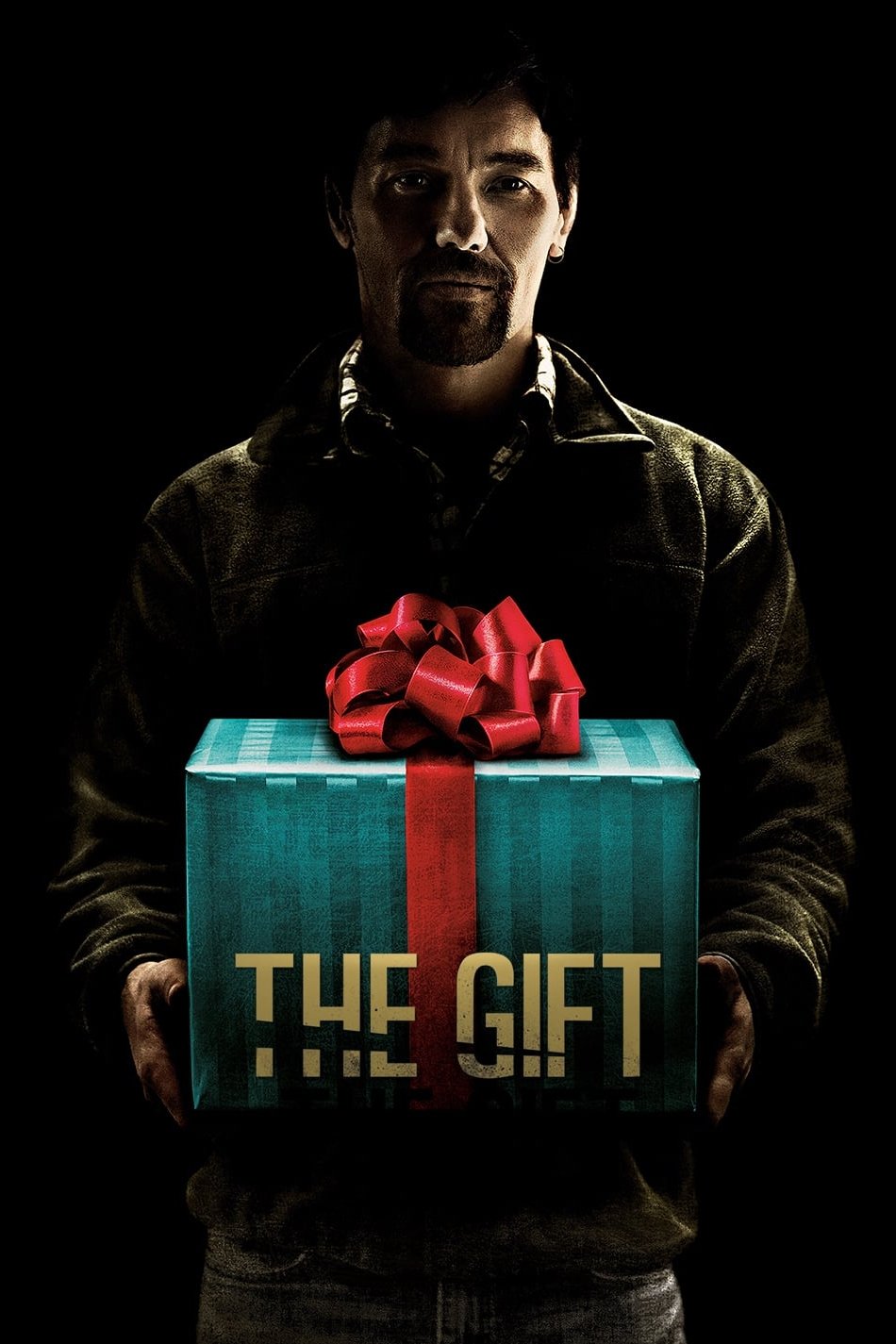
The Gift poster

The Gift

2015 · Unwanted friendliness turns social discomfort into something harder to dismiss.