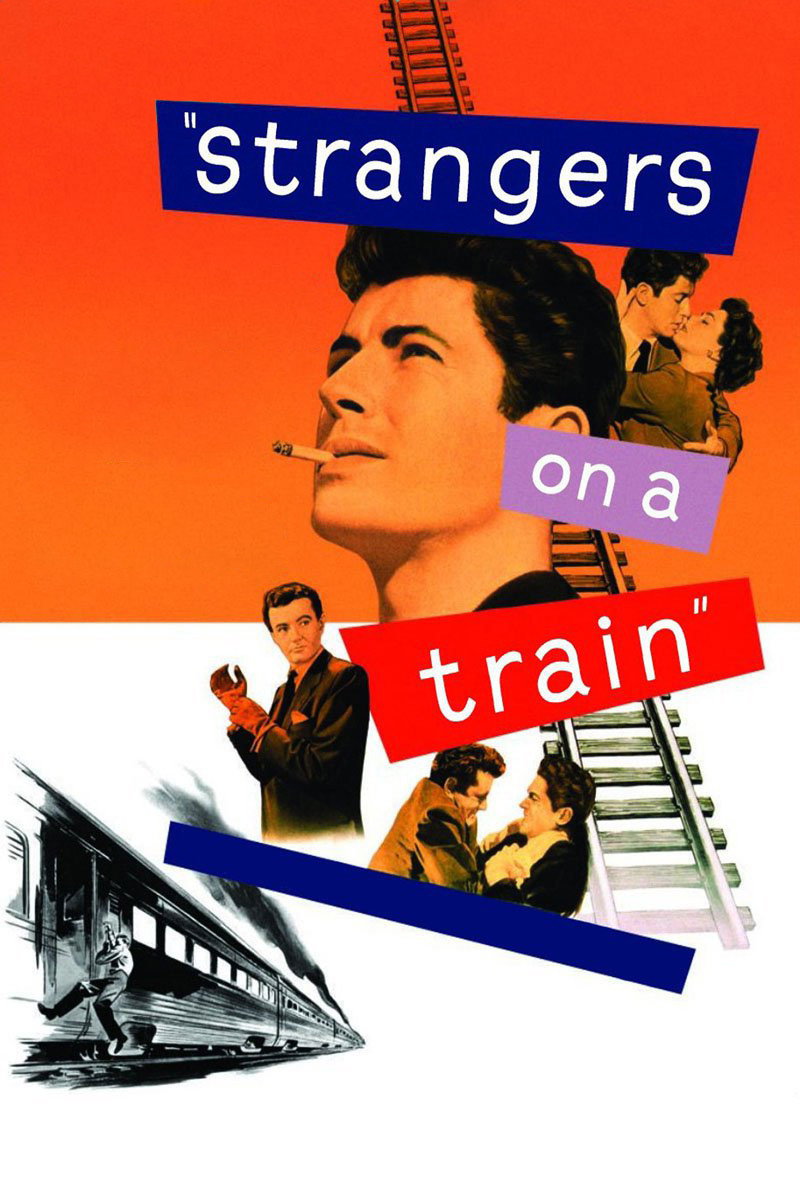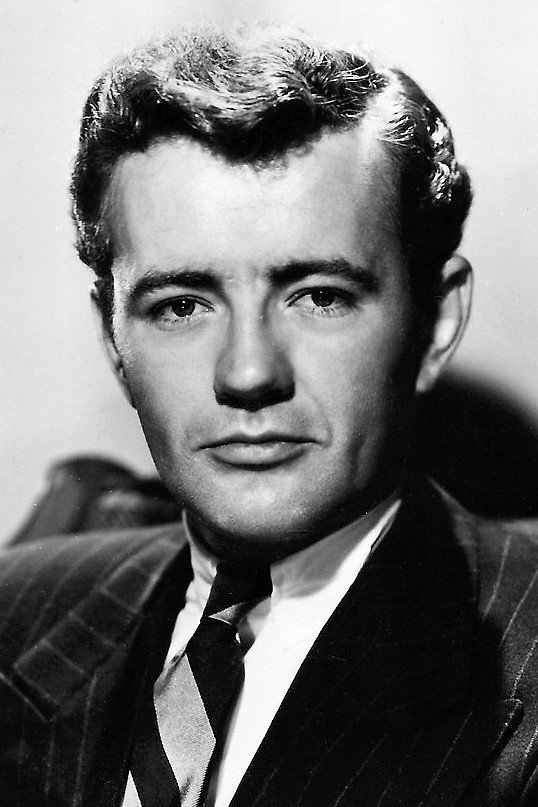
Robert Walker's boyish appeal becomes frightening when he plays a man who needs company too badly. Start with his Bruno in Strangers on a Train, where the wish to be liked makes the charm dangerous.
Fi1m perspective
Robert Walker makes Bruno Antony's murder proposal sound like the beginning of a friendship. In Alfred Hitchcock's Strangers on a Train (1951), his inviting confidence puts Guy in the awkward position of having to disappoint him. We warmed to Bruno and then felt uneasy, because Walker makes an appalling suggestion sound like a lonely man's attempt at conversation. He keeps the need for company apparent without making it an excuse. The performance is the chief reason we recommend a thriller whose plot relies more heavily on coincidence than it should.
That appeal had served more reassuring purposes in his MGM roles of the 1940s, often youthful soldiers or romantic leads. Thirty Seconds Over Tokyo (1944) belongs to the soldier pictures; in The Clock (1945), he plays Corporal Joe Allen opposite Judy Garland. Those parts drew on his boyishness and vulnerability, though conventional boyish leads could restrict him. The move to Bruno makes sense as a development of those qualities. With Bruno, being sensitive to another man's attention becomes part of what makes him threatening.
Walker allows Bruno's interest in Guy to exceed the practical needs of their proposed arrangement. The attraction between them is apparent, and his refusal to spell it out gives us something to watch beyond the mechanics of the scheme. His persistence grows frightening because the friendliness remains, even when we have good reason to distrust it. The screenplay is less persuasive about motives than consequences, but Walker never reduces Bruno to a diagnosis that would settle everything.
William H. Ziegler's editing helps, keeping suspense immediate enough to delay our objections to the plot and making the elaborate set pieces easy to follow. Dimitri Tiomkin's music sometimes presses harder than it needs to when Walker has already made us uncomfortable. The score's energy belongs in this thriller, though the performance often supplies enough unease on its own. Start with Strangers on a Train, provided a few unlikely plot turns will not spoil the evening.
Biography
Robert Hudson Walker was an American actor. Born in Salt Lake City, Utah, on 13 October 1918, he began his career in radio and made his film debut in 1939. He appeared in youthful leading roles, often as soldiers during the Second World War, in films including Thirty Seconds Over Tokyo (1944), Since You Went Away (1944) and The Clock (1945).
Walker is known for his performance as the villain Bruno Antony in Alfred Hitchcock's Strangers on a Train (1951). He had previously been under contract to MGM and received treatment for a psychiatric disorder at the Menninger Clinic in 1949. He died in Los Angeles on 28 August 1951, aged 32. He was married to actress Jennifer Jones from 1939 to 1945; their sons Robert Walker Jr. and Michael both became actors.