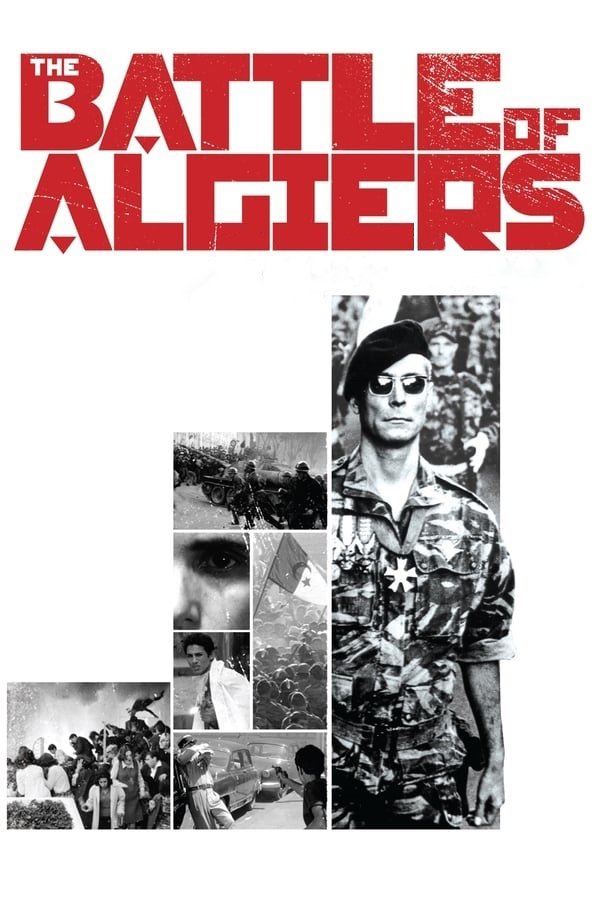
The consensus is strongly positive, with praise centred on Pontecorvo’s documentary-like reconstruction and the force of its political drama. Critics repeatedly single out the newsreel-style photography, the sense of events unfolding rather than being staged, and the attention to individuals within the uprising. The reviews also agree that its depictions of violence on both sides create compassion without softening the brutality, while its suspense makes the political detail gripping rather than dutiful.
There is little substantive dissent in these accounts, and no recurring reservation emerges. The differences concern how critics describe the film’s political stance: Radio Times stresses its refusal to condemn or condone, while Film Comment emphasises clear sympathies alongside an unromanticised account of resistance and escalation. Some reviews foreground the reconstruction’s realism; others place greater weight on its analysis of urban revolt and the human cost of repression.