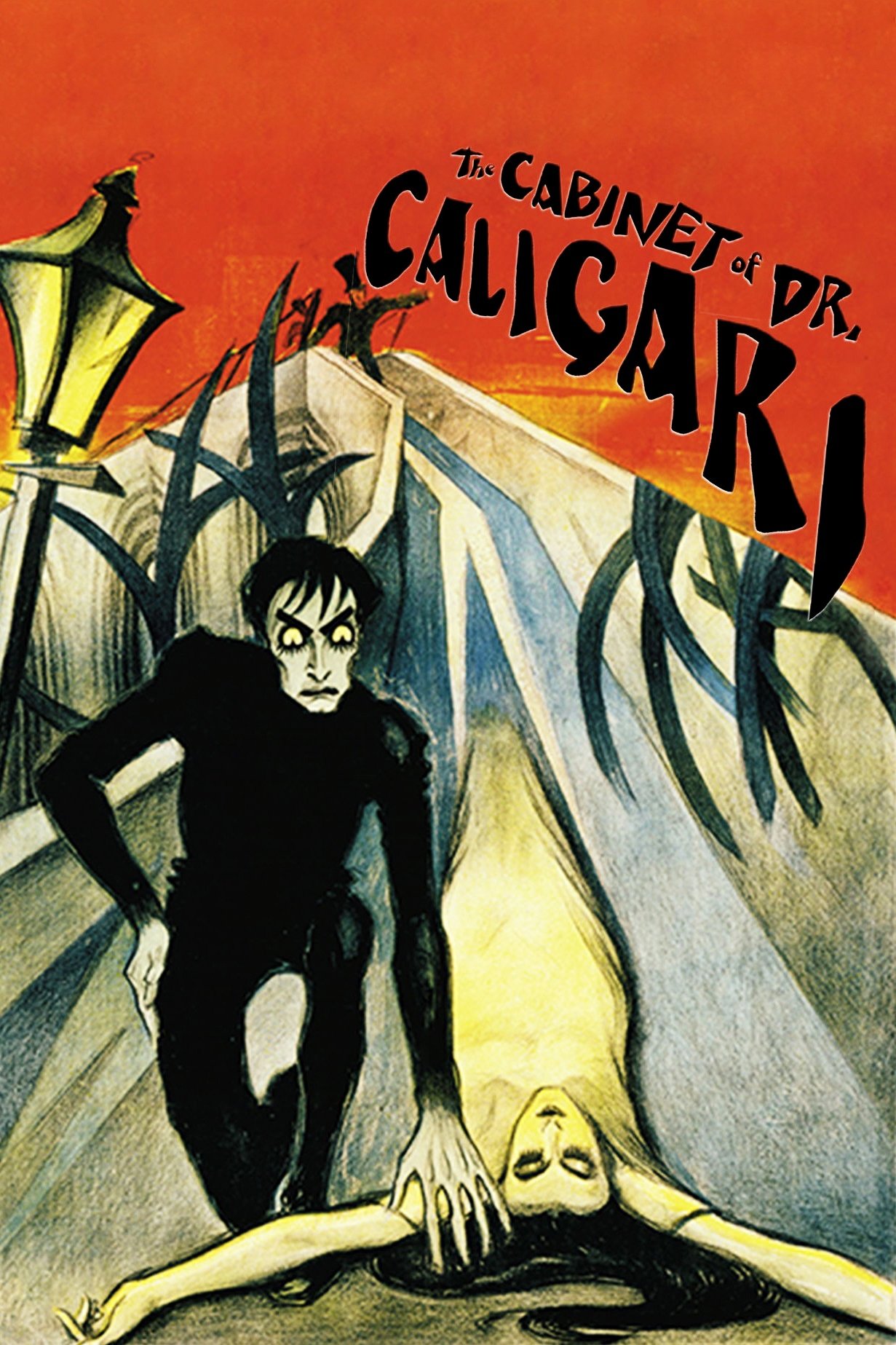
The reviews are unanimously positive, with praise centred on the jagged Expressionist sets, painted shadows and distorted perspectives that make fear visible. Most critics regard the film as foundational to horror, but also stress its continuing ability to unsettle rather than treating it merely as a historical milestone. Conrad Veidt and Werner Krauss receive particular praise for their performances. Several reviews also credit the restorations with making the visual detail clearer while preserving the film’s character.
The differences concern the degree of enthusiasm, with scores ranging from warm approval to outright celebration. The New Yorker offers the clearest reservation about the style itself, finding that the décor can become monotonous and the acting limited. Collider raises a separate concern about the framing story weakening the anti-authoritarian message. Neither reservation overturns those critics’ appreciation, and there is no substantial negative dissent in this selection.
T
Time Out
31 July 2014 · ★★★★★ · DP
100
The critic calls it one of the most exciting and inspired horror movies ever made, full of expressionist paranoia and gloom from post-WWI Germany. They single out the extraordinary use of painted light and Conrad Veidt’s marvellous performance for praise.
Read the full review →E
Empire
11 August 2014 · Anna Smith
90*
The critic praises the 4K restoration of the 1920 silent classic, highlighting its jagged Expressionist sets, non-naturalistic acting, nested flashbacks, and enduring twist ending as reasons it remains a disorienting masterpiece worth seeing on the big screen.
Read the full review →R
RogerEbert.com
3 June 2009 · Roger Ebert
90*
The film creates a mindscape of subjective psychological fantasy through its jagged, tilted Expressionist sets, making it arguably the first true horror movie. Ebert praises its unsettling visual style and lasting influence on the genre.
Read the full review →S
Sight and Sound
25 February 2020 · Alex Barrett
90*
The critic celebrates the film as a landmark of silent cinema and one of the first true horror films that helped establish cinema as an art form. They single out its innovative expressionist set design and ambiguous frame story with twist ending for particular praise.
Read the full review →G
The Guardian
5 October 2014 · Philip French
90*
French praises this exceptional restoration of the 1920 expressionist masterpiece as probably the best version anyone alive has seen, accompanied by a strong documentary on its Weimar-era context. He finds the film as arresting and provocative as ever despite past criticisms of it as dated or overrated.
Read the full review →T
The Times
29 August 2014 · Kate Muir
90*
Muir highlights the splendid digital restoration that removes scratches and jump-cuts from old prints, making the German Expressionist classic deserving of fresh viewing. She calls it the mother lode of the horror genre, full of pop-eyed terror, lunatics, murderers and possessed somnambulists in eerie shadows.
Read the full review →S
Slant Magazine
21 October 2024 · Clayton Dillard
85*
The critic praises the film's pioneering Expressionist imagery and enduring status as cinema's preeminent embodiment of dreamlike anguish, while noting its embedded queer narrative. They single out the 4K restoration for its improved sharpness and the way it preserves the film's filmic qualities.
Read the full review →L
Los Angeles Times
28 October 1993 · Mark Chalon Smith
80*
The 1919 film is a true milestone as the first horror movie and the first to use set design symbolically rather than as mere backdrop. Smith highlights its twisted angles, darkened spaces, and deeper meaning as a metaphor for insanity and authoritarian threat.
Read the full review →V
Variety
31 December 1918 · Variety Staff
75*
The German film is a morbid mystery told in the Poe manner that prods interest at a high pace through its direction, cutting, and distinctive settings. The review praises the performances, especially Werner Krauss as Caligari, while noting the story’s twists.
Read the full review →N
The New Yorker
23 October 2014 · Pauline Kael
70*
The film confines the audience in the madman’s distorted, angular world of fears and menace through its expressionistic sets. Kael calls it a famous masterpiece and radical advance in technique but cautions that the décor can feel monotonous and the acting limited.
Read the full review →E
Eye for Film
29 August 2014 · festival review · Jennie Kermode
90*
This is cinema's first true horror classic and one of its earliest masterpieces, meticulously crafted with groundbreaking techniques and unmatched striking imagery. The critic singles out the Expressionist sets as a conscious artistic statement that elevated film to high art.
Read the full review →P
Paste
24 July 2019 · Jim Vorel
90*
The critic highlights the film's transformative impact on horror and German Expressionism through its innovative visuals and narrative techniques like the twist ending and unreliable narrator, calling it a foundational work that deserves to be seen.
Read the full review →D
Den of Geek
26 February 2019 · Jim Knipfel
85*
The piece celebrates the 1920 film as the first true horror movie and a pioneering work of German Expressionism whose distorted sets and visuals invented key genre tropes. It singles out the film's groundbreaking painted backdrops and unbalanced perspectives for creating an immersive nightmare world that influenced everything from film noir to modern horror.
Read the full review →H
HeyUGuys
29 August 2014 · Gary Green
85*
The re-release restoration highlights the film's pioneering Expressionist style and its foundational role in psychological thrillers, horror, and noir. The critic praises the striking, geometrically distorted sets and the narrative's exploration of madness and unreliable reality.
Read the full review →C
Collider
23 September 2016 · Dave Trumbore
80*
The critic praises the film's historical significance, unique presentation, and its role in founding modern horror, while noting a potential criticism of the framing story undermining the anti-authoritarian message. The visuals and story are still enjoyable today.
Read the full review →S
The Skinny
4 May 2018 · Jamie Dunn
80*
The retrospective hails Caligari as a wild horror masterpiece that wholly immerses viewers in a subjective psychological fantasy through its cock-eyed, violent set design. It singles out the jaw-dropping art direction by Hermann Warm, Walter Reimann and Walter Röhrig for making every frame scream dread and madness while birthing Expressionist cinema and influencing later filmmakers like Lynch and Burton.
Read the full review →Ordered by the weight we give each publication, then by score. Scores are normalised to 100; * means inferred from an unrated review. Summaries are ours, not quotations; follow the links for the reviews themselves. How we rate