Robert Wiene’s silent horror still unsettles, chiefly through Conrad Veidt and sets that give the eye nowhere comfortable to rest. The relentless crookedness occasionally grows tiresome, but we recommend it warmly.
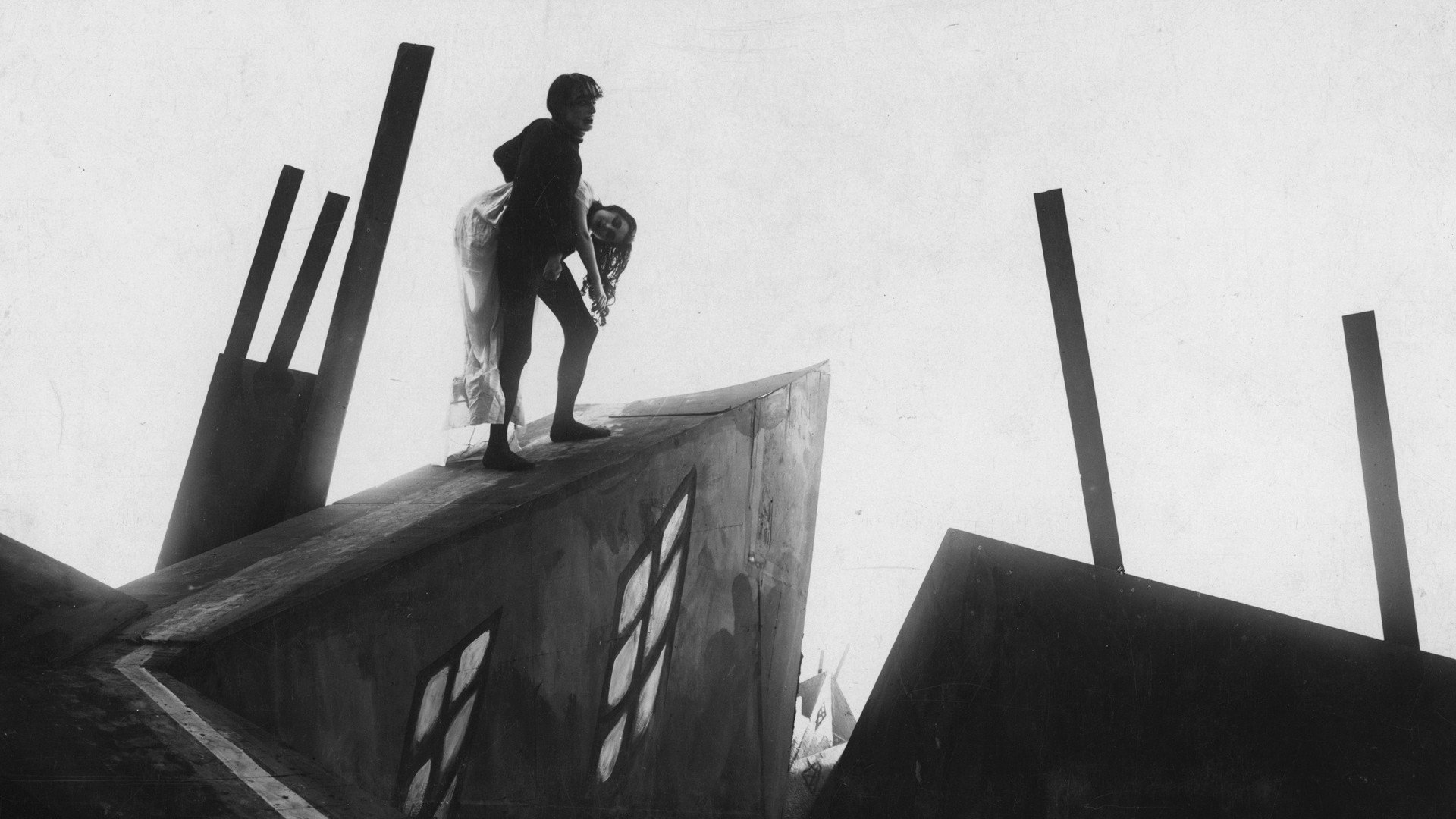
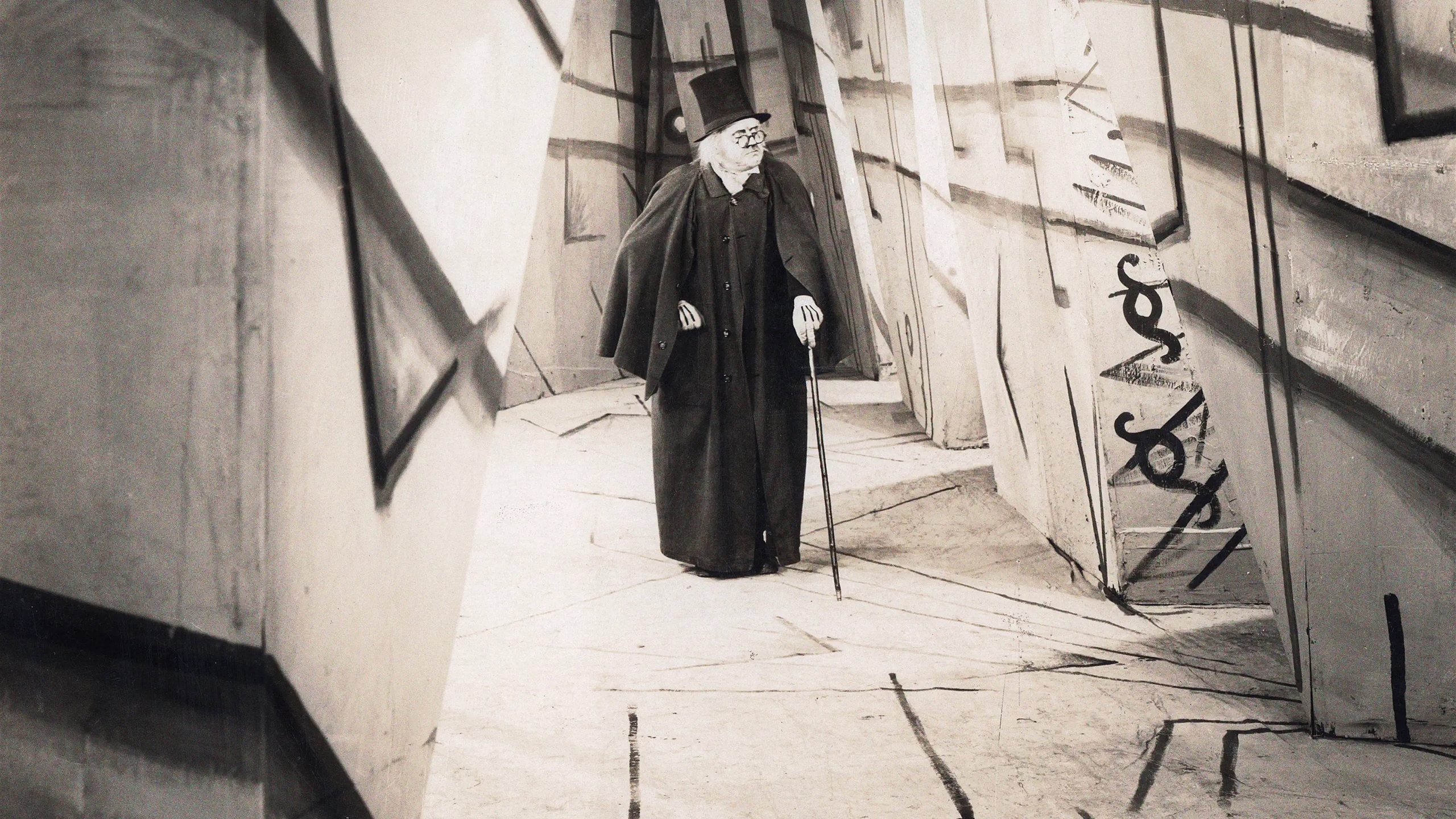
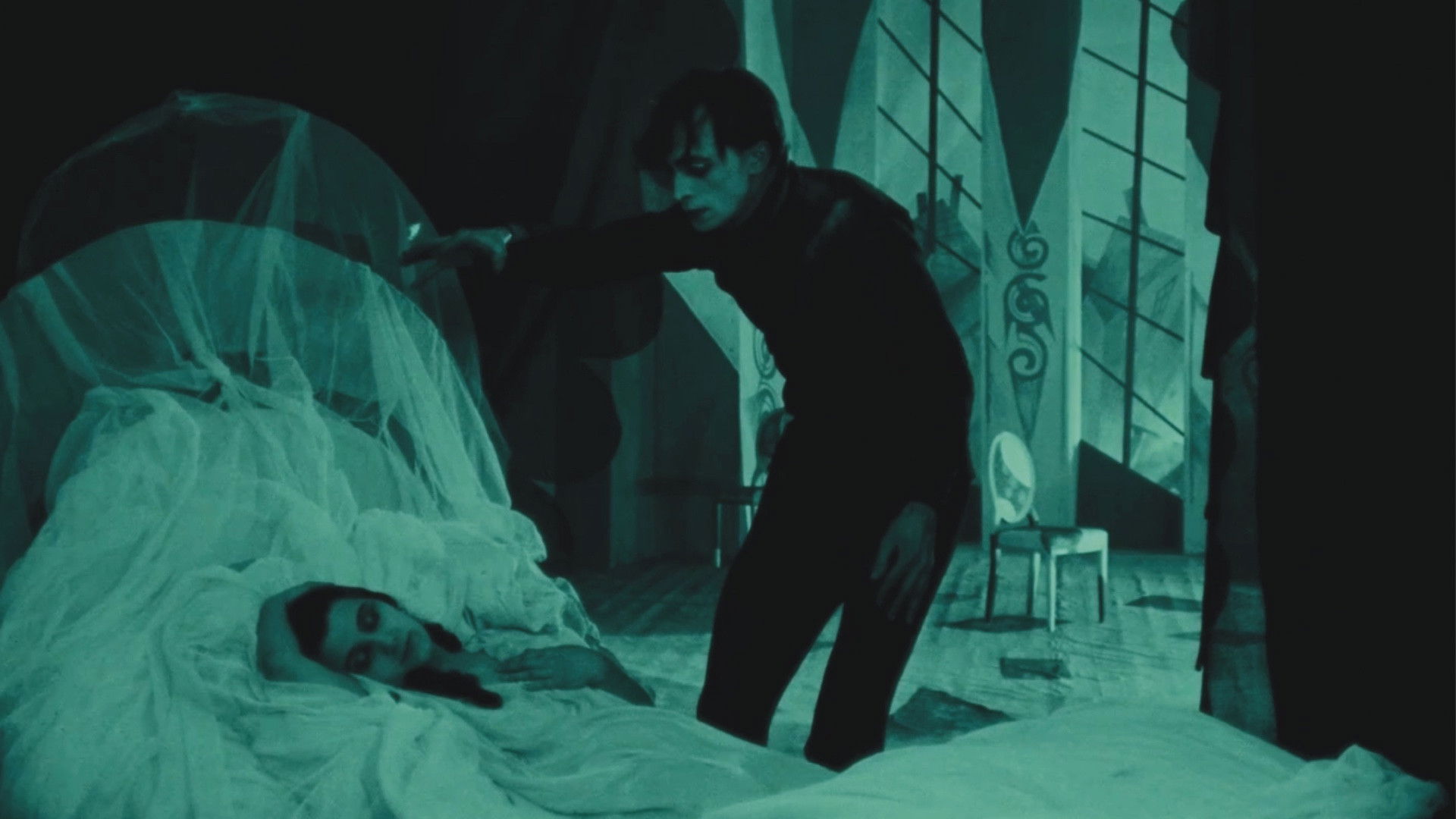
Robert Wiene’s The Cabinet of Dr. Caligari is a rewarding horror film, provided we accept that it intends to keep almost everything looking wrong. We recommend it warmly, with a warning that its unbroken visual strain can become tiring. This 1920 silent film makes fear visible in the scenery, rather than leaving the actors to supply it all. The sloping perspectives and jagged backdrops tell us not to relax long before the mystery has much explaining to do.
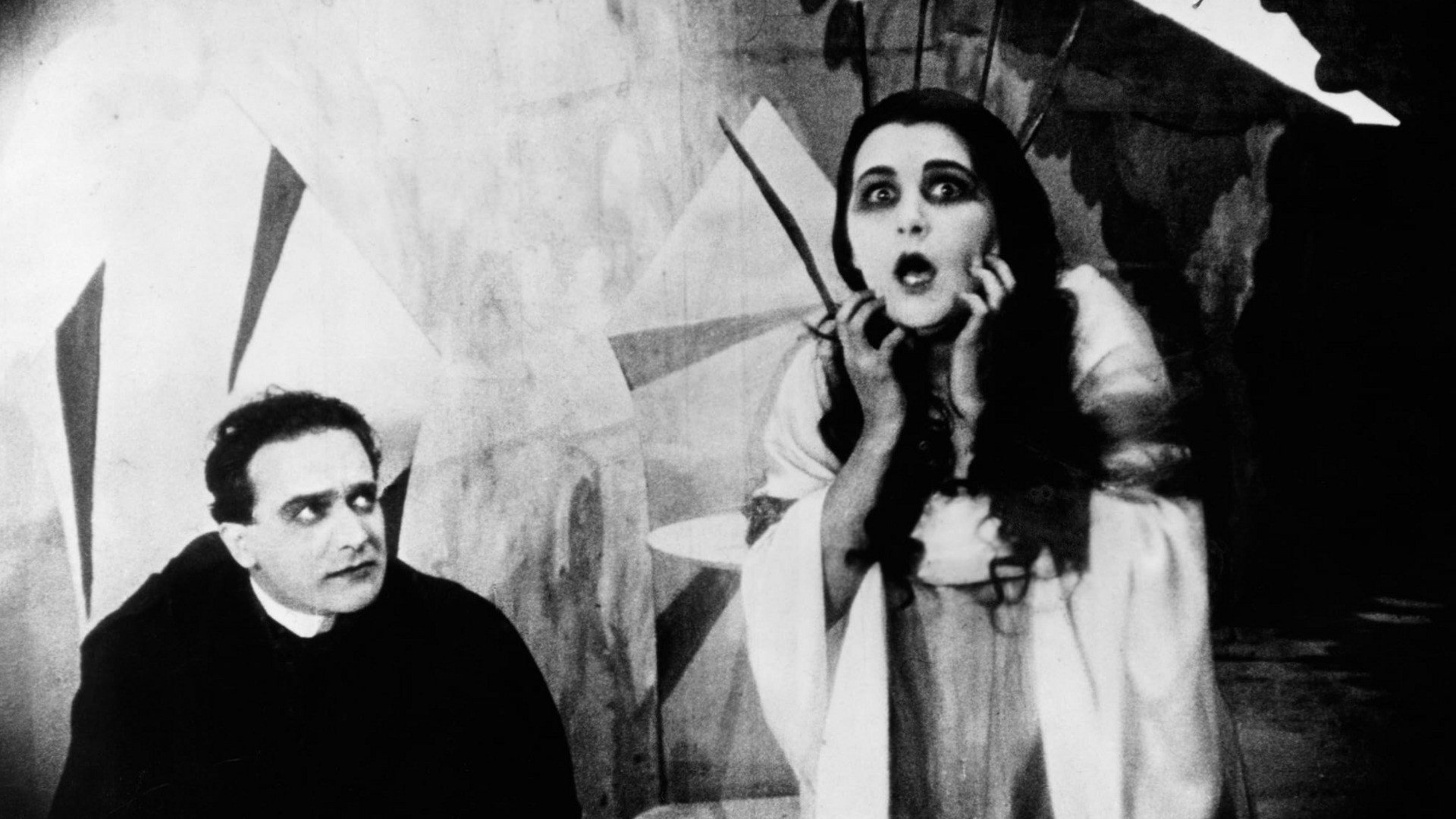
Hermann Warm, Walter Röhrig and Walter Reimann deserve much of the credit for that unease. Their production design uses crooked angles and painted light to make the surroundings as disturbing as the people. We felt trapped by those tilted walls and shadows, because even the places that should give the eye somewhere to rest seem to lean against it. The sets are plainly constructed, and their lack of realism is part of what makes them work: there is no familiar, ordinary space against which to measure the strange behaviour.
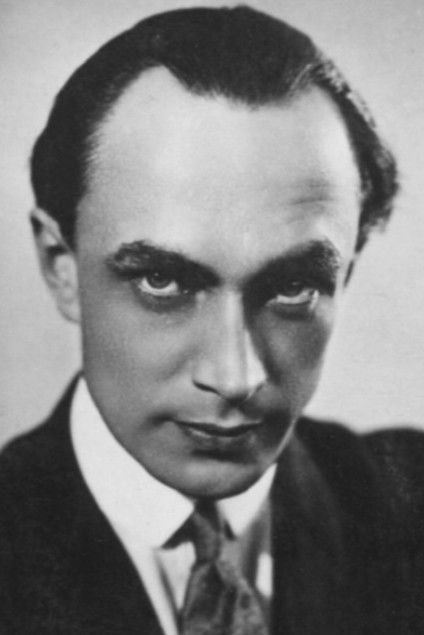
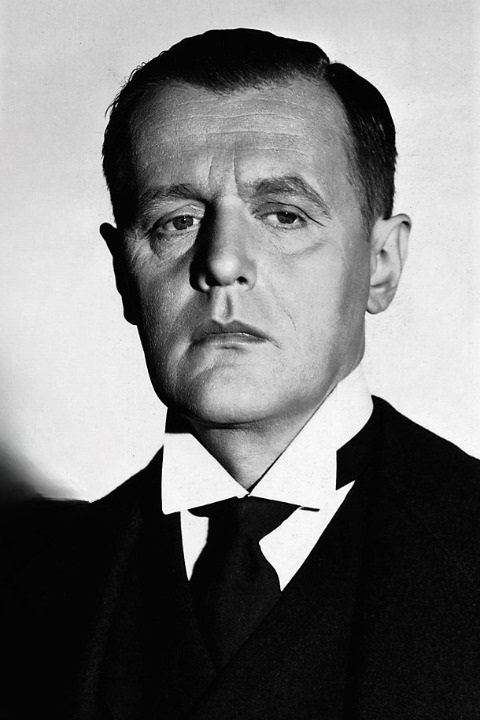
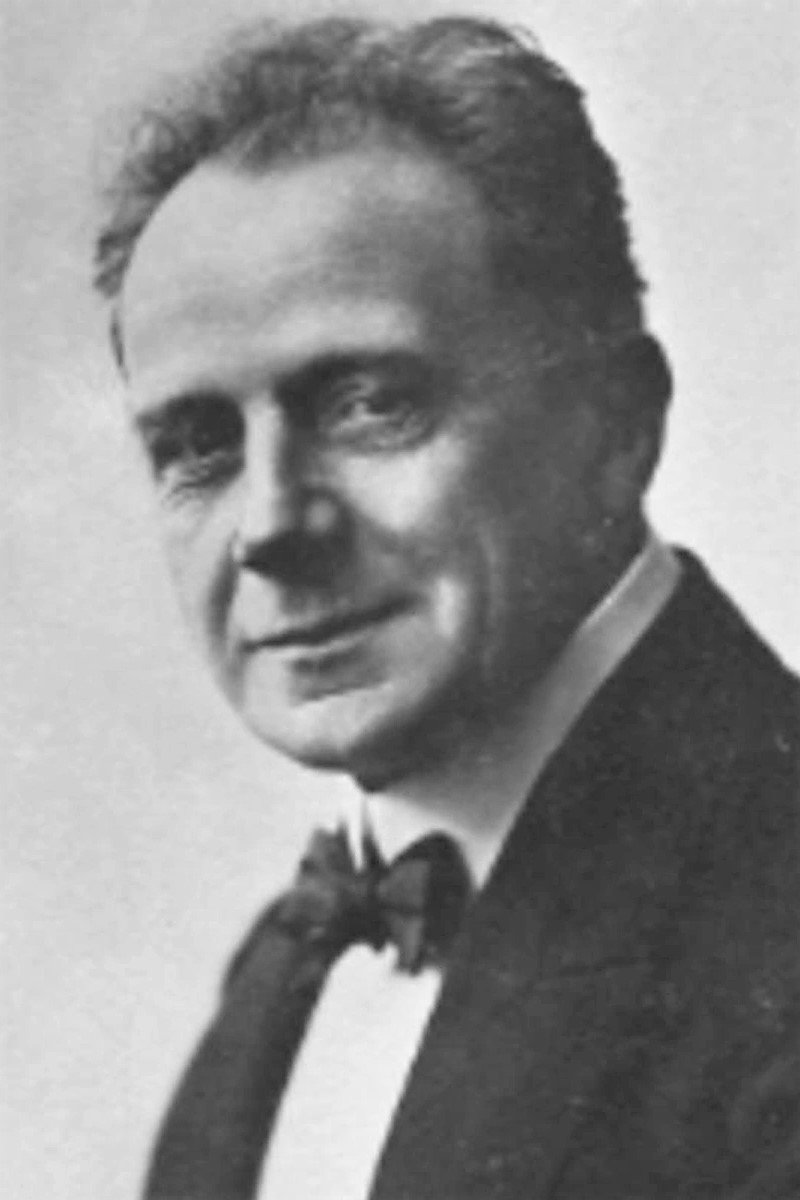
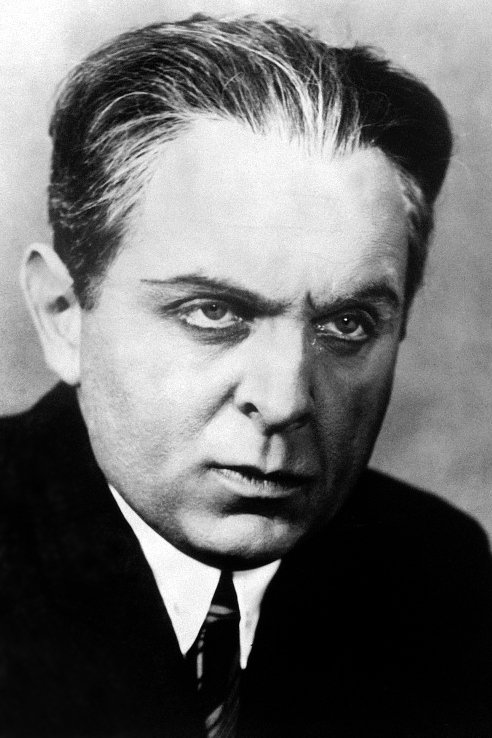
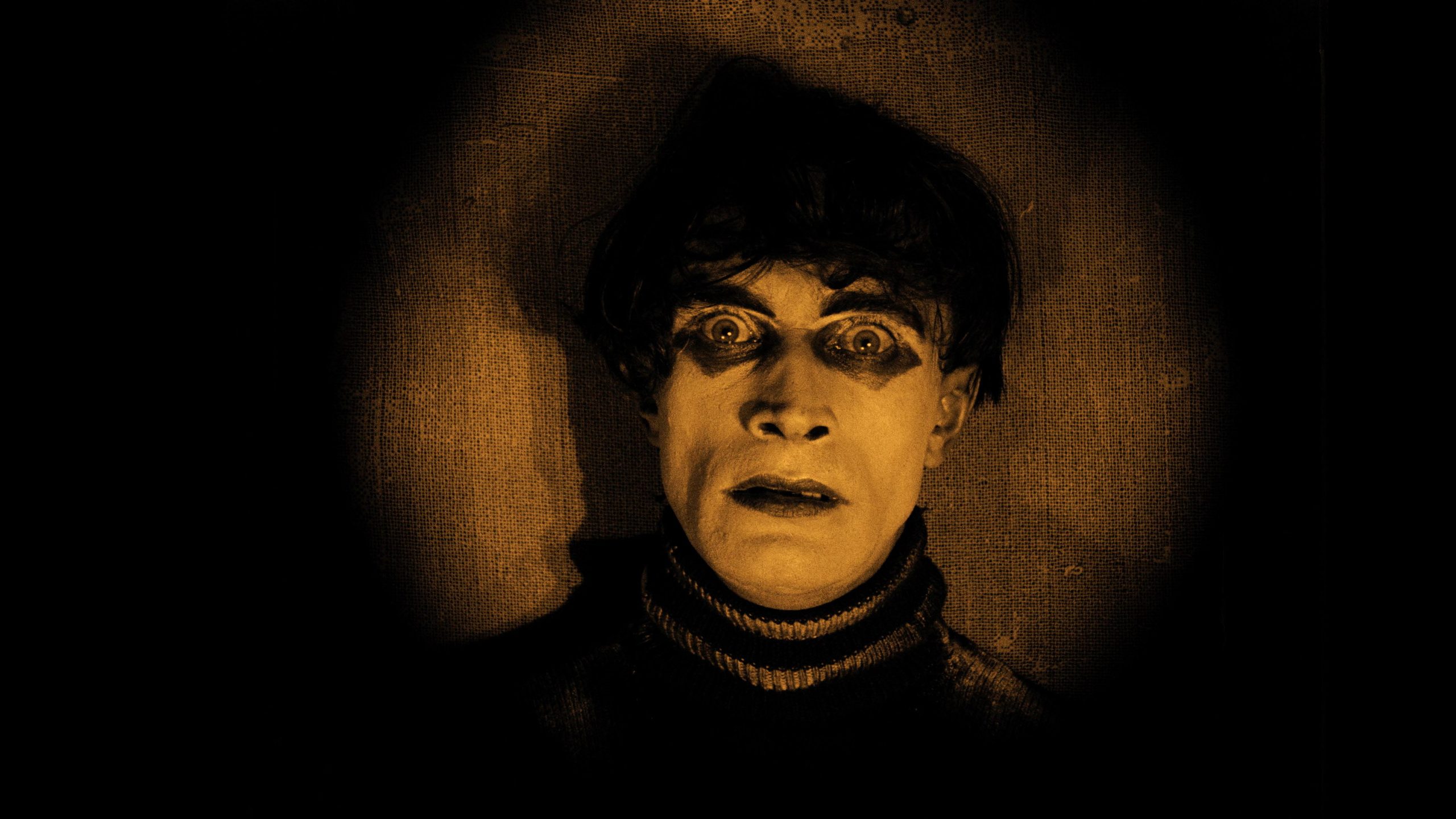
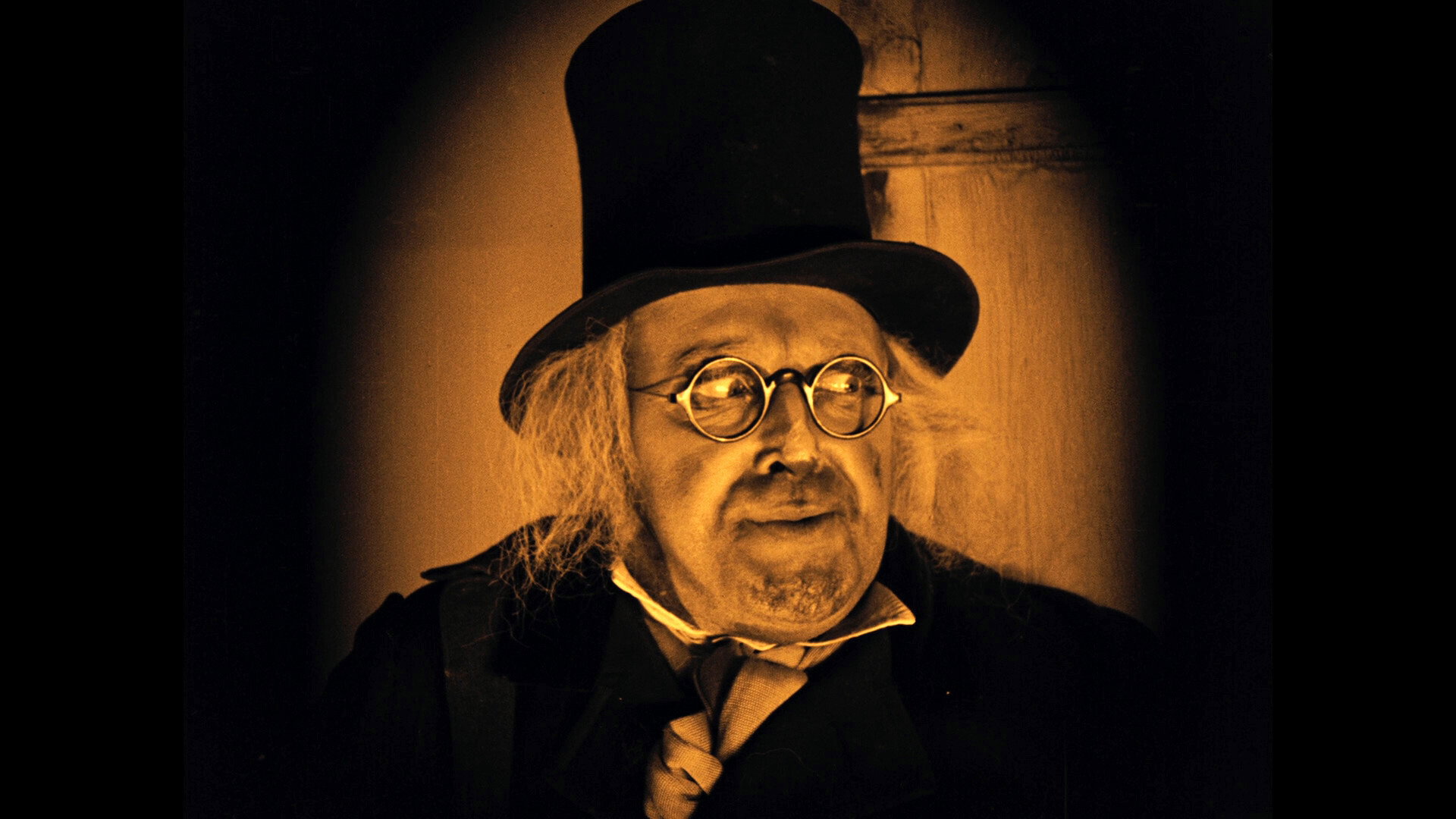
Conrad Veidt is the performer most at home here. As Cesare, he gives the exaggerated acting a precision that makes it unsettling rather than merely emphatic. Werner Krauss’s Dr. Caligari is a broader presence, and there is pleasure in how readily he belongs among these improbable shapes. Friedrich Feher’s Francis and Lil Dagover’s Jane are less arresting; beside Veidt, their expressions of distress can feel like instructions about how we ought to react. That imbalance matters, because the scenery is already doing plenty of instructing.
Willy Hameister’s cinematography gives the painted light and dark the clarity they need, without trying to make the rooms look plausible. The pleasure lies in being able to examine their shapes, even while those shapes make the space difficult to settle into. That gives the film a different rhythm from horror built around sudden shocks: looking is itself an uneasy activity. Giuseppe Becce and Alfredo Antonini are credited for music, though it is the painted shadows that stay with us when we think back on the film.
The reservation is repetition. When every angle signals danger, a fresh stretch of distorted scenery has to work harder to disturb us, and occasionally the effect becomes decorative. Carl Mayer and Hans Janowitz’s screenplay keeps a mystery running through these surroundings, but the elaborate storytelling can seem less compelling than a single image of Cesare. The cutting helps maintain forward movement; it cannot always stop us noticing how insistently the film returns to the same visual pressure. At 77 minutes, there is still room for the feeling that a quieter passage would have helped.
For all that, The Cabinet of Dr. Caligari makes a persuasive case for horror that does not try to reproduce ordinary life. Its influence on the genre is substantial, but that is a poor reason to ask anyone to sit through a film; the test is whether the pictures can still unsettle us. These can, particularly when Veidt is given our attention. Try it if carefully arranged strangeness appeals, and allow the exaggerated acting a little time to stop seeming like an obstacle.