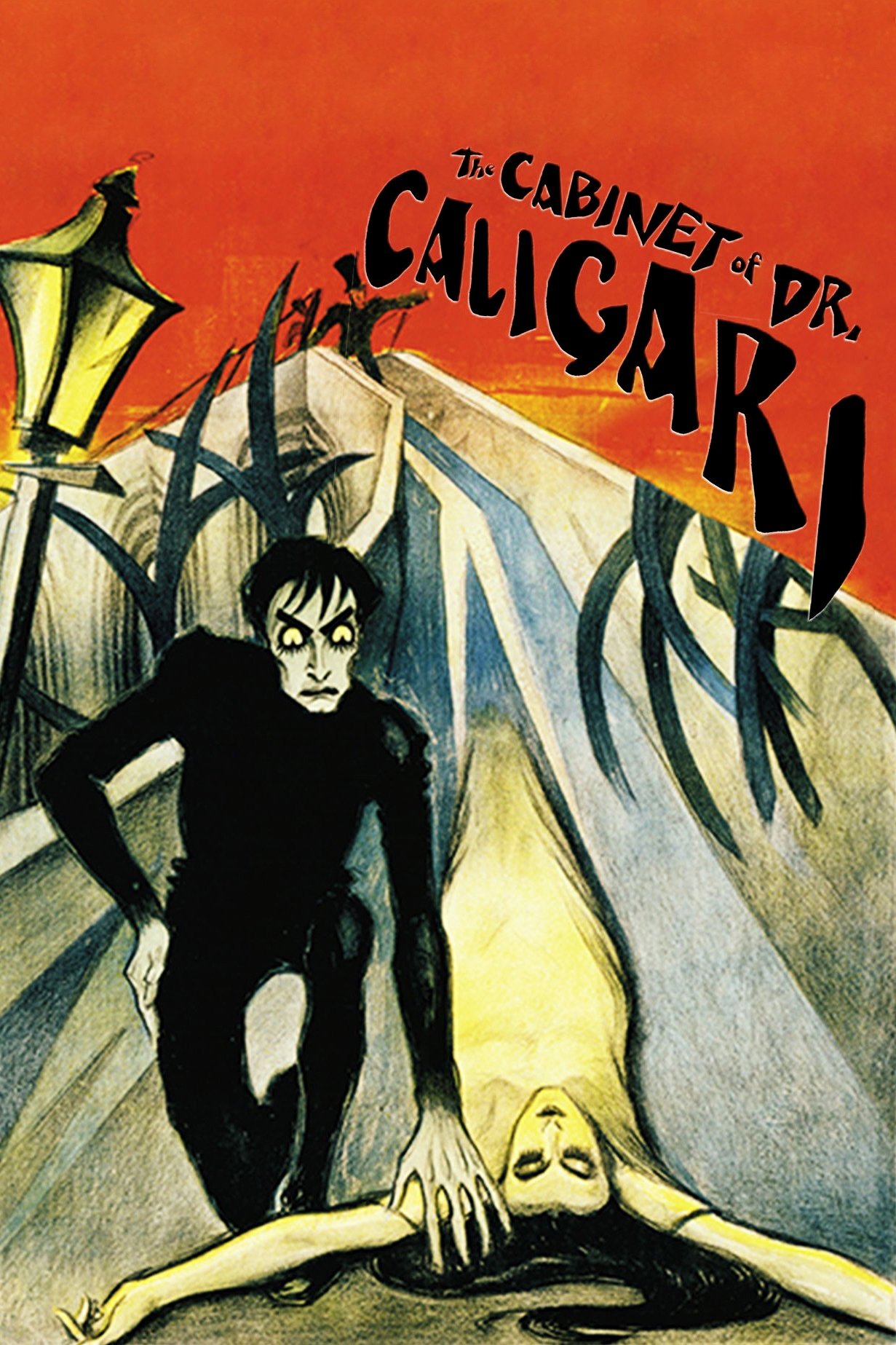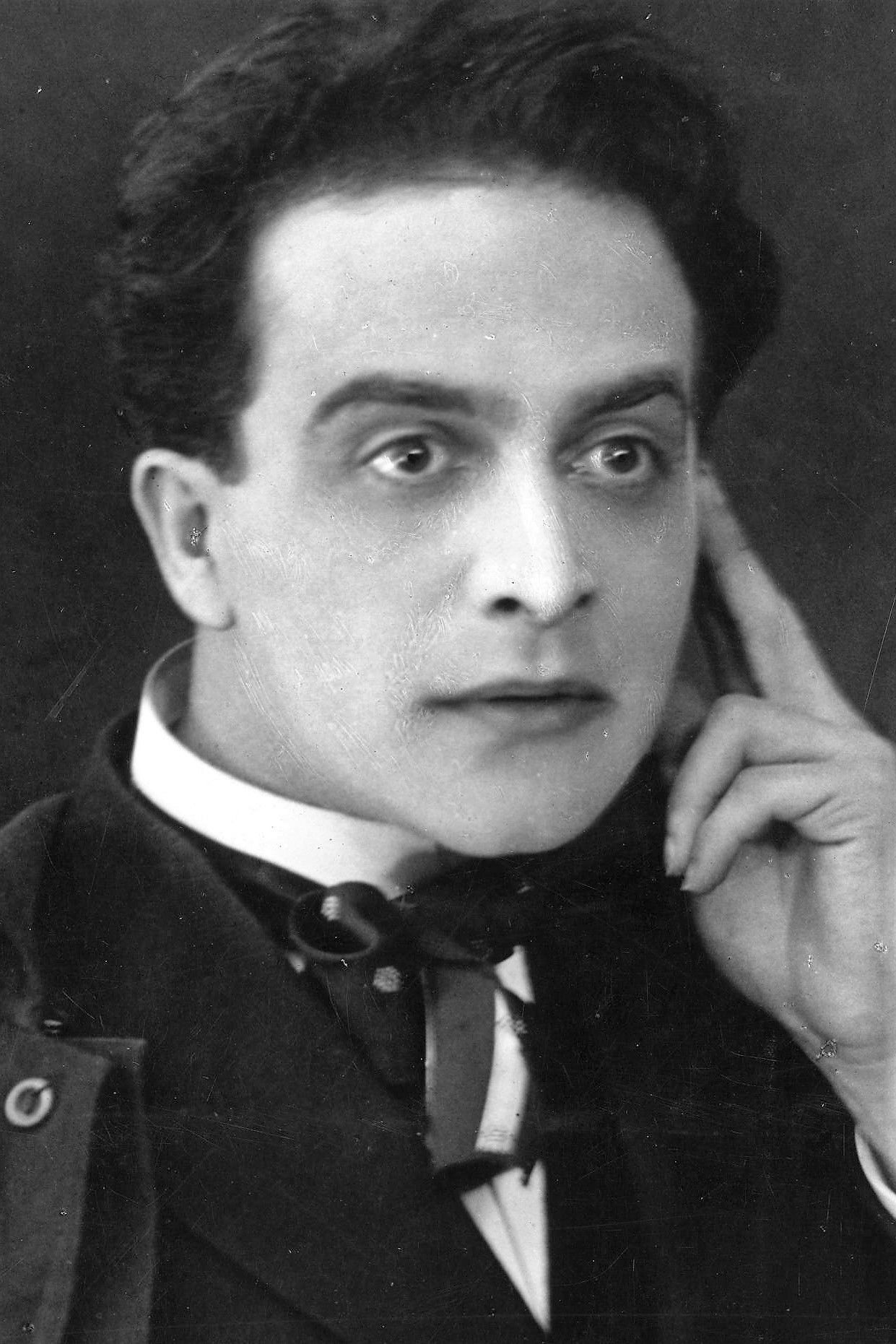
Friedrich Feher’s Francis in The Cabinet of Dr. Caligari makes distress plain, sometimes too insistently. We warmly recommend the film, but his best-known performance is less compelling than Conrad Veidt’s precision or the crooked scenery.
Fi1m perspective
In The Cabinet of Dr. Caligari (1920), Friedrich Feher’s Francis looks distressed against scenery that has already given us ample reason to worry. Robert Wiene’s crooked sets leave the eye nowhere comfortable to rest, and Feher’s expressions can feel like further instructions. We were unnerved by those shapes and by Conrad Veidt’s precision as Cesare; Francis’s distress affected us less. It is a film we warmly recommend, but its central actor is not the chief reason to watch.
He entered films through literary adaptations and soon began directing, so his reputation for Francis leaves much of his working career out of view. His own Das Haus des Dr. Gaudeamus (1921) deliberately echoed Caligari’s expressionist sets, extending his association with that style beyond his performance for Wiene. His literary and historical interests continued through a directing career that included Mata Hari (1927), starring Magda Sonja, and Maria Stuart (1927), which he also wrote. The Robber Symphony (1936), a British sound film drawing on operetta, credited him as director, writer and composer. Those credits give us reasons to look beyond Francis, though they are not grounds for claiming that his less familiar work is better.
Wiene’s cast provides a useful comparison, because exaggerated acting is plainly part of the film’s approach, and Feher should not be faulted simply for joining in. Veidt makes that exaggeration precise, while Werner Krauss’s broader Dr. Caligari seems entirely at home among the improbable shapes. Feher’s Francis and Lil Dagover’s Jane are less arresting, and their expressions of distress sometimes tell us how to react when the scenery has already made the point. That becomes tiring, especially when Veidt has demonstrated how much more disturbing this style can be. See Caligari for its cast and crooked scenery, but expect Cesare to make the stronger impression.
Biography
Friedrich Feher, also credited as Friedrich Fehér and born Friedrich Weiß, was an Austrian actor and film director. He trained at the Vienna Conservatorium and began his stage career in 1907 at theatres in Berlin, Hamburg, Vienna and Prague, later touring with the Max Reinhardt ensemble in America.
Feher entered films as an actor around 1911 and soon took up directing. He is best known for playing Francis in Robert Wiene’s The Cabinet of Dr. Caligari (1920). Among his directorial credits are Das Haus des Dr. Gaudeamus (1921) and The Robber Symphony (1936). He was married to the actress Magda Sonja.