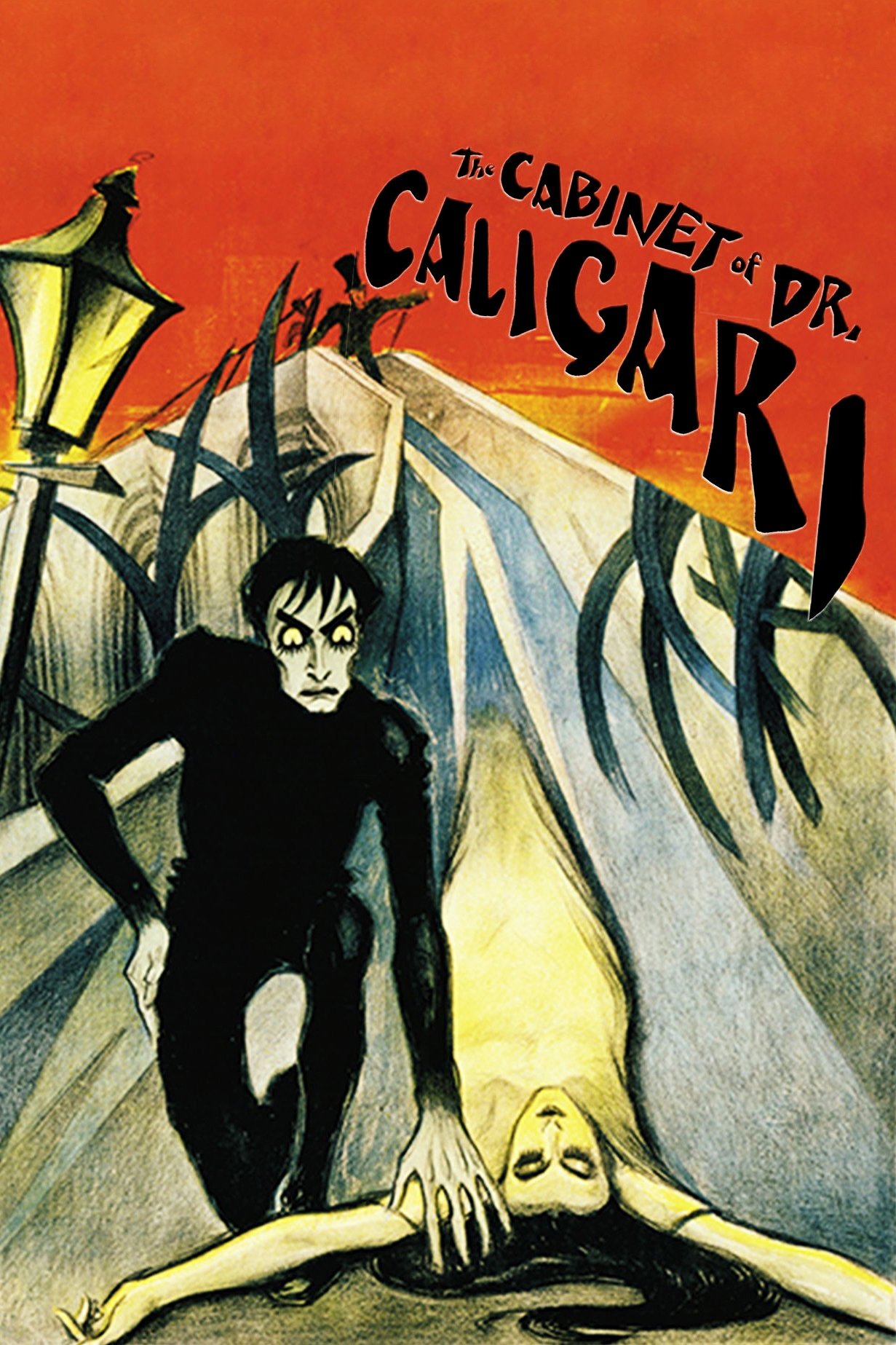
Robert Wiene’s crooked scenery makes fear difficult to escape. We recommend The Cabinet of Dr. Caligari warmly, while finding that the same visual insistence which makes it unsettling can also make it tiring.
Fi1m perspective
In The Cabinet of Dr. Caligari (1920), the sloping perspectives and jagged backdrops give the eye no comfortable place to settle. We were unsettled by those painted spaces before the mystery had much explaining to do. Wiene makes the scenery responsible for some of the fear, rather than asking the performers to manufacture all of it. It is a rewarding way to make horror, and we recommend the film warmly, though the relentless crookedness sometimes wears us out.
That success can make Wiene’s earlier work easy to overlook: before Caligari, he wrote and occasionally directed comedies and melodramas, often with Henny Porten. After Caligari, distorted settings became a recurring choice rather than a single experiment. Genuine: The Tragedy of a Vampire (1920) extended the Expressionist style, while Raskolnikow (1923) applied it to Dostoevsky’s Crime and Punishment, with actors from the Moscow Art Theatre. The Hands of Orlac (1924), again with Conrad Veidt, continued his interest in psychological horror.
The reservation about Wiene is how much of that achievement belongs to the people working beside him. His collaborators included screenwriters Carl Mayer and Hans Janowitz, set designer Hermann Warm, and actors Veidt and Werner Krauss. In Caligari, Veidt matters as much to our unease as the sets; describing the film only as an exercise in distorted scenery gives too little credit to the performance. We need not decide that Wiene invented everything to value his ability to make the acting and the painted surroundings work together.
Wiene’s weakness is already visible in the film that made his name. Keeping almost every line askew can make us notice the insistence more than the fear, and Caligari occasionally reaches that point. Genuine has often been judged a less successful attempt to repeat its effects, a useful caution against assuming that recognisable scenery will produce the same response twice. Begin with Caligari; if its constant visual pressure agrees with you, The Hands of Orlac is the sensible next step.
Biography
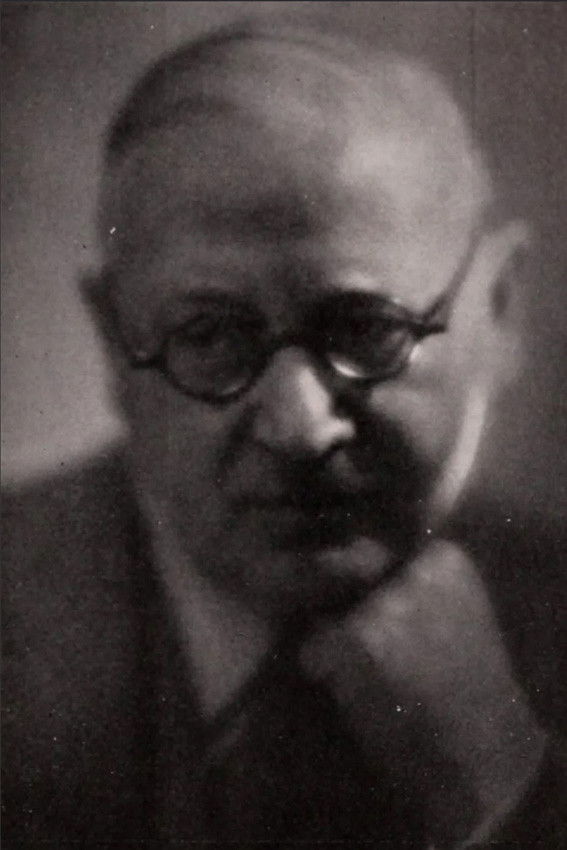
Robert Wiene was a German film director, screenwriter and producer active in the silent era. He directed The Cabinet of Dr. Caligari (1920), a key work of German Expressionist cinema.
He also directed Genuine: The Tragedy of a Vampire (1920) and The Hands of Orlac (1924). Earlier in his career he worked in theatre and studied law at the University of Vienna; his younger brother Conrad Wiene was an actor. Following the Nazi rise to power in Germany, Wiene fled into exile in France.