Critics’ reviews

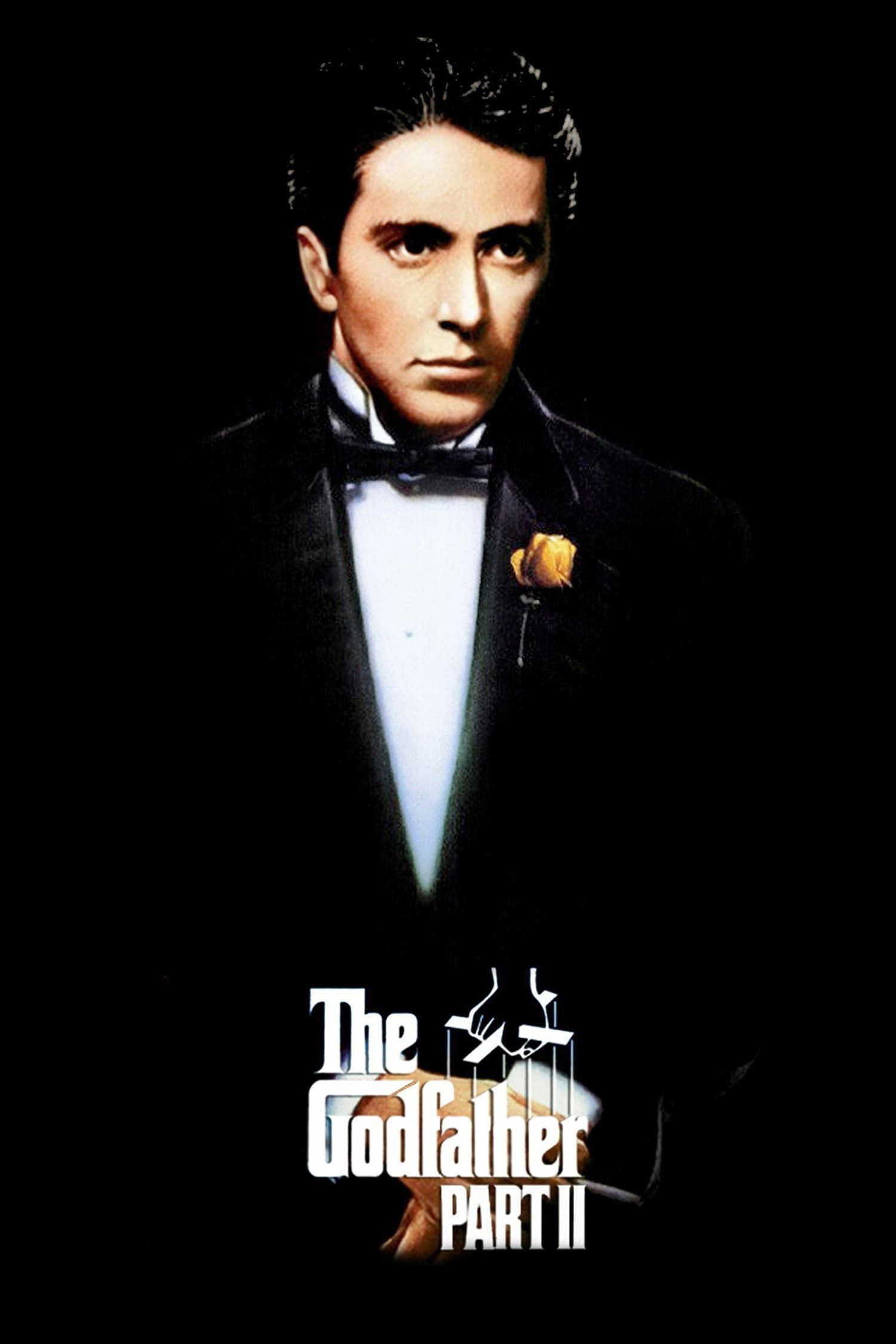
The Godfather Part II (1974)

12 reviews from 12 publications. Critics’ score 80: 8 positive, 1 mixed, 1 negative.

Back to our review of The Godfather Part II

80
Positive
8
Mixed
1
Negative
1

Most critics strongly favour The Godfather Part II, praising Coppola’s expansion of the family saga into a broader study of American power and corruption. Much of the admiration centres on the parallel accounts of Vito’s early life and Michael’s rule, which the favourable reviews find both ambitious and emotionally forceful. Pacino and De Niro draw particularly consistent praise, including from critics less persuaded by the storytelling, for performances that give the two generations distinct emotional weight.

The disagreements concern whether the dual timeline deepens the drama or interrupts it, with responses ranging from wholehearted admiration to outright rejection. RogerEbert.com finds the cross-cutting structurally troublesome and the characterisation simpler than it appears; The New York Times objects more sharply to the length, disjointed construction and lack of drive. Even among the favourable reviews, reservations recur about pacing, occasional clumsiness and the emotional distance created by Coppola’s broader political concerns.

Little White Lies
20 February 2014 · 5/5/5 · David Jenkins
100

The film is hailed as an astounding work of elegant, shocking and literate blockbuster filmmaking that masterfully contrasts Michael's cold isolation with Vito's rise, delivering a devastating portrait of power's costs.

Read the full review →
Time Out
18 February 2014 · ★★★★★ · Joshua Rothkopf
100

Coppola deepens the saga with Nixon-era paranoia and political intrigue while balancing it with nostalgic immigrant roots; the result is one of cinema's richest character descents.

Read the full review →
The New Yorker
16 December 1974 · Pauline Kael
95*

Coppola enlarges the first film's scope into an epic of American corruption and dynastic rise and decay, with the interweaving of Vito's ascent and Michael's decline proving emotionally overpowering. Kael singles out the performances, especially De Niro's young Vito, for their soulful continuity and depth.

Read the full review →
Empire
26 December 1974 · Kim Newman
90*

The critic praises the film's innovative structure that extends the Corleone saga both backwards and forwards in time while deepening the characterizations. They single out Al Pacino's electrifying performance as Michael, whose hollow gaze conveys the high personal cost of power, along with the strong supporting cast.

Read the full review →
Variety
9 December 1974 · A.D. Murphy
85*

Far from a mere spinoff, the film is an excellent epochal drama in its own right, handsomely produced and superbly directed with a topnotch script. Murphy highlights the strong box-office prospects and notes that it avoids glorifying criminality.

Read the full review →
Radio Times
· Adrian Turner
80*

The sequel expands the scope with De Niro's brilliant portrayal of young Vito and Pacino's monumental Michael, though some later sequences feel clumsy; it chillingly shows corruption overtaking immigrant idealism.

Read the full review →
The Hollywood Reporter
· John H. Dorr
80*

The film is an admirable, responsible production and a grand historical epic studying the nature of power in the United States. Coppola sacrifices some emotional disturbance and audience identification for intellectual daring.

Read the full review →
RogerEbert.com
1 January 1974 · Roger Ebert
55*

The film struggles with its cross-cut structure between young Vito and Michael, revealing a simplicity in characterization that weakens the narrative compared to the original. Ebert praises the performances, especially Pacino and De Niro, and Coppola's command of mood and atmosphere.

Read the full review →
The New York Times
13 December 1974 · Vincent Canby
30*

The sequel is a disjointed, overlong Frankenstein's monster stitched from leftovers of the novel and first film, lacking the original's drive and unity. Canby notes some strong supporting turns but finds the whole effort self-parodic and spiritually desperate.

Read the full review →
Sight and Sound
20 February 2014

The critic rates Part II higher than the original for its ambitious dual timeline as both sequel and prequel, rich character development, and deeper exploration of power and corruption in America.

Read the full review →
The Guardian
20 February 2014 · Peter Bradshaw

The critic finds Francis Coppola’s prequel-sequel breathtakingly ambitious and as gripping as ever, even better than the first film with the greatest single final scene in Hollywood history. They single out the stunning narrative flourish of the final cut back in time and the top-down history of political intrigue.

Read the full review →
Collider
20 December 2024 · 9/10 · Therese Lacson
90

The critic highlights the film's timeless quality, narrative influence, and its bold portrayal of Michael Corleone as an irredeemable protagonist whose moral decay is unflinchingly depicted. They single out the effective parallel storytelling between Vito's rise and Michael's fall, along with strong technical elements like cinematography and score, while noting some pacing and focus issues in the present-day plot.

Read the full review →

Ordered by the weight we give each publication, then by score. Scores are normalised to 100; * means inferred from an unrated review. Summaries are ours, not quotations; follow the links for the reviews themselves. How we rate