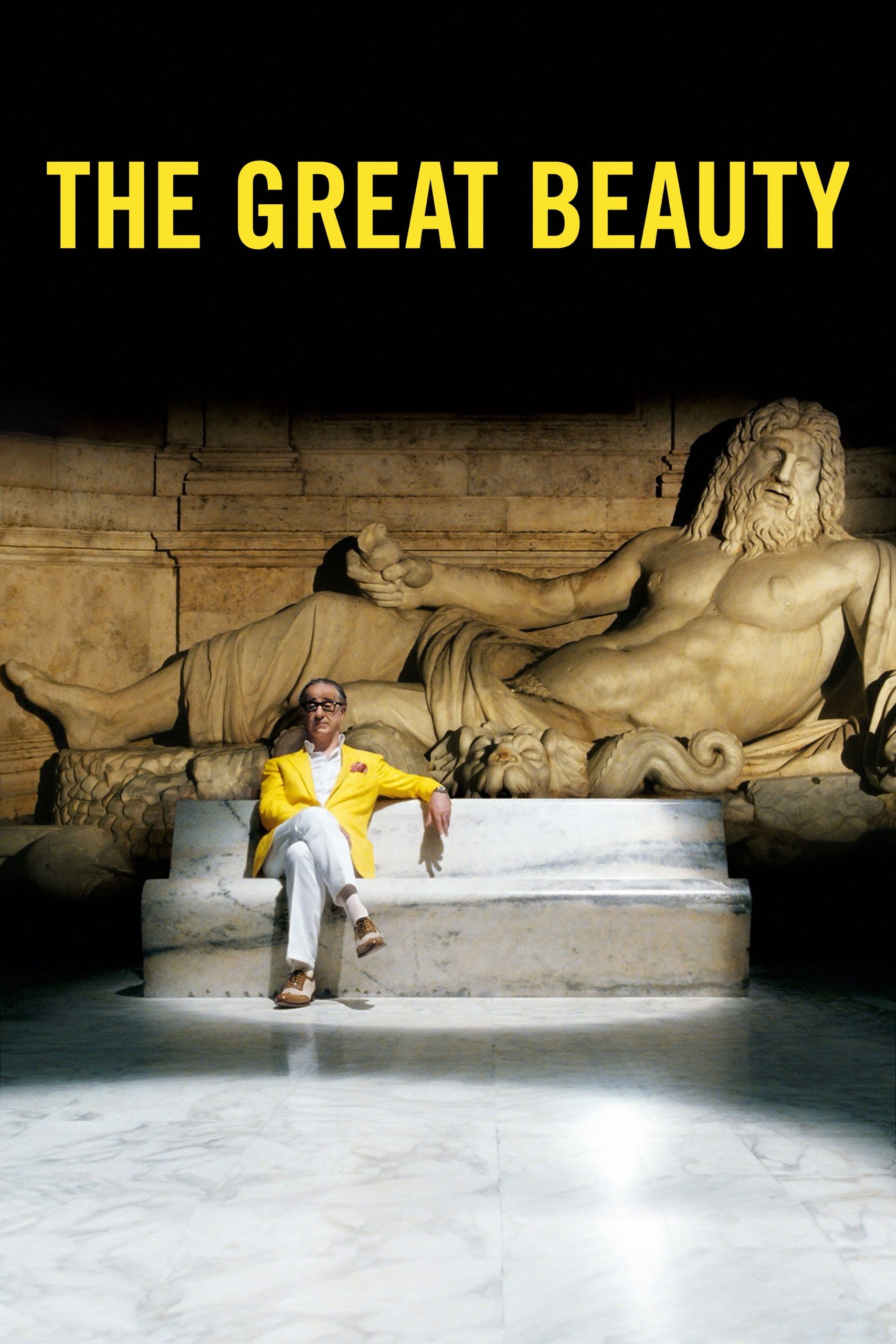
Most critics warmly receive The Great Beauty, with praise clustering around Sorrentino’s elaborate staging, the photography of Rome and Toni Servillo’s understated performance as a jaded writer. The city’s parties, grandeur and social rituals provide more than attractive scenery for its admirers: they find sadness, regret and feeling beneath the glamour. The reviews also value the music and the episodic storytelling, which allows impressions and encounters to accumulate without a tightly driven plot.
The spread is wide, though dissent is limited. Reservations centre on length, familiar Fellini influences and whether the film says enough about the wealthy people it follows. Even favourable reviews find some party sequences overlong and some characters broadly drawn. Screen Daily admires the camerawork and score but finds little substance beyond the borrowed imagery; Slant Magazine objects more sharply, arguing that the later sections become self-pitying and lose their satirical edge.
T
Time Out
21 May 2013 · ★★★★★ · Dave Calhoun
100
Sorrentino delivers a heady, beautiful and entrancing vision of Rome as both stage and character, following a cultured writer's late-life reckoning with lost love and unfulfilled promise. The critic singles out the film's soulful depth beneath its surface glamour and virtuoso style.
Read the full review →F
Film Comment
1 November 2013 · Jonathan Romney
90*
The critic experiences pure euphoria from the film, calling it an audacious experiment in pleasure that is both refined and vulgar. They single out the overwhelming visual intensity, sensory power, and Sorrentino’s ability to capture Rome’s sublime emptiness through elaborate staging and chance-like discoveries.
Read the full review →L
Los Angeles Times
21 November 2013 · Kenneth Turan
90*
Sorrentino’s film is drop-dead gorgeous and luxuriously cinematic, with masterful visuals and music, but it also explores deeper ideas about life and regret through the journey of its suave protagonist. Turan singles out Toni Servillo’s exquisite, understated performance and the way the film makes Rome look more beautiful than ever.
Read the full review →G
The Guardian
5 September 2013 · Peter Bradshaw
90*
The critic hails the film as a swooning love letter to Roman decadence and Sorrentino's best yet, a pure sensual overload of richness, strangeness and sadness in the tradition of Antonioni and Fellini.
Read the full review →N
The New York Times
15 November 2013 · Critic’s Pick · Manohla Dargis
90*
The film is a deliriously alive portrait of a sybaritic Roman journalist adrift in the Eternal City, following his existential awakening after news of a lost love. Dargis praises Sorrentino’s associative, episodic style and Servillo’s soulful performance as it captures a man, a city, and Italian cinema itself.
Read the full review →V
Variety
20 May 2013 · festival review · Jay Weissberg
90*
The densely packed film is an astonishing cinematic feast and modern take on La dolce vita that honors Rome in all its splendor and superficiality while following a stalled author’s awakening. Weissberg praises its visual splendor, Servillo’s world-weary performance, and how it dissects empty high-society diversions with broad strokes and minute detail.
Read the full review →V
Vulture
22 November 2013 · Bilge Ebiri
90*
The critic highlights the film's ravishing, sensuous imagery and its daring structure as a high-wire act centered on one character's unspecified yearning, comparing it favorably to Fellini while noting its generosity toward characters. It is called potentially the most unforgettable film of the year.
Read the full review →E
Empire
29 August 2013 · Guy Lodge
80*
The review highlights Sorrentino's richly visualised, vignette-based meditation on 21st-century excess in Rome, seen through a jaded journalist's eyes, comparing it to Fellini while noting its damning yet celebratory tone and self-indulgence as the point.
Read the full review →L
Little White Lies
3/4/4 · Paul Fairclough
80
The review notes shades of Fellini in Sorrentino's spirited drama about a jaded Roman flâneur awakening to the city's splendour amid high-society decadence. It praises the film's visual and emotional impact while acknowledging its familiar territory.
Read the full review →I
The Independent
5 September 2013 · ★★★★
80
The critic praises Sorrentino's fluid, satirical portrait of Rome and its high society through the eyes of a jaded journalist, noting the gorgeous Caravaggio-toned visuals and de luxe filmmaking. It falls short of masterpiece status due to insufficient narrative drive but remains hugely enjoyable.
Read the full review →S
Sight and Sound
25 November 2013 · Roger Clarke
70*
Sorrentino returns to Italy with a visually extravagant, Fellini-inspired portrait of Roman high society seen through a world-weary journalist's eyes. The critic highlights the film's technical virtuosity and its meditation on superficiality, lost youth and spiritual emptiness.
Read the full review →H
The Hollywood Reporter
21 May 2013 · festival review · THR Staff
70*
The critic praises Sorrentino's reverent update on Fellini's vision of Rome's moral chaos and decadence, noting the film's humor, creative excess, and strong performances, particularly by Toni Servillo. An overly indulgent running time undercuts some of the fun, but it should appeal to international audiences.
Read the full review →E
Evening Standard
20 January 2014
50*
The critic finds the film beautiful in its depiction of Rome but doubts it qualifies as great, criticizing the shallow characters and soporific pacing of its critiques of art, politics and media while noting the city looks inviting.
Read the full review →S
Screen Daily
21 May 2013 · festival review
50*
Sorrentino's virtuoso fresco of contemporary Rome mixes elegy and world-weariness, with Toni Servillo's jaded journalist drifting through decadent parties and missed opportunities. The review praises the ravishing camerawork and seductive score but notes it recycles Fellini-esque visions without adding much substance.
Read the full review →S
Slant Magazine
10 November 2013 · Chuck Bowen
40*
The critic finds the first half an inviting, beautifully mounted fantasy of Rome's sex and decay in the Fellini tradition, but faults the film for succumbing to self-delusions of moral and political grandeur in its later sections, turning self-pitying and losing satirical edge.
Read the full review →H
HeyUGuys
5 September 2013 · ★★★★★ · Stefan Pape
100
The film is an astonishing, visceral piece of filmmaking that feels intimate and emotional despite its grand scale. Sorrentino explores love, death, nostalgia and religion through Jep's search, with strong praise for Servillo's performance, the score and the portrayal of Roman life.
Read the full review →E
Eye for Film
26 May 2013 · ★★★★ · Richard Mowe
80
Sorrentino uncovers the moral chaos of Rome's elite in a film that picks up threads from La Dolce Vita, with magnetic work from Servillo and effective satire. The overlong 135 minutes still offers enough pleasurable and engaging moments.
Read the full review →S
The Skinny
8 January 2014 · ★★★★ · Chris Buckle
80
The critic is awed by the film’s luxuriant detail and technical bravado from the opening sequence onward. They single out the picaresque narrative exploring Rome’s contrasts through Jep’s life of elation and ennui, resulting in a dazzling cumulative effect.
Read the full review →P
The Playlist
21 May 2013 · B · The Playlist Staff
77
Sorrentino delivers an indulgent but heady, dreamlike Fellini-esque reflection on life, love, philosophy and regret through impressions rather than plot. It celebrates what has been while noting the film's overlong party sequences and broad characterizations.
Read the full review →P
Paste
30 January 2014 · 7.5 · Abby Garnett
70*
Sorrentino distills the cultural inheritance of Fellini and Berlusconi into a portrait of Rome's elite, retaining the city's sumptuousness while showing ambivalence toward its spectacle. The film is marked by impermanence and ends with a powerful redemption as the protagonist recognizes something real amid superficiality.
Read the full review →Ordered by the weight we give each publication, then by score. Scores are normalised to 100; * means inferred from an unrated review. Summaries are ours, not quotations; follow the links for the reviews themselves. How we rate