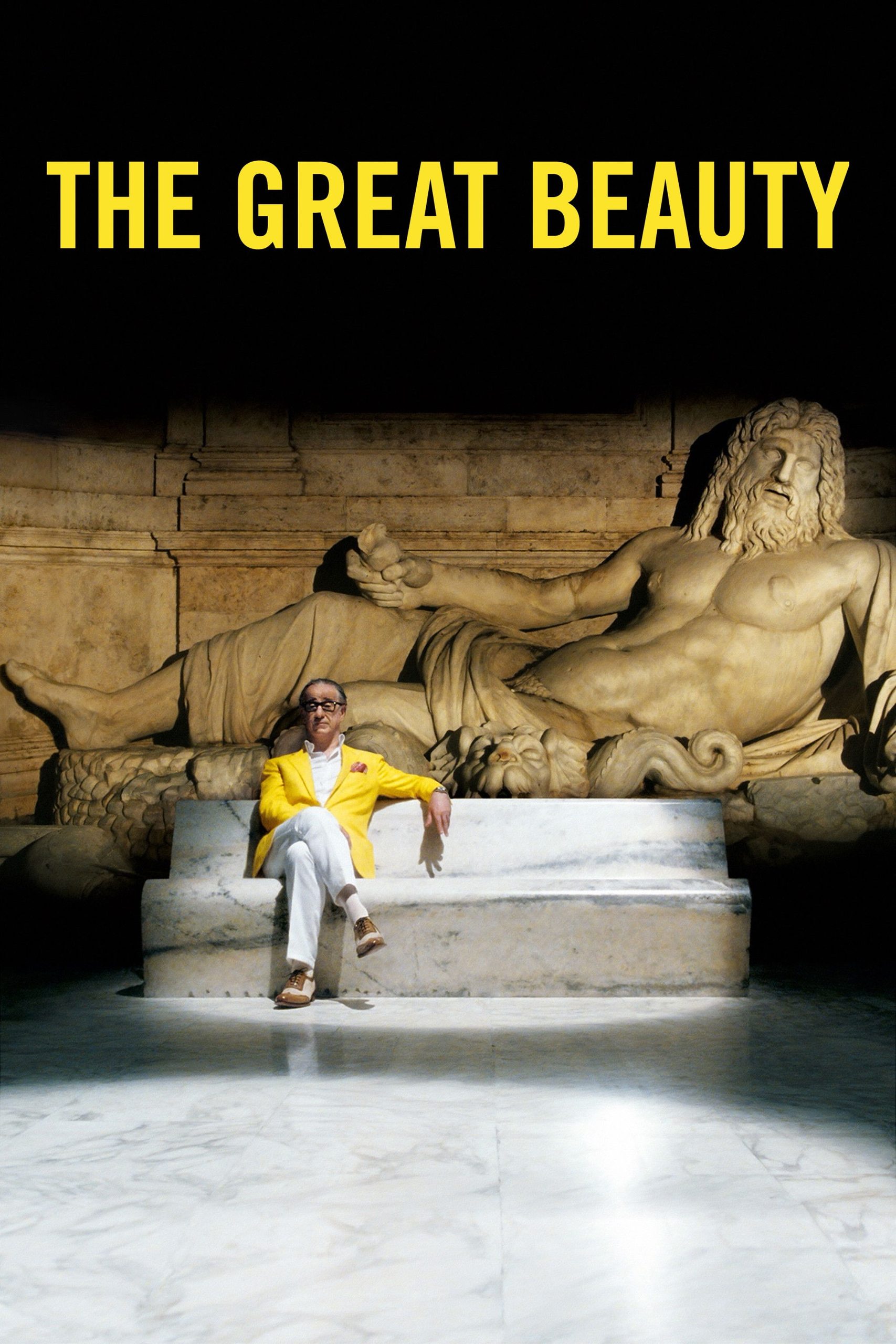
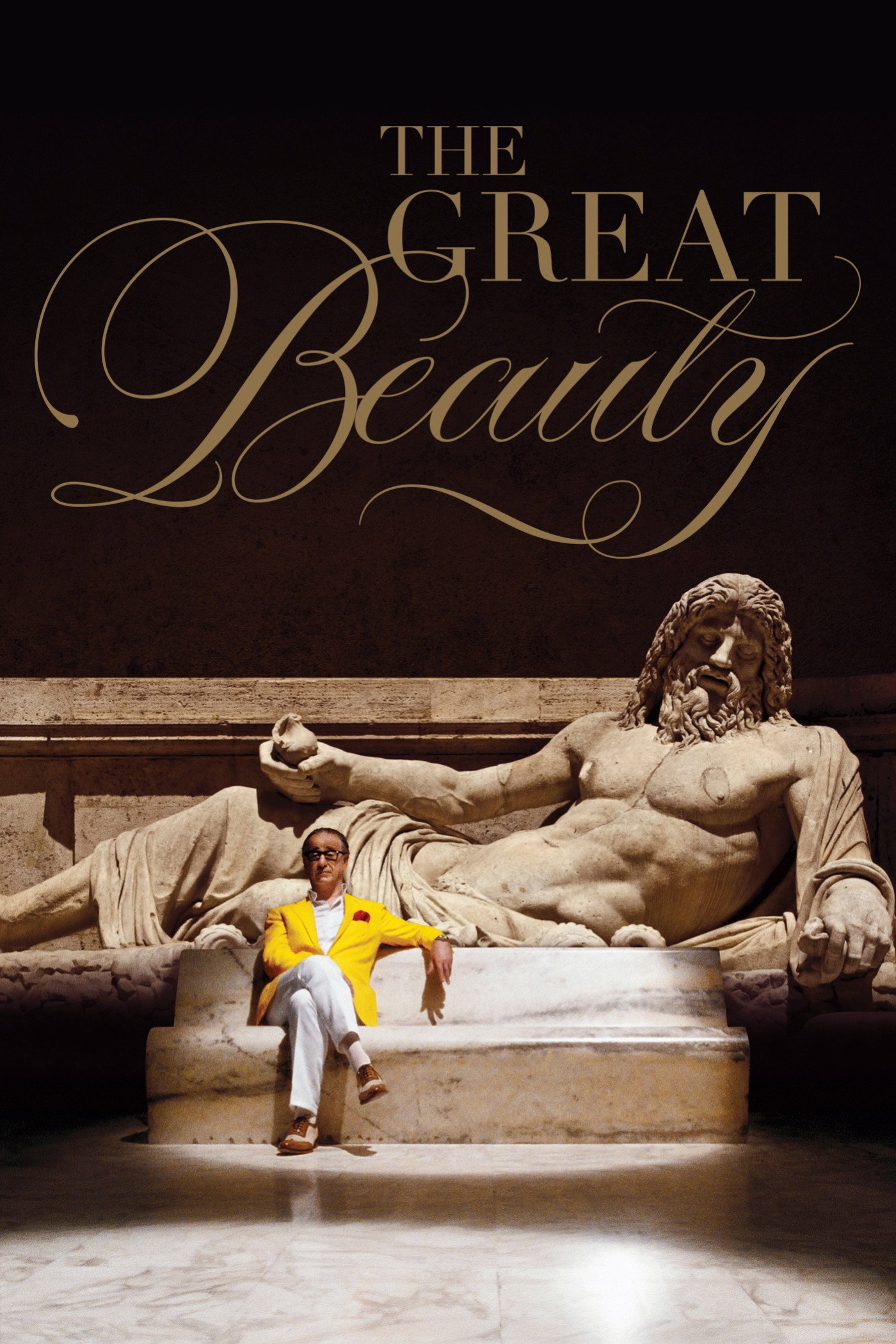
Paolo Sorrentino’s Roman drama is funny, moving and more indulgent than it needs to be. Toni Servillo gives its drifting writer enough wounded charm to keep the parties interesting, even when they run on.
The Great Beauty makes a persuasive case for spending an evening with a man who has spent rather too many evenings doing much the same thing. Jep Gambardella, played by Toni Servillo, is a journalist and stalled author moving through Roman high society, increasingly troubled by the life he has made. We recommend it warmly, though the parties outlast several of their better jokes. Paolo Sorrentino gives us ample opportunity to understand why Jep finds this life difficult to leave.
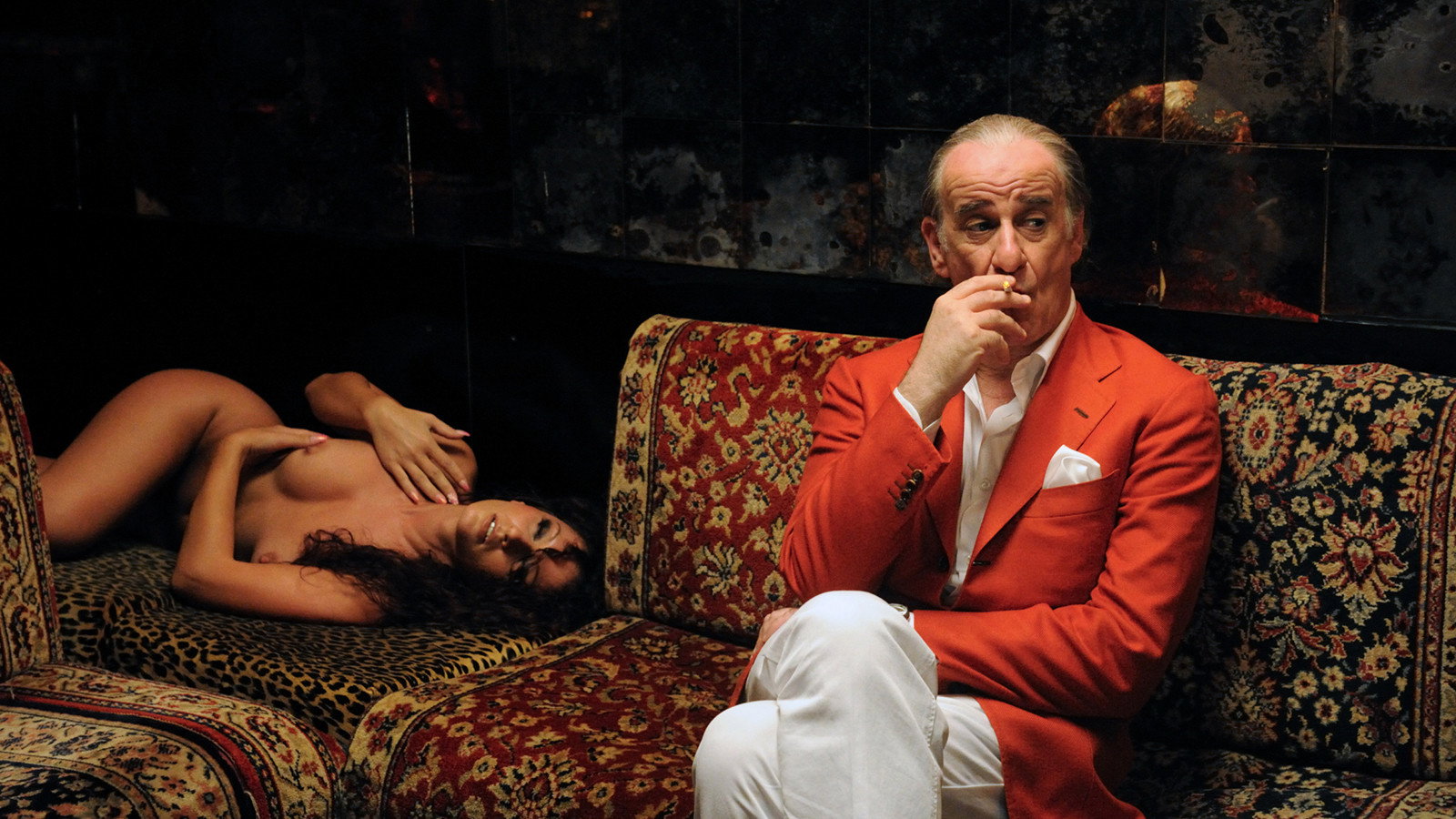
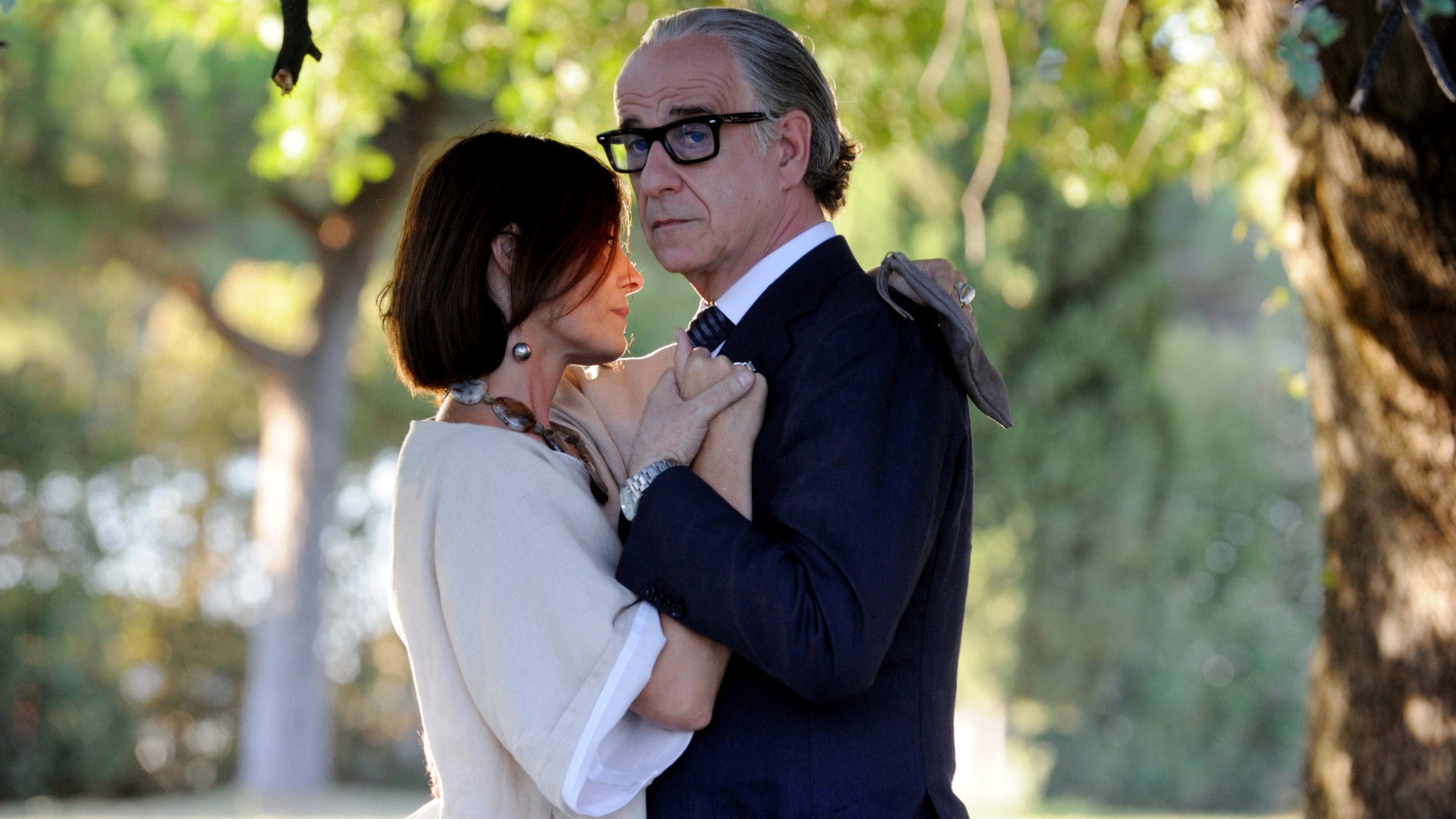
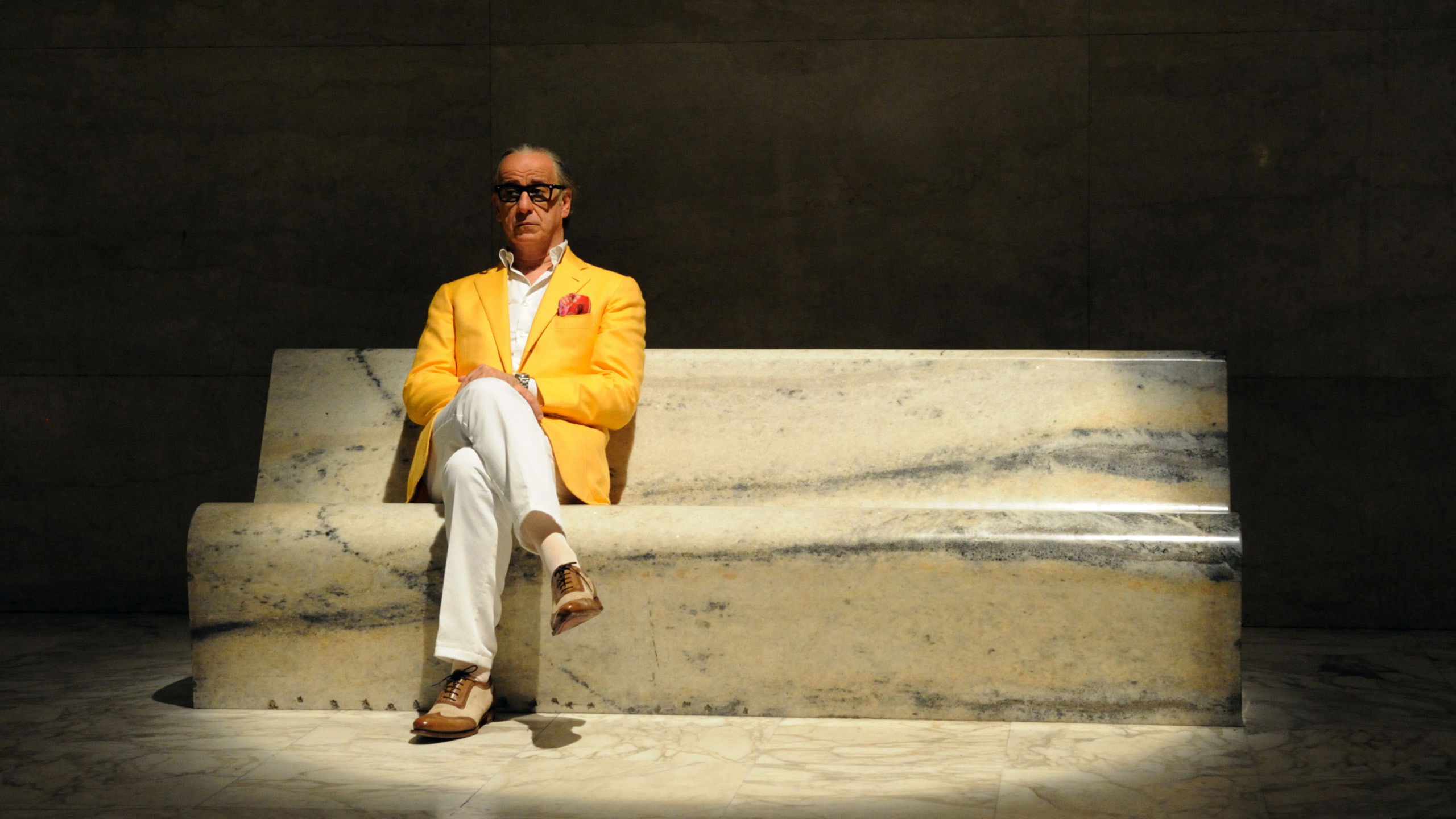
Toni Servillo does not play Jep’s disillusionment as a sudden discovery that other people are foolish. His journalist still belongs in this company, and the performance lets us see how much he enjoys being there. We were moved by his tired face among the party guests: he seems to understand the waste without knowing what he would put in its place. We believe him as someone who could go on like this for years.
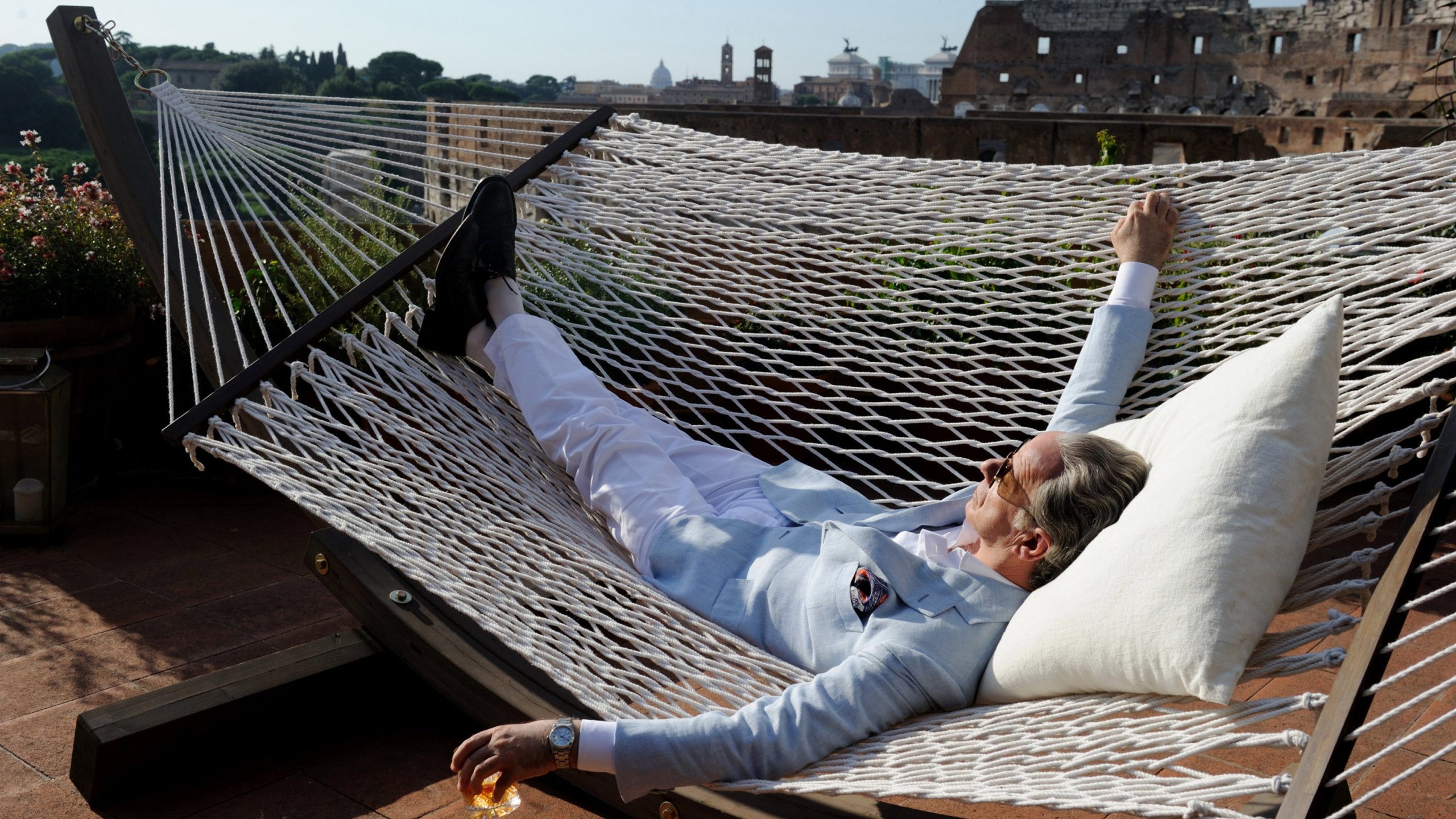
Luca Bigazzi’s cinematography makes Rome inviting enough for Jep’s attachment to it to seem reasonable. The fluid camerawork and crowded social scenes give us plenty to examine, even when we begin to tire of the people. Stefania Cella’s production design gives the high-society spaces a persuasive richness; these surroundings look comfortable enough to make staying seem an easier choice than starting again. There is a drawback to so much visual pleasure, however: another handsome view can distract from a weak encounter, and this happens more than once.
Editor Cristiano Travaglioli makes the succession of encounters feel like the working of a distracted mind. Scenes accumulate by association, with one pleasure or disappointment leading towards another, rather than building a strong chain of causes and consequences. Lele Marchitelli’s music helps give these separate passages an emotional continuity, encouraging us to stay with Jep’s sadness when the story itself offers little forward movement. That approach works for long stretches, although at 142 minutes the film does sometimes leave the music doing too much persuading.
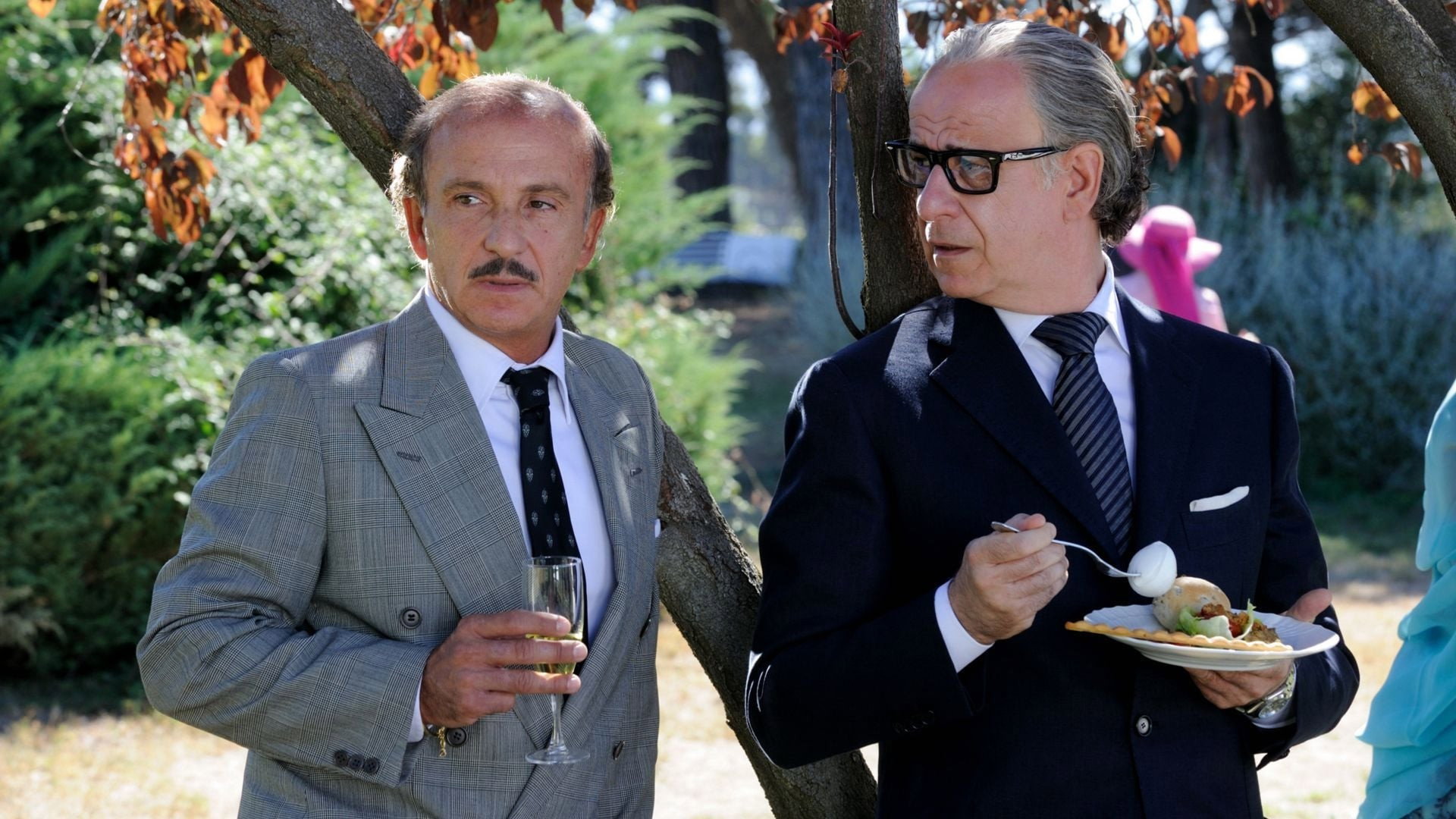
The screenplay, by Paolo Sorrentino and Umberto Contarello, is less dependable when the social satire becomes broad. Some of Jep’s acquaintances seem to arrive already labelled as examples of vanity, and another display of wealthy foolishness tells us little we have not understood. The party sequences are the clearest case: their length makes the jokes about these people’s empty lives increasingly predictable. Several encounters could be shorter without losing anything we need to know about Jep, and the quieter passages would have more room.
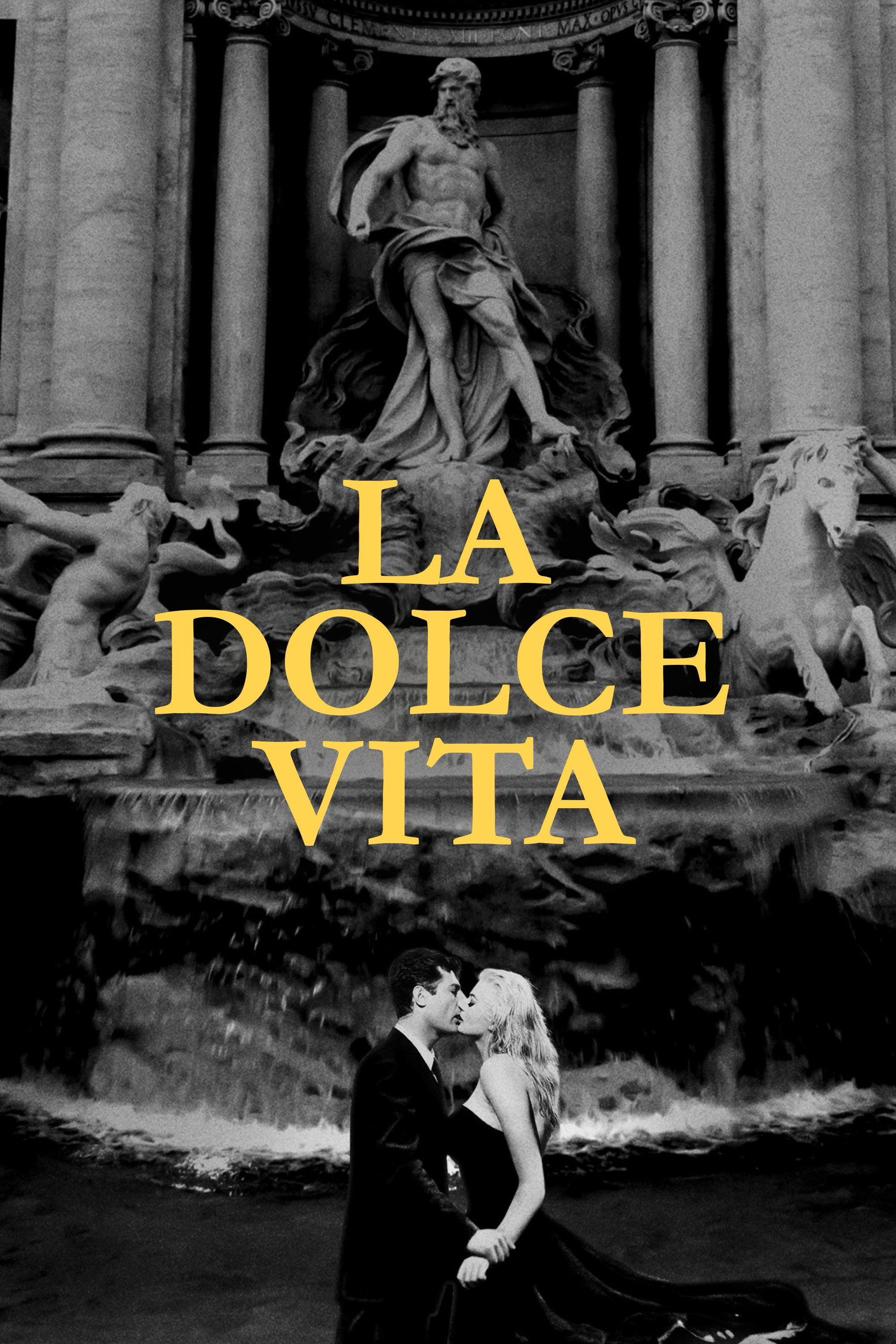
The comparison with La dolce vita is fair enough, given the fascination with Roman high society. Yet Jep is engaging enough to deserve a film of his own, without requiring us to spend the evening thinking about another director’s achievements. Beneath the broad jokes, there is a generous interest in someone who has enjoyed himself and now wonders if that was enough; the film takes his disappointment seriously without making him especially noble. Give it an evening when there is no hurry to get to the next thing.