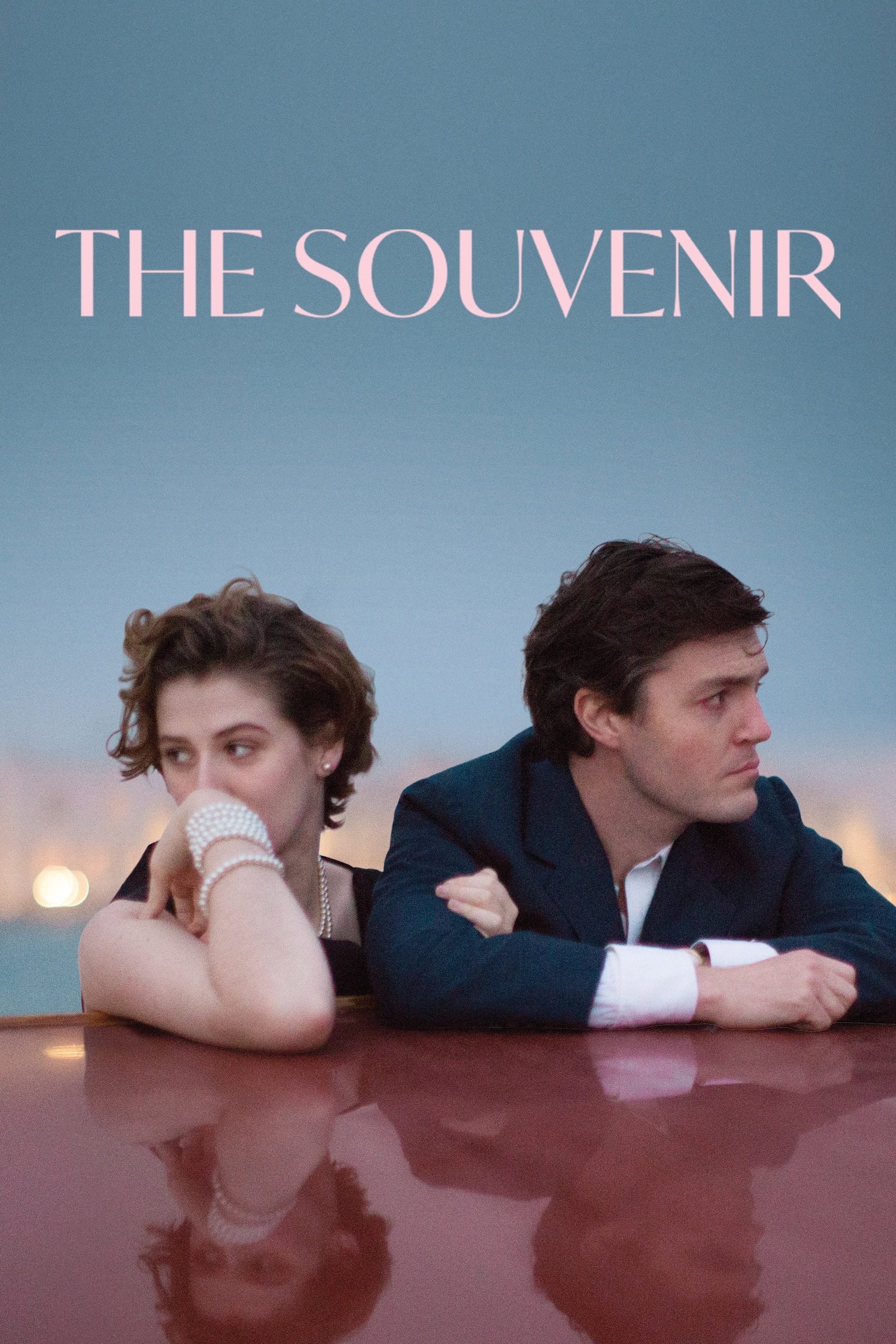
Joanna Hogg’s intimate drama makes a damaging first romance painfully understandable. Honor Swinton Byrne and Tom Burke give it warmth and danger, though the gaps between episodes sometimes make Julie harder to understand than she needs to be.
The Souvenir is a quietly painful drama about a young film student learning how difficult it is to judge someone she loves. Joanna Hogg sets Julie’s artistic ambitions alongside her attachment to Anthony, allowing both to occupy her attention without neatly separating them. We recommend it for the performances and the care with which it follows a relationship that is doing damage. The slow pace is justified; some of the gaps in the telling are less helpful.
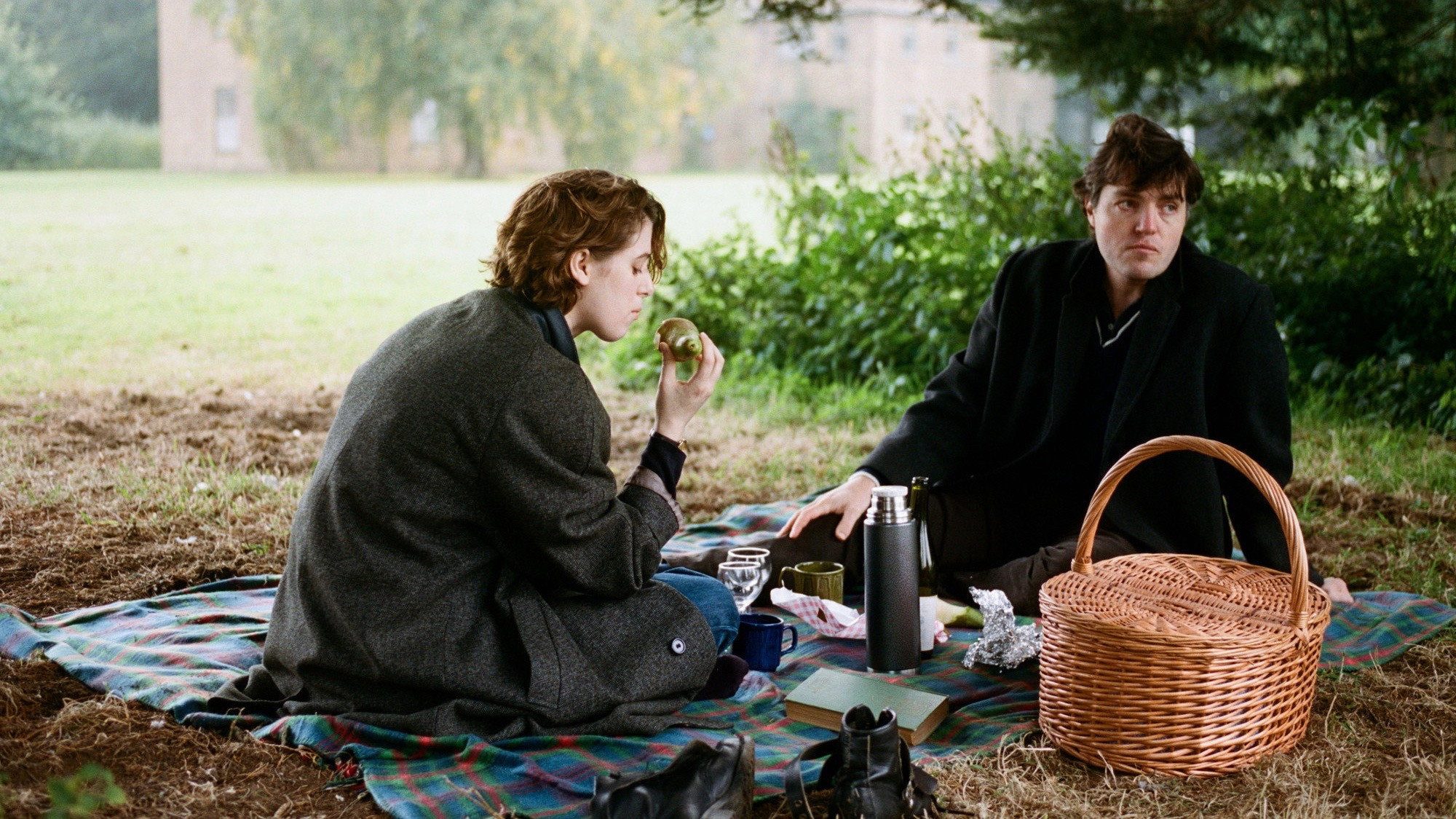
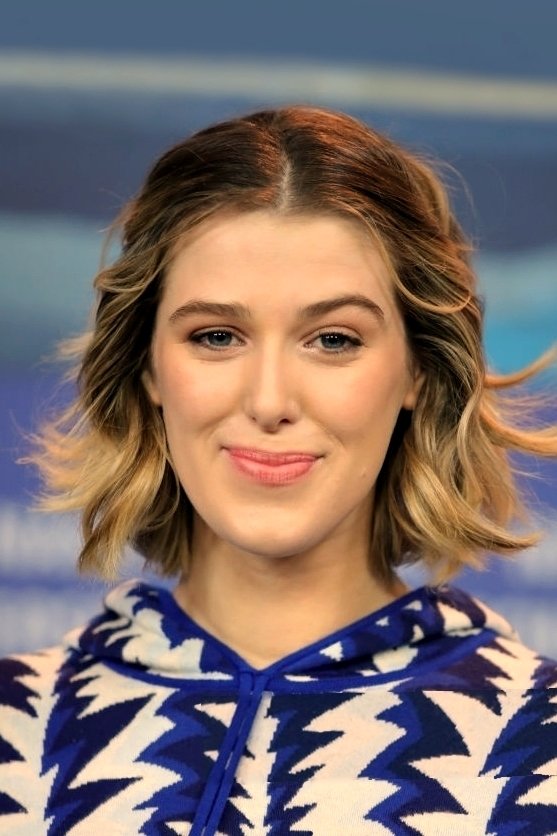
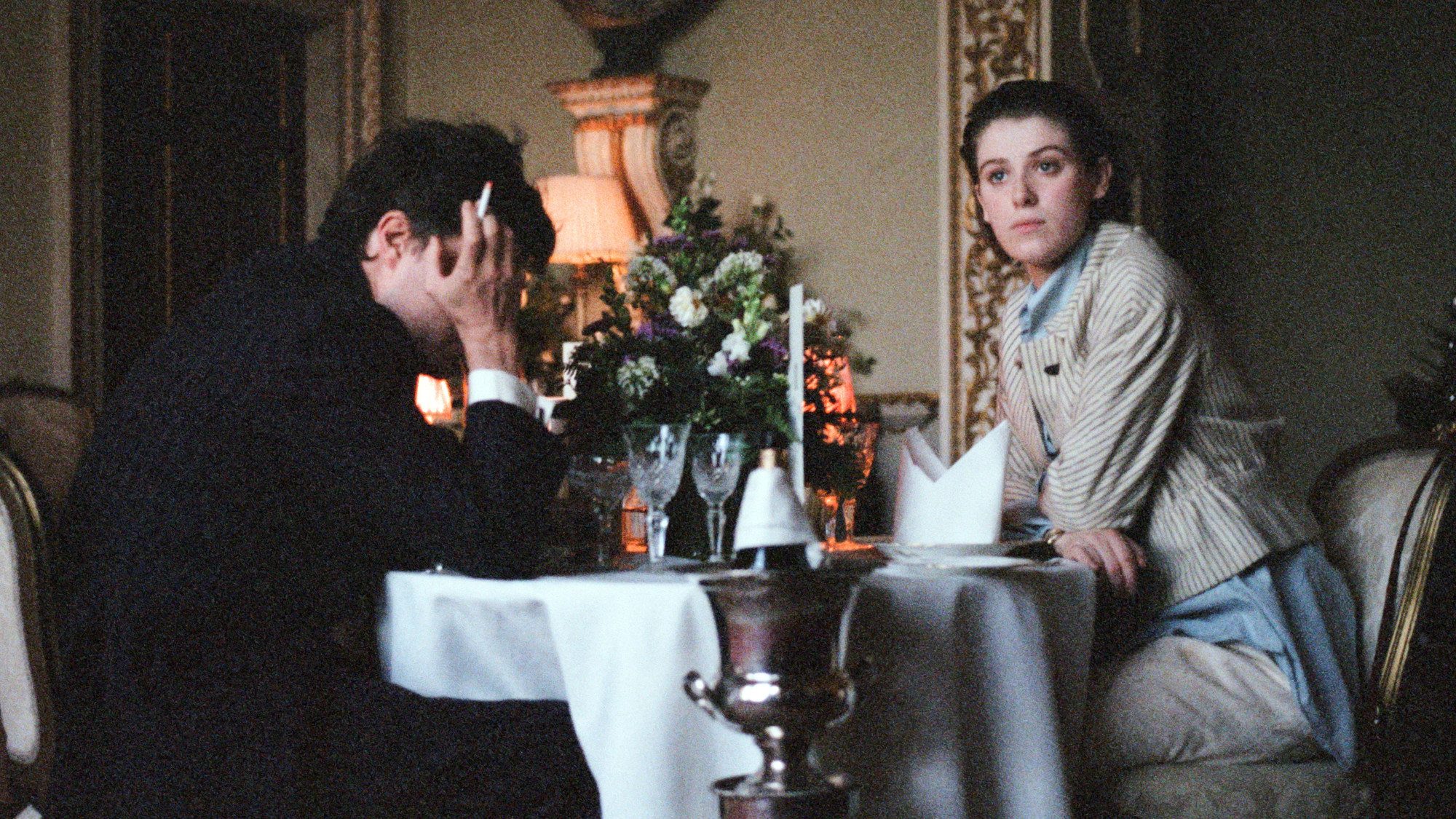
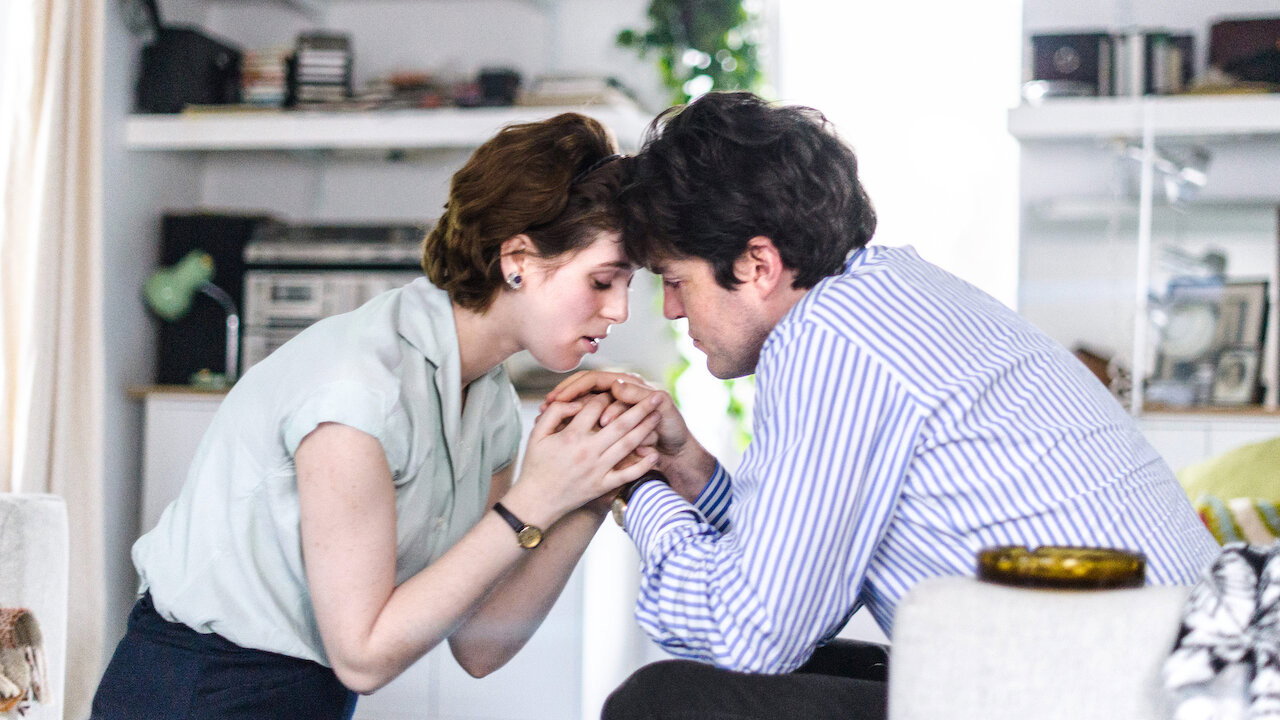
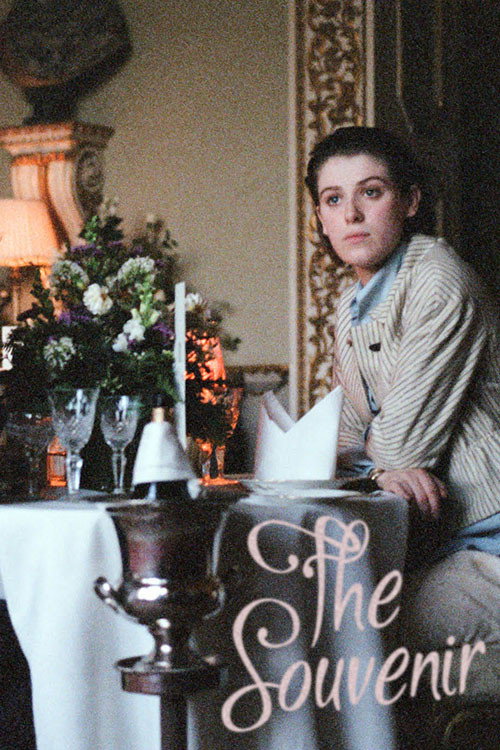
Honor Swinton Byrne gives Julie a vulnerability that never makes her seem empty-headed. We were distressed by how hard it was for her to separate her affection for Anthony from her uncertainty about him. The performance holds those feelings together, and makes the temptation to offer sensible advice from a safe distance feel inadequate. Julie has artistic ambitions of her own, and Honor Swinton Byrne keeps them present even when the relationship occupies more of her attention.
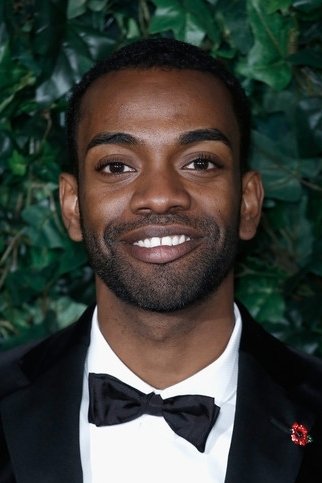
Tom Burke makes Anthony persuasive enough for the affair to be comprehensible, which is essential to everything else. His performance has warmth as well as the capacity to unsettle, and it avoids handing us a simple explanation for Julie’s attachment. Their scenes together have the uncomfortable familiarity of two people whose intimacy has made clear judgement harder. We can see the damage without feeling that Joanna Hogg has invited us to congratulate ourselves for spotting it.
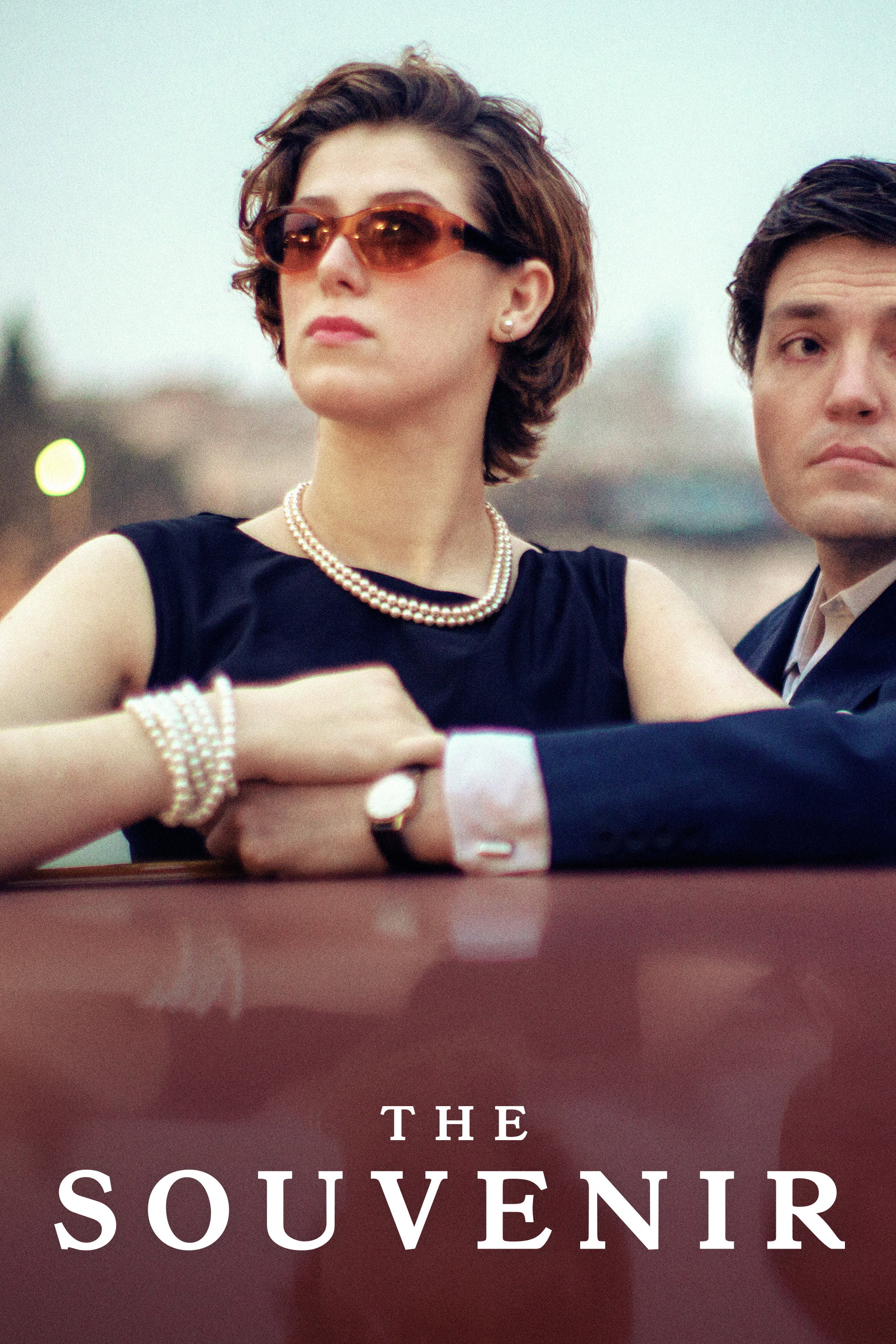
David Raedeker’s cinematography favours carefully composed images that let us look at people without demanding an immediate response. Stéphane Collonge’s production design and Grace Snell’s costumes give the 1980s setting the particularity the story needs, without turning the period into a parade of recognisable objects. The lighting helps these surroundings feel remembered, although the beauty occasionally creates a distance from Julie. The visual care works best when it gives the actors room, and less well when we become conscious of how carefully everything has been arranged.
Helle le Fevre’s editing moves between episodes without filling in every interval, trusting us to follow changes in the relationship. That suits a film concerned with memory, where the moments that persist are not necessarily the ones that would make a tidy story. Sometimes, though, we need more time with Julie between encounters to understand what she has taken from them. At 120 minutes, the film has room for that, and its occasional distance from her thoughts leaves some of her decisions insufficiently explored.
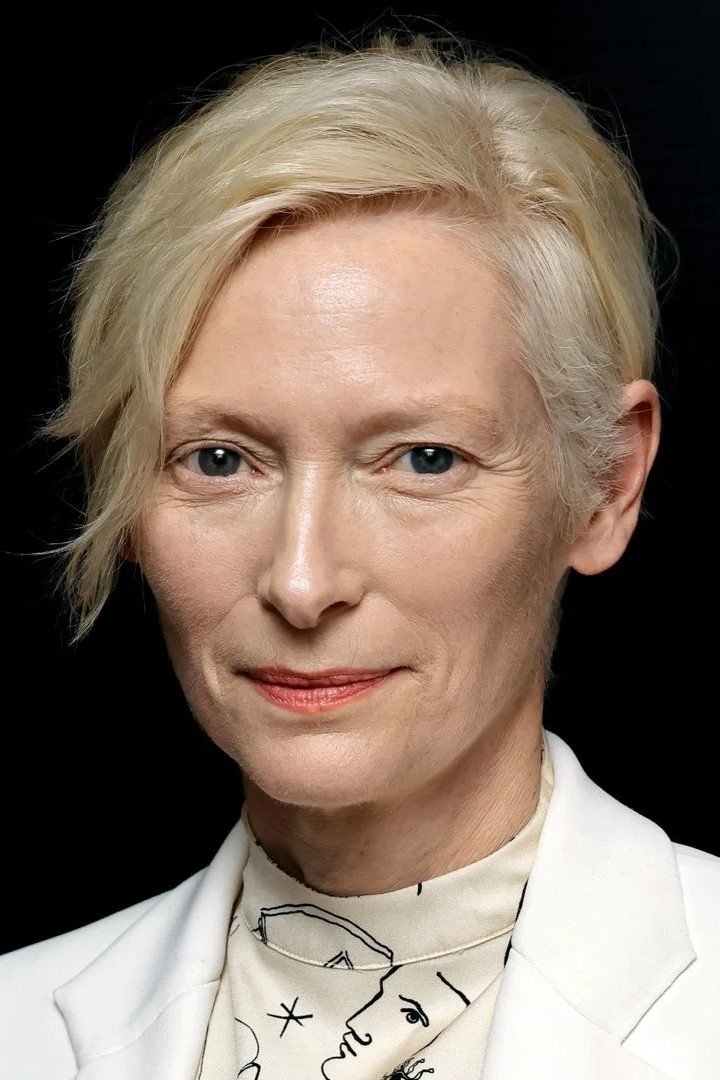
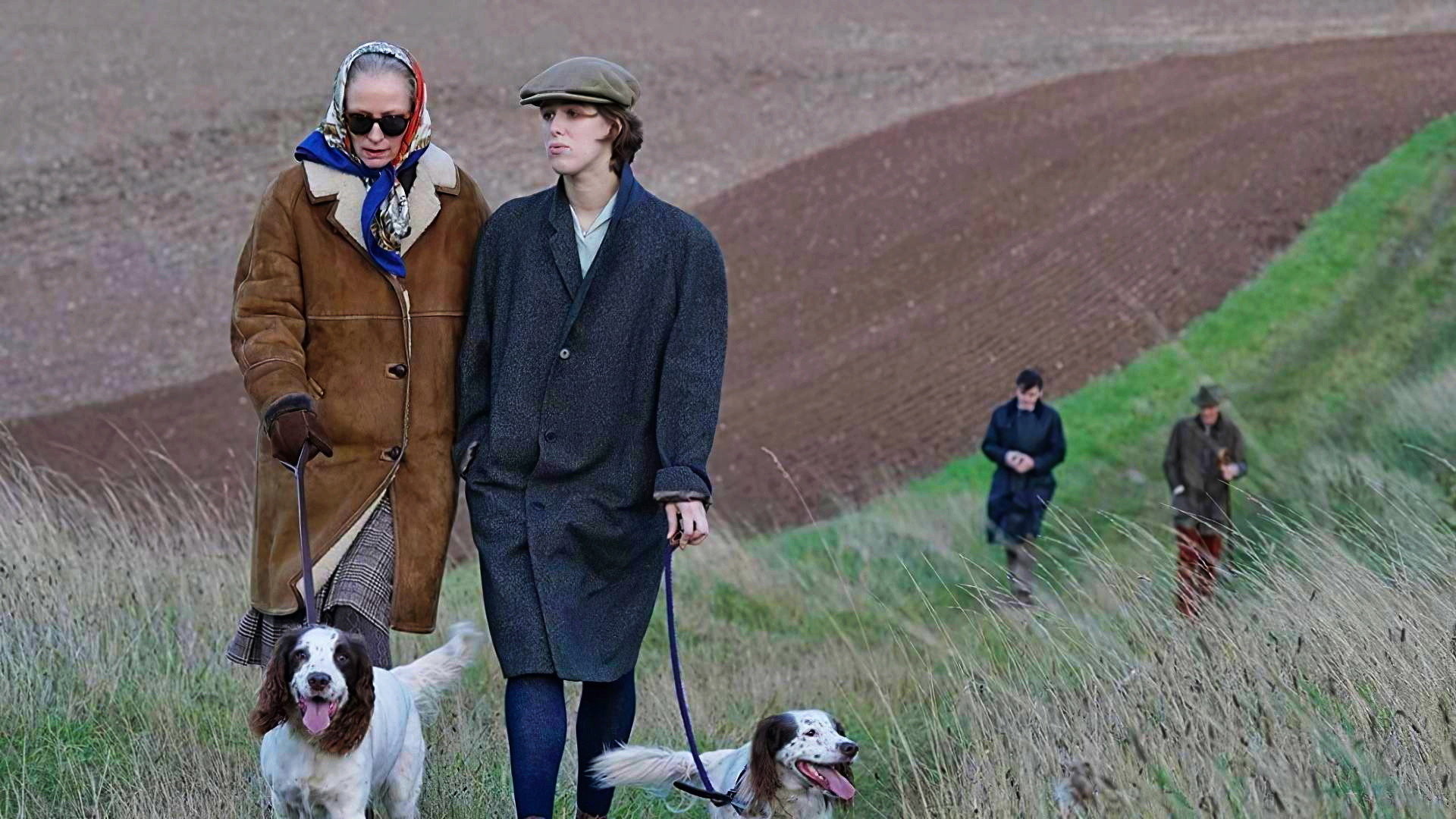
Tilda Swinton’s Rosalind gives the mother-daughter scenes a welcome tenderness, and makes the family relationship worth attending to in its own right. They broaden our sense of Julie beyond the affair, without pretending that family affection can settle her difficulties. The musical interludes also give the film a little breathing space. Joanna Hogg allows these passages their own time, and they help us stay interested in Julie’s life beyond Anthony.
Romantic dramas can make destructive love seem inevitable simply by making it look attractive. Here, the performances leave us concerned about the person doing the loving, with her work and judgement still developing alongside it. Allow the film its silences, but do not expect it to answer every question about Julie; a few of those silences are more rewarding than others.