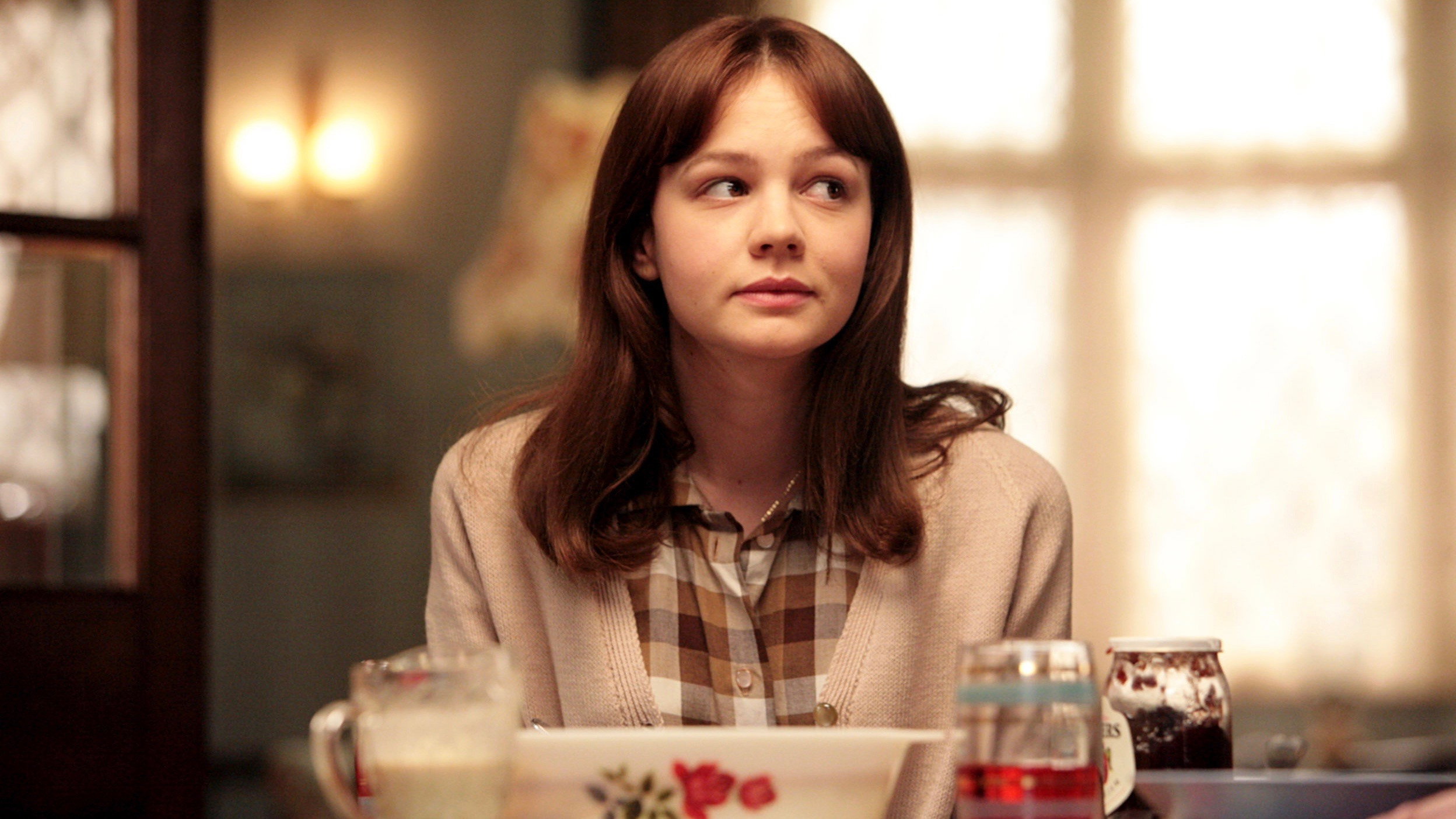
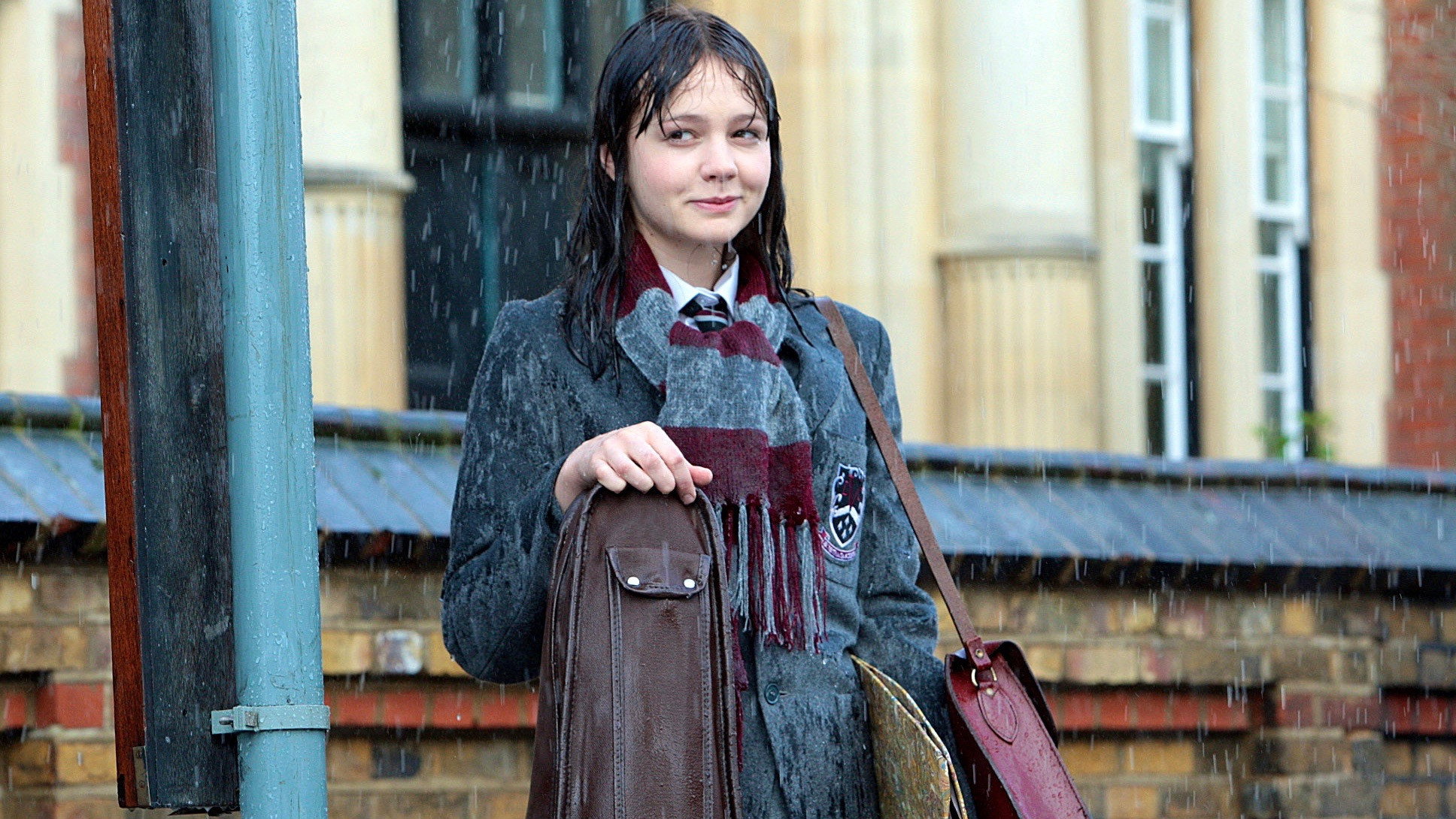
Carey Mulligan makes this coming-of-age drama funny, painful and worth an evening. Lone Scherfig understands a schoolgirl’s impatience with the life planned for her, even when Nick Hornby’s screenplay gives the surrounding adults less room to surprise us.
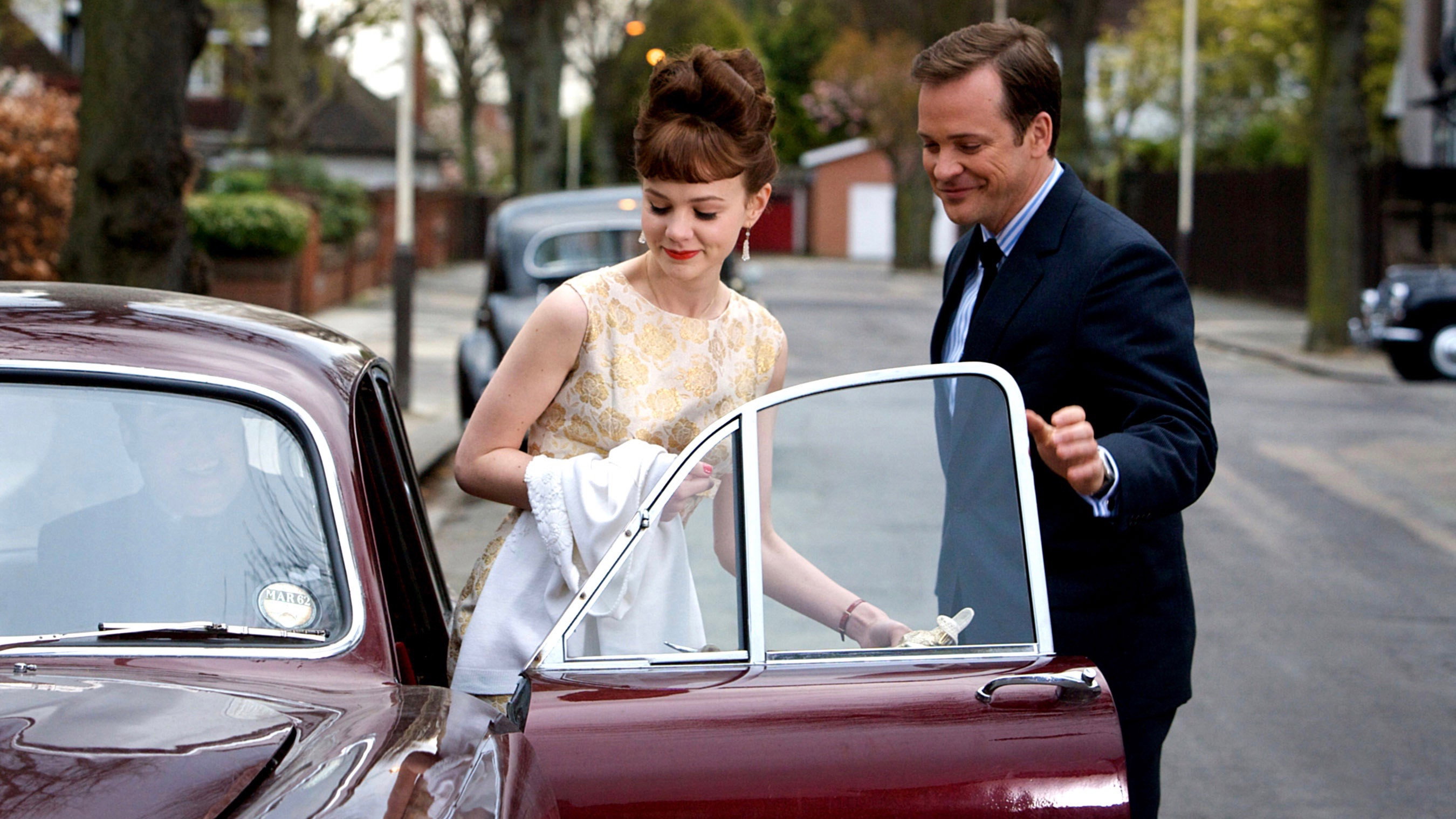
An Education is a sharp, affecting coming-of-age drama with a lead performance that makes its familiar story worth telling again. Lone Scherfig understands the particular impatience of a bright schoolgirl who suspects that working hard will merely postpone the life she wants. Jenny Mellor, played by Carey Mulligan, finds an apparent shortcut in David Goldman, the older man played by Peter Sarsgaard. We recommend it warmly, though the writing is less subtle away from the central couple.
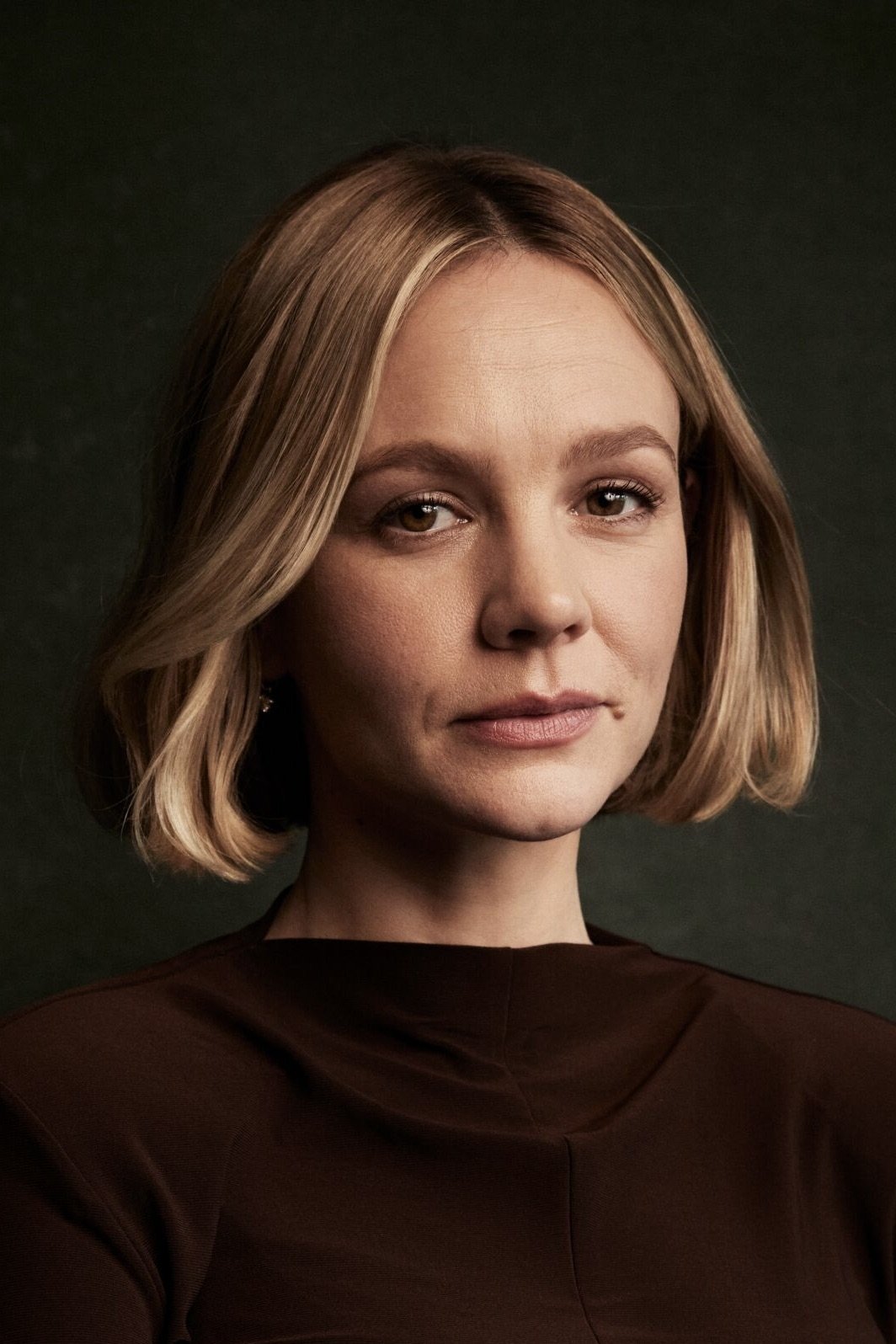
Mulligan is especially good at showing how much Jenny enjoys being treated as interesting. Her confidence can look practised, yet the wit is quick enough that we understand why she expects adults to keep up. Her attraction to David extends beyond romance: he appears to offer experiences that academic success keeps postponing. There is vanity here, and impatience, but Mulligan never makes those recognisable teenage habits seem like grounds for punishment.
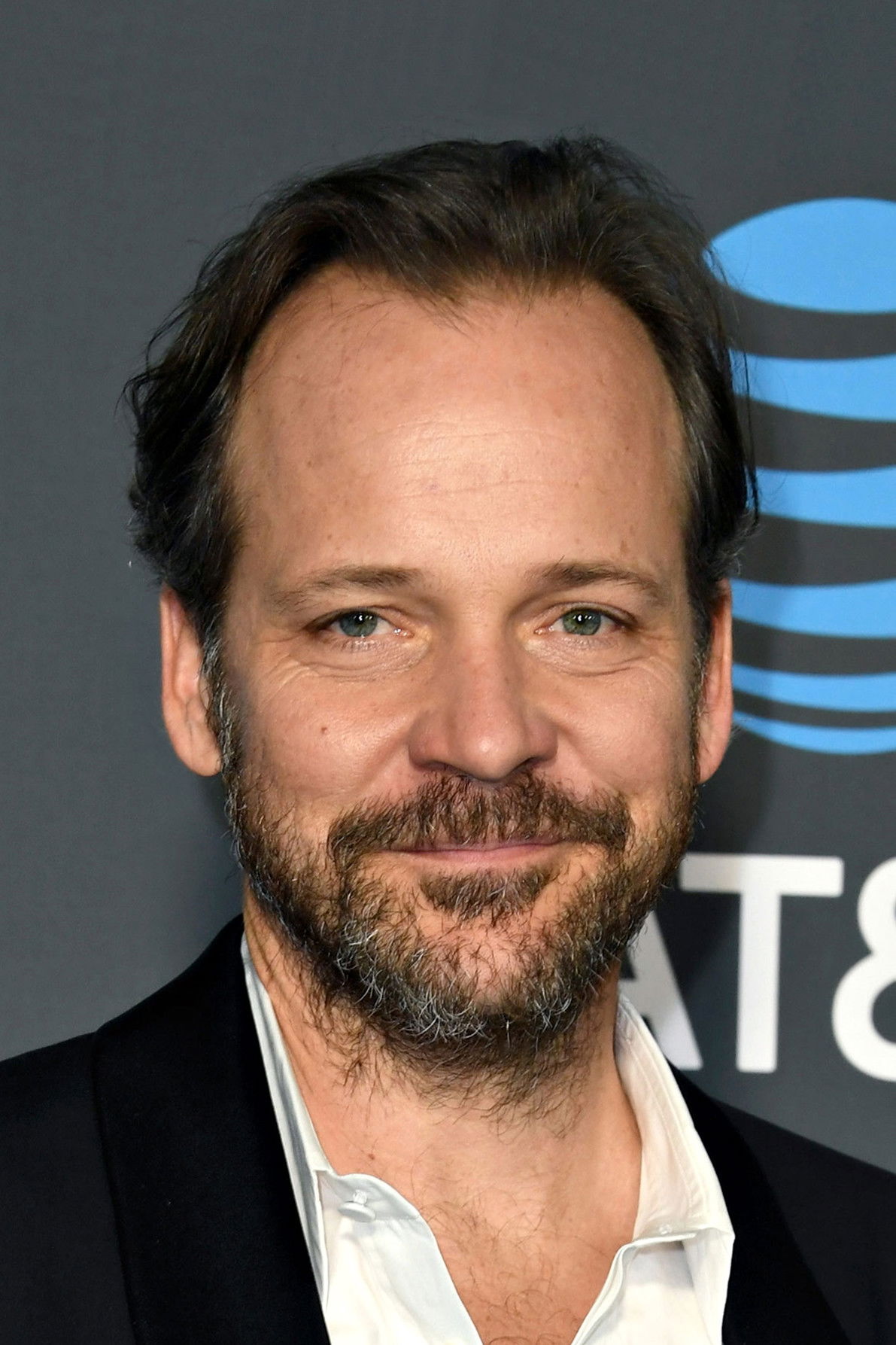
Sarsgaard gives David enough charm for that attraction to be credible. He also makes the difference in their experience difficult to ignore, even when the conversation is easy. We felt uneasy watching Jenny take his interest as proof that she is ready for adult life. Hornby’s writing gets its sharpest comedy from the confidence of adults, and Scherfig allows us to laugh without pretending that the schoolgirl and the older man have equal freedom to choose.
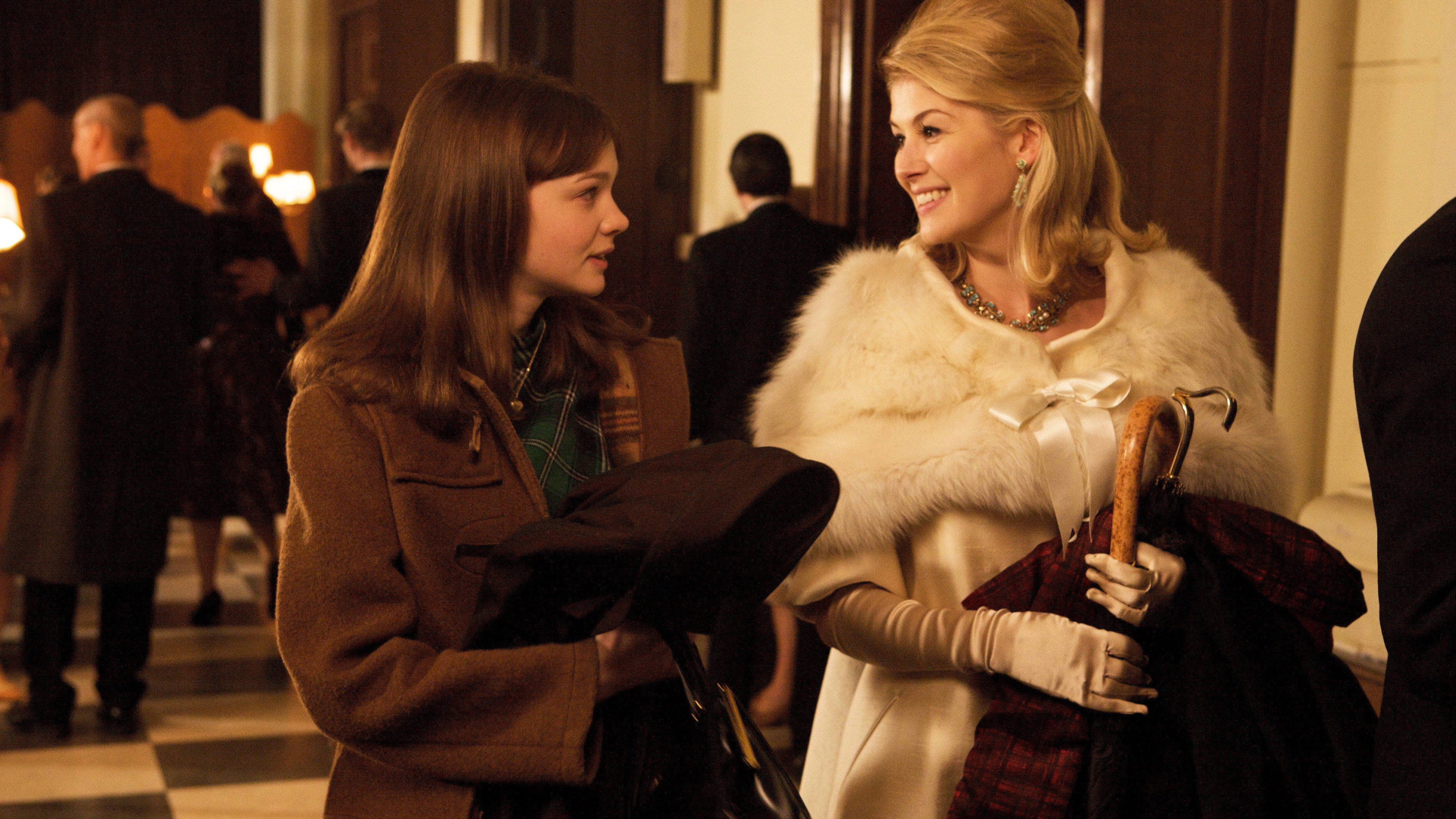
John de Borman’s cinematography makes the world Jenny wants to enter look inviting. Andrew McAlpine’s production design makes suburban life feel respectable and limiting, so the attraction of going elsewhere needs little explanation. The early 1960s setting matters because the choices available to Jenny seem narrow, and sophistication can therefore look more liberating than it deserves to. We understand the temptation even while we can see the value of the education she is considering abandoning.
Barney Pilling’s editing keeps the comedy moving without cutting short our opportunities to watch Jenny thinking. At 100 minutes, the film has room for conversation without losing the urgency of her desire to get on with living. Paul Englishby’s score suits Scherfig’s light touch, though its agreeableness sometimes contributes to a feeling that the material has been made too comfortable. The performances supply some of the awkwardness that the polished presentation smooths away.
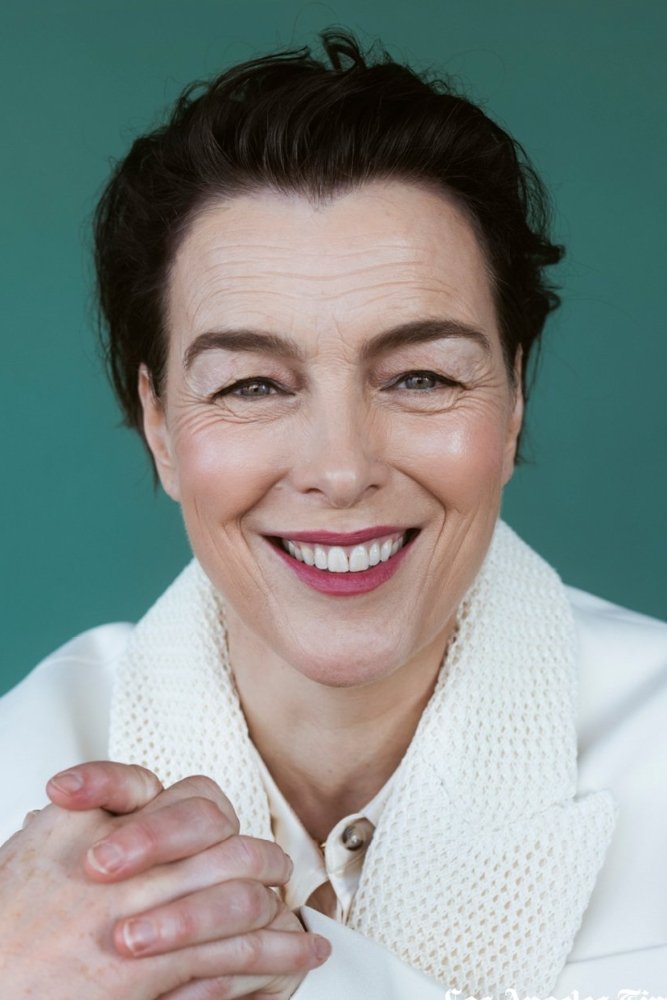
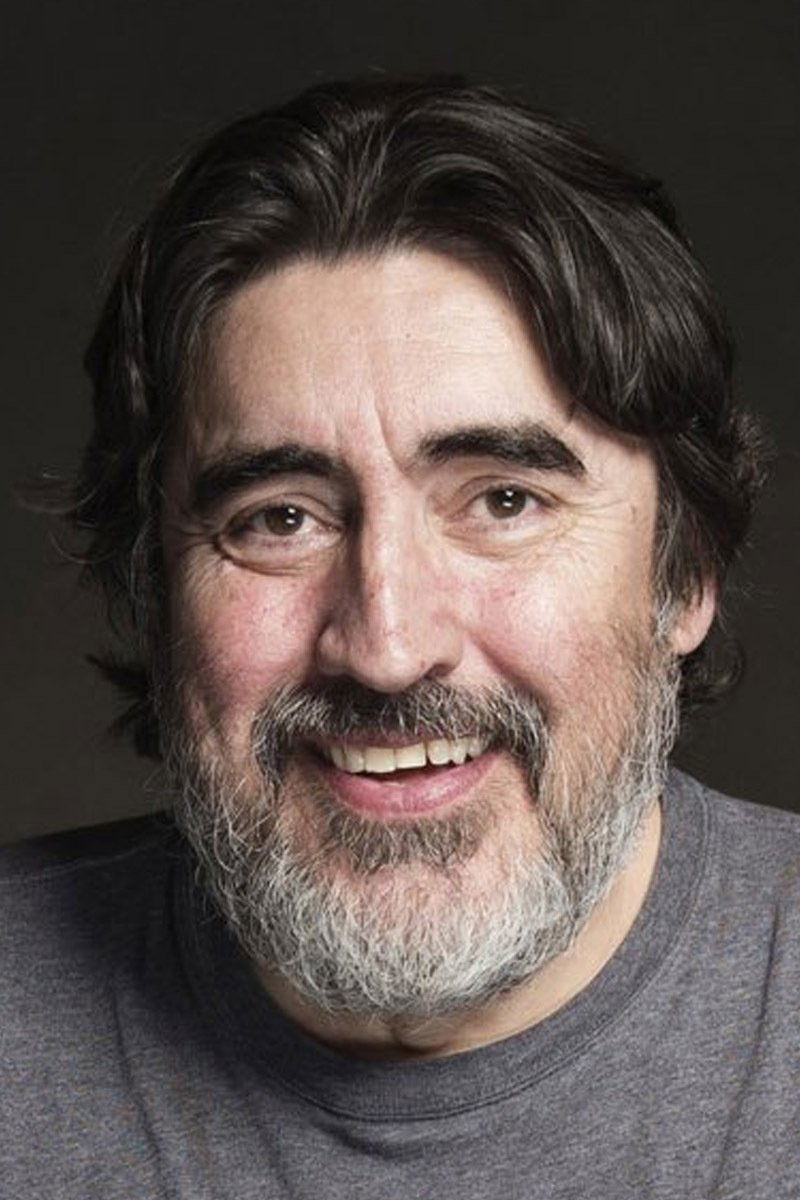
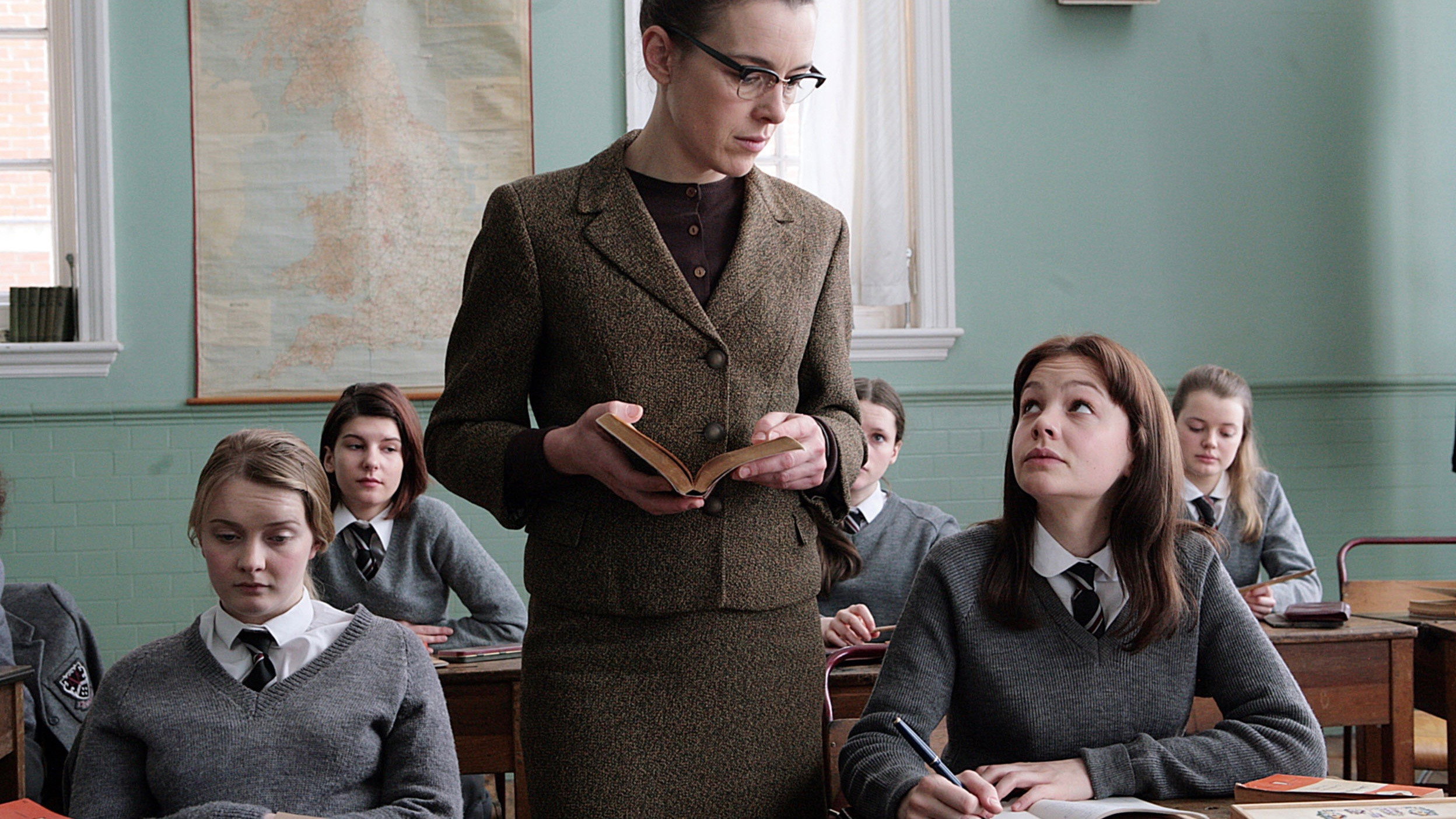
The weakness is Hornby’s tendency to arrange the supporting characters around an easily grasped lesson. Alfred Molina and Olivia Williams bring enough individuality to suggest lives beyond Jenny’s immediate concerns, but some of the smaller parts remain thin. This is a familiar problem in coming-of-age dramas: the adults are there to be assessed while the young person gets to change. Scherfig’s generosity towards the cast helps, but it cannot give every character the complexity that Mulligan finds in Jenny.
Coming-of-age films often congratulate us for spotting the mistakes their young characters cannot yet recognise. Scherfig largely avoids that easy advantage by letting Jenny’s wish for a larger life remain reasonable. Mulligan makes the wish urgent enough that a familiar story still has something to offer. Watch it for her, preferably with someone who remembers being in a hurry to grow up.