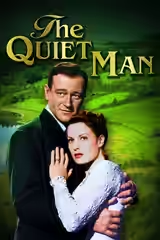
Most critics like The Quiet Man a great deal, and the praise gathers in the same places. The Technicolor photography of the Irish countryside is mentioned in nearly every review, and several treat it as the film’s chief pleasure. Maureen O’Hara draws the warmest notices, for a heroine with more independence and appetite than the period usually allowed. The big fight is singled out repeatedly, and a number of critics admire how Ford moves between romance, comedy and something sadder without the joins showing.
The reservations are about the view of Ireland. Several reviews call it rose-tinted, nostalgic or stage-Irish, and The Skinny adds casual misogyny and some hammy acting to the charge sheet while still recommending it. The spread is otherwise narrow. The one outright dissent is the oldest: The New Yorker, reviewing it on release in 1952, finds the whole thing cute, quaint and overlong, and thinks Ford has slipped into treacle.