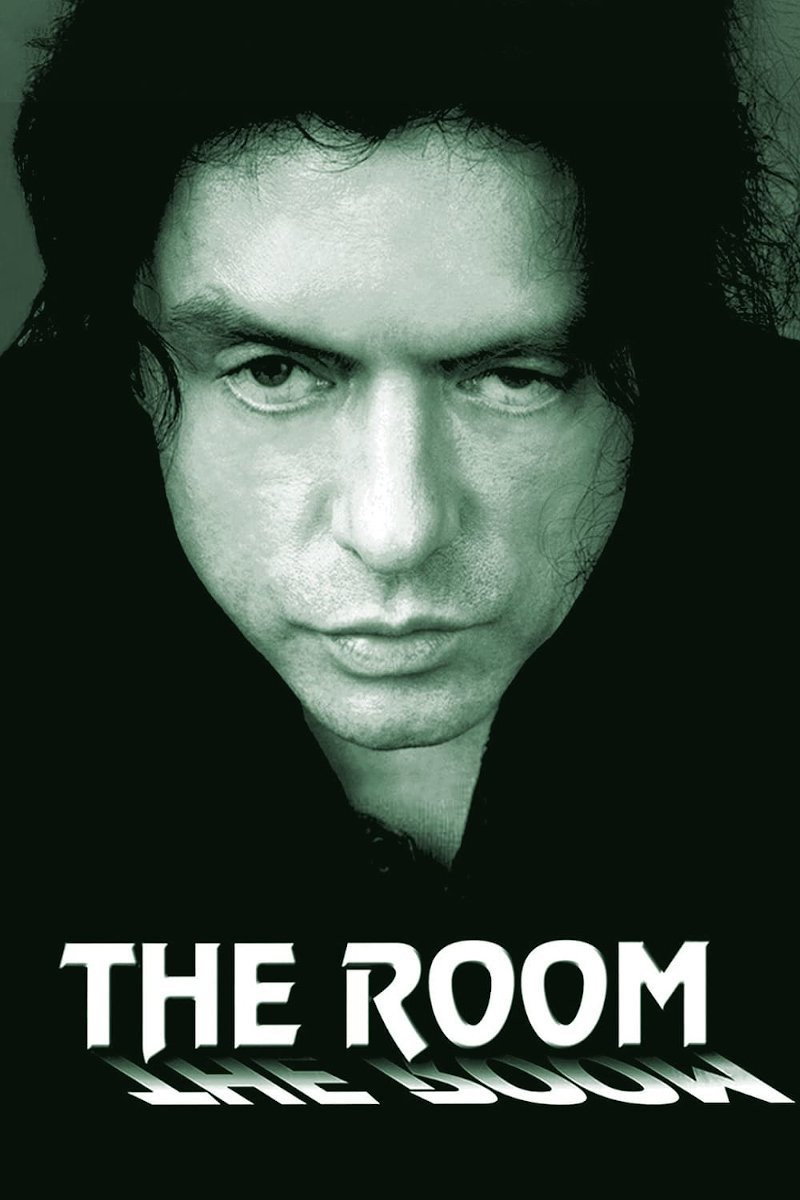
The piece portrays The Room as a staggeringly bad film that has become a cult phenomenon enjoyed through audience participation at screenings. The critic singles out the interactive experience and Tommy Wiseau's enigmatic presence for enjoyment.
The critic celebrates The Room as a worthy successor to Rocky Horror in the midnight movie tradition, highlighting its uniquely amateurish and revealing ineptitude that has spawned audience rituals like throwing spoons. He singles out Wiseau's nakedly personal pain and odd personal fetishes, such as repeated Golden Gate Bridge shots and pillow fights, as what makes the film stranger and more compelling than a typical bad movie.
The critic argues that The Room is a more compelling and deeper work than The Disaster Artist, praising its raw, unfiltered expression of the director's personality and worldview despite (or because of) its technical and narrative flaws.
The critic describes The Room as incoherently scripted, appallingly acted and unintelligibly edited, yet notes that it makes audiences happy in its awfulness. He singles out its cult following and audience participation at screenings for praise.
The film is extremely unpleasant and prompts most viewers to ask for their money back well before the halfway point. It singles out the ludicrous attempt to portray the freakish Wiseau character as a normal everyday guy, along with the soft-core sex scenes.
The critic views The Room as both one of the worst films ever made and a masterpiece, crediting its singular, idiosyncratic vision by Wiseau that defies conventional criticism. He singles out the way audience participation and reinterpretation have transformed it into a unique communal experience that transcends the director's original dramatic intent.
The critic examines The Room's enduring cult status as the quintessential so-bad-it's-good film but argues it is time to move on from that mode of appreciation, noting its scattershot structure and unintentional comedy as the source of its appeal. He singles out the self-serious dramatic intent clashing with the results as what makes it uniquely fascinating yet ultimately limiting for cult cinema discourse.
Ordered by the weight we give each publication, then by score. Scores are normalised to 100; * means inferred from an unrated review. Summaries are ours, not quotations; follow the links for the reviews themselves. How we rate