The Room is a failed romantic drama whose misplaced confidence produces occasional, involuntary comedy. Tommy Wiseau’s sincerity keeps it interesting in patches, but the repetition makes a full evening difficult to recommend.
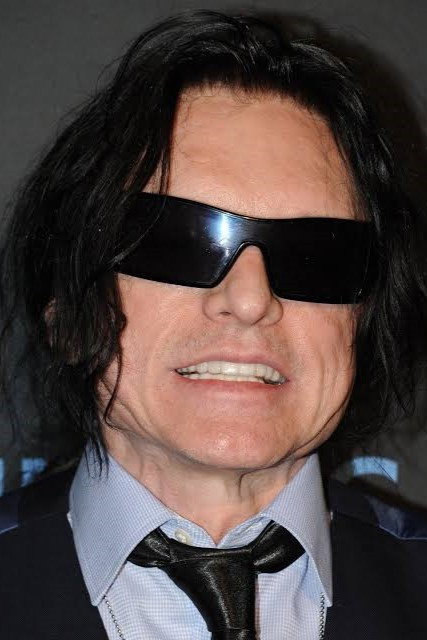
The Room asks to be taken seriously as a story about romance and trust, and we think it deserves to be judged on that basis before the laughing begins. On those terms, it is poor. Tommy Wiseau writes, directs, produces and plays Johnny, giving the film a personal commitment that remains visible through its failures. There is something touching about that effort, though it does little to make the dialogue persuasive or the relationships involving.
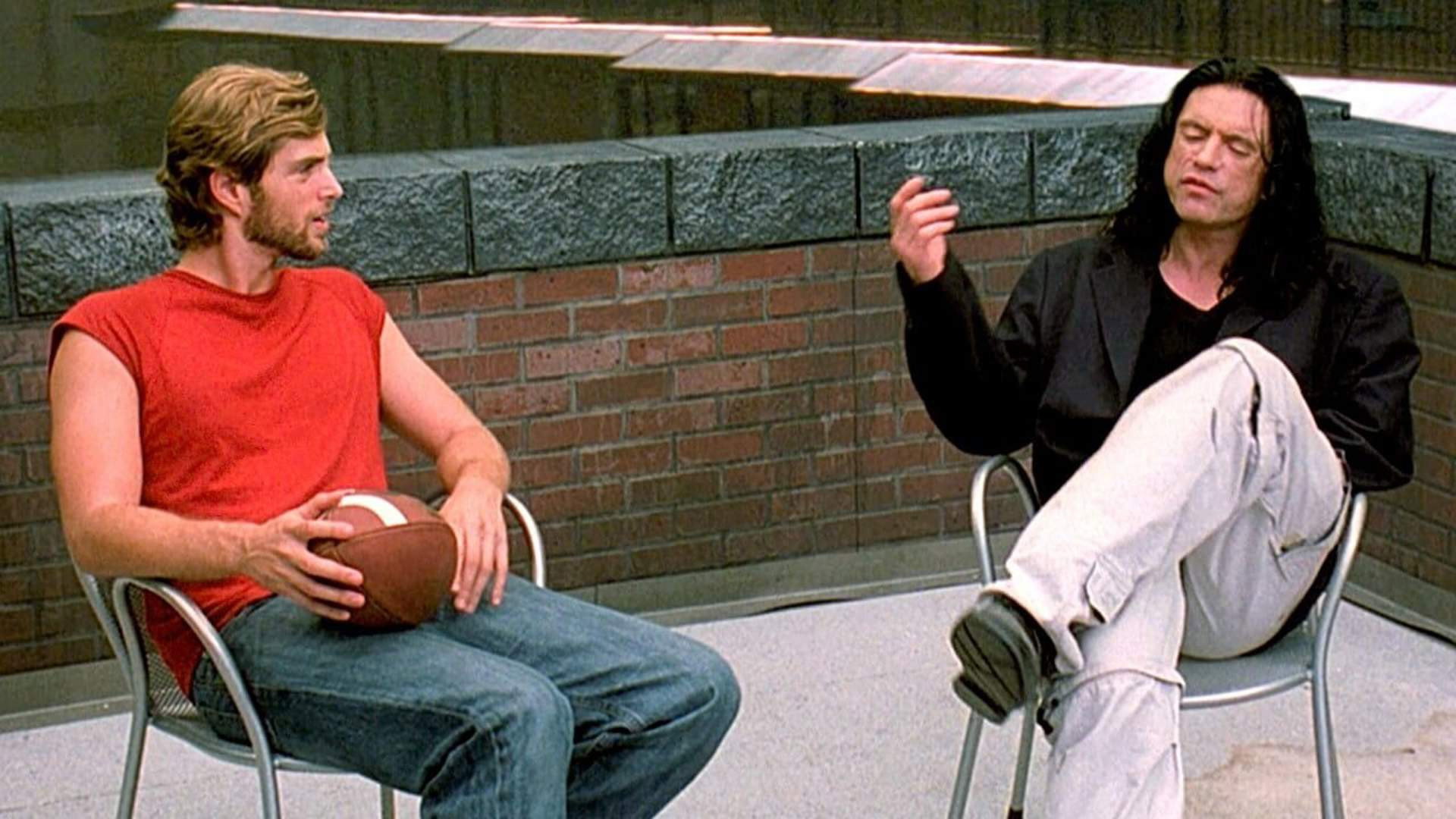
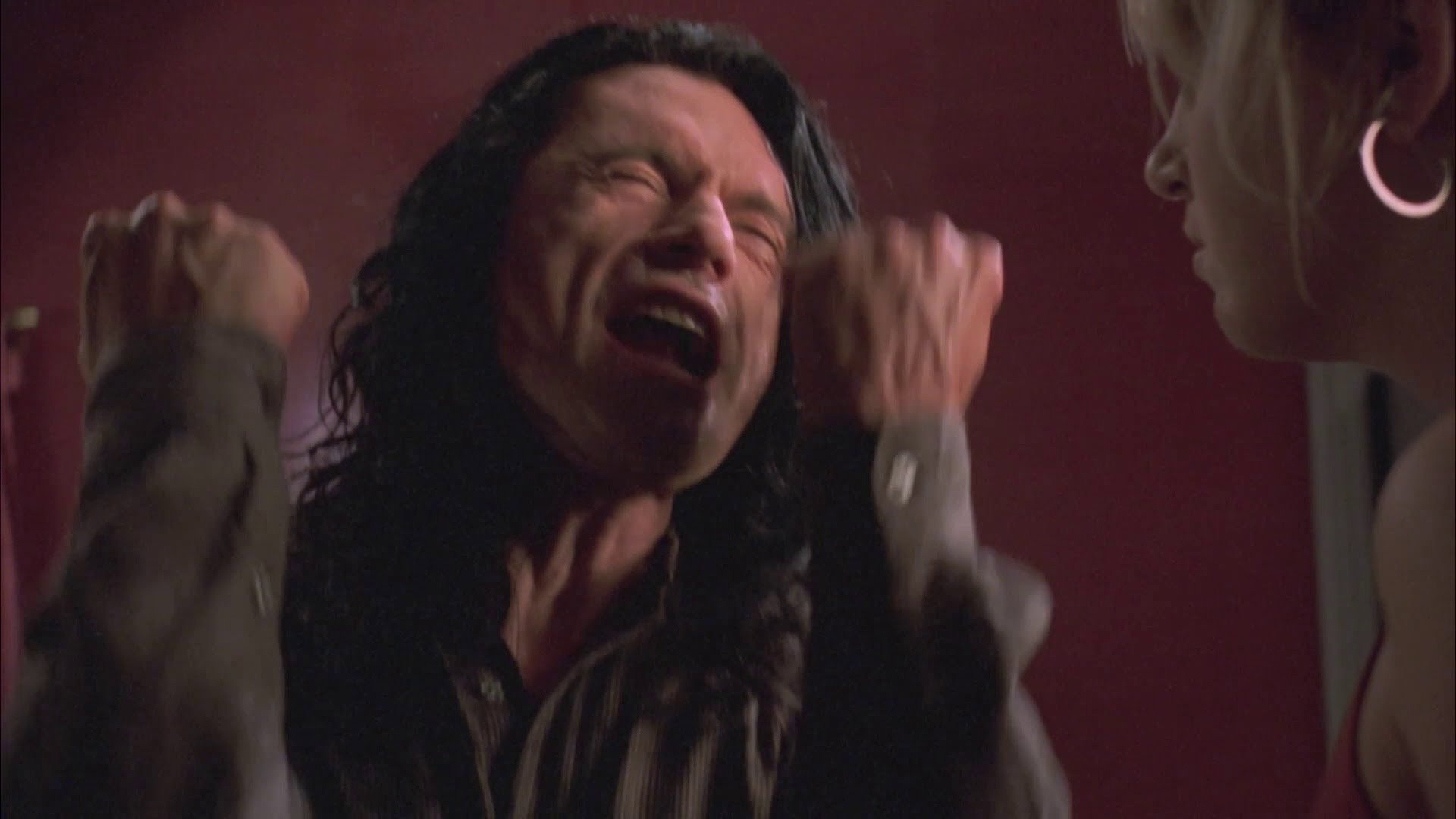
Johnny is presented as an ordinary man, but Tommy Wiseau’s performance makes that proposition difficult to accept. The effort to communicate strong feeling is so exposed that we keep noticing the actor struggling to convince us. Juliette Danielle, as Lisa, and Greg Sestero, as Mark, have little chance of establishing a convincing dramatic rhythm around him. With dialogue this awkward, even an exchange meant to sound casual feels like something everyone has been required to demonstrate.
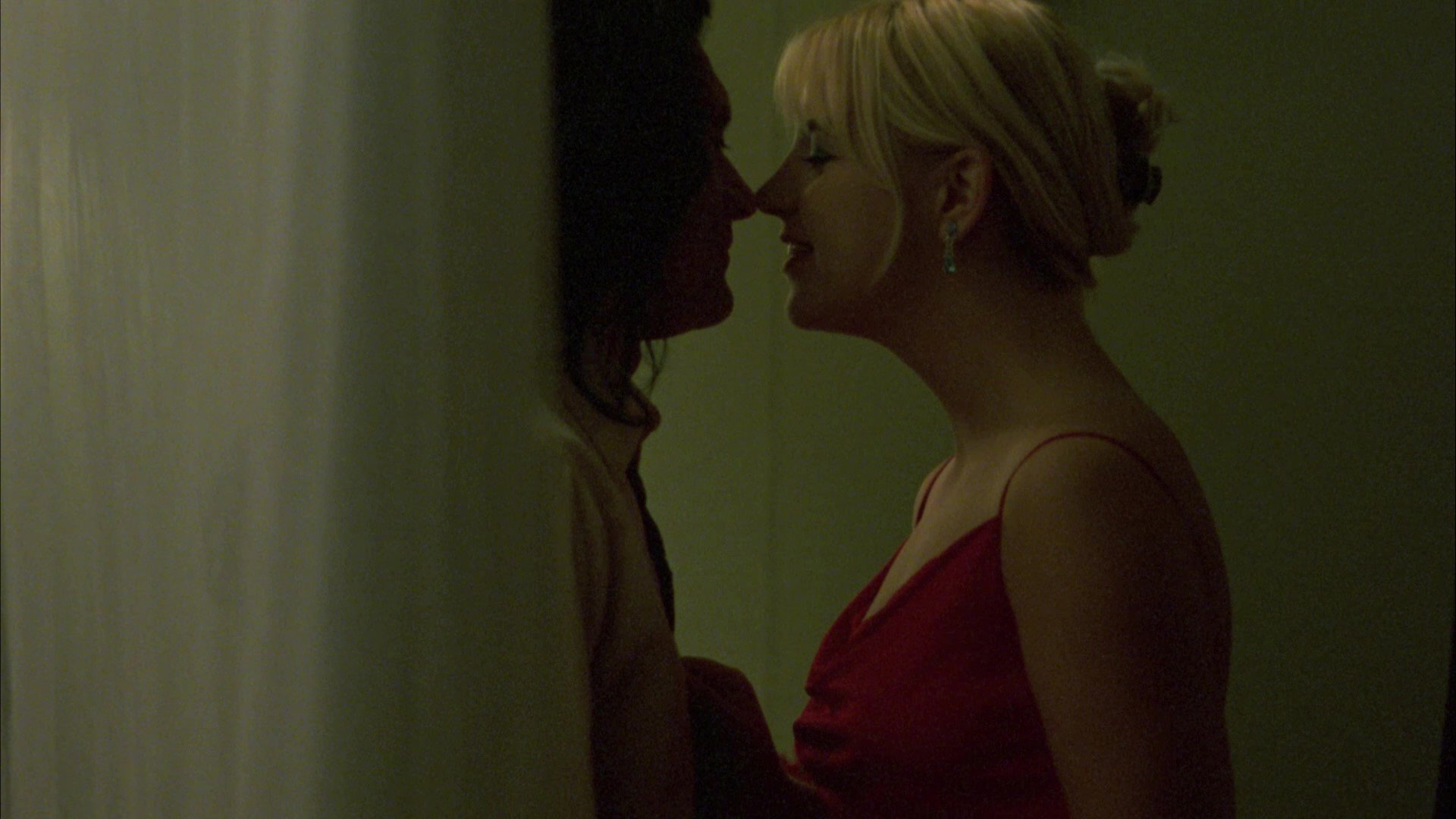
We laughed at the pillow fights, then felt slightly mean about it. Their forced cheerfulness is funny, but there is an earnest wish to make these people seem happy together, and that is harder to dismiss. The sex scenes are less endearing: their protracted insistence on intimacy makes the film feel stalled. There is a limit to how long accidental comedy can excuse a scene that has not found a reason to continue.
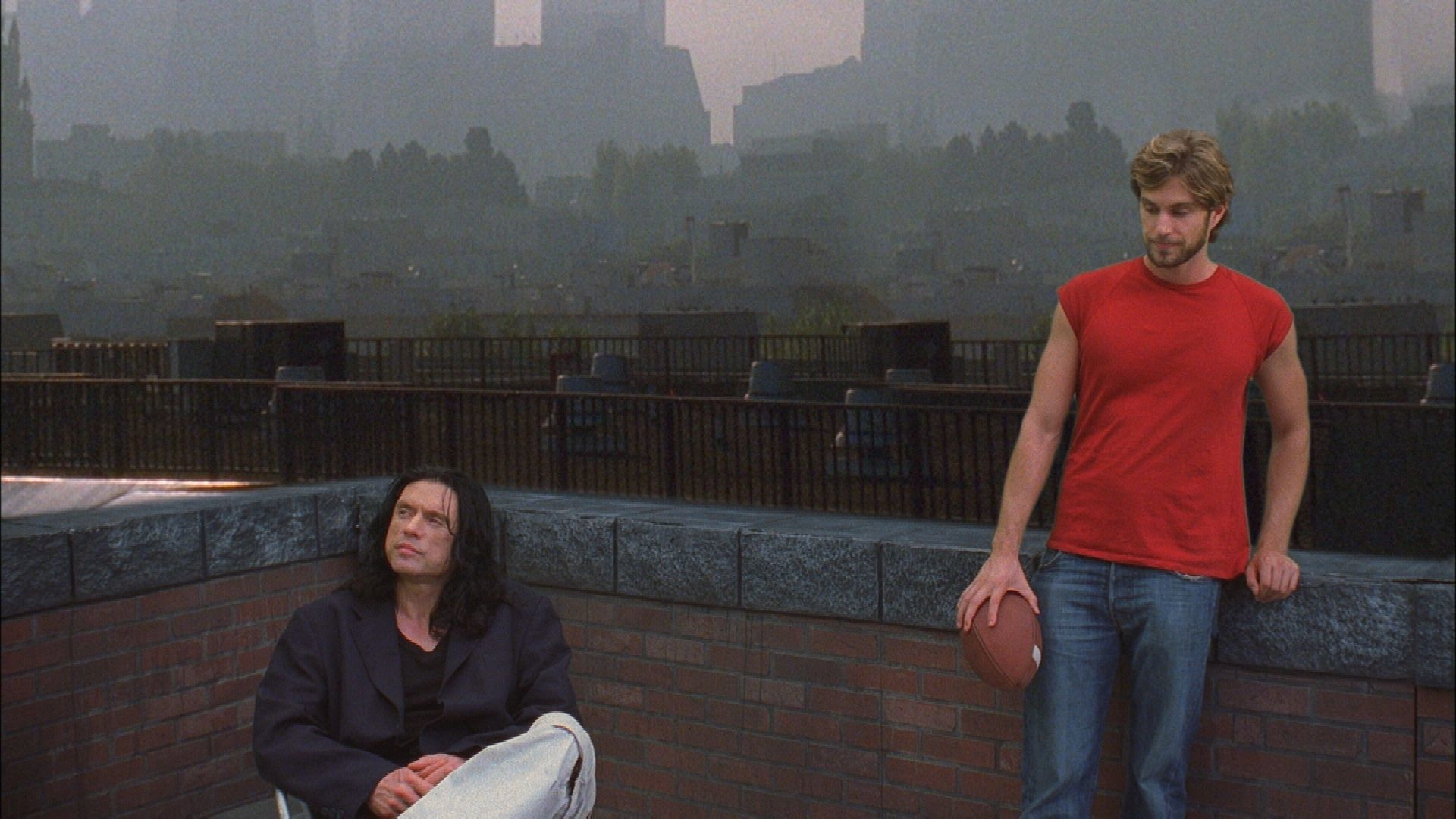
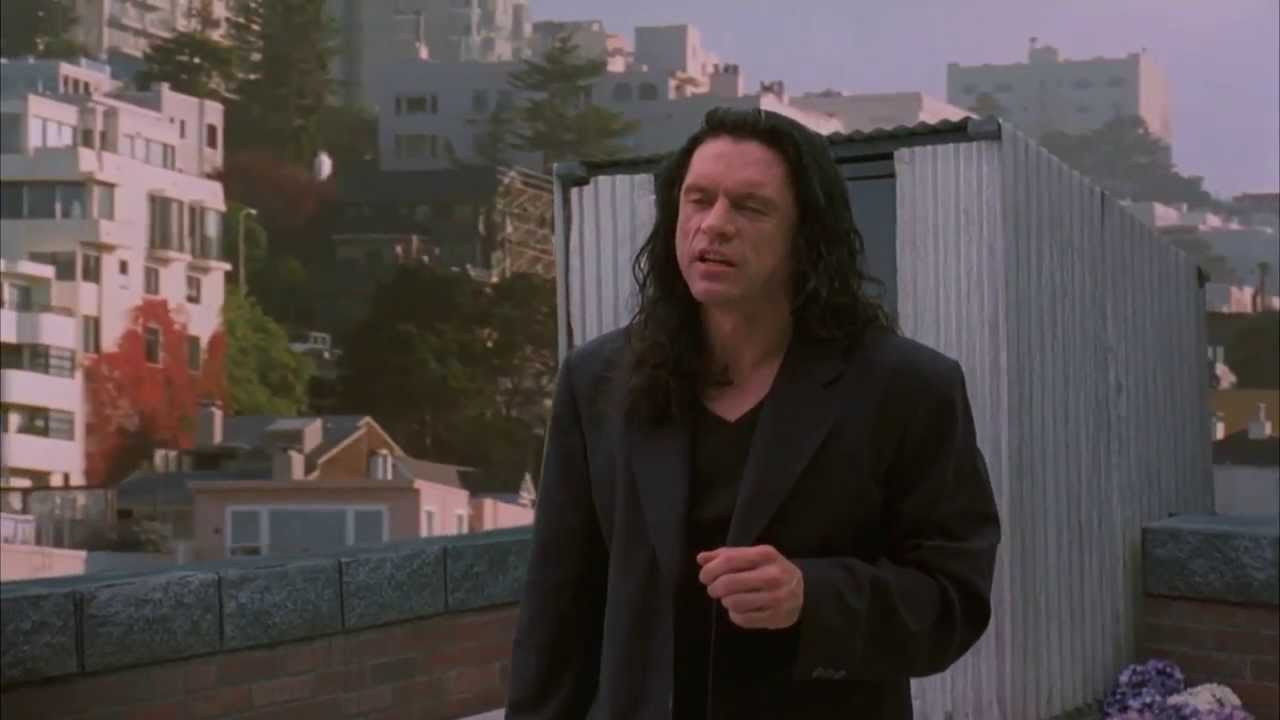
Todd Barron’s cinematography repeatedly returns to the Golden Gate Bridge, until those views start to feel like interruptions. They give us a landmark without making the surrounding conversations any more believable. Mercedes Younger supplies the production design, but the writing and performances leave those settings struggling to suggest an ordinary life. When every exchange sounds rehearsed, it is difficult to accept that anybody belongs in the space around them.
Eric Chase’s editing does little to organise the script’s scattered concerns into a story with some forward movement. Scenes occupy time without making the next conversation feel necessary, and the repeated material becomes more noticeable as the film goes on. Mladen Milicevic’s score tries to supply the emotional conviction missing from the exchanges, but it cannot make us care on the characters’ behalf. At 100 minutes, the film gives its uneven rhythms plenty of time to become wearing, especially once the initial surprise has passed.
Most critics disagree with us, finding enough pleasure in the film’s peculiar sincerity and participatory screenings to recommend it. We think that judgement gives too much credit to the audience: people entertaining one another can rescue an evening without improving the film they have come to see. The appeal is understandable, and nobody needs permission to enjoy a failed melodrama. But a romantic drama needs to make us care about the people and their choices, and this one rarely manages it.
There is a virtue here that more competent films sometimes lack: it never feels anonymous. The awkwardness belongs to somebody who plainly wanted these feelings to matter, and the laughter does not erase that. We would not recommend it as a romantic drama, and its accidental comedy is too intermittent to sustain the evening unaided. Choose your company carefully; they will be supplying some of the entertainment.