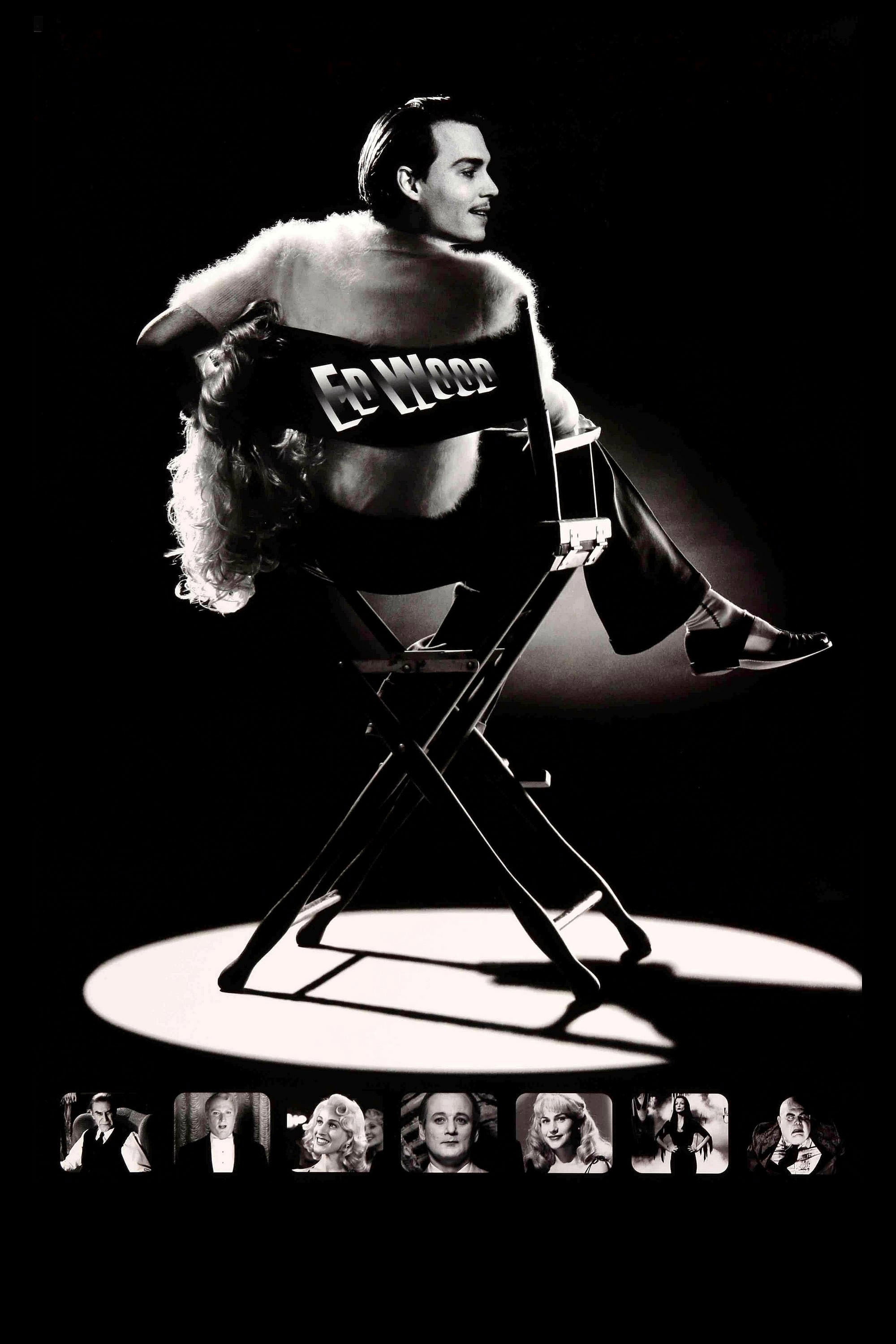
Ed Wood’s alien invasion is intermittently funny and entirely sincere, but the stiff talk outlasts the pleasure of its crude effects. We would save it for an evening when curiosity matters more than suspense.
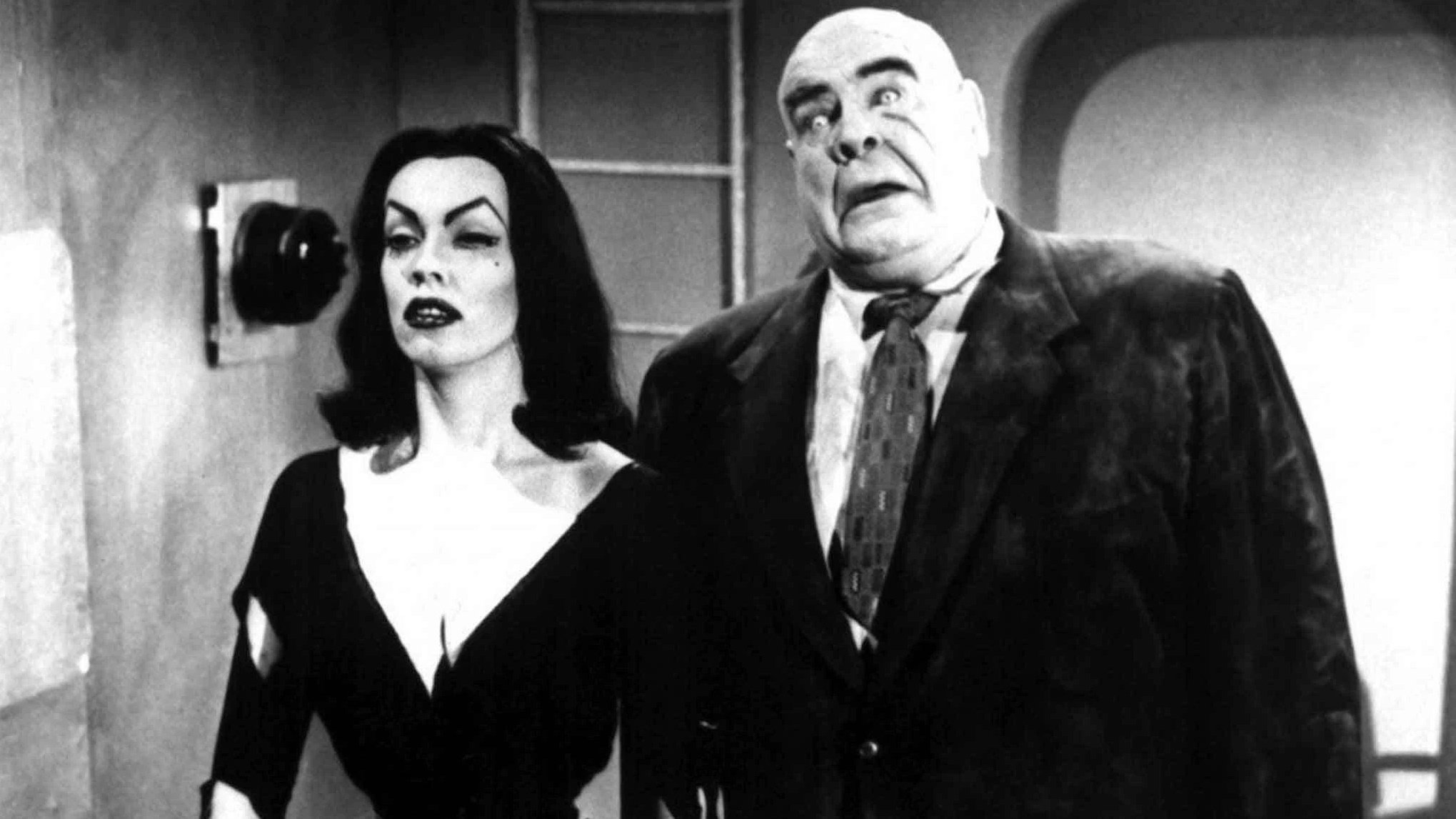
Plan 9 from Outer Space is worth a look for the curious, though its pleasures come with stretches of stiff, tiring talk. Ed Wood wants the alarm of an alien invasion and the unease of the dead returning, and plainly believes that combining them will make a formidable horror film. That belief survives every unconvincing saucer and every wavering bit of scenery. The dialogue is delivered with a gravity the effects cannot support.
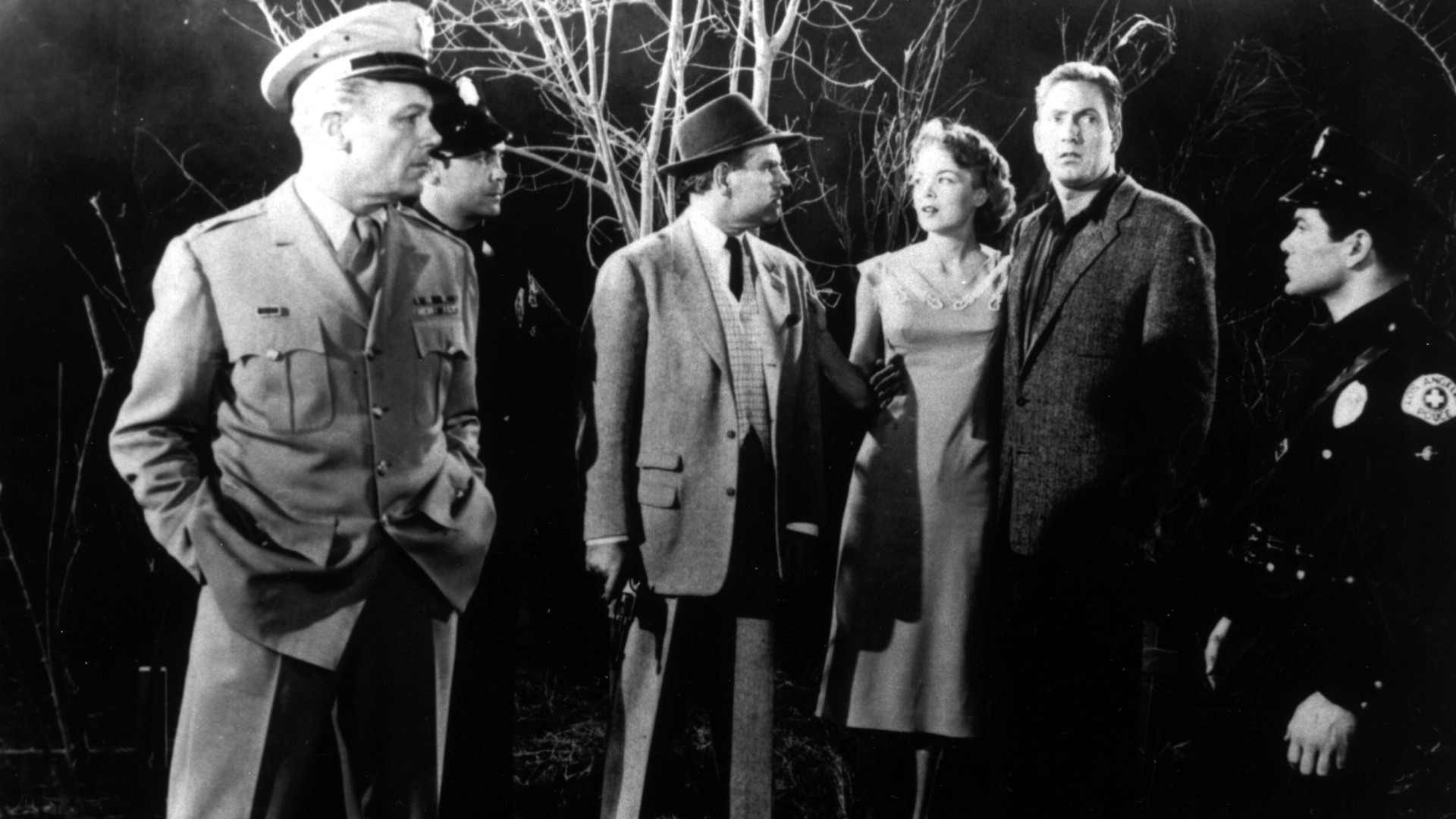
We laughed when the flying saucers appeared. Their crude appearance is made funnier by the solemn performances surrounding them, with nobody acknowledging anything amiss. William C. Thompson’s cinematography leaves the flimsy sets looking stubbornly like flimsy sets, and the perfunctory staging gives us little else to look at. The images need to persuade us that these people inhabit a threatened world, but the scenery keeps drawing attention to itself.
Ed Wood, also the editor, compounds the problem with cuts that fail to keep furniture consistent between shots. Stock footage promises a scale that the surrounding scenes cannot sustain, and the shifts keep breaking our concentration. There is a restless energy to the assembly, which helps prevent the film from becoming lifeless. Yet an invasion needs some confidence about where people are, and too often we are studying a mismatch instead of following a threat.
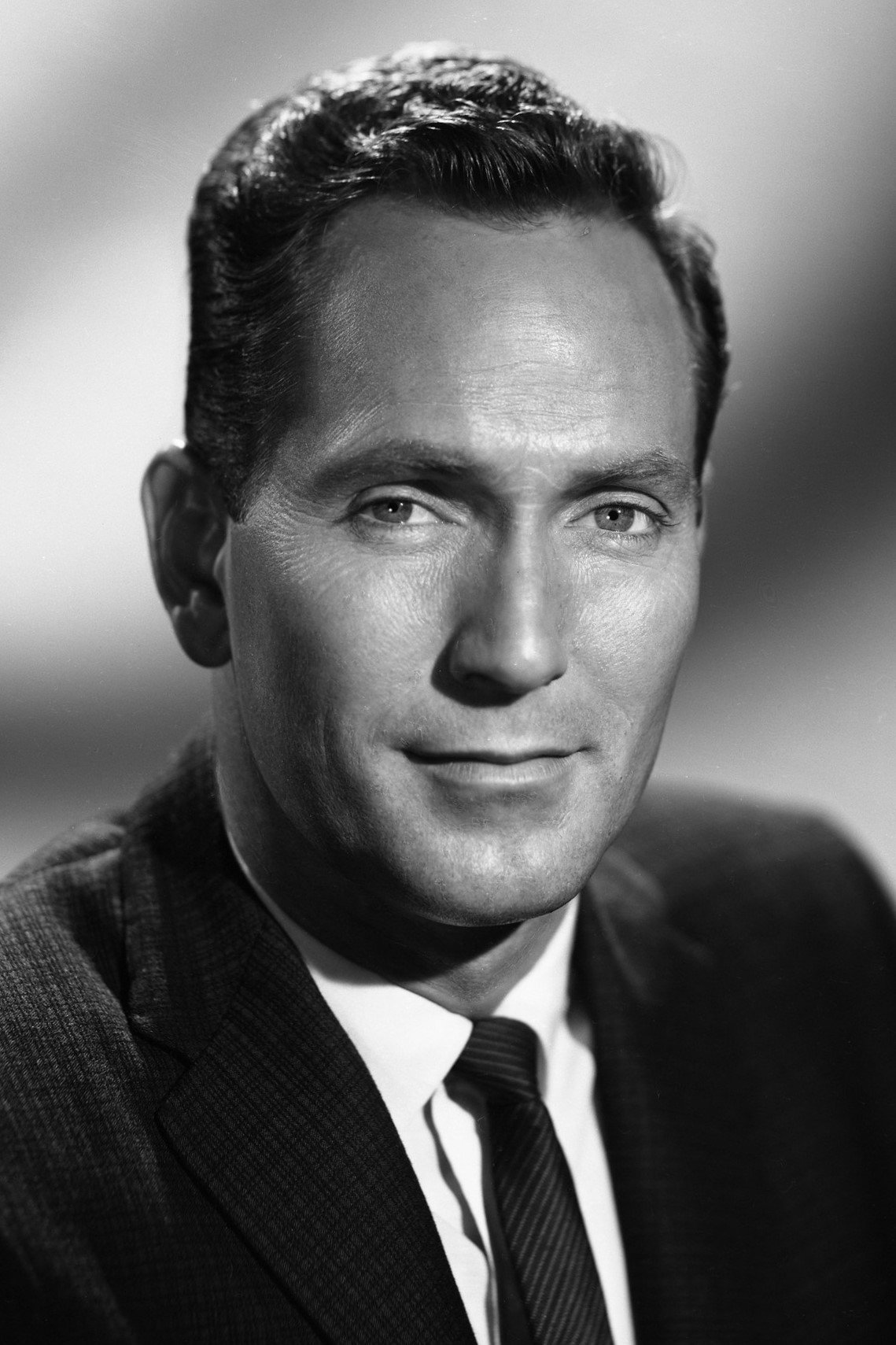
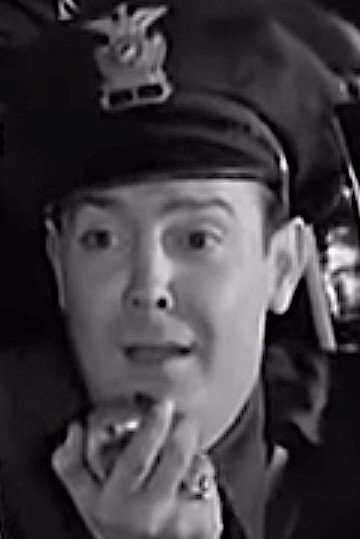
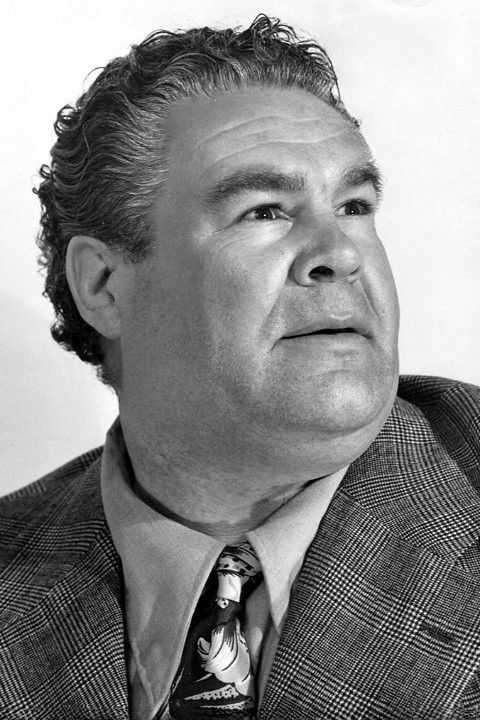
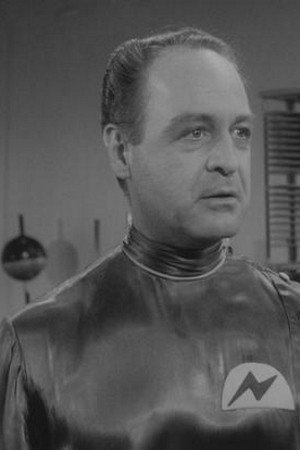
The acting deserves a little more credit than a catalogue of blunders usually allows it. Gregory Walcott plays Jeff Trent straight, giving the accidental comedy something dependable to work against. Much of the delivery is wooden, but nobody seems to be congratulating themselves on participating in something peculiar. The difficulty is that Ed Wood’s screenplay keeps supplying awkward, inflated dialogue, and the performers cannot make those speeches move any faster. With resurrected bodies already providing a simple threat, the prolonged talk feels unnecessary.
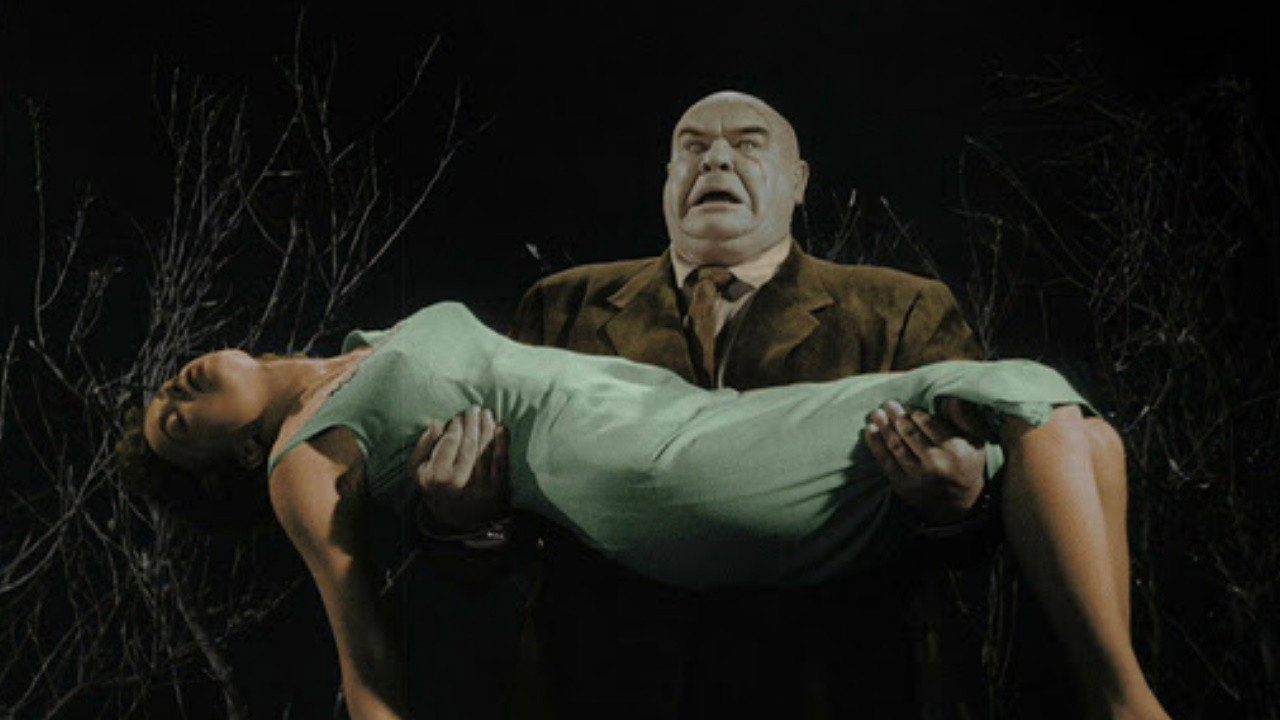
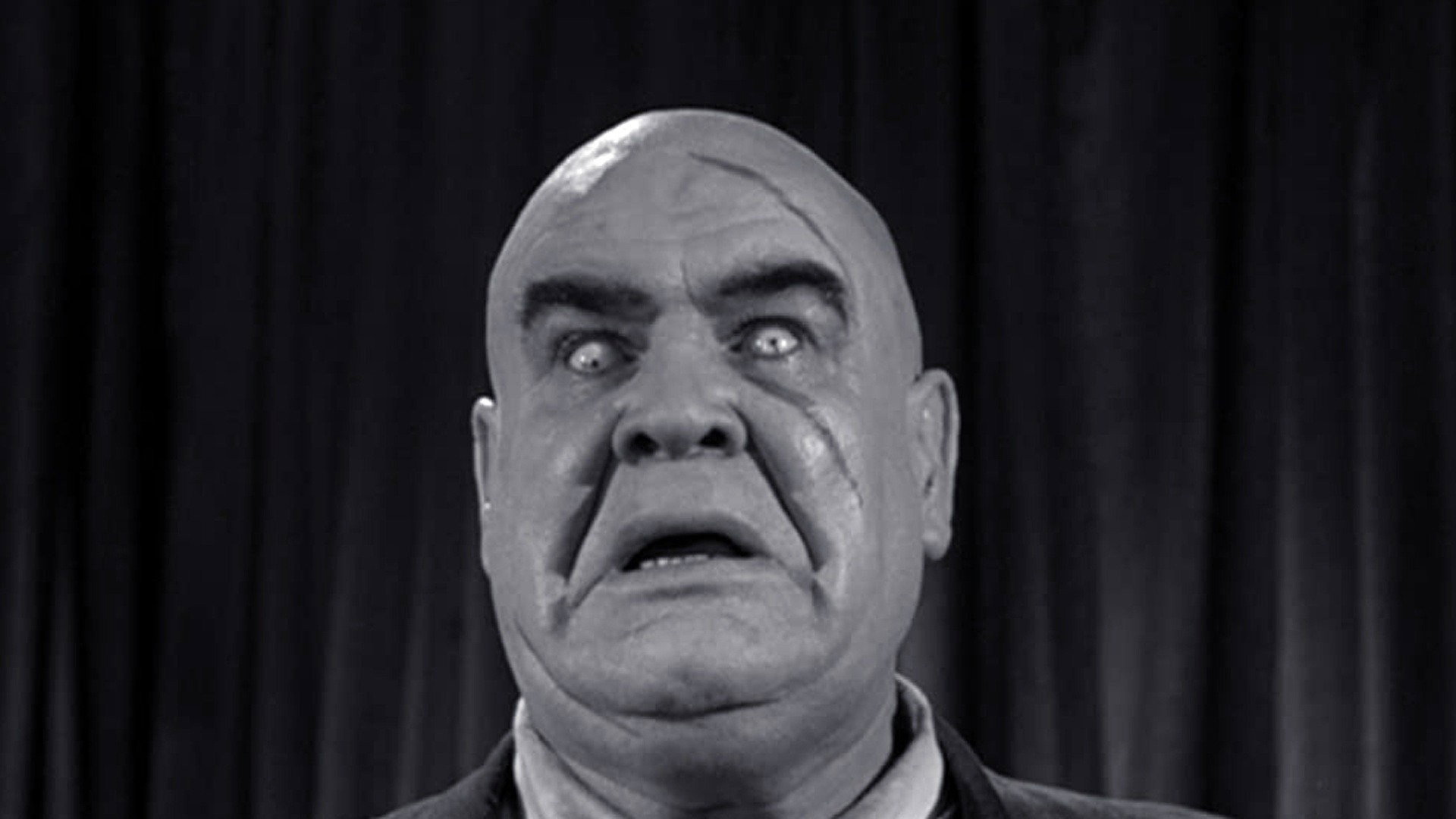
We do not think every mistake deserves affectionate applause. A visibly flimsy set can amuse us, but mismatched furniture is not necessarily funny, and spotting errors soon becomes a poor substitute for watching a story develop. What earns the film some goodwill is its determination to take the alien menace seriously even when the staging cannot support it. Aliens using the dead against the living is a direct, unpleasant idea that hardly needs sophisticated effects to work. There are the makings of an unsettling horror film here, repeatedly interrupted by another speech.
For us, this kind of horror needs at least a few moments when we forget how the scene has been put together, and those moments are scarce. The mixture of science fiction and returning corpses offers plenty of opportunities for surprise, but the film rarely gives a disturbing thought time to settle. Nor does its accidental humour excuse every dull passage. At 78 minutes it is short enough to satisfy a long-standing curiosity, although the dialogue can make it feel longer.
The affection surrounding it is understandable. There is little cynicism in a film that keeps attempting cosmic catastrophe with such unconvincing scenery and effects, and we would rather meet that effort kindly than turn the evening into a competition in mockery. Still, there is no obligation to find every failure endearing. Try it with tolerant company, and expect the laughter to arrive in patches.