Film review

Ed Wood

1994 · Directed by Tim Burton · 2h 07m · MPA R

In a sentenceEd Wood keeps making terrible films, and somehow we finish this one wishing we could help

ComedyDramaHistory

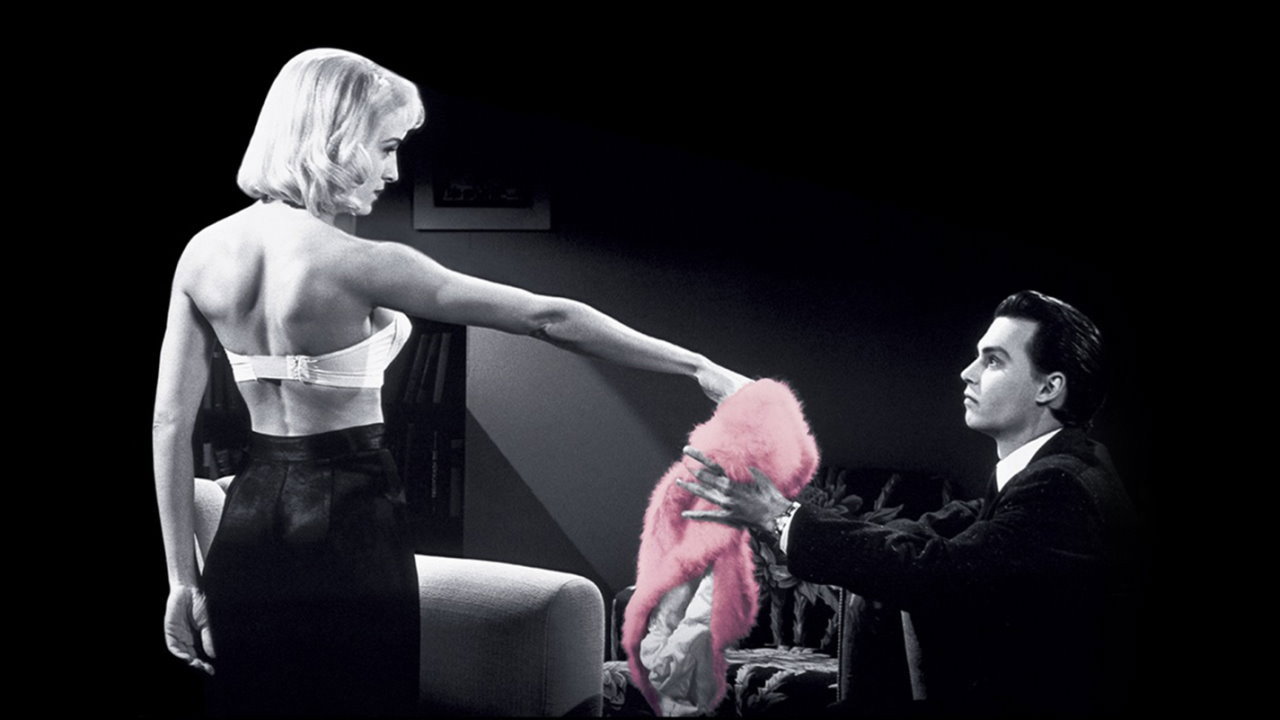
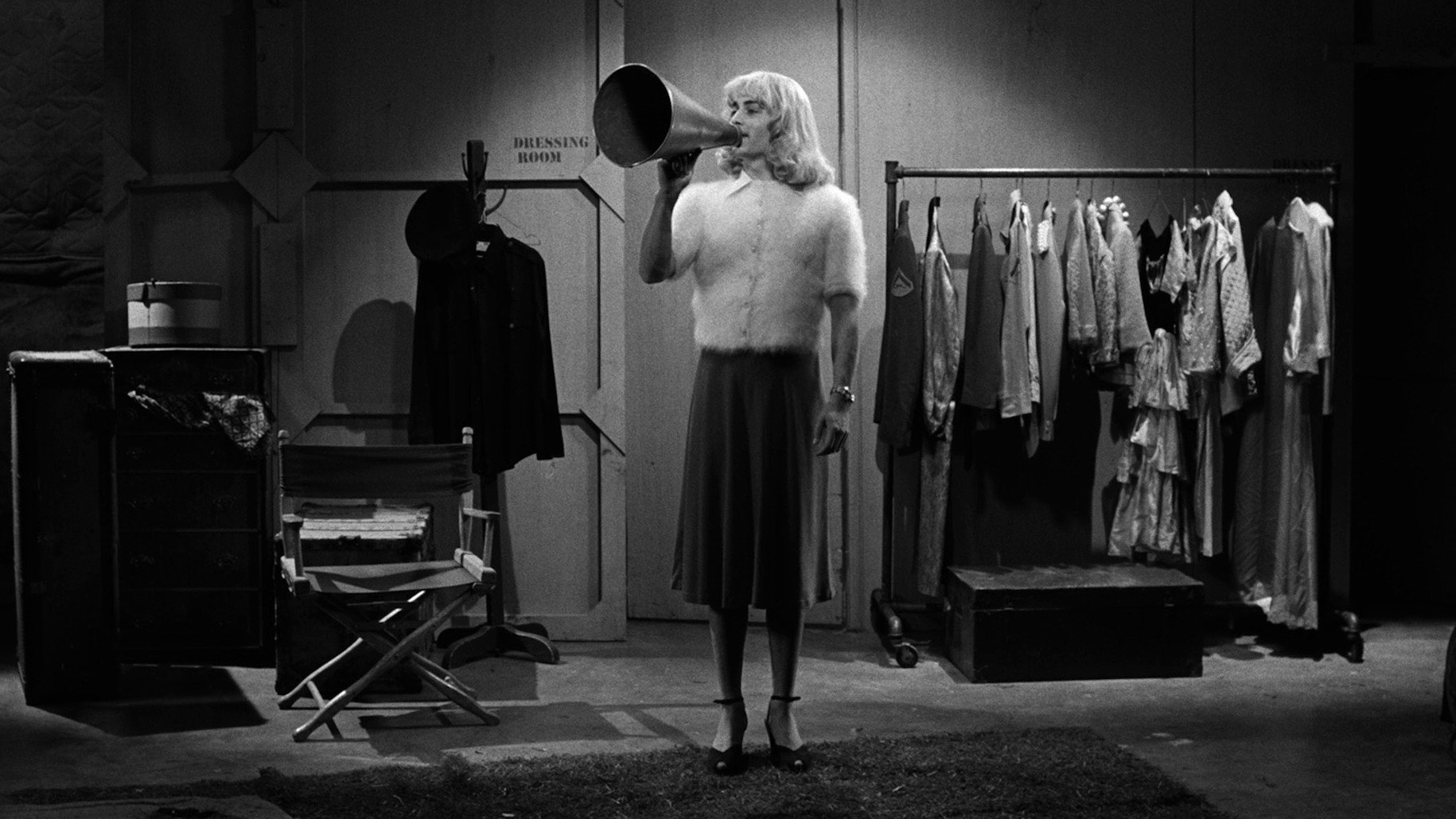
Johnny Depp plays Ed Wood, a filmmaker whose enthusiasm for making pictures exceeds his ability to make them well. In the world of 1950s exploitation cinema, he pursues his ambitions with a persistence that leaves little room for self-doubt. His friendship with Bela Lugosi (Martin Landau) gives Tim Burton’s comedy-drama its focus. Around them are Dolores Fuller (Sarah Jessica Parker), Kathy O’Hara (Patricia Arquette) and Bunny Breckinridge (Bill Murray). The film follows Wood’s efforts to keep working, the people drawn into his circle and the gap between his hopes and what he can achieve.

Fi1m review

Tim Burton makes a funny, unusually kind film about artistic failure, with Johnny Depp’s optimism and Martin Landau’s vulnerability giving it substance. It runs long, and its affection sometimes leaves too little for Depp to play.

Tim Burton’s Ed Wood is a funny, generous film about a filmmaker who lacks the talent to justify his confidence. It succeeds because Burton takes that confidence seriously, while allowing us to see how badly Wood’s work turns out. Making films matters to these people, even when the results are dreadful, and Burton gives their pleasure in the work proper attention. We recommend it warmly, though his fondness for Wood makes the film longer than it needs to be.

Scott Alexander and Larry Karaszewski build the screenplay around persistence and friendship, giving this biopic something to follow besides a career. They find comedy in Wood’s certainty that another film is worth making, even when there is little evidence that he will make it well. The writing understands the attraction of a collaborator who has enough enthusiasm to get other people involved. Burton lets the pleasure of working together count for something, and the jokes mostly respect the people doing the work.

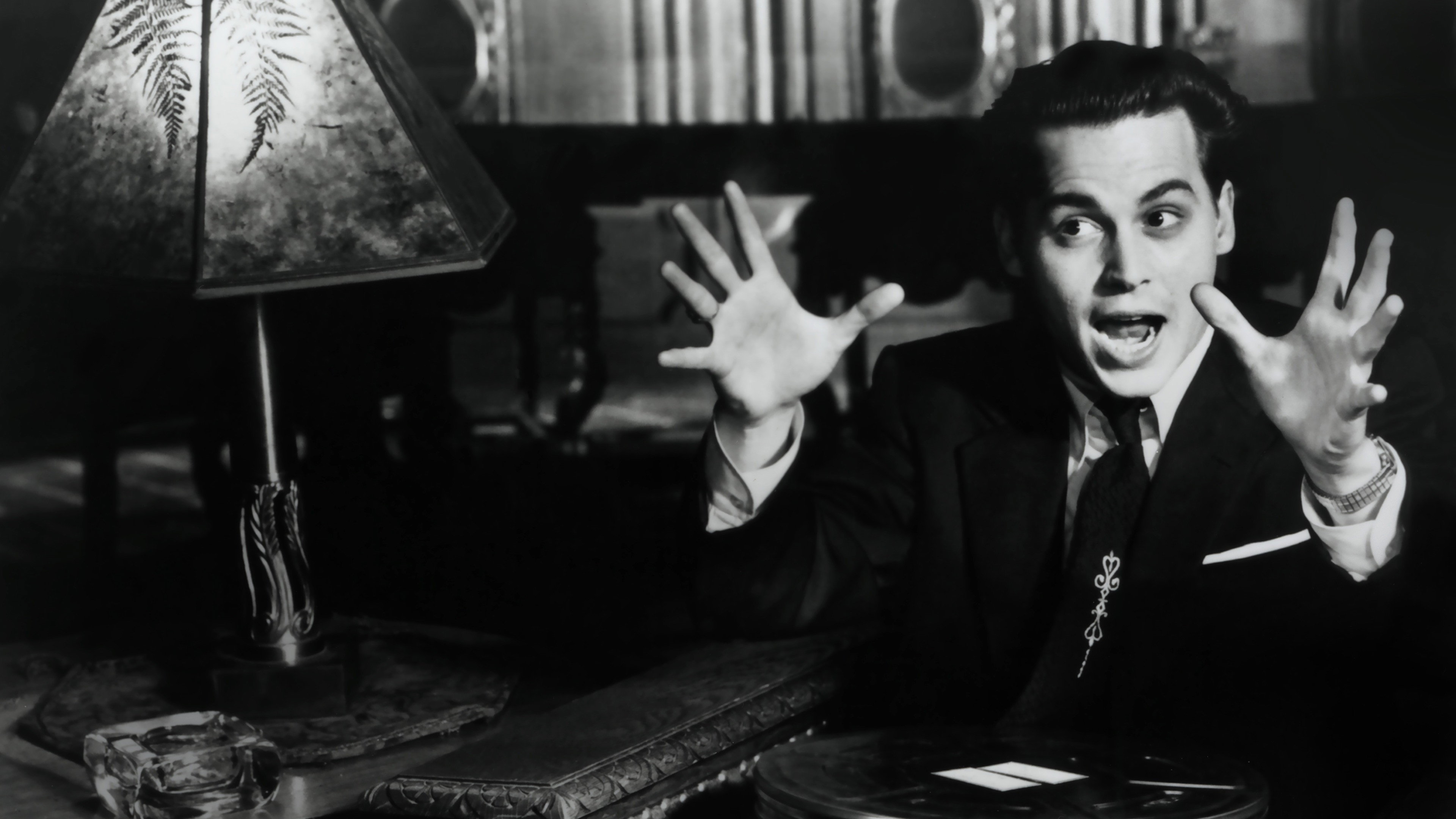
Johnny Depp plays Wood’s optimism at a pitch that is funny before it becomes tiring. His eager delivery makes failure seem like a brief interruption, and he catches the usefulness of someone who can keep believing on everybody else’s behalf. But the performance has a limited range, partly because Burton and the writers protect the character from too much doubt. A little more uncertainty would give Depp something else to play without requiring Wood to abandon his ambitions.

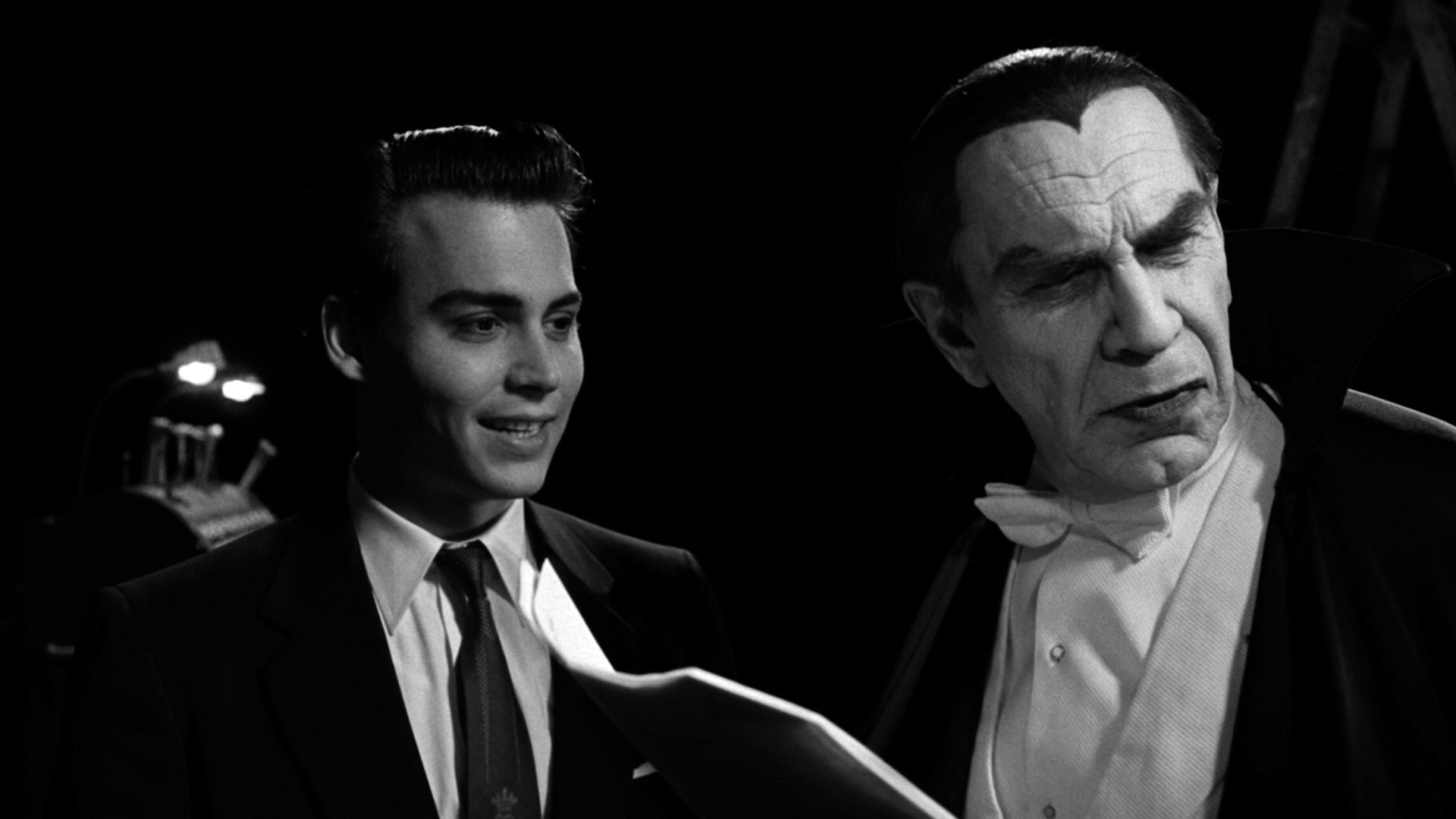
Martin Landau supplies some of that uncertainty as Bela Lugosi. The force of his performance gives the friendship some friction, so Depp has something to respond to beyond his character’s own enthusiasm. We were moved by the vulnerability Landau lets through Lugosi’s bluster, because it makes his need for company feel painfully immediate. Depp’s eagerness becomes more touching beside him, and their scenes together give us a reason to care beyond the next bad film.

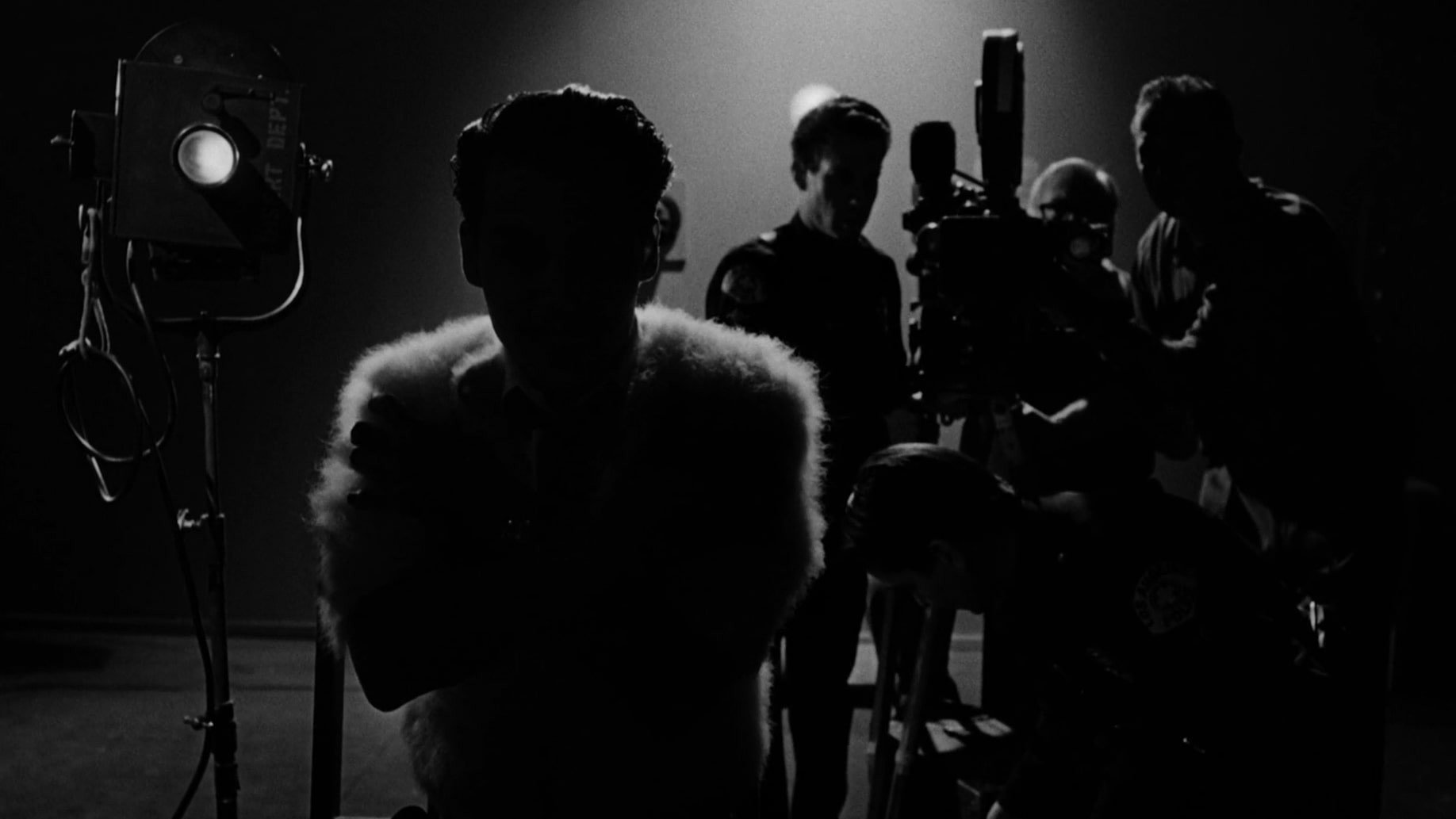
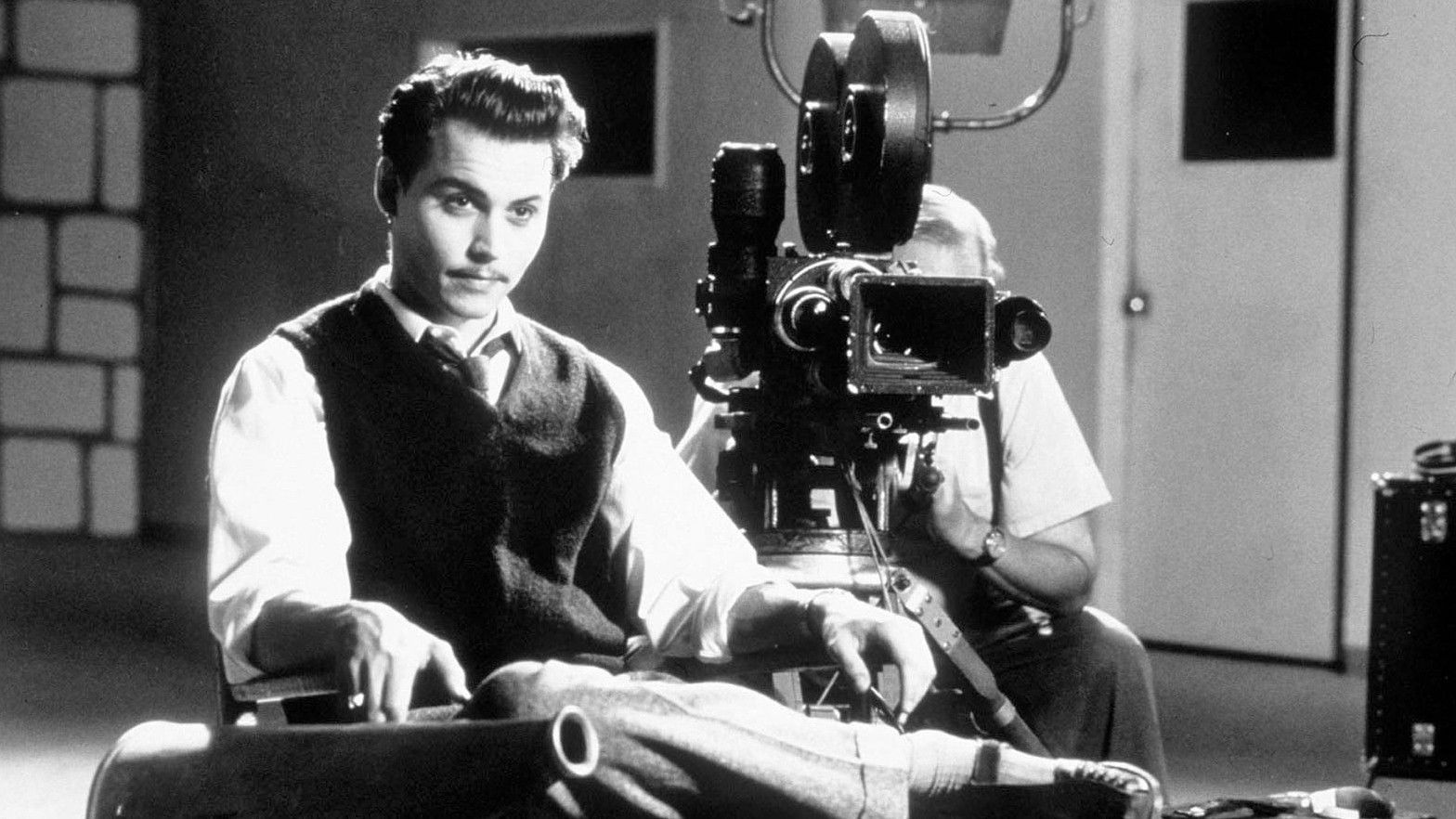
Stefan Czapsky’s black-and-white cinematography keeps the faces expressive and distinct within the period atmosphere; the affection would mean less if everyone became another decorative eccentric. Tom Duffield’s production design supports the connection to old exploitation pictures, making the filmmaking surroundings part of the pleasure without overwhelming the actors. Howard Shore’s score allows some sadness into the comedy without insisting that we stop laughing. That restraint is useful in a film whose central character rarely seems capable of it.

Chris Lebenzon’s editing gives the comedy room to register, but at 127 minutes the film is longer than its variations on Wood’s determination can comfortably support. The slower passages do not always reveal anything new about him or the people who keep him company. This is where Burton’s kindness becomes a limitation: he has found a quality he loves in Wood and keeps presenting it for our approval. A tighter cut could have preserved the warmth without asking us to enjoy the same enthusiasm quite so often.

The usual film about an artist rewards years of effort by proving that everyone who doubted the hero was wrong. Ed Wood has the more awkward job of keeping us interested when the doubters have a point, and it mostly succeeds. Watch it with someone who has helped you make a mess of something you cared about.

Critical consensus AI synthesised

3 of 6
Positive
3
Mixed
0
Negative
0
RogerEbert.com
7 October 1994 · ★★★★/4 · Roger Ebert
100

Burton has made a film which celebrates Wood more than it mocks him, and which celebrates the zany spirit of 1950s exploitation films. The heart of the movie is Wood’s friendship with Lugosi, lifted enormously by Landau’s astounding performance.

Read the full review →
The New York Times
23 September 1994 · festival review · Janet Maslin
80*

Burton’s very good film about a very bad filmmaker has a cheerful defiance that would surely have appealed to Orson Welles. It filters the Z-movie ethos of Wood through Burton’s dark wit and visual brilliance.

Read the full review →
Variety
7 September 1994 · festival review · Todd McCarthy
70*

Always engaging to watch and often dazzling in its imagination and technique, the picture is also a bit distended and lacking in weight at its center, resulting in something beguiling rather than thrilling. Landau’s astounding performance as the old Hungarian gives the film its most human moments.

Read the full review →
Empire
1 January 2000 · Mark Salisbury

This is perhaps Tim Burton's finest film to date, a delightful, funny, bizarre, touching, magical, moving insight into one of cinema's most maligned filmmakers. It succeeds mainly due to its performances, especially Martin Landau's Oscar-winning turn as Bela Lugosi and Johnny Depp's mesmerising portrayal of Ed Wood.

Read the full review →
Film Comment
1 November 1994 · festival review · Robert Horton

The critic finds Tim Burton’s Ed Wood daft enough and deft enough to satisfy both high-culture and low-culture fans. It is presented as a period look at showbiz that asks what an artist does when confronted with their own lack of talent, answering with the line “Cut! That was perfect! Next setup!”

Read the full review →
Los Angeles Times
28 September 1994 · Kenneth Turan

The black-and-white “Ed Wood” turns out to be a thoroughly entertaining if eccentric piece of business, wacky and amusing in a cheerfully preposterous way. Anchored by a tasty, full-throttle performance by Martin Landau as Bela Lugosi, it is proof that an absence of convention and even talent need not be a bar to happiness or immortality.

Read the full review →

Cast

Stills

Awards

Academy Awards, 1995

Won
Best Makeup and Hairstyling
Won
Best Supporting Actor

If you liked this, try…

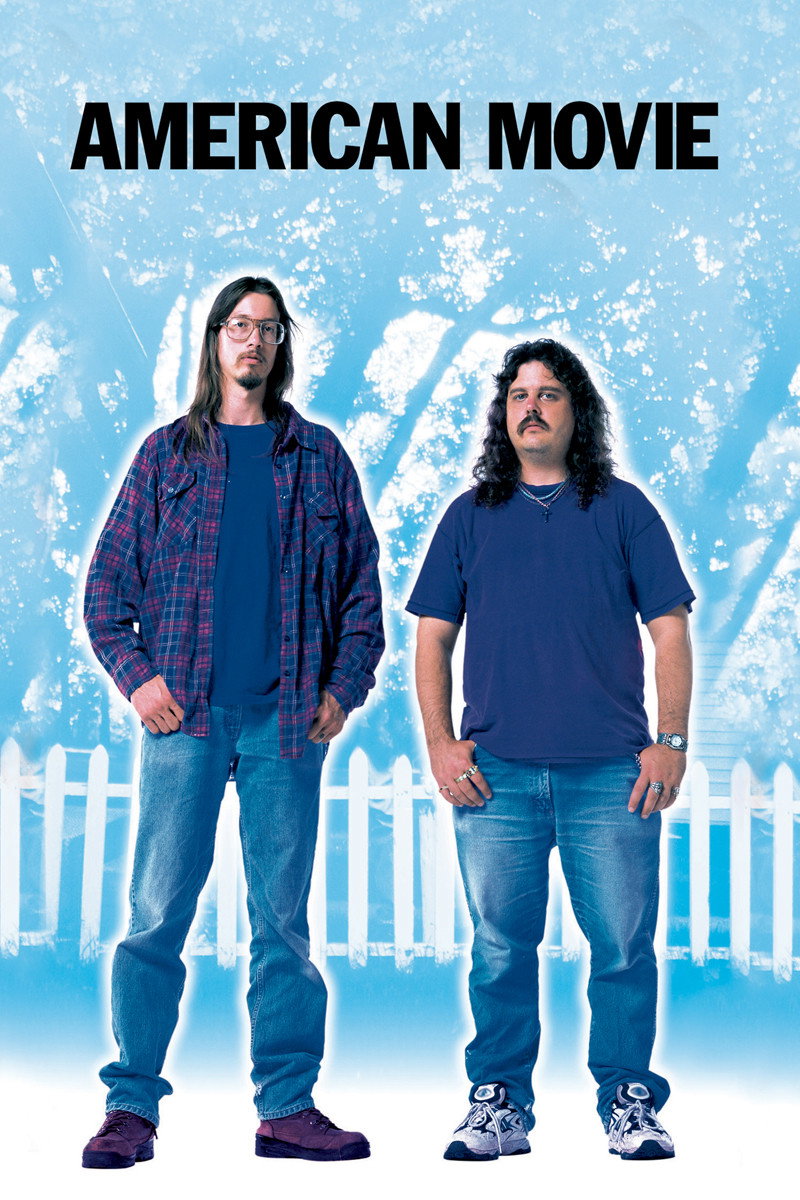
American Movie poster

American Movie

1999 · Another determined filmmaker keeps going, with friendship doing much of the practical work.

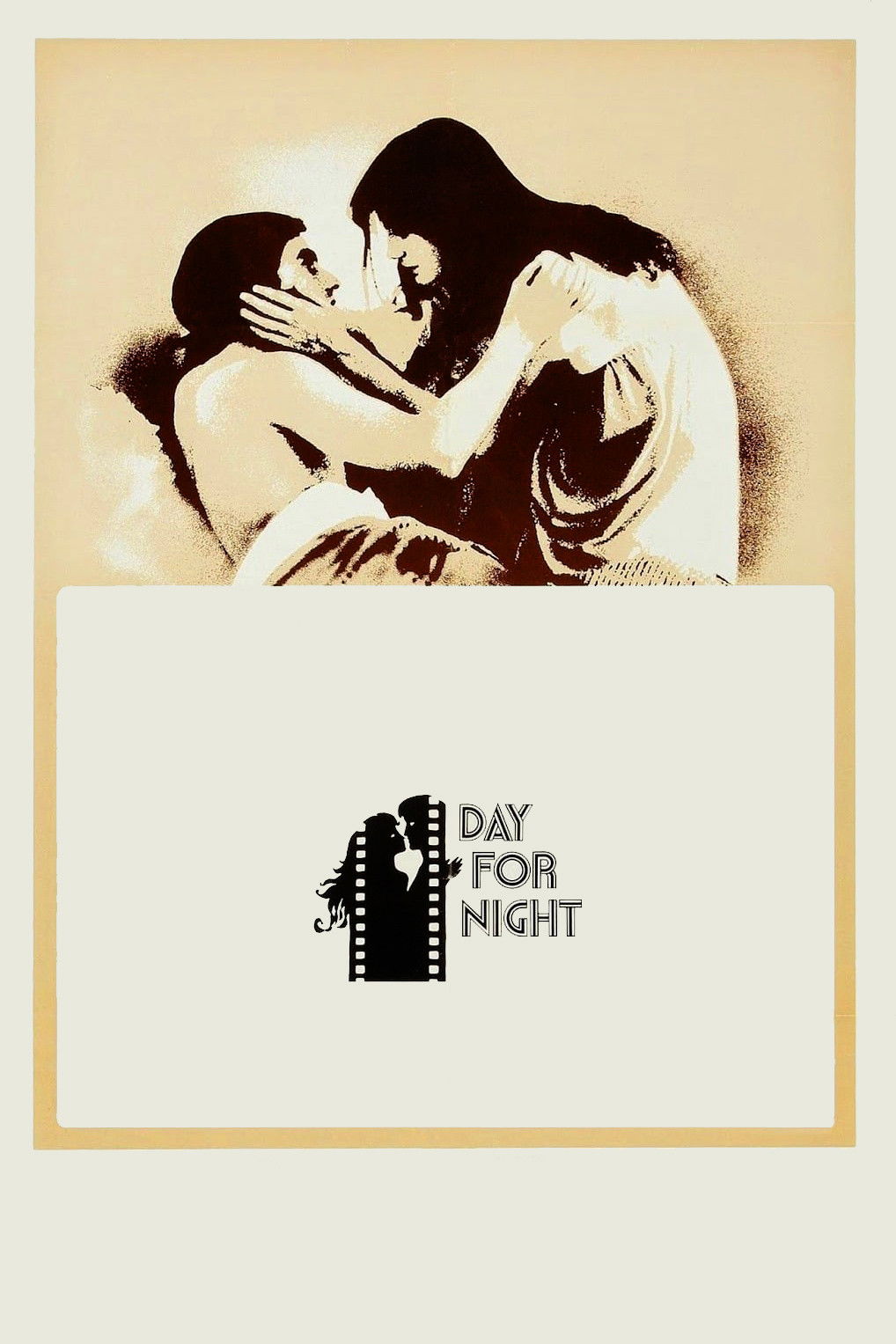
Day for Night poster

Day for Night

1973 · For the makeshift family, bruised egos and daily business of getting a film finished.

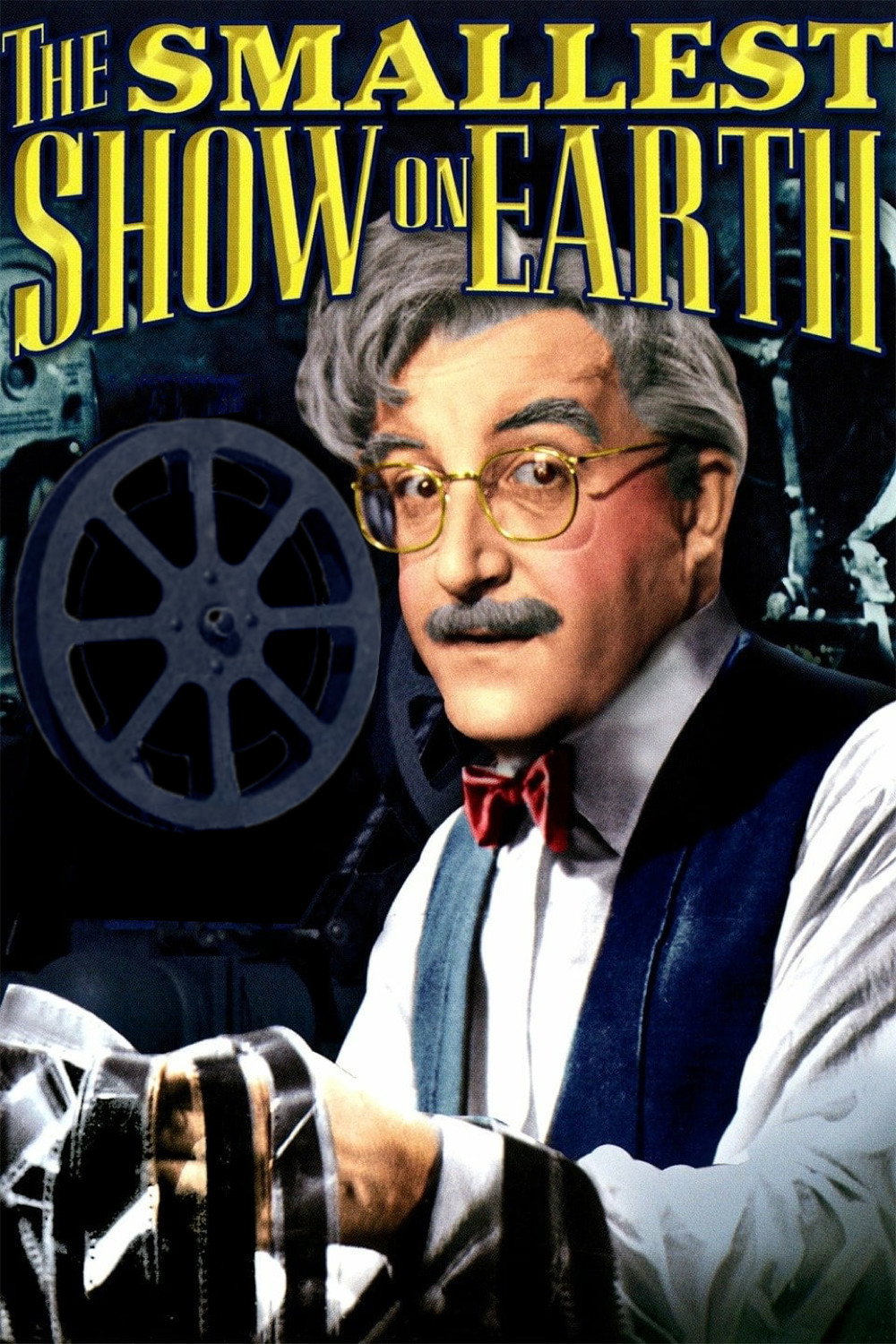
The Smallest Show on Earth poster

The Smallest Show on Earth

1957 · For another shabby corner of show business, kept going by affection and stubbornness.

Living in Oblivion poster

Living in Oblivion

1995 · The filmmaking mishaps are sharper here, and the patience runs out considerably sooner.

Dolemite Is My Name poster

Dolemite Is My Name

2019 · Another outsider assembles a filmmaking family, with more profanity and rather better instincts.