Claudio Fragasso’s Troll 2 has vegetarian goblins and a script that keeps defeating its cast. There are laughs in its mistakes, but we found them too scattered to justify 95 minutes of weak horror.
Troll 2 is a poor horror film whose accidental laughs are too scattered to make it worth recommending. Claudio Fragasso treats vegetarian goblins and dangerous food with an earnestness that sometimes makes them funny, but the stretches between those moments are hard work. We can see why its mistakes have attracted admirers. At 95 minutes, though, it leaves us sitting through too much awkward conversation between the absurd scenes.
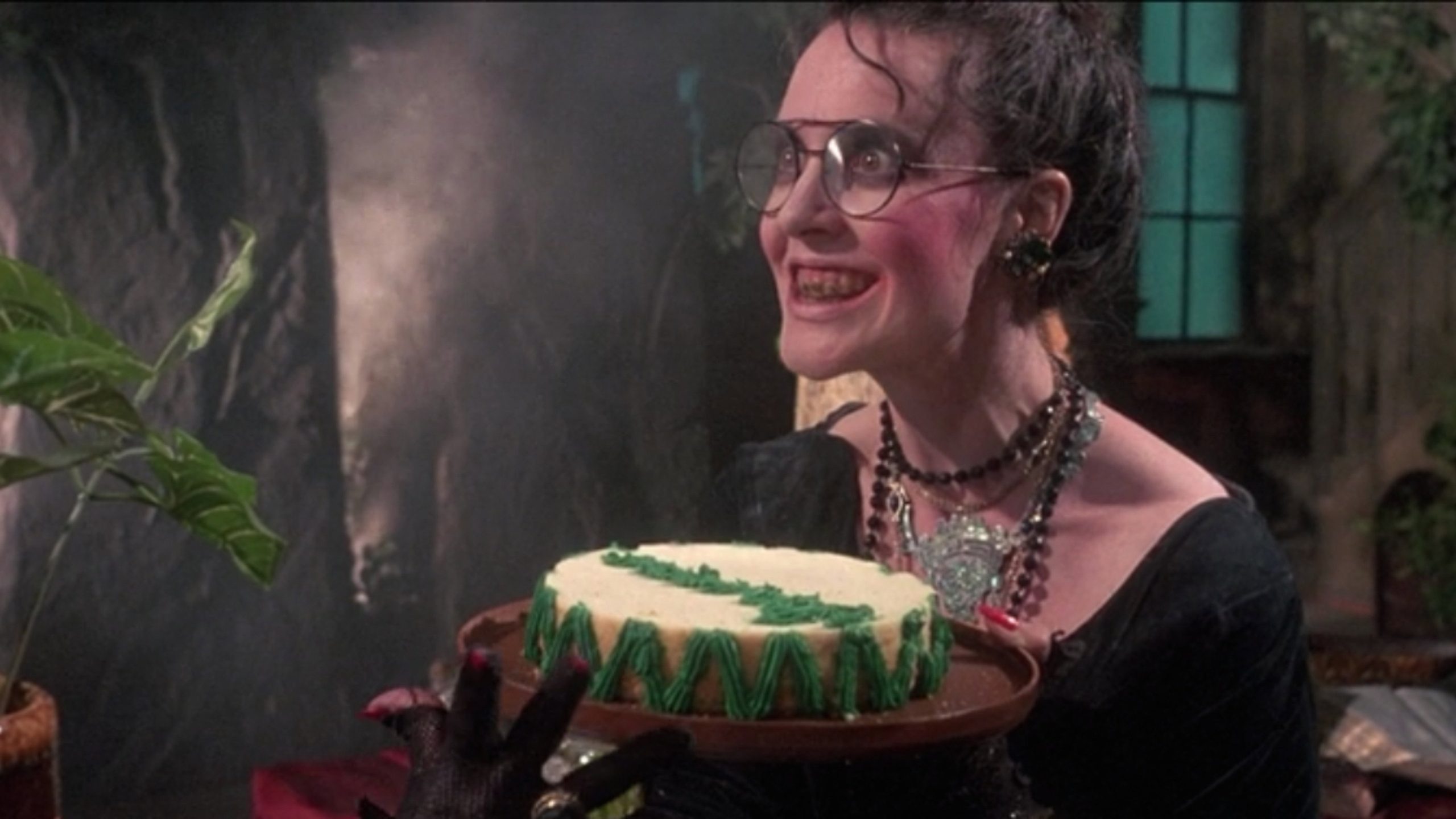
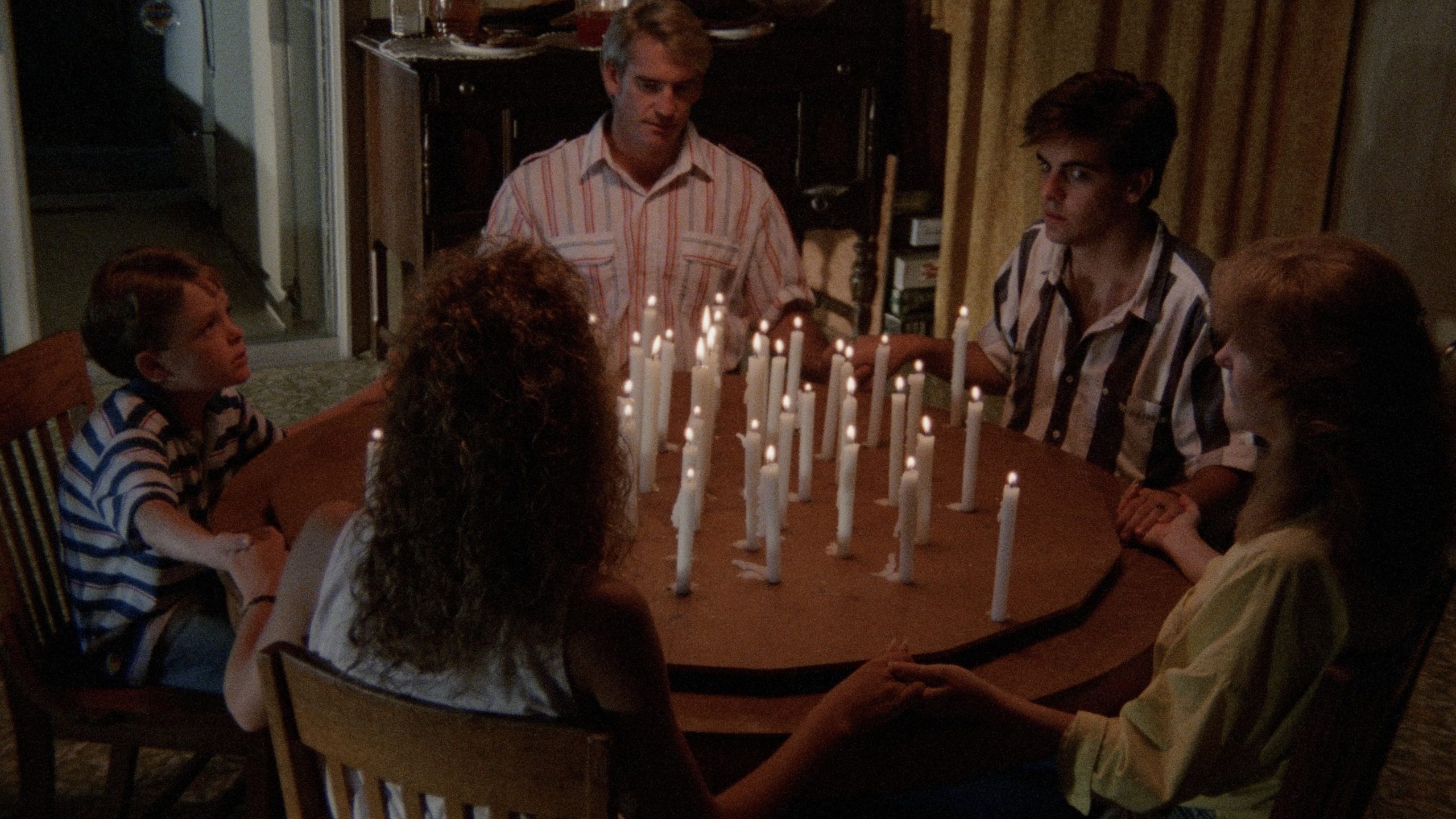
The screenplay, credited to Rossella Drudi and Claudio Fragasso, supplies an unusual problem: goblins who turn people into plants so they can eat them. Food ought to be a useful source of anxiety in a family horror film, and there is something unpleasant in that premise. We laughed when Joshua Waits protected the family by urinating on dinner, because it is such a blunt response to an elaborate supernatural threat. For that scene, the family’s predicament held our attention.
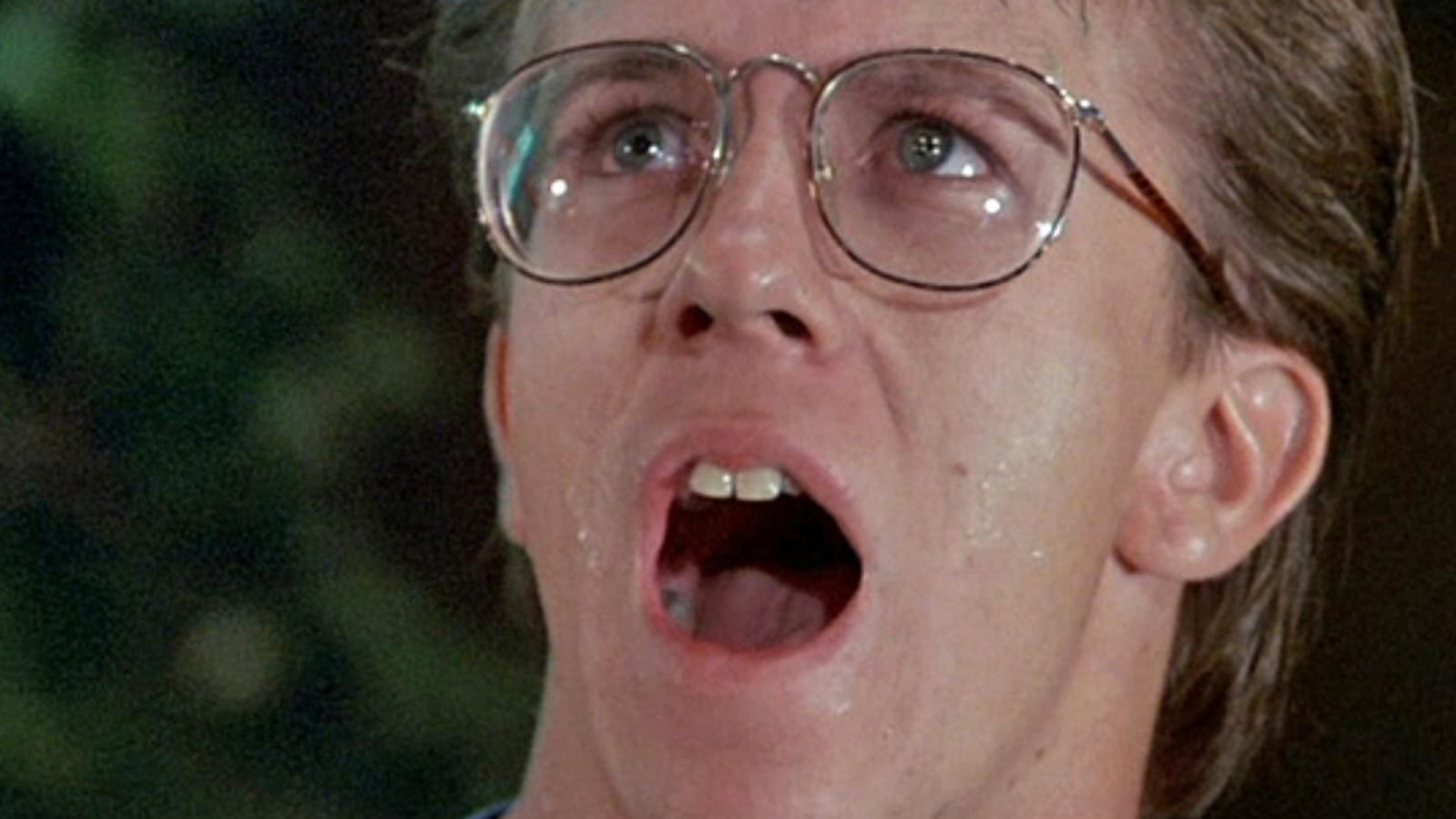
Michael Stephenson plays Joshua Waits, with George Hardy as Michael Waits and Margo Prey as Diana Waits, and the family scenes expose the writing’s weaknesses. The dialogue makes ordinary concern sound unnatural before anyone has to deal with a goblin. Michael Stephenson’s urgency gives us something to follow, but it is difficult to believe in the family’s conversations when the words are so awkward to say. We would not put all the blame on the performers; it is hard to imagine those lines sounding natural from a more assured cast.
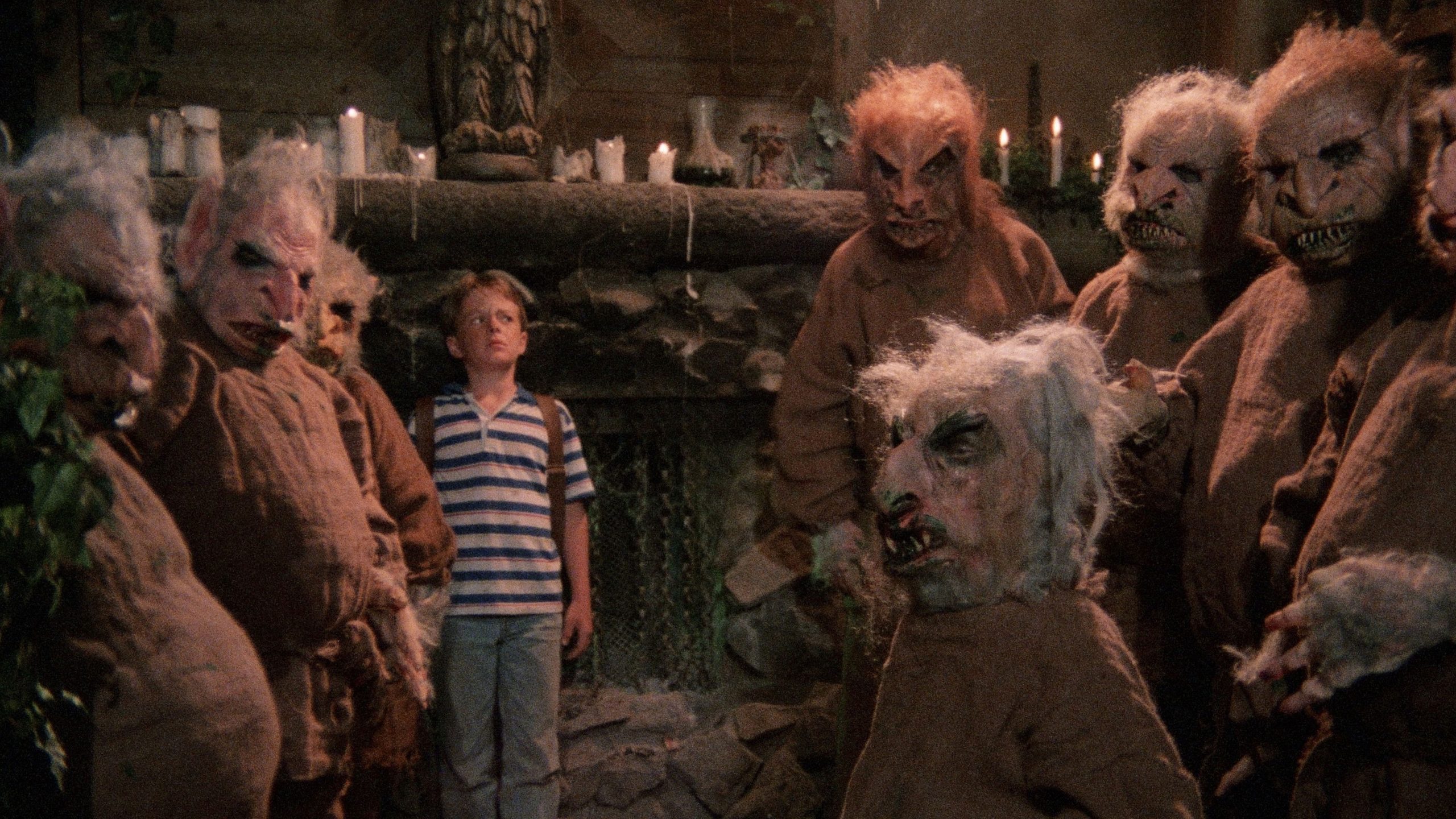
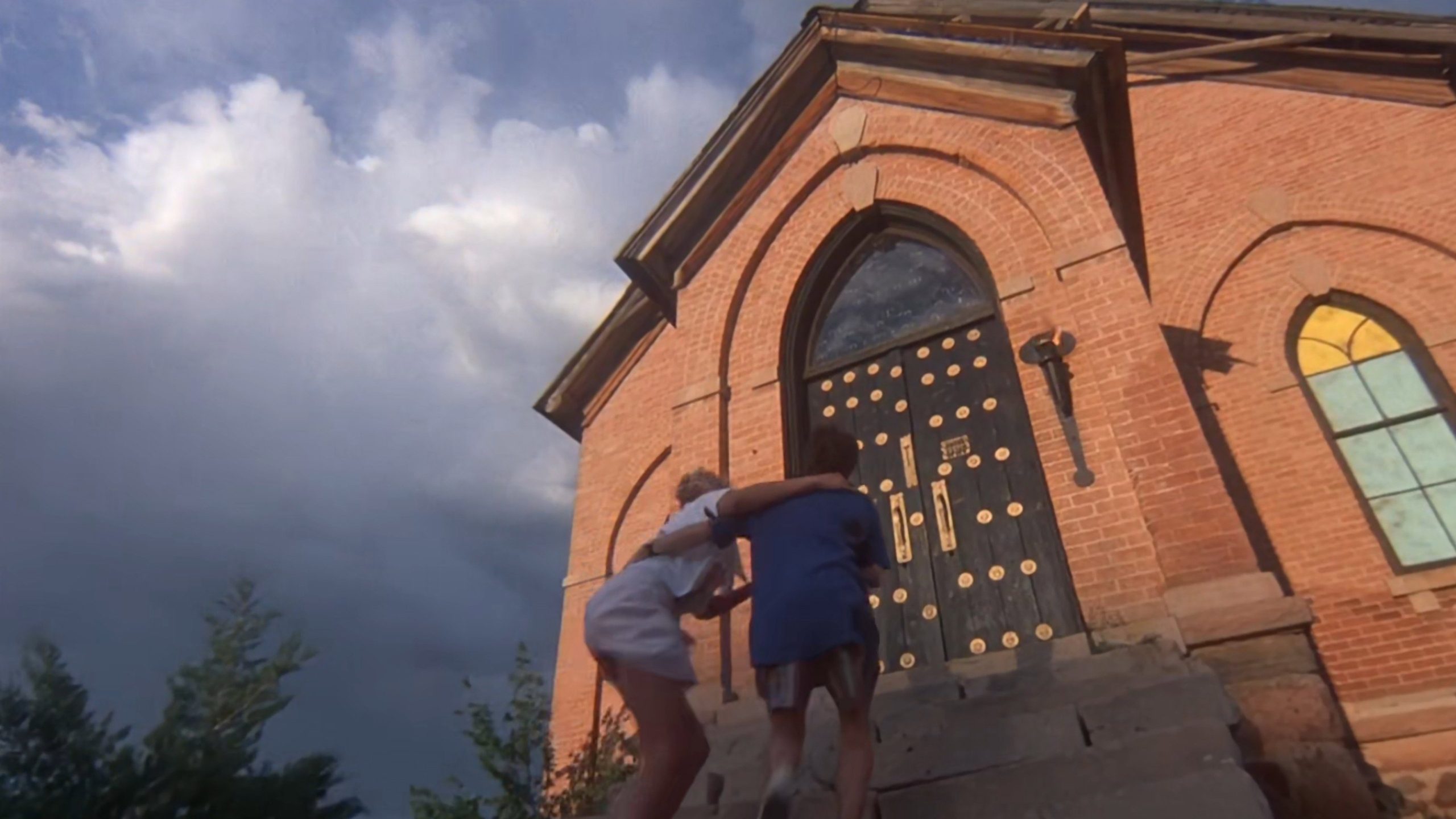
Giancarlo Ferrando’s cinematography gives the unconvincing goblins little protection, and the flimsy sets are no more persuasive. The creatures invite inspection when they ought to prompt alarm. Vanio Amici’s editing cannot make the plot’s leaps feel urgent, so the pauses between absurdities become hard to ignore. Carlo Maria Cordio’s music has to support threats already weakened by the effects and dialogue, and it cannot do enough to make them frightening. With so little danger to believe in, the family’s efforts to avoid becoming food are much less involving than they should be.
The film’s seriousness is its main attraction as accidental comedy. Claudio Fragasso does not seem to be inviting us to laugh at the goblins, which gives their dietary arrangements an odd fascination. Within fantasy horror, artificial monsters can still frighten if the people facing them are convincing and the threat is clear. Here, the family struggles to hold our attention and the goblins’ peculiar diet has to supply almost all the interest. Watching for mistakes can be amusing, but it also means waiting through scenes that are neither frightening nor funny.
Choose it only for an evening devoted to peculiar failures, with expectations adjusted accordingly. The food scare supplies a few moments worth talking about, but we would not rely on it for sustained horror or comedy. Bring company willing to tolerate the gaps between laughs.