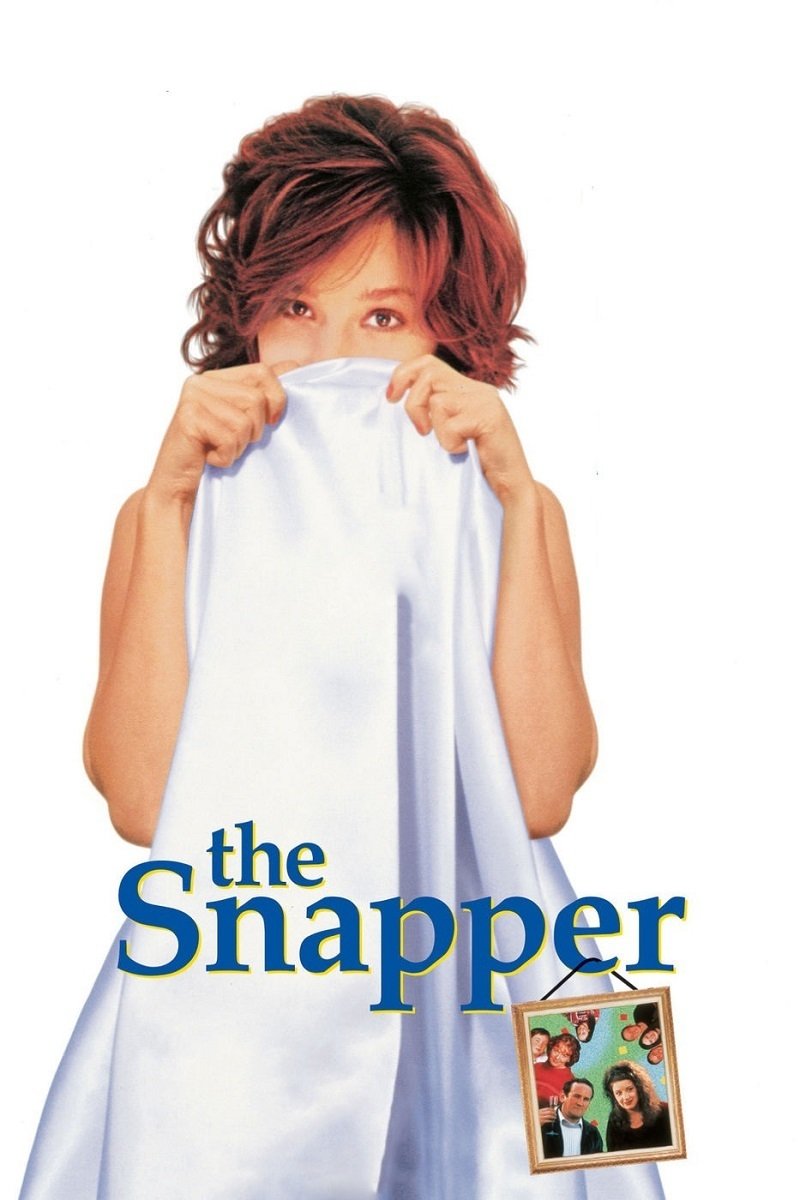
The Snapper is amiability itself, good-humored and sassy with a realistic balance between humor and distress. It thrives on fine writing and empathetic acting, especially Colm Meaney as the exasperated but resilient father.
The film is a very funny comedy about tight-knit Irish working-class life and the joy of talk. It earns its laughs through wise, warm portrayals of believable characters and human foibles.
Frears has made a small, joyful lark of a film that rediscovers the essence of situation comedy. It shows there are still wonderful comedies to be made when care is taken and attention is paid.
This adaptation of Roddy Doyle's novel has wit, feeling and authenticity despite being tougher and more downbeat than The Commitments. Colm Meaney shines as the dad torn by conflicting emotions, and the film's resolution is deeply affecting.
Frears' film is a lively, likable slice of Dublin working-class comedy with plenty of unvarnished Irish humor and real warmth. It concentrates on character comedy in the ensemble scenes of family life and boozy barroom chat.
The review praises the semi-comic approach to family life and ordinary people doing the right thing, highlighting the realistic yet idealised portrayal of the Curley household and Colm Meaney's performance.
The critic finds the film funny and entertaining with strong performances, celebrating family warmth and life in working-class Ireland, but notes it sidesteps deeper social realities like religion and gender imbalances.
Ordered by the weight we give each publication, then by score. Scores are normalised to 100; * means inferred from an unrated review. Summaries are ours, not quotations; follow the links for the reviews themselves. How we rate