Film review

The Snapper

1993 · Directed by Stephen Frears · 1h 35m · MPA R

In a sentenceThe Curleys could make a family crisis last all evening just by discussing it, and we would stay for the conversation

ComedyDrama

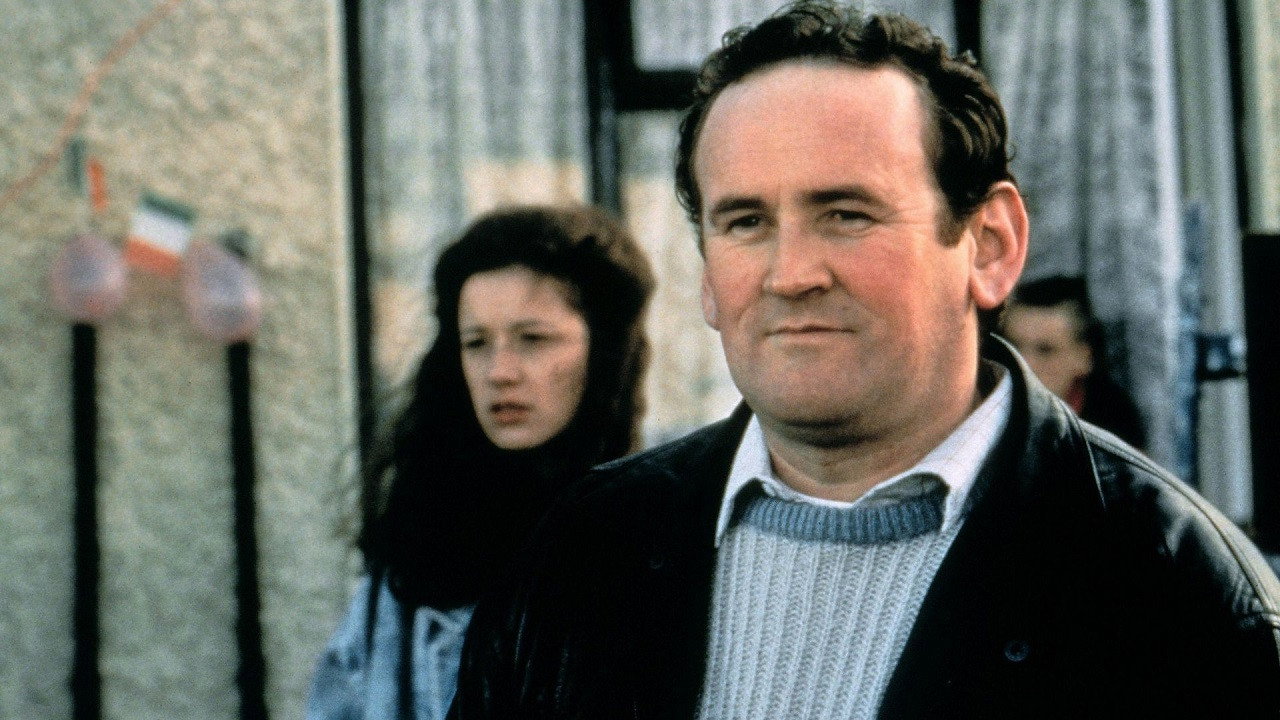
Sharon Curley (Tina Kellegher) has a secret and some explaining to do. Around her is the Curley household, including Dessie (Colm Meaney), Kay (Ruth McCabe), Craig (Eanna MacLiam), Sonny (Peter Rowen) and Lisa (Joanne Gerrard). Set in working-class Dublin, the comedy follows family conversations and barroom talk, with Dessie struggling to reconcile conflicting feelings. Domestic troubles give everyone something to discuss, as affection sits alongside exasperation. Stephen Frears directs from Roddy Doyle’s screenplay, adapted from Doyle’s novel.

Plays from YouTube when you press play; nothing loads from them until then.

Fi1m review

Colm Meaney gives Stephen Frears’s family comedy its warmth and much of its bite. Roddy Doyle’s writing makes the household worth spending time with, though its generosity sometimes lets the family off too lightly.

Stephen Frears’s The Snapper is a funny, warm family comedy with one substantial reservation: it is sometimes too ready to forgive the people it understands. Roddy Doyle adapts his own novel, and the family exchanges and barroom conversations give him plenty of opportunities to enjoy the way people talk. Frears lets that enjoyment carry the film. The Curleys do not need to be exceptional to hold our attention. Their troubles matter because the writing takes their feelings seriously, even when they are being ridiculous.

Colm Meaney’s Dessie Curley is the chief reason this works. He makes an exasperated father funny without making fatherhood itself seem foolish, and allows affection to complicate the irritation. We laughed at Dessie’s exasperation with his family, then found ourselves feeling protective of him. Meaney lets us recognise the effort of a man trying to manage feelings he cannot comfortably reconcile; the laughter never requires us to think him stupid.

Tina Kellegher, as Sharon, and Ruth McCabe, as Kay, give the Curley household life beyond Dessie’s troubles. The ensemble scenes are pleasurable because the people in them retain their own concerns. Nobody needs to stand outside the family and explain its appeal. Yet Meaney’s prominence also makes us notice how readily the film understands its father, and how much less closely it examines what is expected of its women.

Oliver Stapleton’s cinematography is well judged for this material: the family scenes hold our attention on the people and their responses. Mark Geraghty’s production design gives the household a convincing ordinariness, which is essential to the comedy. We have to believe in the place before we can enjoy hearing everyone discuss its private business. The visual work supports that belief without asking us to admire the surroundings, and the lack of fuss suits Frears’s attention to the actors.

Mick Audsley’s editing gives the talk enough space to be enjoyable in itself, and the barroom conversations never feel like mere delays between important events. At 95 minutes, this is a film with time for company but little appetite for making a ceremony of it. Stanley Myers’s music adds to the warmth, although the performances have already done most of that work. The rhythm is relaxed enough to let affection register without draining the comedy of its bluntness.

The reservation concerns the limits of that kindness. Doyle and Frears show more interest in getting us to love the household than in examining the pressures around it, particularly religion and the unequal demands placed on women. A comedy need not stop for a sociological lecture. It does, however, lose something when family affection makes difficult questions seem adequately dealt with. The Curleys are believable company, but the film can be reluctant to let our enjoyment of them become uncomfortable for long.

Family comedies often ask us to accept warmth simply because the characters share a surname; here Doyle’s writing and the actors’ attention to one another earn it. Frears also allows distress to remain part of the comedy, which keeps the good humour from becoming exhausting. Watch it for Meaney, and leave enough quiet to hear the rest of the family.
Critical consensus AI synthesised

5 of 6
Positive
5
Mixed
0
Negative
0
Los Angeles Times
3 December 1993 · Kenneth Turan
85*

The Snapper is amiability itself, good-humored and sassy with a realistic balance between humor and distress. It thrives on fine writing and empathetic acting, especially Colm Meaney as the exasperated but resilient father.

Read the full review →
RogerEbert.com
17 December 1993 · Roger Ebert
85*

The film is a very funny comedy about tight-knit Irish working-class life and the joy of talk. It earns its laughs through wise, warm portrayals of believable characters and human foibles.

Read the full review →
The New York Times
8 October 1993 · festival review · Vincent Canby
80*

Frears has made a small, joyful lark of a film that rediscovers the essence of situation comedy. It shows there are still wonderful comedies to be made when care is taken and attention is paid.

Read the full review →
Time Out
10 September 2012 · GA
80*

This adaptation of Roddy Doyle's novel has wit, feeling and authenticity despite being tougher and more downbeat than The Commitments. Colm Meaney shines as the dad torn by conflicting emotions, and the film's resolution is deeply affecting.

Read the full review →
Variety
7 April 1993 · festival review · Derek Elley
75*

Frears' film is a lively, likable slice of Dublin working-class comedy with plenty of unvarnished Irish humor and real warmth. It concentrates on character comedy in the ensemble scenes of family life and boozy barroom chat.

Read the full review →
Empire
· Kim Newman

The review praises the semi-comic approach to family life and ordinary people doing the right thing, highlighting the realistic yet idealised portrayal of the Curley household and Colm Meaney's performance.

Read the full review →

Cast

Stills

Awards

Goya Award for Best European Film, 1995

Won
Goya Award for Best European Film

If you liked this, try…

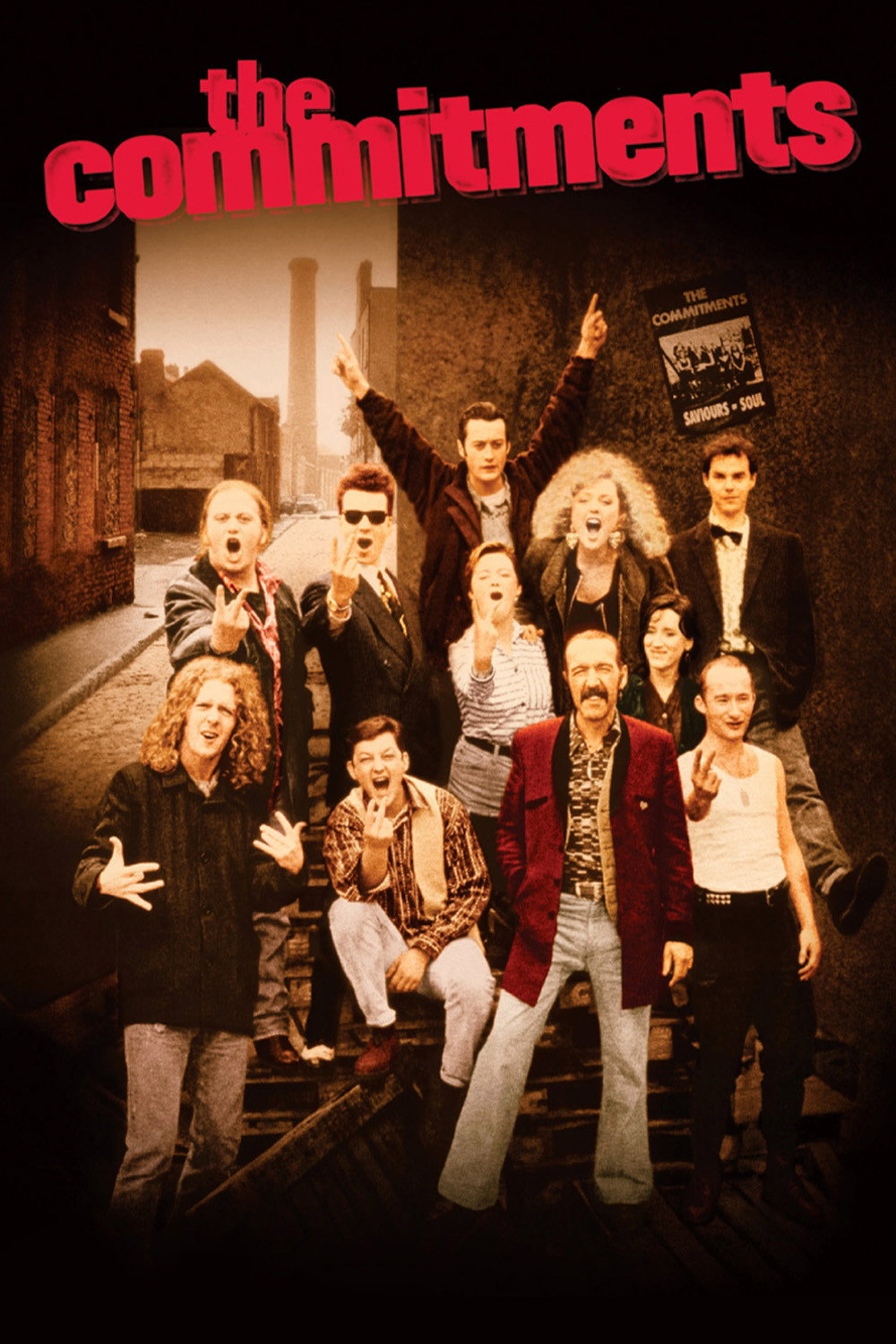
The Commitments poster

The Commitments

1991 · More Roddy Doyle, with the same appetite for argument and unreliable men

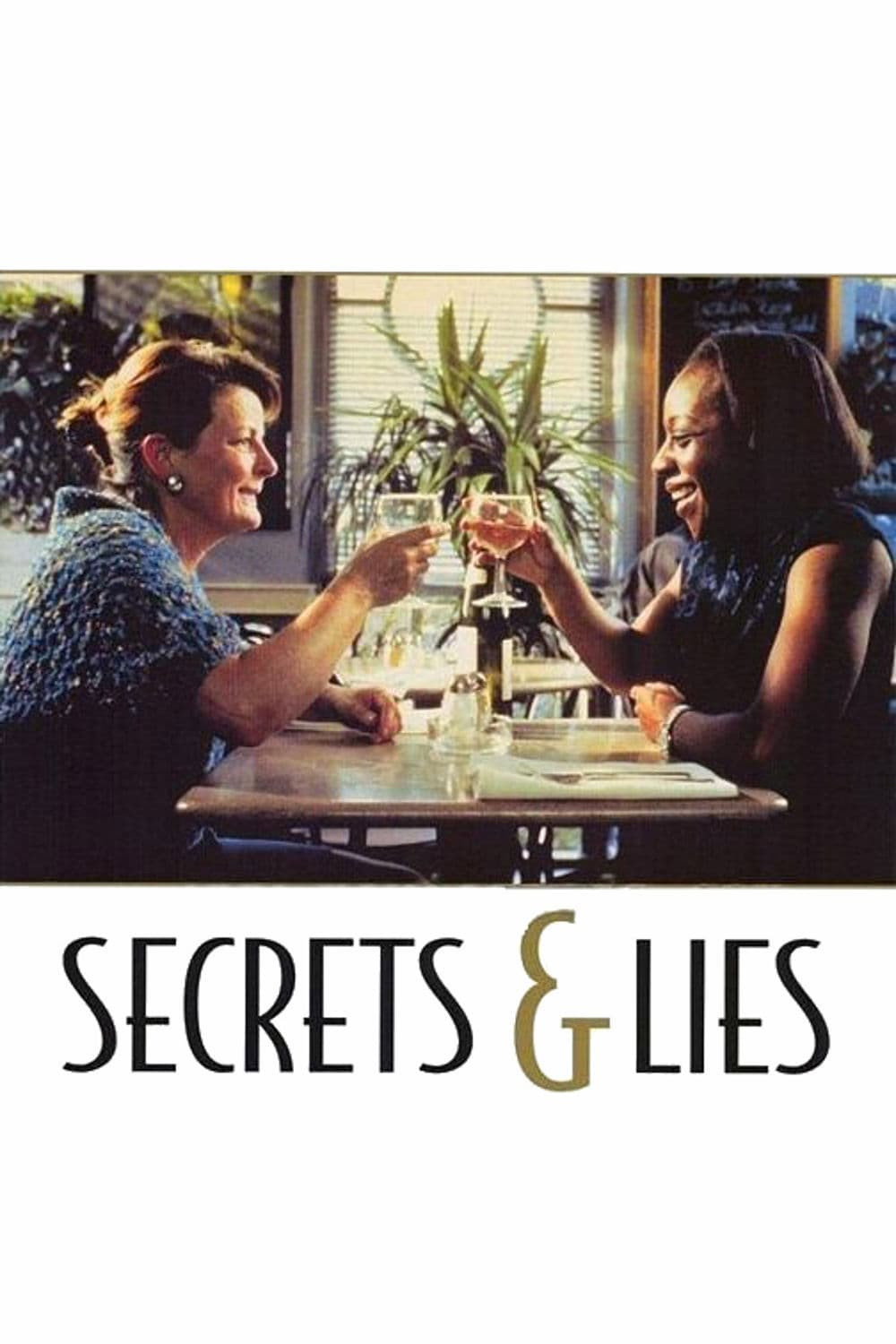
Secrets & Lies poster

Secrets & Lies

1996 · Another family gathering where private troubles become everybody’s business, with painful consequences

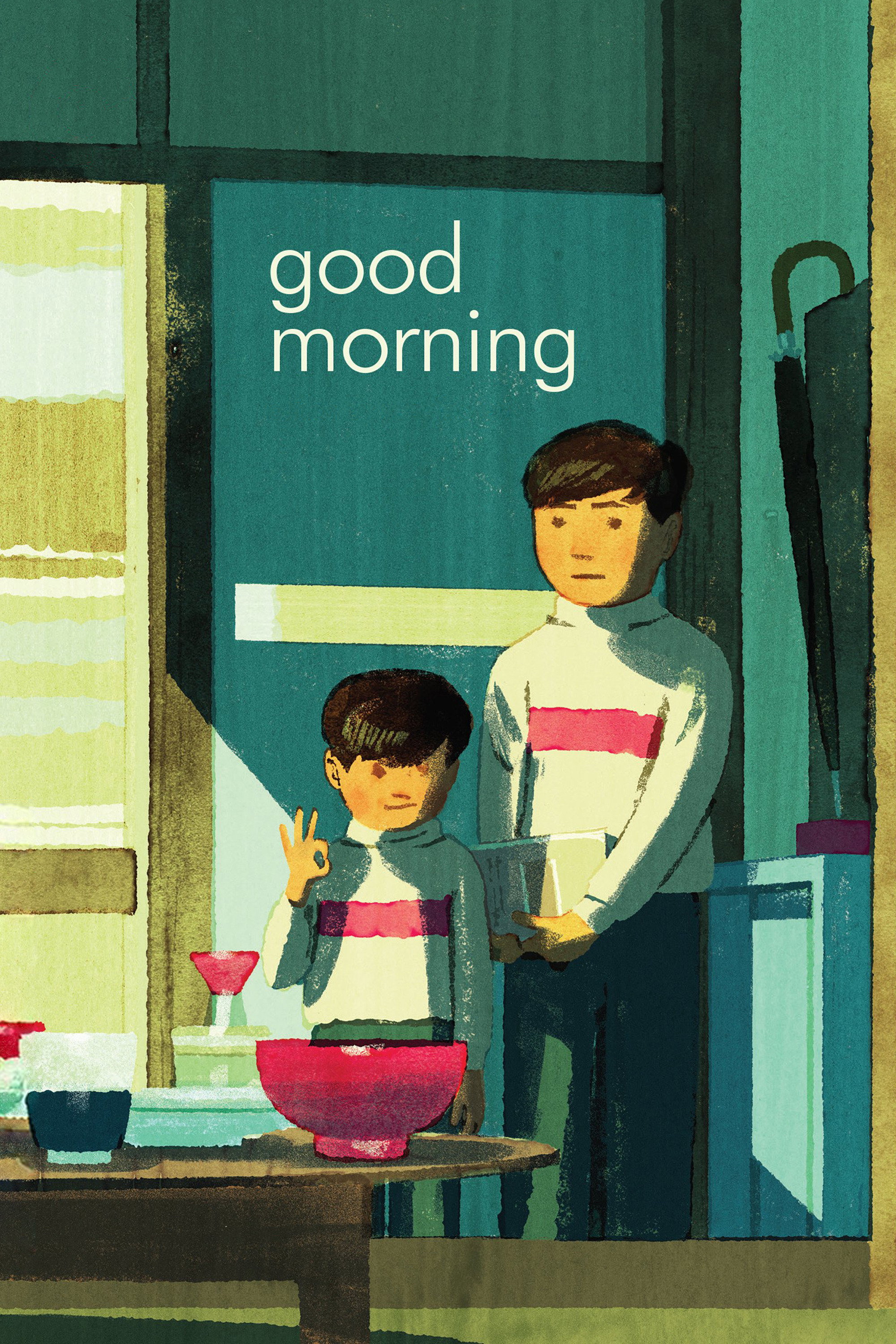
Good Morning poster

Good Morning

1959 · Domestic disagreements and neighbourhood gossip, handled with patience and an affection for stubbornness

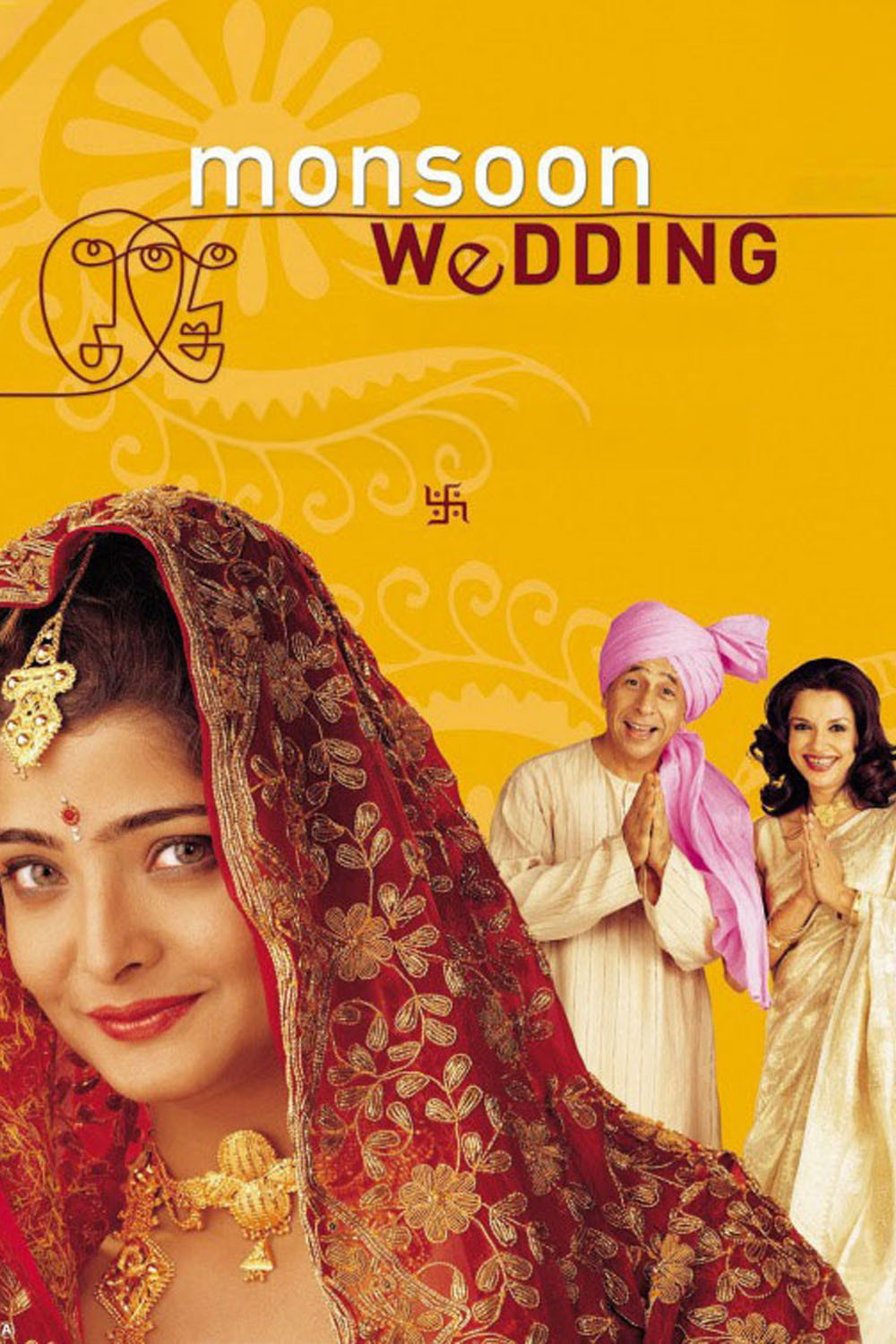
Monsoon Wedding poster

Monsoon Wedding

2001 · A crowded family gathering where celebration cannot quite keep difficult truths outside

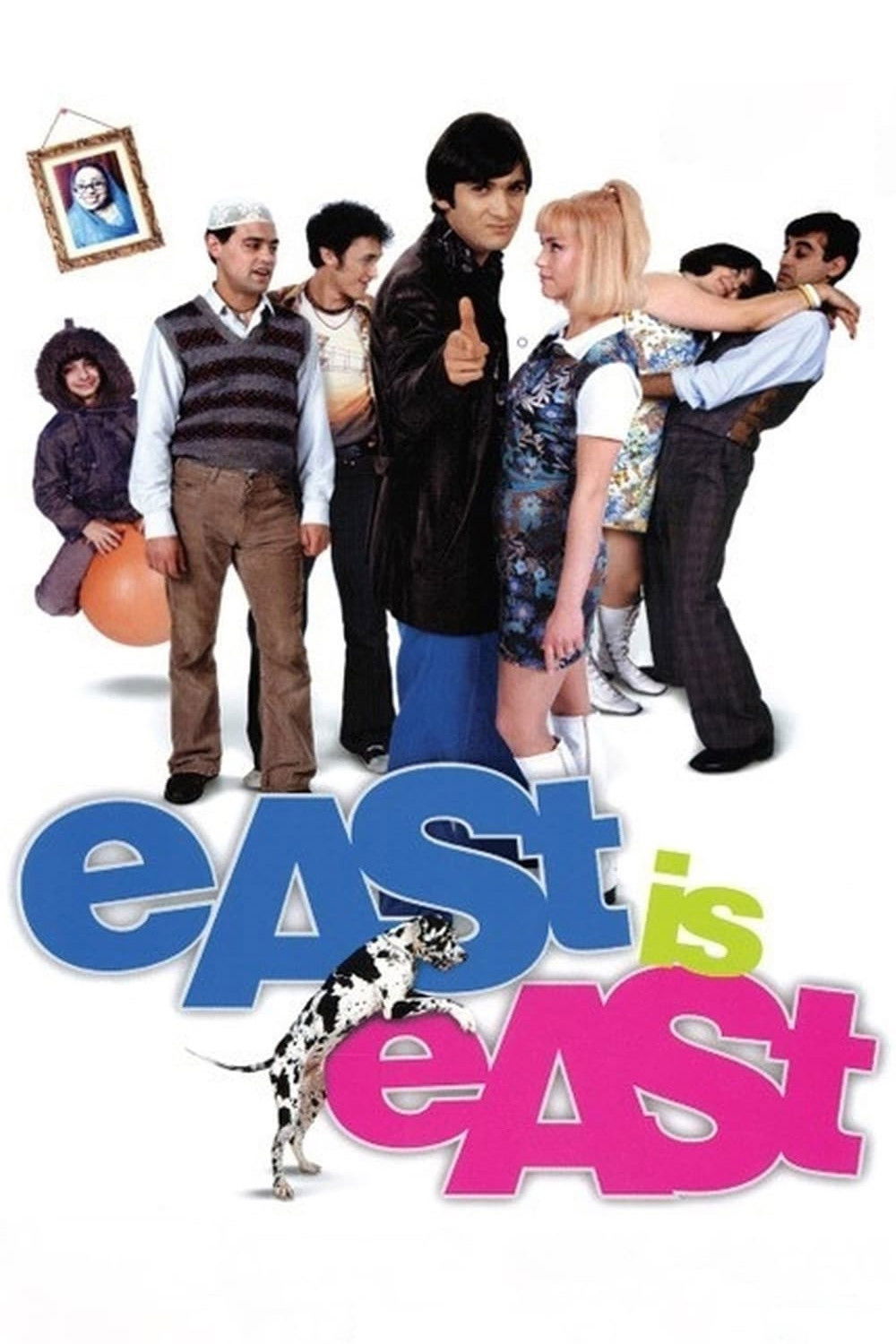
East Is East poster

East Is East

1999 · A louder, harsher household comedy about affection, authority and children demanding room