A funny, well-acted family comedy with an awkward habit of softening its harshest material. Om Puri and Linda Bassett make East Is East worth an evening, though the shifts into domestic violence need more care.
Damien O’Donnell’s East Is East is a good family comedy with a serious problem it does not always know how to handle. George Khan wants his children to live by his expectations, and Ayub Khan-Din’s screenplay finds plenty of comedy in their resistance. The setting is 1970s Salford, but the arguments are recognisable well beyond it. The difficulty comes when a father who can be funny is also frightening, and the film has to decide how long to let that fear stay with us.
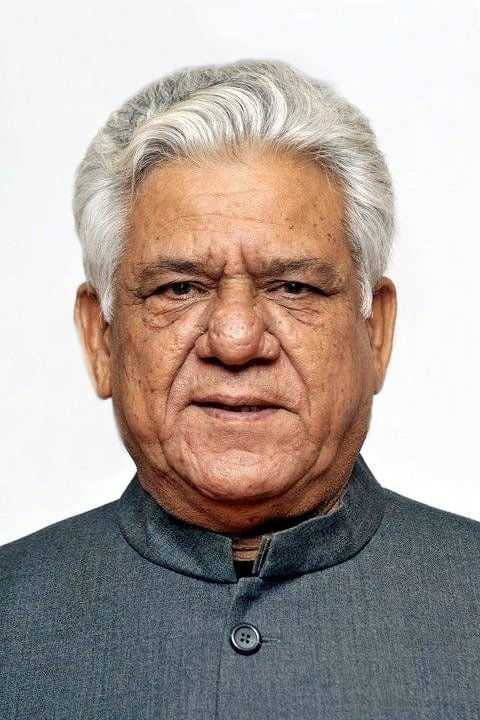
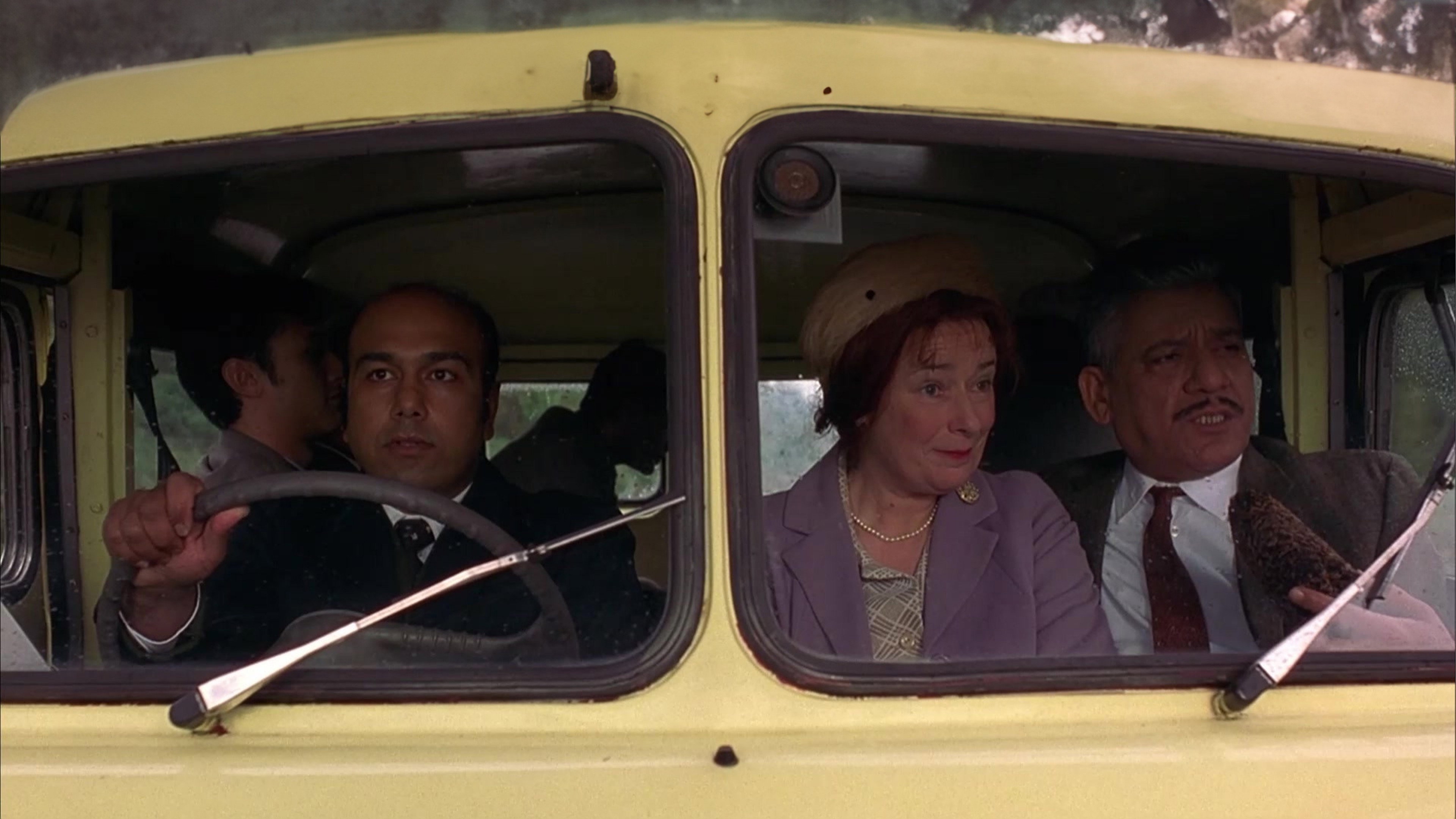
Om Puri gives George enough warmth to explain why this family remains attached to him, and enough force to make that attachment uncomfortable. His strictness never feels like a comic eccentricity we can safely wait out. We laughed at the family’s profane exchanges, then found ourselves watching George warily even when he was being funny. Puri makes the demand for obedience so persistent that the jokes cannot quite persuade us everyone is all right.
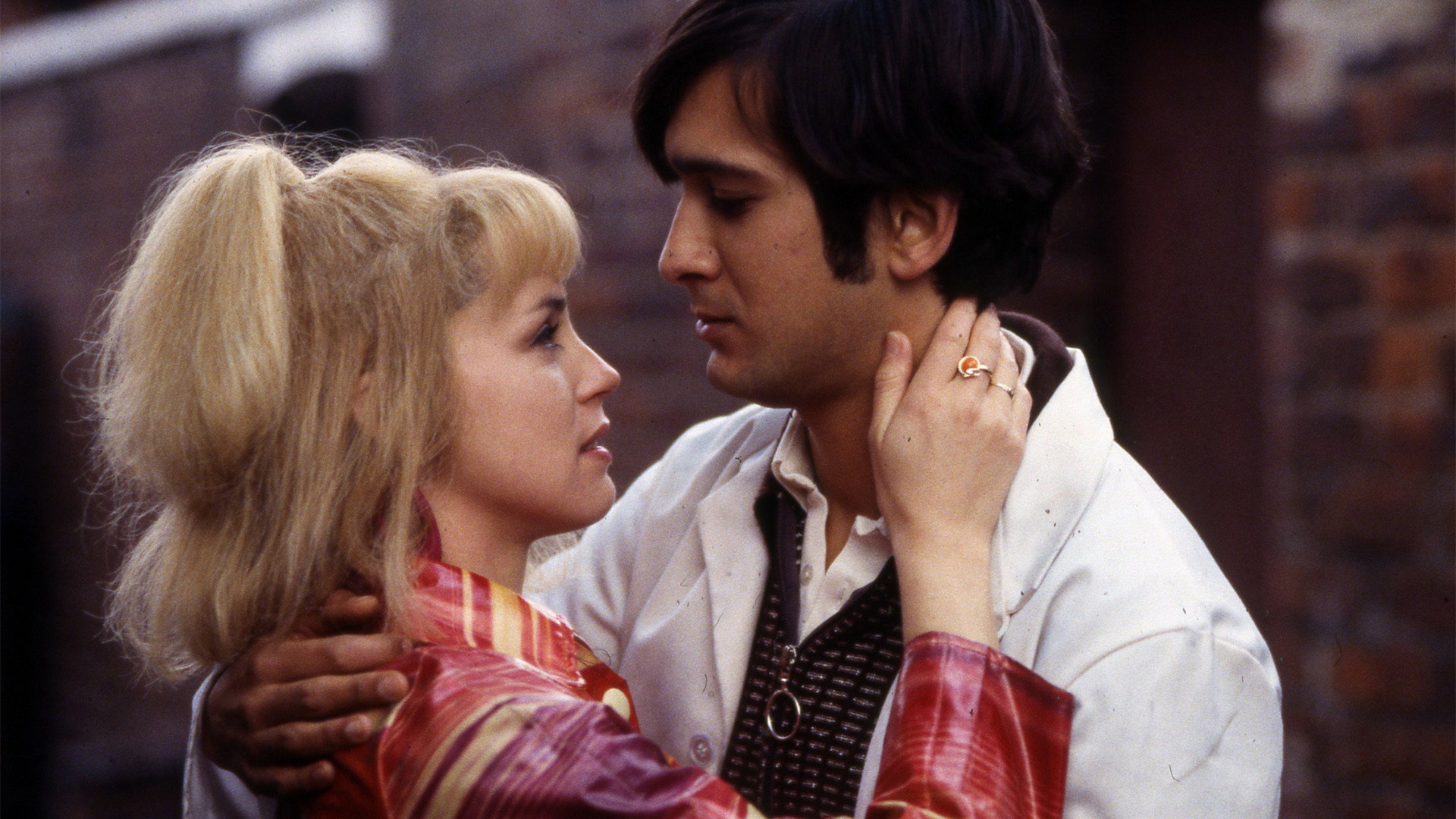
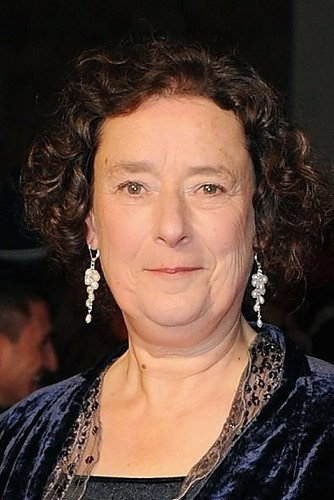
Linda Bassett’s Ella gives the film someone we can believe has lived with George, rather than merely been written to answer him. Her performance makes the pressures within the marriage matter without asking for our admiration at every turn. Around them, Jimi Mistry’s Tariq, Archie Panjabi’s Meenah and Jordan Routledge’s Sajid help keep the younger generation from becoming a single collective complaint. The ensemble’s ease with Khan-Din’s dialogue is essential: these people sound accustomed to disagreeing.
Brian Tufano’s cinematography keeps attention on the people, which is sensible when the performances carry so much of the film. George needs little visual assistance to dominate a scene. Tom Conroy’s production design gives the period household a credible everyday feel, without turning it into an exhibit. Even so, the images do little to dispel the impression of a theatrical piece, and too often the interest lies entirely in who is talking and who must listen.
Michael Parker’s editing gives the comic exchanges a briskness that suits the family’s impatience with one another. The harder changes of tone are less comfortable, particularly when domestic violence interrupts the comedy. Deborah Mollison’s music helps sustain the film’s warmth, but warmth is also what O’Donnell sometimes reaches for before the hurt has properly registered. We can accept that an abusive parent may be loved; the trouble is being encouraged to settle back into the jokes before the film has adequately faced what he does.
The writing also makes George’s Pakistani traditions do too much of the work of explaining his behaviour. His children’s resistance is easy to support, and that can make Englishness seem like the uncomplicated answer to every restriction. Khan-Din has written a particular family with recognisable grievances, but the broader cultural picture needs more questioning. The actors supply some of the uncertainty that the screenplay needs.
At 97 minutes, it does not demand that we spend an entire evening working through the family’s grievances. There is pleasure in a domestic comedy that lets relatives be rude and exasperating without making every argument a lesson. Watch it for the company, with fair warning that the violence is harder to put aside than the film sometimes allows.