Critics’ reviews

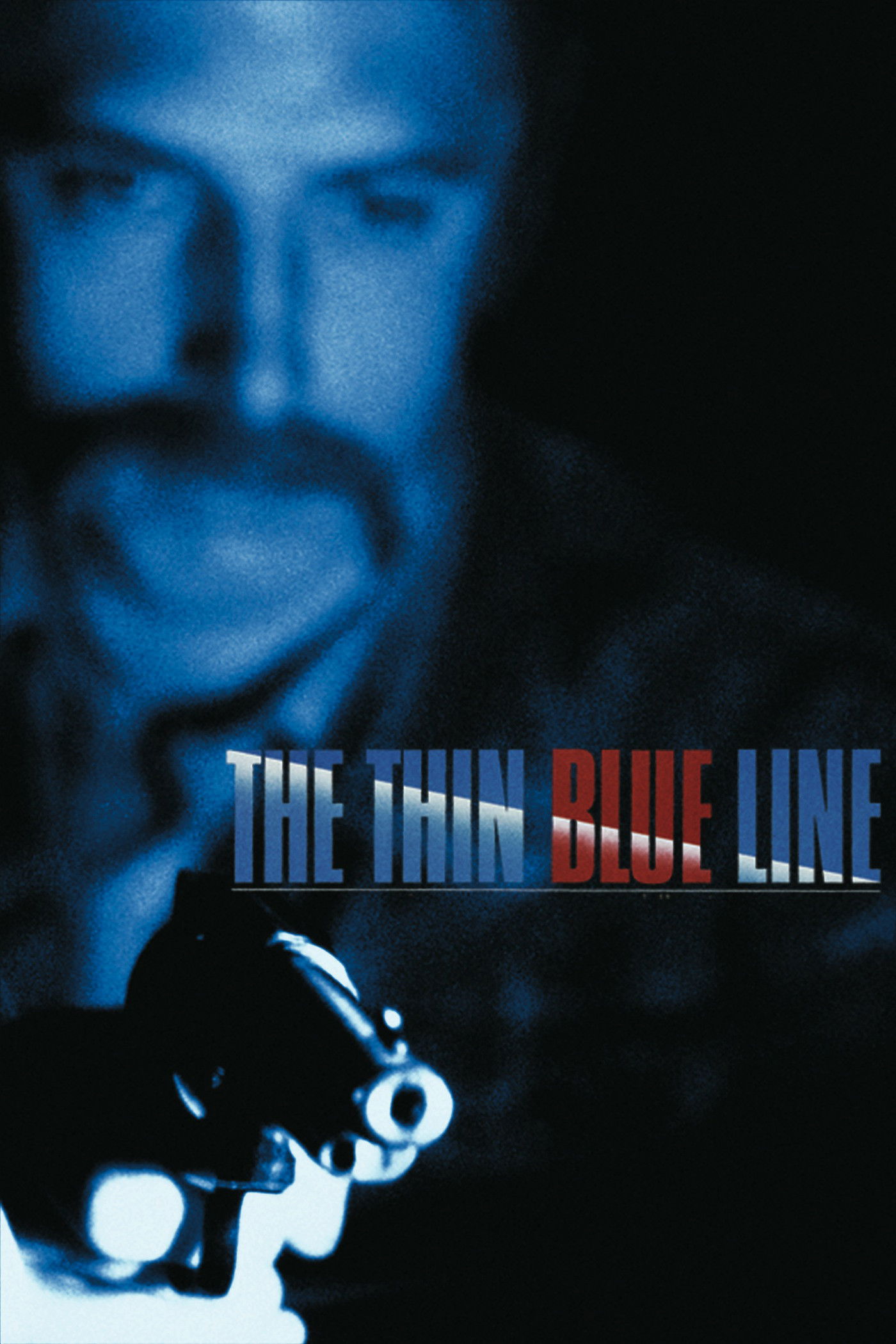
The Thin Blue Line (1988)

9 reviews from 9 publications. Critics’ score 86: 9 positive, 0 mixed, 0 negative.

Back to our review of The Thin Blue Line

86
Positive
9
Mixed
0
Negative
0

The reviews are unanimous. Every critic finds Errol Morris’s investigation of a wrongful conviction gripping, and nearly all of them praise the same two things: the stylised re-enactments, staged from several contradictory points of view, and Philip Glass’s score, which more than one describes as ominous or nightmarish. Most critics also credit the film with something beyond itself, noting that it helped free the man at its centre and set the pattern for the serious true-crime documentary that followed.

The spread is narrow. The only real reservation comes from the Los Angeles Times, which calls the film taxing as well as fascinating and stops short of the enthusiasm found elsewhere, though it still admires the noir look and the case Morris builds against Texas justice. The later reviews, written decades on, are if anything warmer than the ones from 1988, treating the film as a landmark rather than an experiment.

Empire
1 January 2000 · Kim Newman
90*

The critic calls it an important film that exposes the dangers of shoddy investigations through talking-head interviews and stylised re-enactments. It is described as riveting and terrifying.

Read the full review →
Screen Daily
18 December 2015
90*

The film explored a wrongful conviction with forensic detail and contradictory testimony, defying documentary norms through dramatic reconstructions and noir sensibility while featuring a Philip Glass score. It changed the world by freeing an innocent man, redefined nonfiction filmmaking, and influenced the rise of theatrically successful, award-worthy documentaries.

Read the full review →
The New York Times
26 August 1988 · Janet Maslin
90*

The critic praises the film as a brilliant work of pulp fiction and a nightmarish meditation on truth versus fiction. She highlights its investigation of the murder and the distortions shaping the convicted man's destiny.

Read the full review →
Variety
1 January 1988
90*

The review describes the film as a mesmerizing reconstruction and investigation of a senseless murder that employs strikingly original formal devices. It notes the use of interviews, film clips, photo collages and recreations from multiple points of view.

Read the full review →
Slant Magazine
24 March 2015 · Clayton Dillard
85*

The critic praises the film's use of fragmented, repetitive reenactments to undermine conflicting testimonies and explore the troubles of representation in truth and justice. They single out the Criterion Blu-ray's improved image and sound for highlighting Morris's thoughtful staging and the film's enduring power as a self-flagellation of American cinema.

Read the full review →
Time Out
10 September 2012 · GA
85*

Morris's film successfully sets the record straight on a wrongful conviction while serving as a philosophical inquiry into truth and knowledge, employing stylized reconstructions and interviews with unreliable witnesses. It stands as a poignant, hilarious essay on oddball America with an immaculate structure, beautiful photography, and Philip Glass score.

Read the full review →
Los Angeles Times
2 September 1988 · Kevin Thomas
70*

The critic calls the film taxing and fascinating, building a powerful case against Texas-style justice while bringing a neo-film noir look to the documentary form. He singles out the ominous Philip Glass score and the banality of evil it evokes.

Read the full review →
Collider
12 August 2023 · Aidan Bryant
90*

The critic praises Errol Morris' film as a model of responsible, perspective-driven true crime filmmaking that stands out from modern sensationalist entries through its clarity, respectfulness, and stylish reenactments. They highlight its real-world impact in exonerating Randall Dale Adams and exposing flaws in the justice system.

Read the full review →
Den of Geek
25 August 2016
85*

The article celebrates the film as a landmark that launched prestige true crime by taking its subject seriously and using re-enactments and interviews to expose a miscarriage of justice. It singles out the film's visual style and meticulous research for praise, noting how it helped reopen the case and free the wrongfully convicted man.

Read the full review →

Ordered by the weight we give each publication, then by score. Scores are normalised to 100; * means inferred from an unrated review. Summaries are ours, not quotations; follow the links for the reviews themselves. How we rate