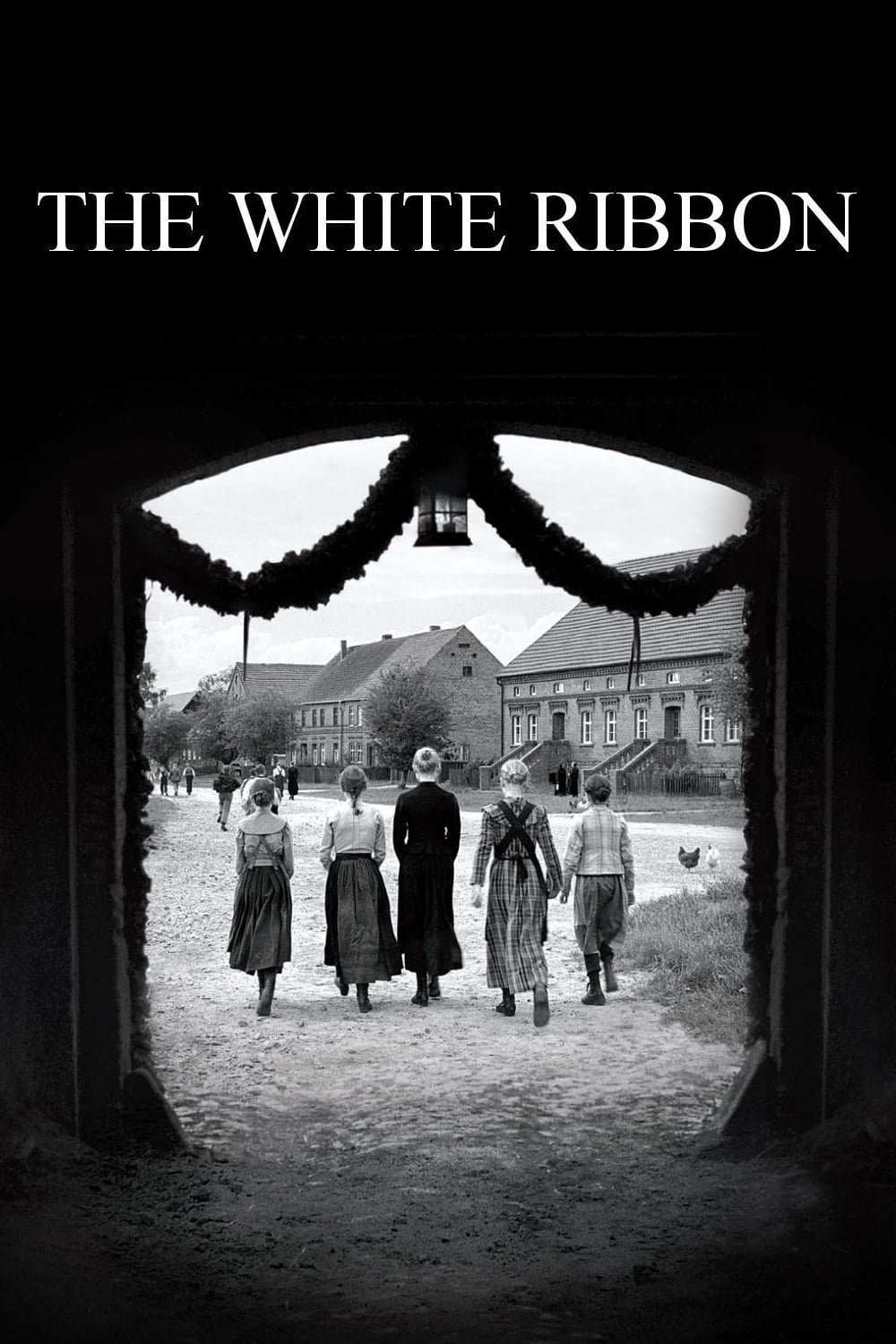
Most critics respond warmly to The White Ribbon, praising Haneke’s control of a disturbing portrait of cruelty and authority in a German village before the First World War. Praise clusters around the black-and-white cinematography, detailed period reconstruction and performances, particularly those of the children. The reviews find the connections between adult repression and childhood behaviour unsettling and thought-provoking. Several also welcome the tenderness of the schoolteacher’s courtship, which offers some relief from the surrounding cruelty.
The reservations concern pace, bleakness and how much the unresolved mysteries give the audience to work with. Variety admires the craft but finds the film difficult to embrace because of its emphasis on human malice. The Hollywood Reporter praises its moral rigour while suggesting that the stately pace and restrained staging may limit its appeal. Enthusiasm varies considerably, though even the more qualified reviews find much to admire in the images and acting.
L
Little White Lies
13 November 2009 · 4/5/5 · Jonathan Crocker
100
The critic calls it one of the year's best films and potentially Haneke's masterpiece, noting its ambitious scope and accessibility. He singles out the director's control of form and the balance of menace with moments of sweetness in the schoolteacher's courtship.
Read the full review →R
RogerEbert.com
13 January 2010 · ★★★★/4 · Roger Ebert
100
The film presents a series of unexplained malicious incidents in a pre-WWI German village that erode the social order without a clear culprit. Ebert praises Haneke's ability to embed profound questions about evil, authority, and freedom in the daily lives of ordinary people through masterful black-and-white visuals.
Read the full review →T
Time Out
10 November 2009 · ★★★★★ · Dave Calhoun
100
The critic deems it a masterpiece and Haneke's least aggressive, most mature film, praising its sombre exploration of repression linking home and community. He singles out the faithful historical reconstruction and superb performances.
Read the full review →A
The AV Club
30 December 2009 · A · Keith Phipps
95
Haneke's film inquires into the roots of evil through a deliberately paced, unnerving portrait of a German village before WWI. It shows how violence and hypocrisy spread from adults to the next generation without offering comfort in nostalgia.
Read the full review →S
Slant Magazine
27 September 2009 · ★★★½/4 · Fernando F. Croce
88
The review praises Haneke's masterful yet rigid depiction of oppressive village life and the seeds of fascism through mysterious crimes and generational contamination. It singles out the filmmaker's rare respect for characters and flicker of humanism amid the dour worldview.
Read the full review →S
Screen Daily
22 May 2009 · festival review
85*
The critic praises Haneke's artistry and control in this meticulously constructed tapestry of malice in a pre-WWI village. He singles out the rich detail, unerring modulation, and warm central character as boosting its arthouse prospects.
Read the full review →E
Empire
26 October 2009 · Damon Wise
80*
The critic calls it Haneke's finest yet and a hypnotic, immersive experience that feels like a disturbing daydream rather than a conventional film. It singles out the incredible antique-postcard visuals and the way the film accumulates power through its questions about violence and society.
Read the full review →S
Sight and Sound
1 December 2009 · Catherine Wheatley
80*
The critic highlights unexpected tenderness in the film's depiction of relationships amid cruelty and repression in a pre-WWI German village. She praises Haneke's shift toward a more even-paced, less aggressive style that incorporates elements of goodness and love.
Read the full review →N
The New York Times
29 December 2009 · A.O. Scott
80*
Haneke's chronicle of patriarchal abuses and mysterious cruelties in a rural German village on the eve of World War I leaves the viewer with a haunting sense of recognition amid the distance of the past. The review highlights the film's cerebral dread and the contrast between the teacher's benign narration and the surrounding authoritarianism.
Read the full review →L
Los Angeles Times
30 December 2009 · Betsy Sharkey
75*
The film is a tense, provocative parable examining how childhood experiences of fear, guilt, and retribution in a strict Protestant village may sow the seeds of later extremism. Sharkey singles out the black-and-white cinematography and the performances of the children as key to its eerie power.
Read the full review →V
Variety
20 May 2009 · festival review · Todd McCarthy
65*
Haneke's meticulously crafted black-and-white film about mysterious misfortunes in a pre-WWI German village is absorbing but difficult to embrace due to its bleak worldview. McCarthy praises the superb craft contributions, especially the production design and cinematography, while noting the story's focus on malice as a dominant human trait.
Read the full review →G
The Guardian
12 November 2009 · Peter Bradshaw
A superb and disturbing film whose vision of pre-First World War Germany offers no easy answers. Haneke achieves new mastery and audacity with chilling brilliance, icy exactitude and a technical finish that contrasts with its open-ended status as a historical parable.
Read the full review →H
The Hollywood Reporter
21 May 2009 · festival review · Peter Brunette
The critic calls it a superb cinematic work with an uncompromising moral point of view and rigorous black-and-white compositions. The stately pace and de-dramatized scenes may limit broader appeal.
Read the full review →C
Collider
11 February 2010 · A · Matt Goldberg
95
The critic praises the film's deep subtext, hypnotic direction, and gorgeous black-and-white cinematography, calling it a fantastic, multi-layered intellectual experience that offers no easy answers.
Read the full review →E
Eye for Film
23 March 2010 · Leanne McGrath
85*
The critic finds it tough but engaging and thought-provoking, praising its technical achievements and stunning black-and-white cinematography reminiscent of Bergman. They single out the superb acting, especially by the child performers, and the film's exploration of authoritarianism.
Read the full review →P
The Playlist
18 December 2009 · B+ · Kimber Myers
83
Describes it as an effective but disturbing experience of discomfort and destruction, admiring Haneke's technical prowess and ability to unsettle the audience, while noting the division among critics and the film's bleak nature.
Read the full review →P
Paste
26 January 2010 · Tim Basham
75*
The review highlights the film's darker take on a whodunit set in pre-WWI Germany, praising the brilliant cinematography and intense performances while noting it leaves questions unanswered but provides tools for exploration.
Read the full review →H
HeyUGuys
11 November 2009 · ★★★ · Barry Steele
60
Praises the outstanding performances, particularly by the children, and the sensitive handling of dark themes, while noting it's a fine, relevant film with a sweet love story subplot. Complains mildly about pacing and some CGI.
Read the full review →S
The Skinny
13 November 2009 · ★★★ · Jenny Munro
60
The critic describes the film as a demanding, complex thriller that expertly manipulates the audience's desire to uncover the perpetrators of violent crimes in a rural German community. They single out the starkly beautiful monochrome cinematography and the astonishing performances by the child actors as standout elements that make the experience lingering and deeply affecting.
Read the full review →Ordered by the weight we give each publication, then by score. Scores are normalised to 100; * means inferred from an unrated review. Summaries are ours, not quotations; follow the links for the reviews themselves. How we rate