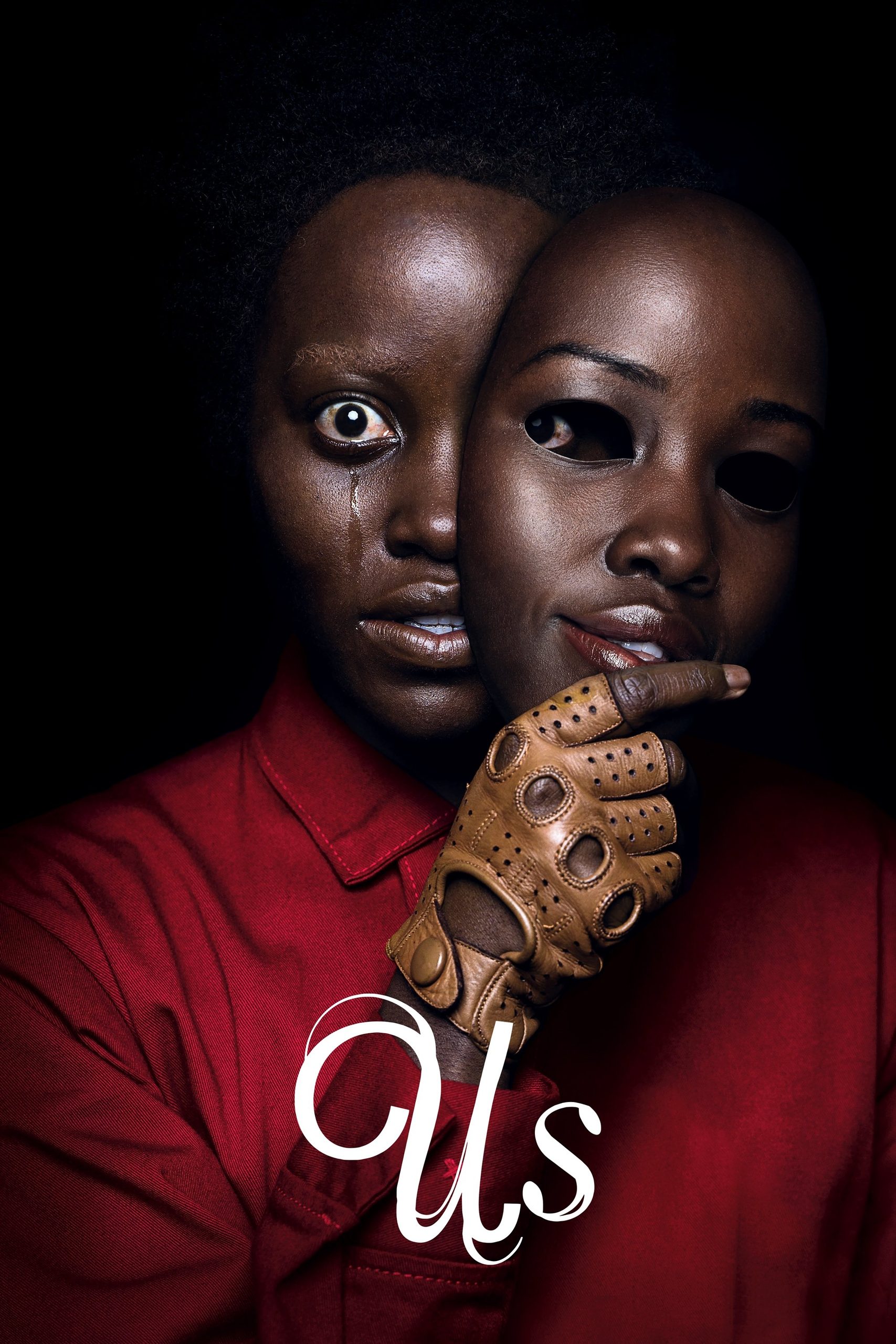
Most critics respond warmly to Us, with praise centred on Lupita Nyong’o’s dual performance and Jordan Peele’s control of suspense, shocks and comedy. The reviews repeatedly highlight how Nyong’o gives the doubles emotional weight and a disturbing physical presence, while Peele makes laughter sit uneasily beside fear. Many also welcome the film’s social ambition, finding its ideas about privilege and the underclass provocative even when they resist a tidy explanation.
The reservations concern how clearly those ideas develop and how well the plotting holds together towards the end. Responses range from enthusiastic praise to qualified approval, with no outright negative reviews in this selection. Time Out finds the blend of comedy and horror confident but the story short of its promise; The Ringer admires the technical skill while finding the late exposition convoluted. Even among supporters, the allegory’s vagueness and the uneven final act remain recurring qualifications.
T
The Telegraph
21 March 2019 · ★★★★★ · Robbie Collin
100
The critic calls it a sinister masterclass in spiralling terror and a right-on-time sociological knockout. They single out Lupita Nyong’o’s nerve-flaying double performance for praise.
Jordan Peele achieves an artful, ruthless balance of horror and hilarity in this tour de force of comic tension and visceral release that weaponizes chuckles against the audience. The movie belongs to Lupita Nyong’o, who delivers a performance distilling emotional layers into scream-queen history.
The critic finds it a fearsomely entertaining and thought-provoking horror fable that mixes sociopolitical satire with full-blooded chills. They single out Lupita Nyong’o’s commanding dual performance and the physicality of the shadow roles for particular praise.
Peele's ambitious second film uses doppelgangers to explore underclasses and self-reflection, anchored by Nyong'o's dual role. It mixes terror, humor, and social critique effectively, though some seams show in the final act.
It's a chilling, entertaining ride juggling comedy and horror, with a great cast led by Nyong'o, though the allegory feels clunky and plotting predictable.
The critic finds it a worthy and creepy follow-up that is far scarier than Get Out, with vision that positions Peele as a key figure in horror. They single out Lupita Nyong’o’s terrific performance for praise.
The critic finds Us a richly intriguing riot of imagery and ideas that demands rewatching, praising Nyong’o’s dual performance and Peele’s Hitchcockian knack for horror in the mundane, while noting it is not as perfect or focused as Get Out and can stray into vagueness.
The critic calls it a flawed but full-bore frightener that refreshes horror influences and rewards revisits, praising Nyong’o’s intensity and Peele’s genre command, while noting it does not quite stick the landing.
Peele delivers an effective chiller focusing on suspense, with superb Nyong'o in dual roles; it avoids sophomore slump with riveting tale, though stumbles near the end.
Peele's follow-up expands on Get Out with a doppelganger premise involving the Tethered underclass rising against the privileged. The critic praises the entertaining blend of horror, comedy, and social commentary, highlighting Nyong'o's dual performance, though notes it doesn't fully cohere.
The critic finds Us darker and more ambitious than Get Out though less tidily satisfying, praising its sophisticated atmosphere, suspenseful filmmaking, and thematic focus on economic oppression and the underclass as avengers, while noting its careful construction and ability to mix laughs with dread.
The critic calls it a fiercely scary movie whose meaning is up for grabs, praising the intense performances by Lupita Nyong'o, the twists and ironies, and the striking iconography of the red-jumpsuit doubles, while noting the sociopolitical premise is harder to pin down allegorically than in Get Out.
Jordan Peele’s new horror movie is an expansive philosophical hall of mirrors exploring existential terrors through monstrous doppelgängers that stalk an ordinary family. The film is more ambitious than Get Out and in some ways more unsettling as a fun-until-it’s-not shocker.
Jordan Peele veers farther into the dark recesses of America's collective id, implicating us as our own worst enemies through a clever doppelgänger story. The film orchestrates an entire horror movie around the adage that we have met the enemy, and he is us.
The film confidently blends comedy and horror with strong performances but lacks the edge of Get Out, with a plot that doesn't fully deliver on its promises.
Peele avoids a sophomore slump with a smart, character-driven horror film that examines our own evils rather than external threats. Strong performances, especially Lupita Nyong'o's dual role, and rich details reward rewatches.
A shocking, deranged, and wildly entertaining successor to Get Out that relentlessly deploys horror tropes while sparking conversation with mythology, humor, and social perspective. Highlights Lupita Nyong'o's star power and Peele's command of the material.
Jordan Peele's second film is more horrific and ambitious than Get Out and one of the most evocative horror movies in memory. It is a magnificent achievement that will reward diligent rewatching and debate for years to come.
The review calls the film a powerful follow-up that confirms Peele’s gifts as a genre filmmaker unafraid of social commentary, with uniformly fantastic performances led by Lupita Nyong’o’s master class in dual roles. It notes the effective use of duality as both theme and structure, despite some disorienting or muddled elements.
The critic finds the film an intriguing but ultimately standard horror effort that borrows from many influences without matching the social depth or scares of Get Out. Performances, especially from Lupita Nyong’o, are praised as strong, though the overall experience falls short of greatness.
More skillful and technically virtuosic than Get Out but lacks its dramatic clarity, with too many layers and convoluted exposition in the third act. Praises Nyong'o's performances and integration of shock and humor but notes the strain of following up a classic.
Ordered by the weight we give each publication, then by score. Scores are normalised to 100; * means inferred from an unrated review. Summaries are ours, not quotations; follow the links for the reviews themselves. How we rate