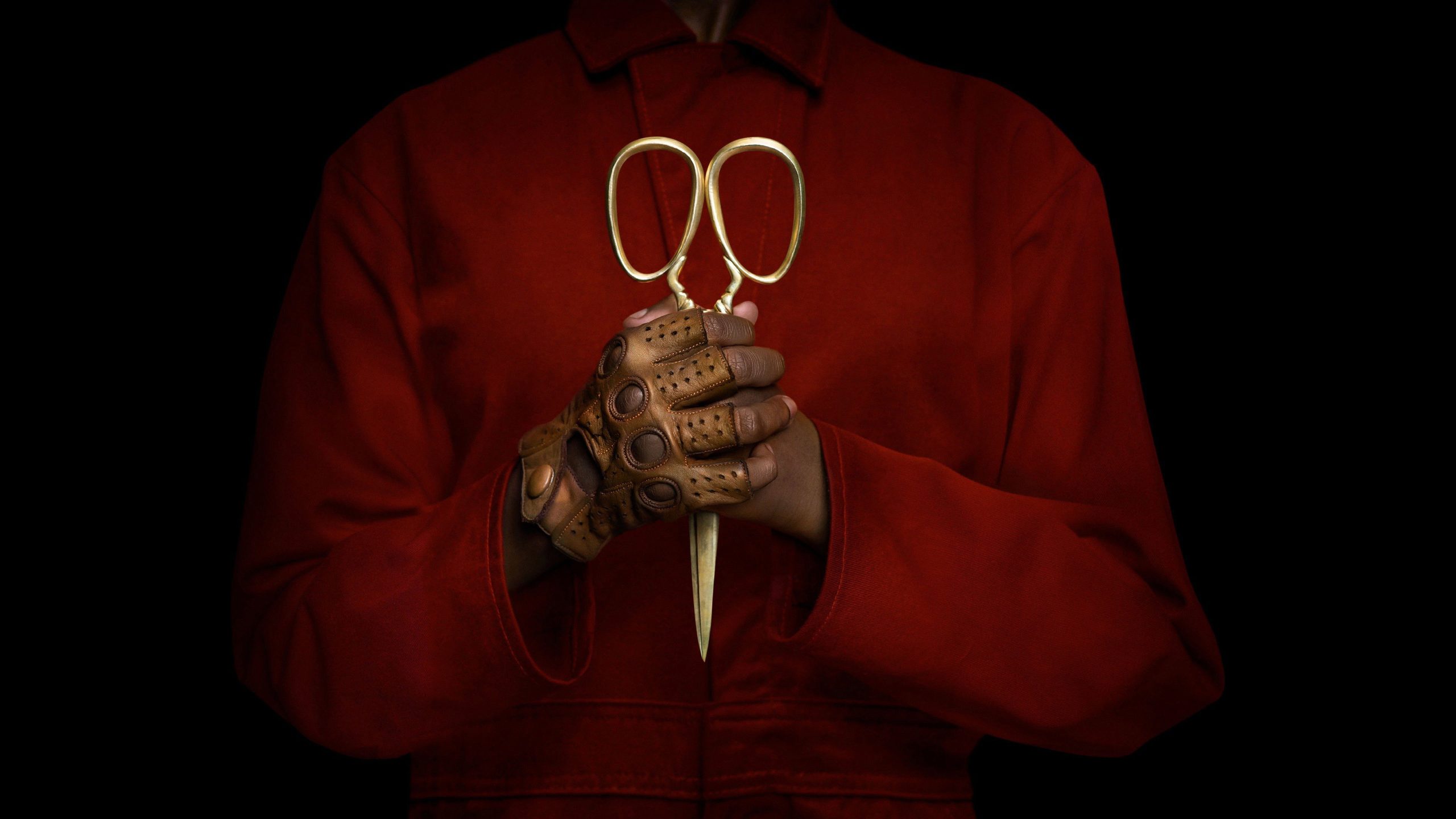
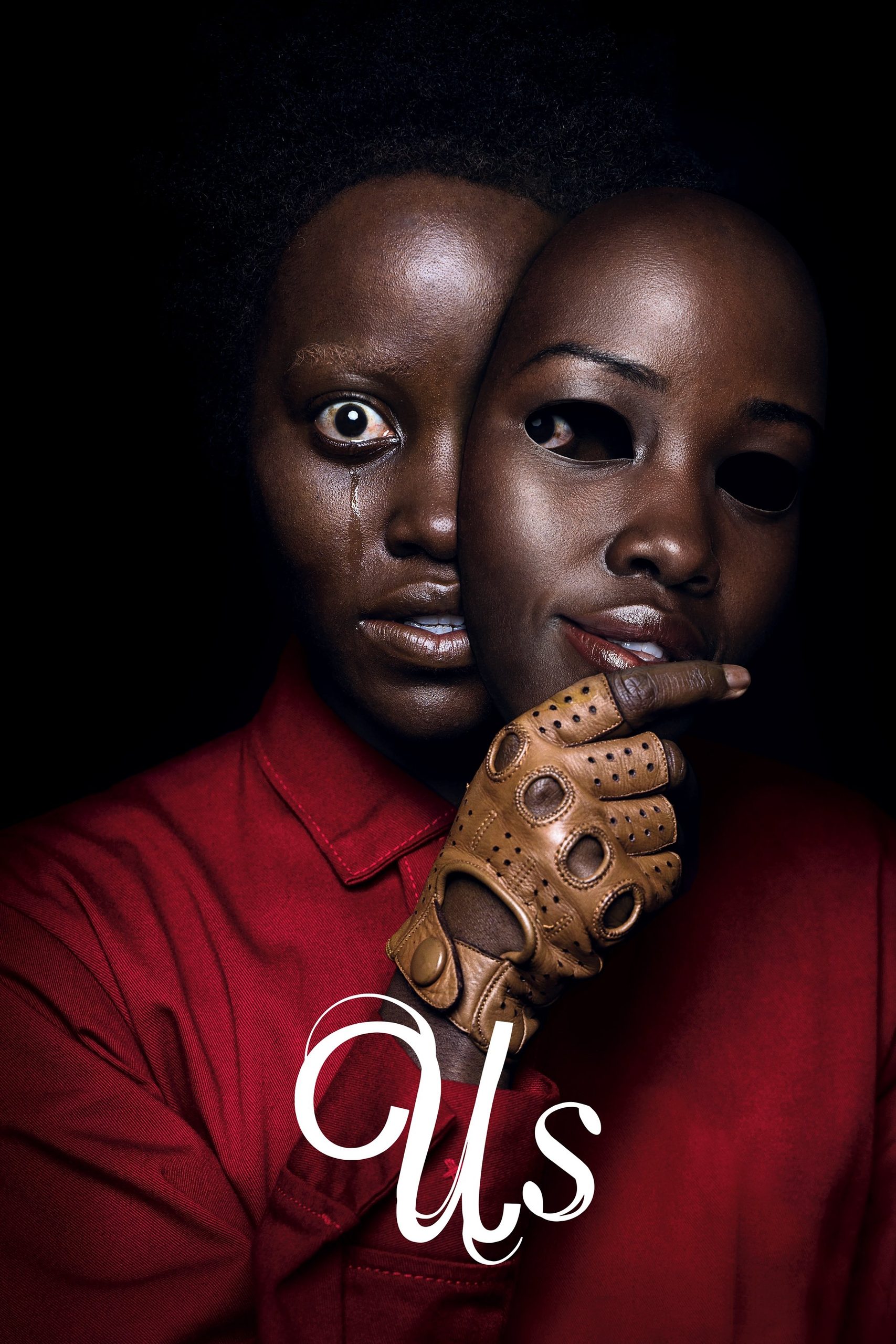
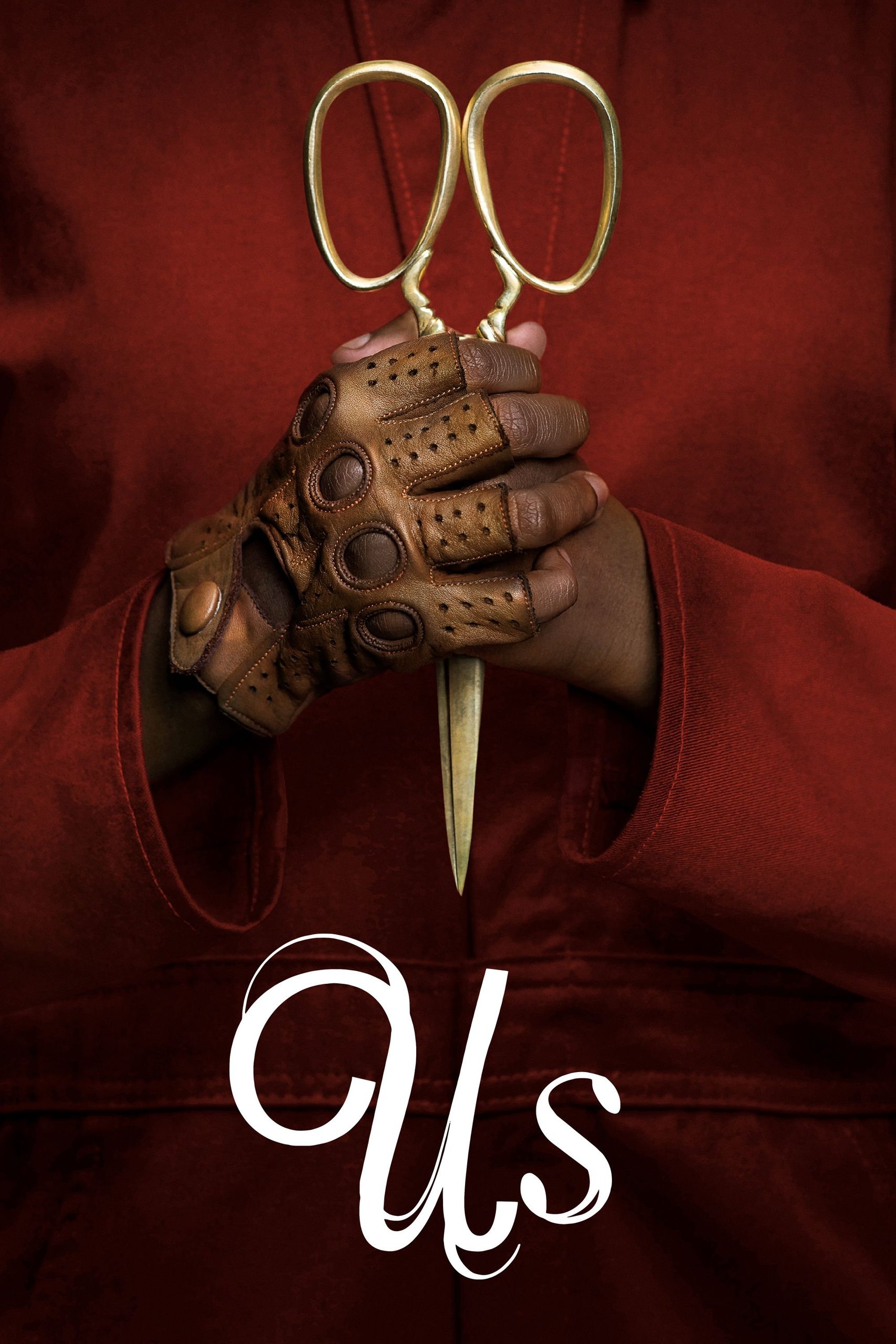
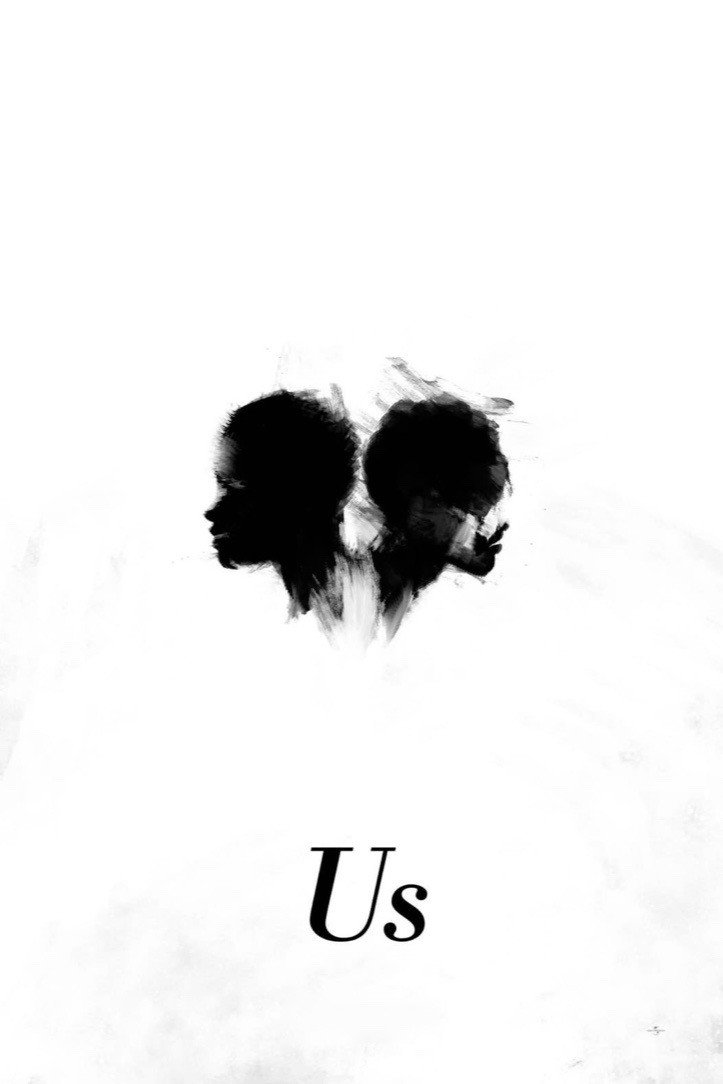
Jordan Peele’s Us is frightening and funny, led by Lupita Nyong’o in two unsettling performances. The explanations are less persuasive; horror fans should still find plenty to fear.
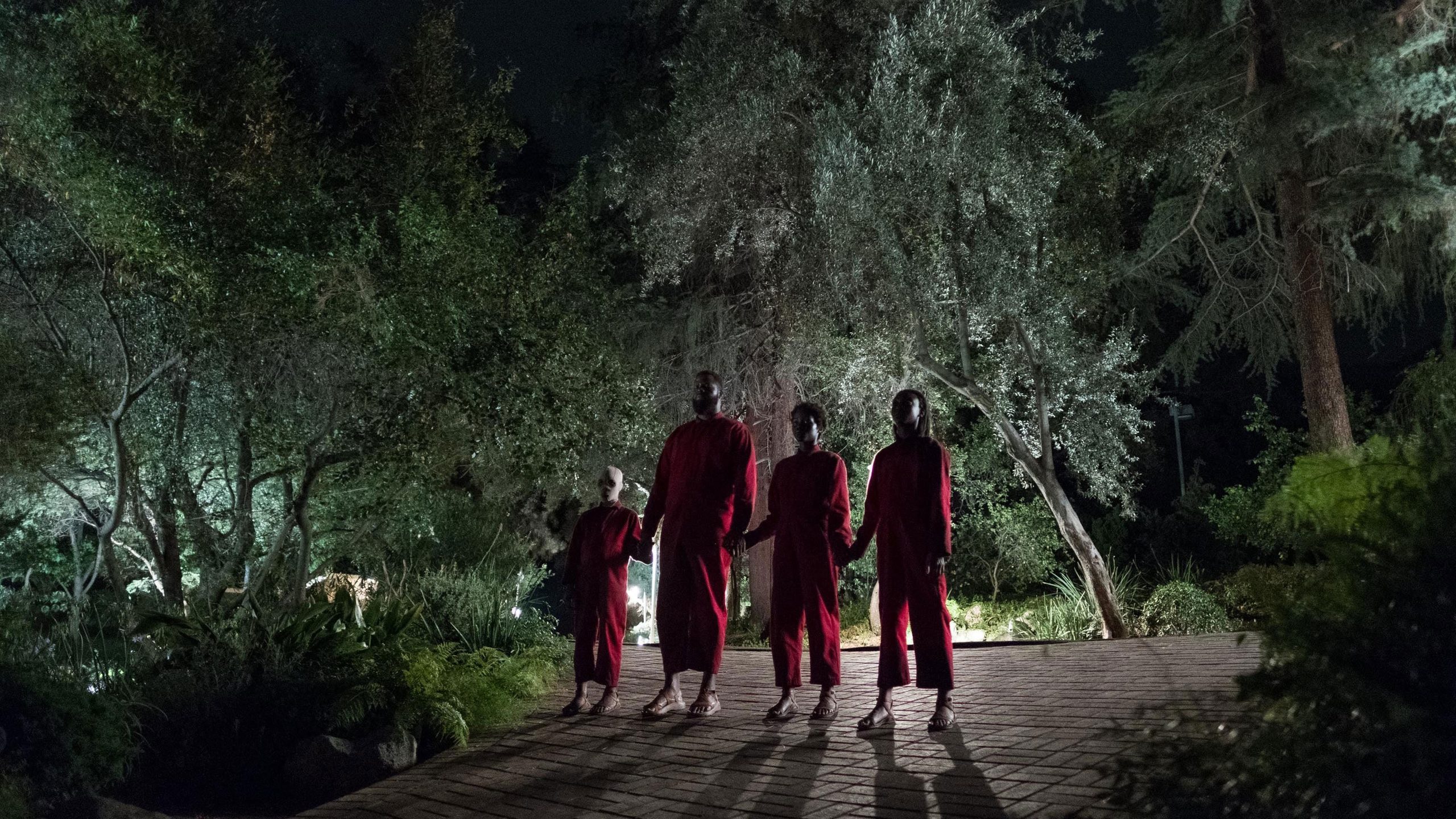
Jordan Peele builds Us around a fear that needs little explanation: somebody with our face wants to hurt us. Putting an entire family through that ordeal gives him room for domestic comedy as well as horror, and the changes between them are often unnervingly quick. This is a good, frightening film whose storytelling becomes less convincing as it grows more elaborate. Its actors keep the threat immediate even when we begin to question the reasons behind it.
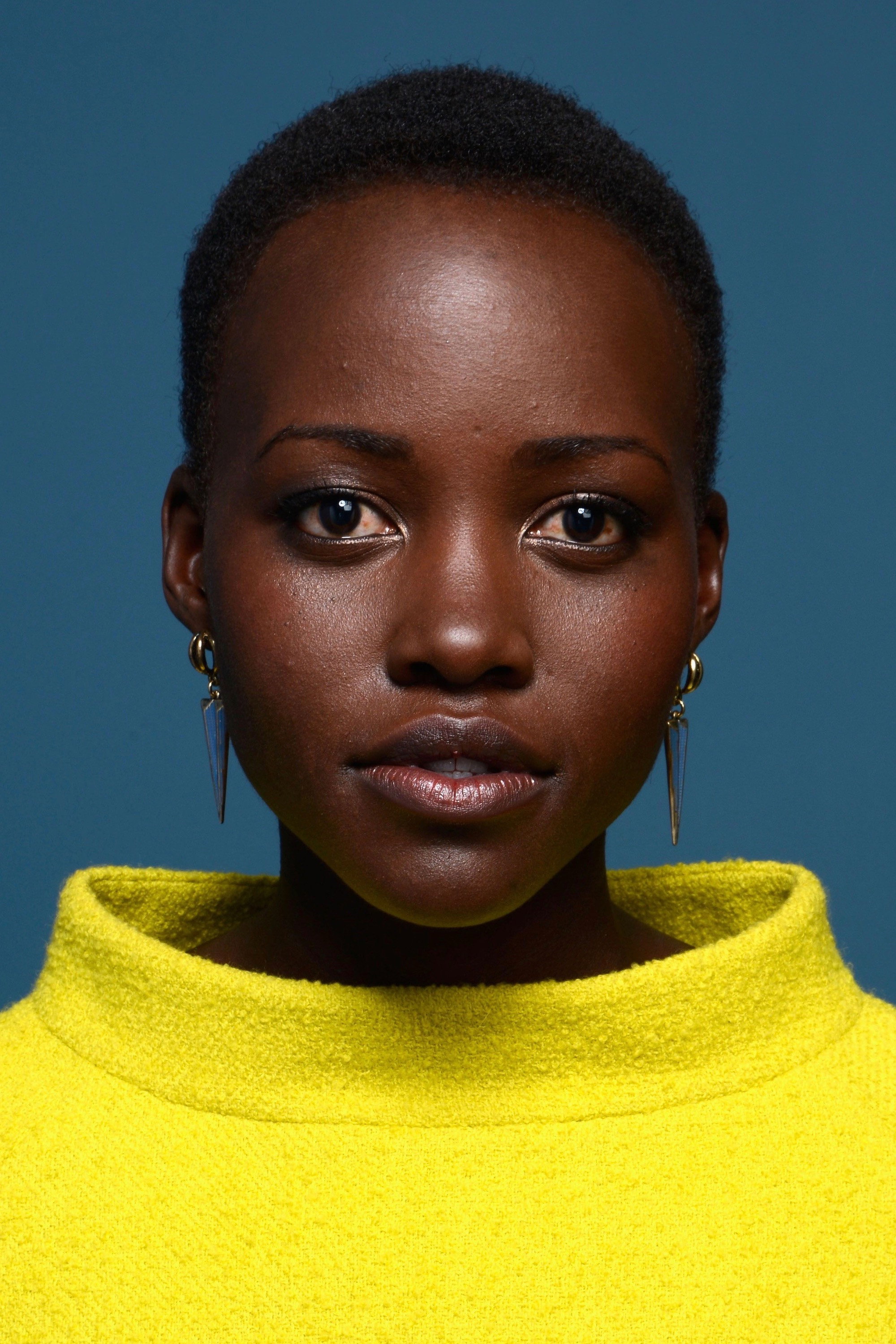
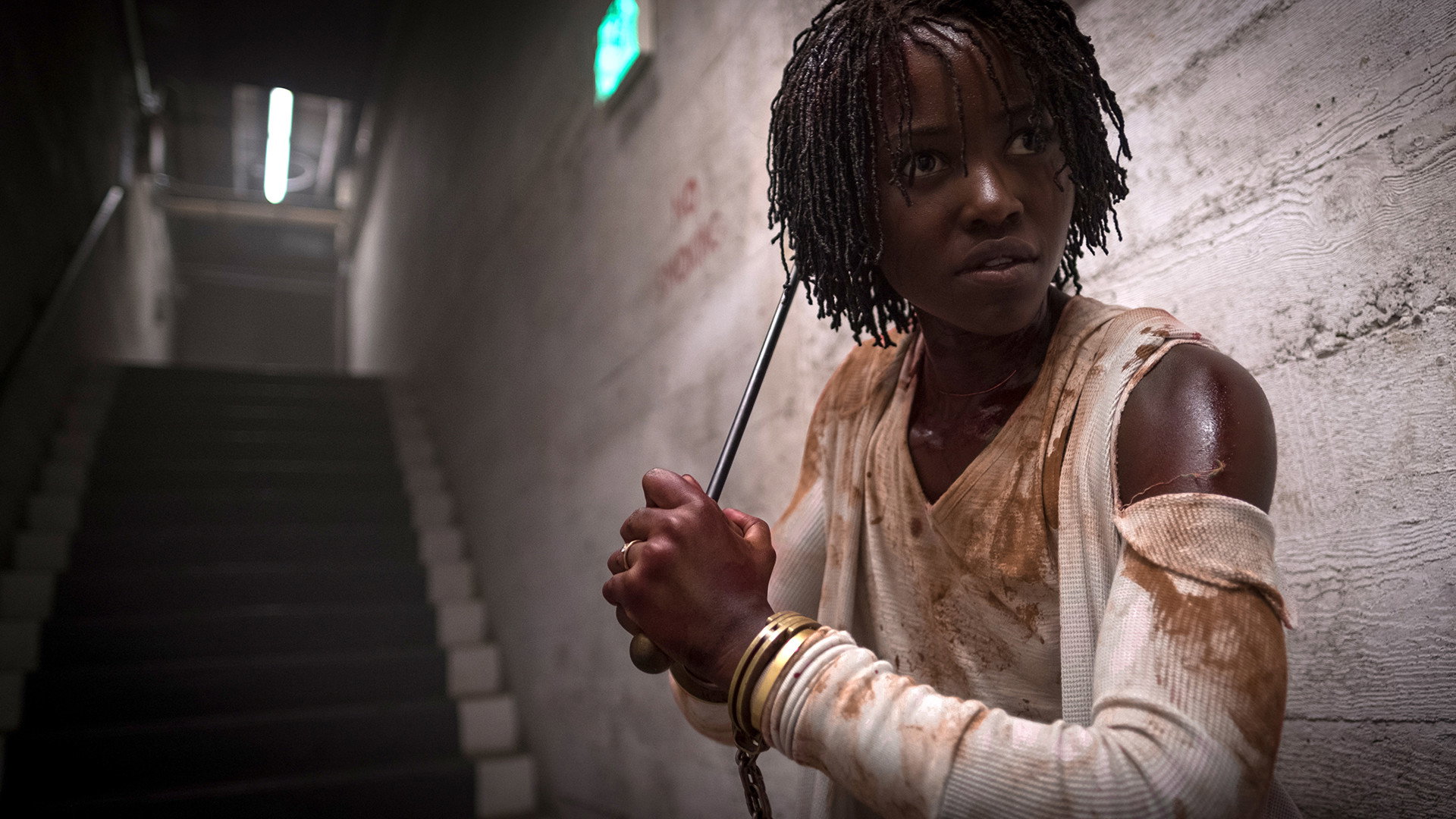
Lupita Nyong’o makes Adelaide Wilson and Red feel like separate people almost immediately. Adelaide’s fear is easy to believe, while Red remains difficult to read even with that familiar face. We were frightened by the sight of someone resembling Adelaide threatening her family. The resemblance keeps making us look for something reassuring, and the performance makes that a thoroughly uncomfortable way to watch: knowing one woman gives us little help with the other.
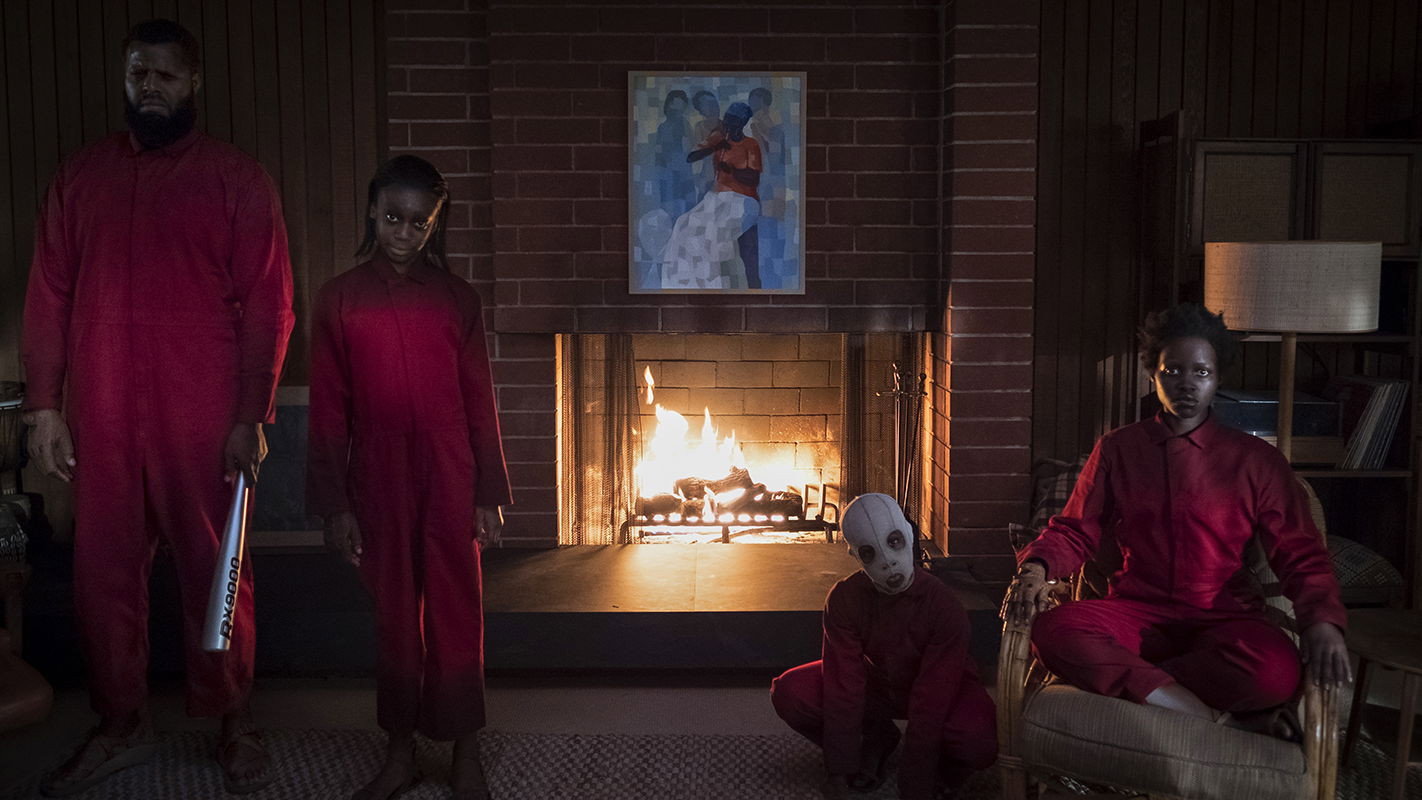
Mike Gioulakis’s cinematography is most effective when it lets us study those faces; the resemblance needs to register for the threat to work. Kym Barrett’s red jumpsuits help by giving the doubles a recognisable appearance of their own. They are simple enough to remain alarming without requiring us to work out what each detail means. Ruth De Jong’s production design makes the family’s holiday surroundings sufficiently plausible for these figures to feel intrusive. There is an ordinary life here that we can believe the Wilsons want to protect.
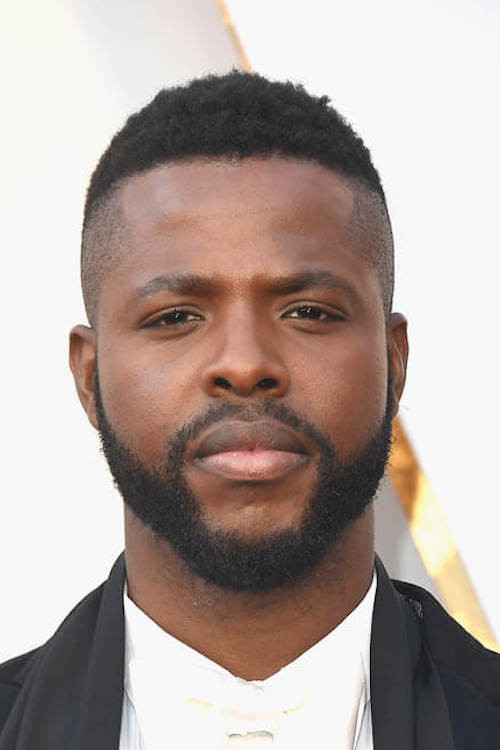
Winston Duke is useful to that ordinary life as Gabe Wilson, supplying a comic ease that stops the family from existing only to be frightened. Nicholas Monsour’s editing makes the changes from comedy to danger feel abrupt without losing us. There is pleasure in a joke landing just when we have decided to stay tense. Michael Abels’s score sustains the unease through those changes, so the comedy never makes the doubles seem harmless. The humour also gives us a reason to care about the family beyond their immediate predicament.
The difficulty is Jordan Peele’s screenplay, particularly when it starts explaining how much the doubles are meant to account for. Its interest in privilege and deprivation is clear enough, and horror is well suited to making comfortable people feel threatened. But the more elaborate the account becomes, the more questions it raises about what we have been asked to accept. We started checking the story’s logic when we ought to have been worrying about the Wilsons. The later exposition interrupts the fear without making the story much more convincing.
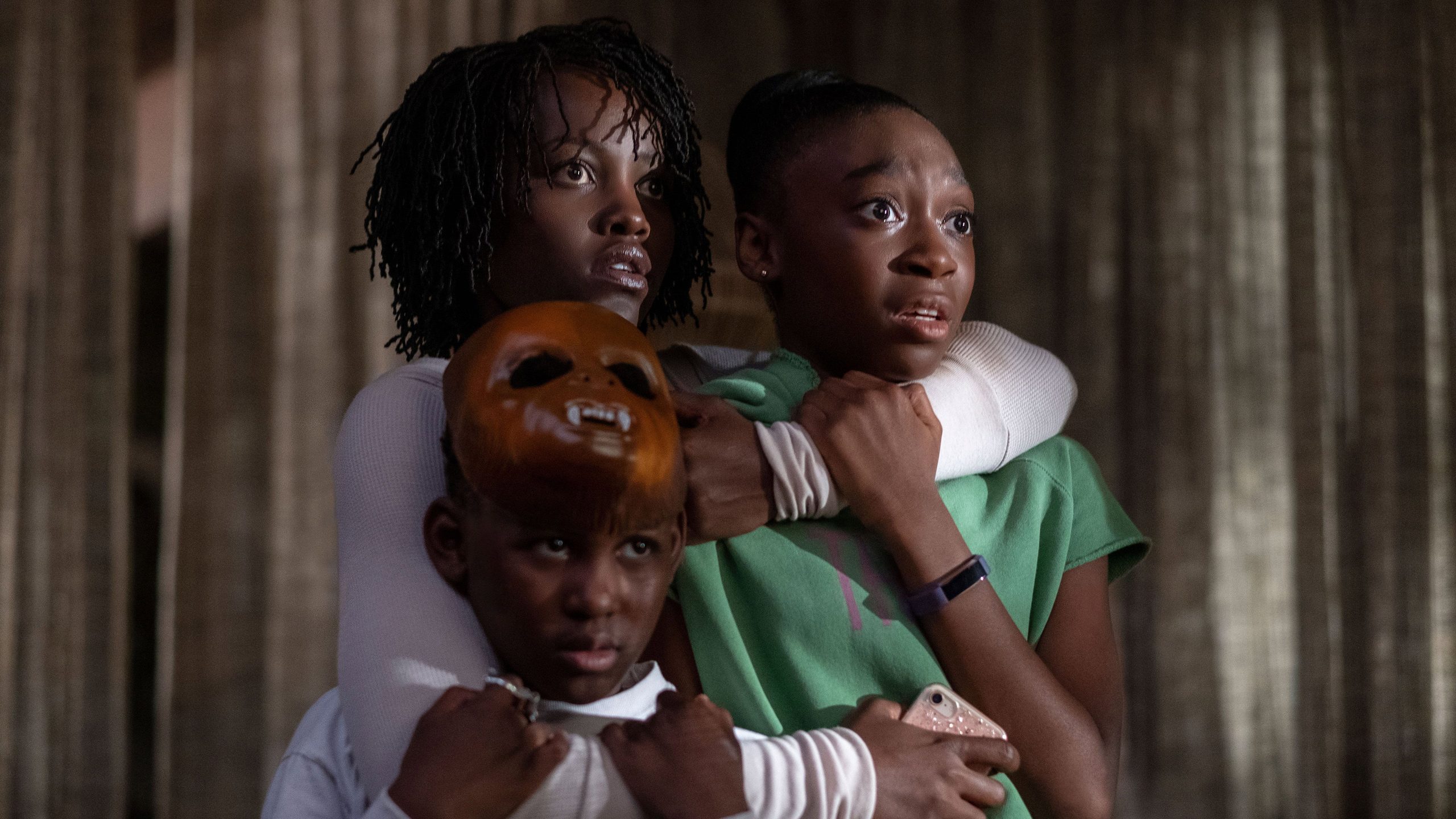
Judged as a family-under-siege film, Us works more reliably. The doubles make the danger personal to each Wilson, and the cast gives the premise enough conviction to keep us concerned about who might get hurt. We do not need every detail settled for horror to work. We do need the explanations we are given to withstand a little thought, and this film sometimes makes uncertainty feel like unfinished writing.
Horror viewers who enjoy discussing a film afterwards will have plenty to occupy them beyond these 116 minutes. Those who need every explanation to hold together should expect some irritation. Watch it with someone who can resist explaining it while Lupita Nyong’o is still on screen.