Bong Joon Ho makes a family con funny enough to compromise our judgement, then gives us good reason to regret it. The plotting and performances make this an unusually gripping thriller, despite occasional overemphasis in the music and writing.
Parasite is a sharp, funny thriller about a poor family getting into a rich household, and we recommend it without asking for patience or an interest in economics. Bong Joon Ho makes the con enjoyable enough that its ugliness can take a moment to register. We want these people to get away with it because they are resourceful and because watching them work is a pleasure. The screenplay, by Bong and Han Jin-won, keeps that pleasure uncomfortable.
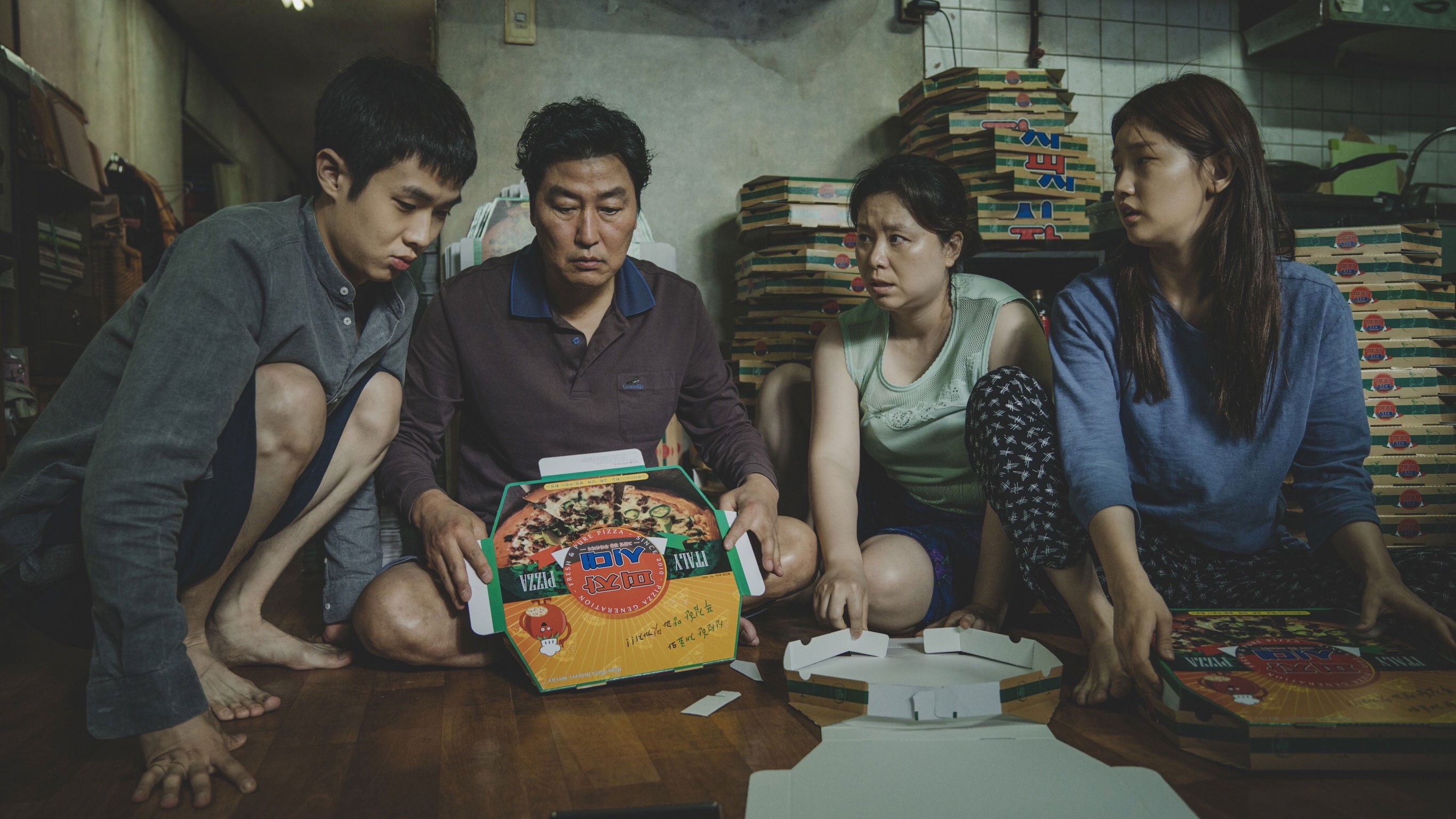
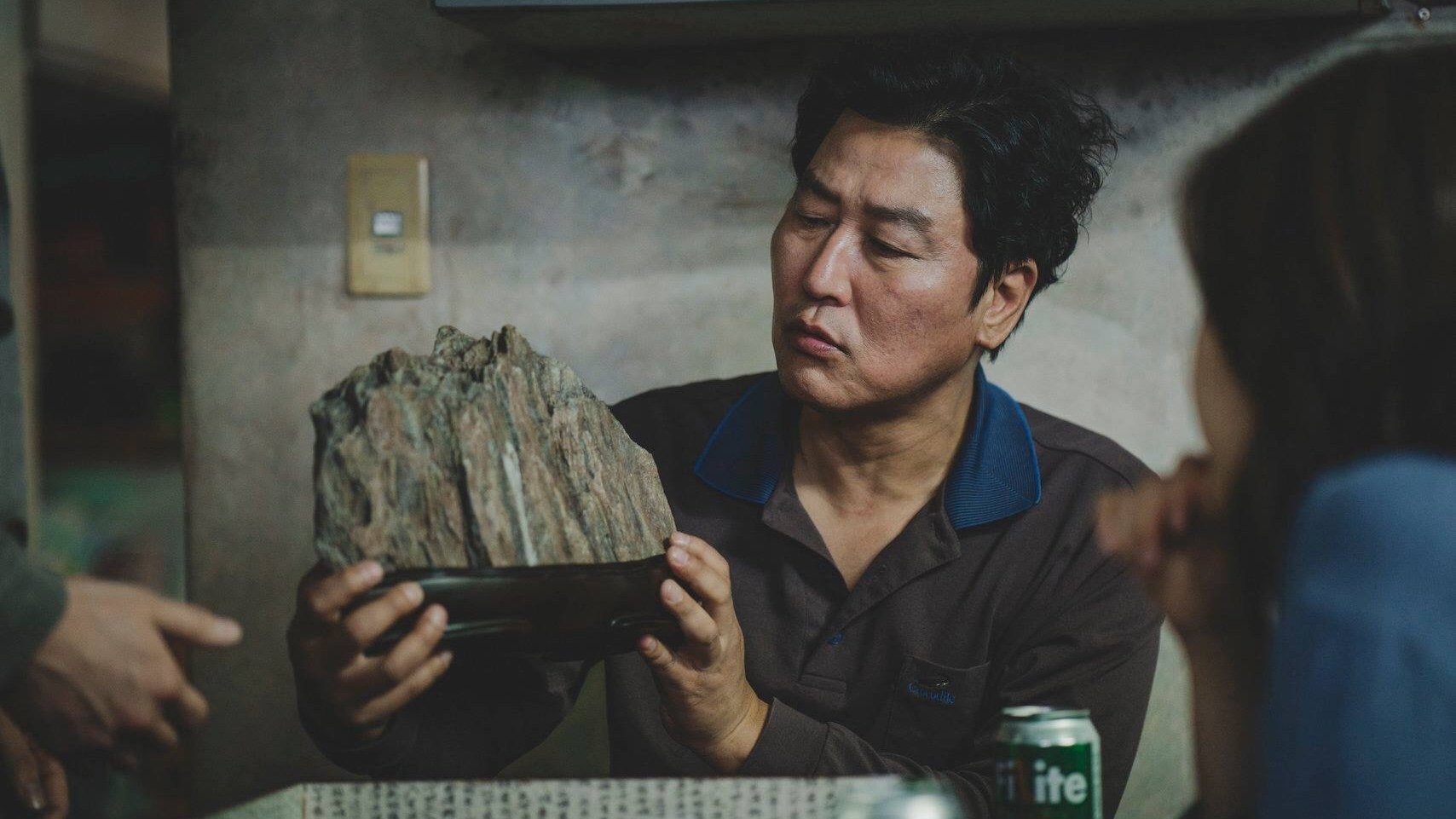
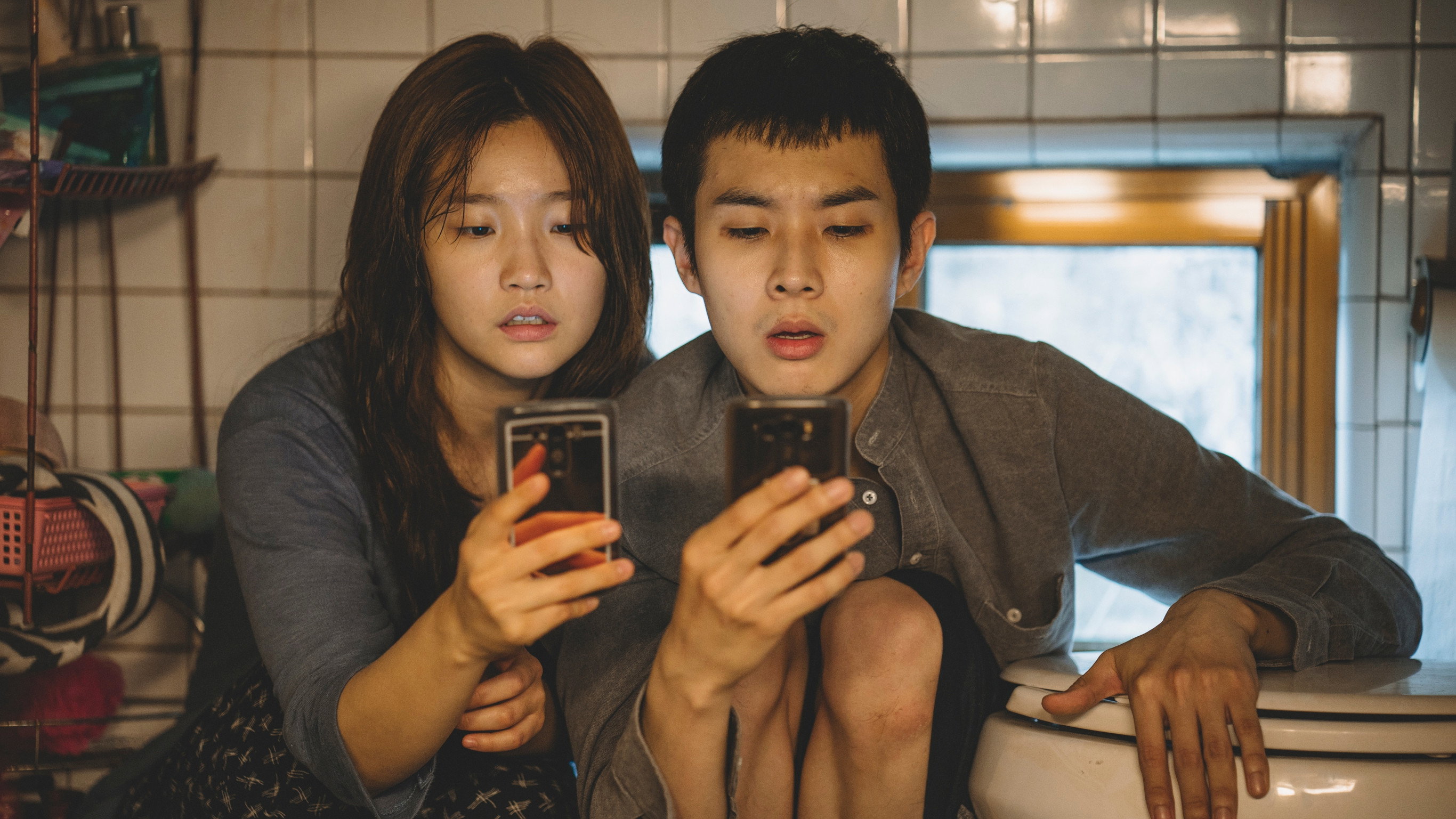
The opening gives the cast a practical task: make deception convincing while letting us enjoy the effort. Song Kang-ho, as Kim Ki-taek, and Park So-dam, as Ki-jung, understand how much comedy comes from appearing to know exactly what one is doing. Their assurance makes the scheme feel possible even when we ought to be questioning it. We laughed at the family’s nerve, then felt uneasy about how readily we wanted the con to work.
Lee Sun-kyun’s Park Dong-ik and Cho Yeo-jeong’s Yeon-kyo give the wealthy household something more useful than simple villainy. The performances let us see people accustomed to being accommodated, with little reason to examine the convenience. Bong gives both families faults without suggesting that they have equal freedom to make mistakes. That distinction matters: the comedy can be cruel about individual behaviour while remaining clear about who has the money and who needs it.
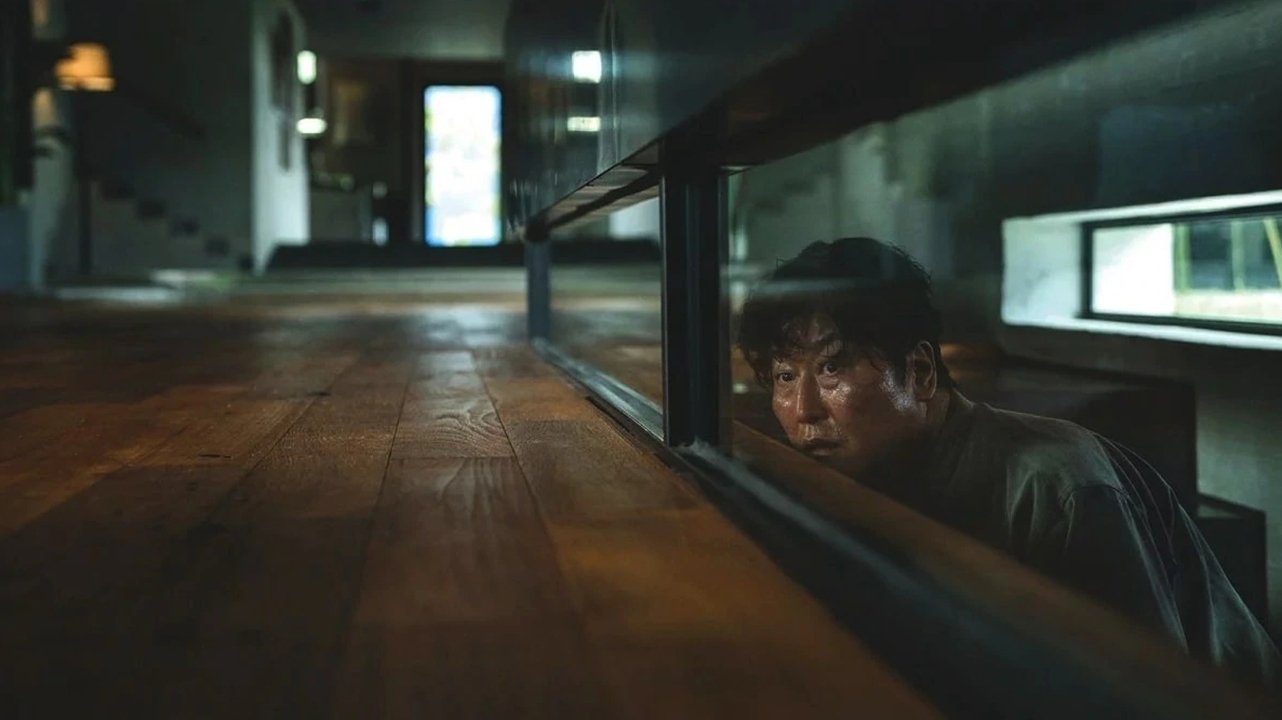
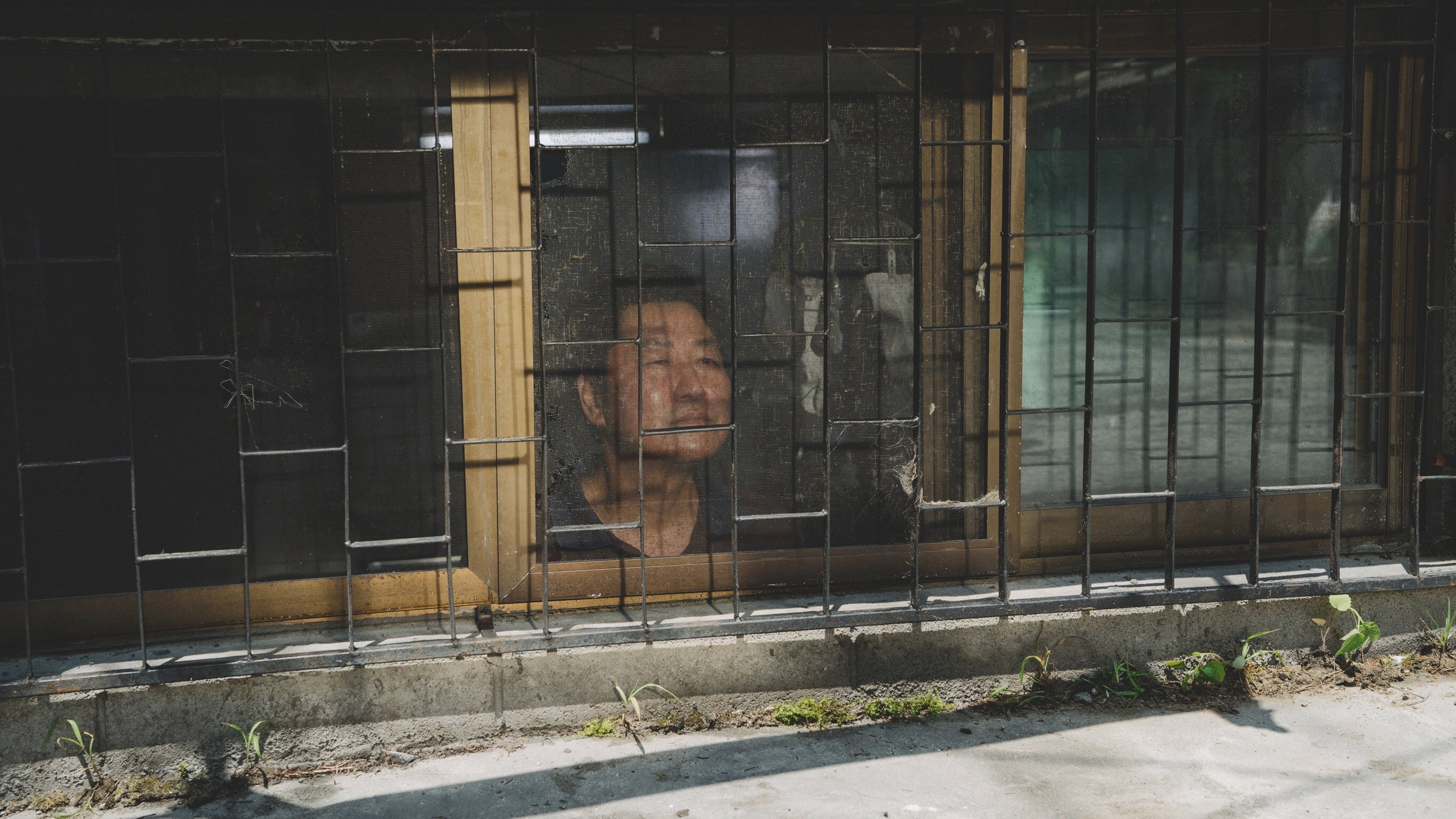
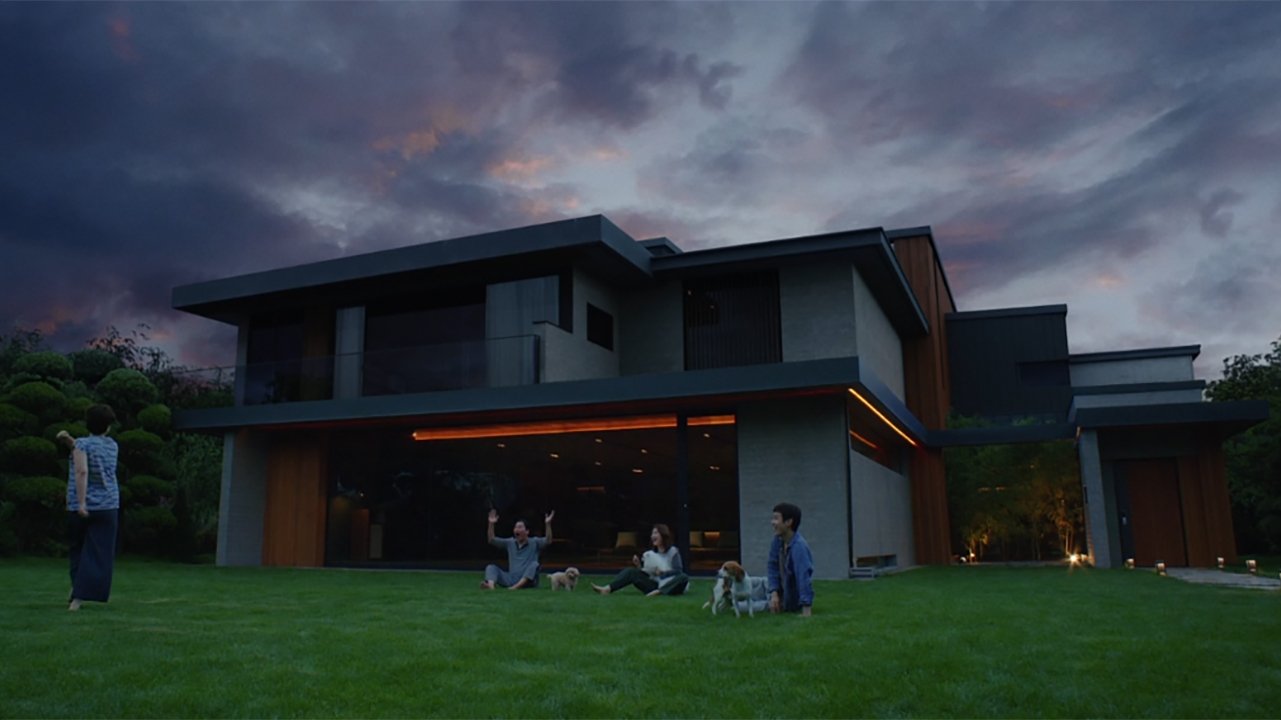
Lee Ha-jun’s production design does much of the explaining through the Parks’ mansion and the poorer family’s basement home. The difference in space makes the disparity felt without needing a speech about inequality. Hong Kyung-pyo’s cinematography keeps us alert to how people fit into these homes, and how secure they look inside them. The rooms remain comprehensible as the plotting grows more complicated. In a thriller built around entry into somebody else’s house, that clarity is essential.
Editor Yang Jin-mo is especially good at preserving comic timing while allowing suspense to develop within the same passage. We are not made to wait through a solemn pause whenever the film wants to become serious; the unease grows out of the deception we have been enjoying. Jung Jae-il’s music is less persuasive when it presses the tension, because the situation already has our attention. That is a small objection, but there are moments when we would rather be left with the actors.
The script occasionally labours its points about class, making sure we have understood something the homes and performances have already told us. We noticed the repetition without losing interest in the people. A con thriller can become tiresome once it starts congratulating itself on its ingenuity. Bong avoids that by keeping the family’s need for money in view, even as its behaviour becomes harder to defend.
At 133 minutes, it gives the scheme room to develop without making the early comedy feel like a preamble to the serious business. The laughs matter, and so does the embarrassment of having enjoyed them. We will leave the developments beyond the opening alone: knowing the premise is enough preparation. Choose it for an evening when everyone can put their phones away, and do not read a fuller account of the plot first.