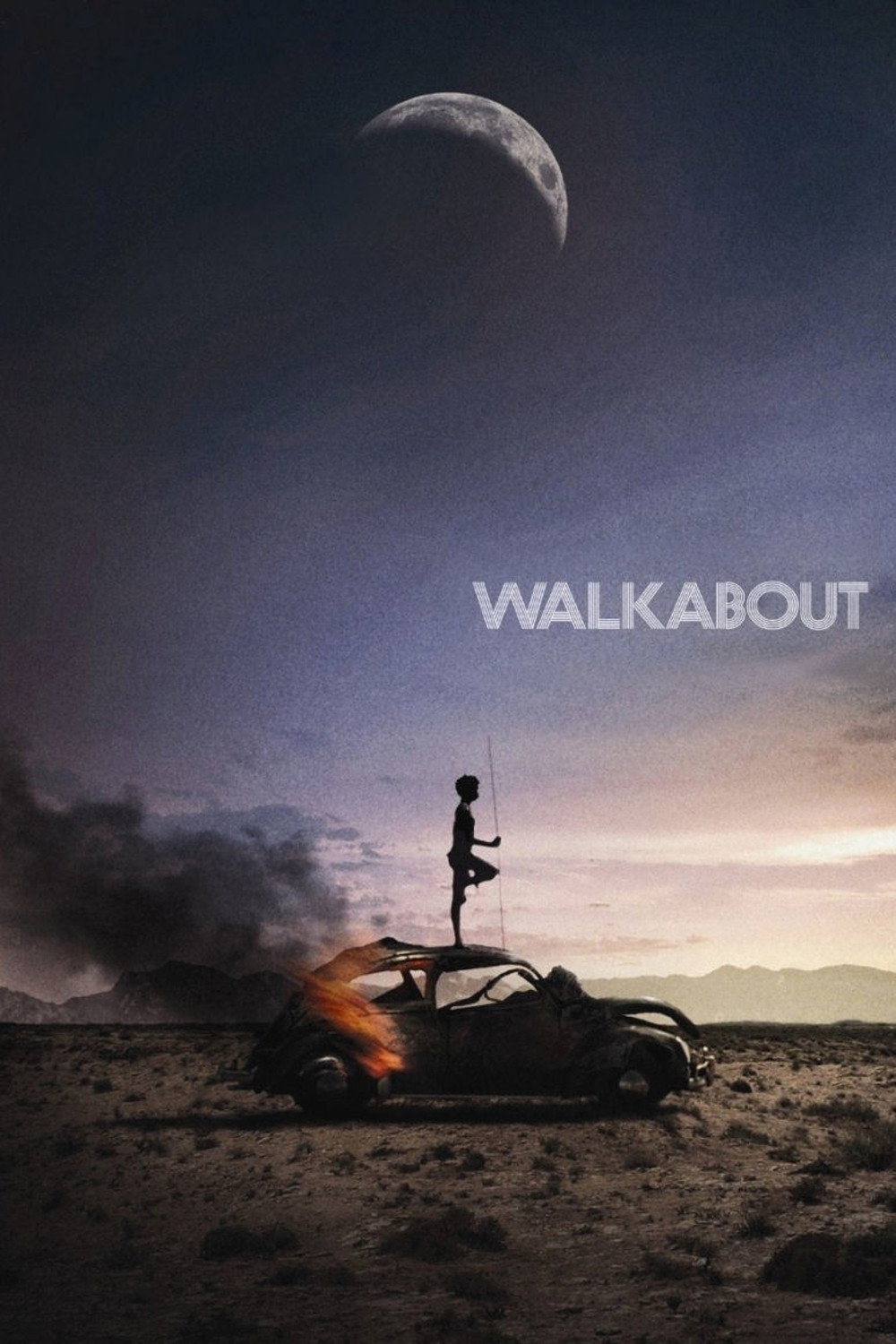
Most critics respond warmly to Walkabout, with praise centred on Nicolas Roeg’s images of the Australian outback and his use of editing to connect landscape, memory and cultural unease. The reviews repeatedly describe a dreamlike journey whose sparse dialogue allows the images and performances to carry its emotional weight. Jenny Agutter’s intelligence and complexity draw attention, as does David Gulpilil’s warmth. Critics also find substance in the film’s treatment of lost innocence, failed communication and the distance between industrial society and life in the wilderness.
The disagreement concerns how well that visual approach serves the story. The New York Times admires the images and direct performances but finds the elaborate techniques at odds with the simple message. Variety is the lone negative voice, arguing that the wildlife inserts impede an already fragile, forced adaptation. The spread is wide, then, but the reservations sit within a strongly positive consensus.
T
Time Out
17 May 2010 · ★★★★★ · Joshua Rothkopf
100
The review calls Walkabout a 1971 stunner and atmospheric adventure that remains feverish and intimate, a radical film of its decade. It singles out Jenny Agutter’s complex, intelligent performance and the film as Roeg’s emotional arrival.
Read the full review →A
The AV Club
19 May 2010 · A · Keith Phipps
95
The critic praises Roeg's use of images and editing to create a hypnotic journey contrasting innocence and civilization, highlighting the film's dream-like quality and inevitable loss of innocence.
Read the full review →R
RogerEbert.com
18 September 2023 · Walter Chaw
90*
The critic hails the film as a masterful, totemic work of profound spiritual and existential power that has lost none of its force. He singles out its raw, awe-inspiring imagery of the outback and its exploration of human nature, innocence, and civilization's corruption.
Read the full review →S
Sight and Sound
· James Bell
90*
The critic praises Roeg’s debut solo feature as vividly capturing the Australian outback as an ancient, timeless setting for fable and allegory. It highlights the film’s pure cinema qualities through mesmerising landscape images, subjective viewpoints and editing, plus its coming-of-age and cultural themes.
Read the full review →The critic praises Nicolas Roeg’s 1971 film as a seminal work of the Australian New Wave for its striking atmospheric contrasts between beauty and menace in the outback. They single out David Gulpilil’s warm, affecting performance as the Indigenous man who befriends the lost siblings.
Read the full review →T
The Times
17 July 2003 · Will Self
90*
The critic recalls first seeing the film as a child and finds it even better on rewatch for its considered lyricism, long sweeping shots of the desert, and passages without dialogue. They single out its embodiment of pure film language in contrast to modern fast-cut editing.
Read the full review →S
Slant Magazine
7 August 2001
80*
The film explores the tension between industry and nature through the children's journey in the outback, guided by an Aboriginal boy, emphasizing cultural clashes and humanity.
Read the full review →E
Empire
24 April 2007 · Kim Newman
70*
Nicolas Roeg's film is a deep but elusive story of cultural clash and survival in the outback, using an elliptical style rather than conventional perils or romance. It contrasts wilderness life with civilised routines through sparse dialogue, footnote scenes and nature footage, while highlighting the non-professional casting and Jenny Agutter's sensual performance.
Read the full review →N
The New Yorker
3 July 1971 · Penelope Gilliatt
70*
The critic describes the film as a violent fable about silence and the tactics of people in unknown conditions, calling it a plain, muscular work that is handsome and shocking to look at. She singles out its link to Romantic feelings for barbarism and savage savants.
Read the full review →N
The New York Times
2 July 1971
70*
The critic finds the film a sincere evocation of nostalgia for an innocence that probably never existed, with sympathies for simple folk and lovely images of the journey. He notes that its fancy techniques undermine the simple message and that the performances are direct while the film itself is elaborate.
Read the full review →V
Variety
31 December 1970 · ** · Variety Staff
30*
The critic calls the film a tepid artistic effort about children lost in the Australian wilds who are befriended by an aborigine, noting that pretty pictures alone cannot sustain the fragile and forced adaptation. He singles out the over-reliance on inserts of insects, reptiles, and wild beasts as inhibiting the story.
Read the full review →C
Collider
22 June 2009 · James Napoli
90*
The critic praises Roeg's meditative, poetic direction and striking visuals in this tale of cultural and natural disconnection. He highlights the film's thematic depth on alienation, communication barriers, and humanity's relationship to the environment, calling it unforgettable and groundbreaking.
Read the full review →E
Eye for Film
7 August 2022 · Jennie Kermode
90*
The critic praises the stunning cinematography that conveys the vastness of the landscape alongside intimate drama, and the superb performances of the young cast in this dialogue-minimal film. She singles out the immersive Outback odyssey as an epic that captures cultural shifts, loss, and a world on the brink of change.
Read the full review →P
Paste
22 June 2010 · Andy Beta
90*
The review hails Walkabout as a masterpiece and perfect cinematic experience, lauding its meditation on cultural clashes, rituals, gender roles, and the gap between modern and ancient worlds. It singles out the wordless relationship between the Aboriginal boy and the girl, along with the film's enigmatic, primal vision and flawless structure.
Read the full review →R
The Ringer
26 November 2018 · Adam Nayman
90*
In this retrospective obituary piece, the critic describes Walkabout as one of Roeg's masterpieces, noting its terrifying prologue, existential dread, and symbolic exploration of cultural/racial tensions and coming-of-age. It praises the feverish, vision-quest intensity of the imagery and its status as a key Australian New Wave film.
Read the full review →The piece highlights Walkabout as an auspicious directorial debut for Nicolas Roeg, noting its status as an art-house classic and the improved Criterion transfer of this poetic outback tale. It emphasizes the film's literary origins and strong transfer quality over previous editions.
Read the full review →Ordered by the weight we give each publication, then by score. Scores are normalised to 100; * means inferred from an unrated review. Summaries are ours, not quotations; follow the links for the reviews themselves. How we rate