Nicolas Roeg’s outback drama is moving, disquieting and worth giving your full attention. Its young cast and desert images hold us, though the contrast between wilderness and civilisation sometimes makes the people too simple.
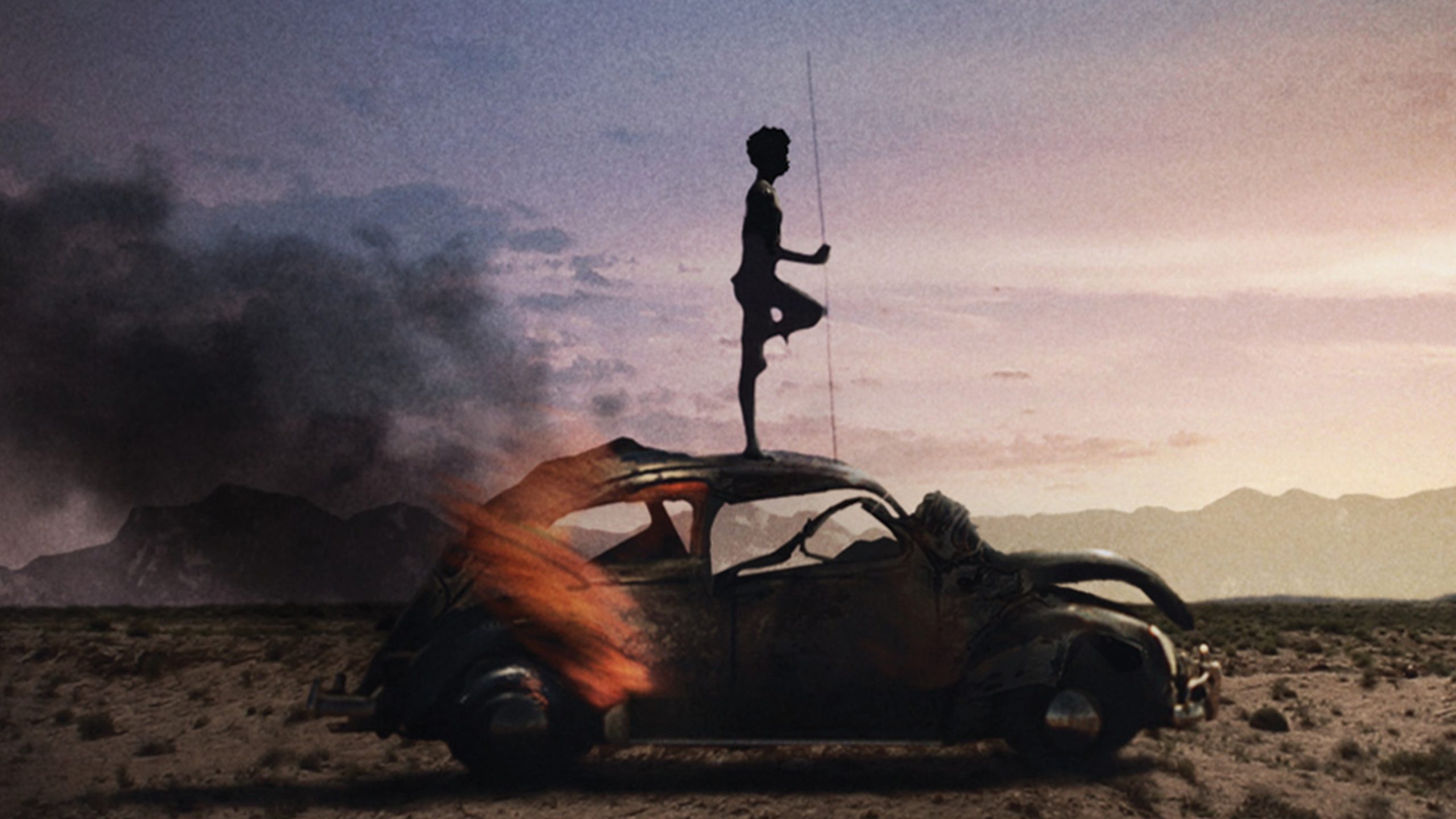
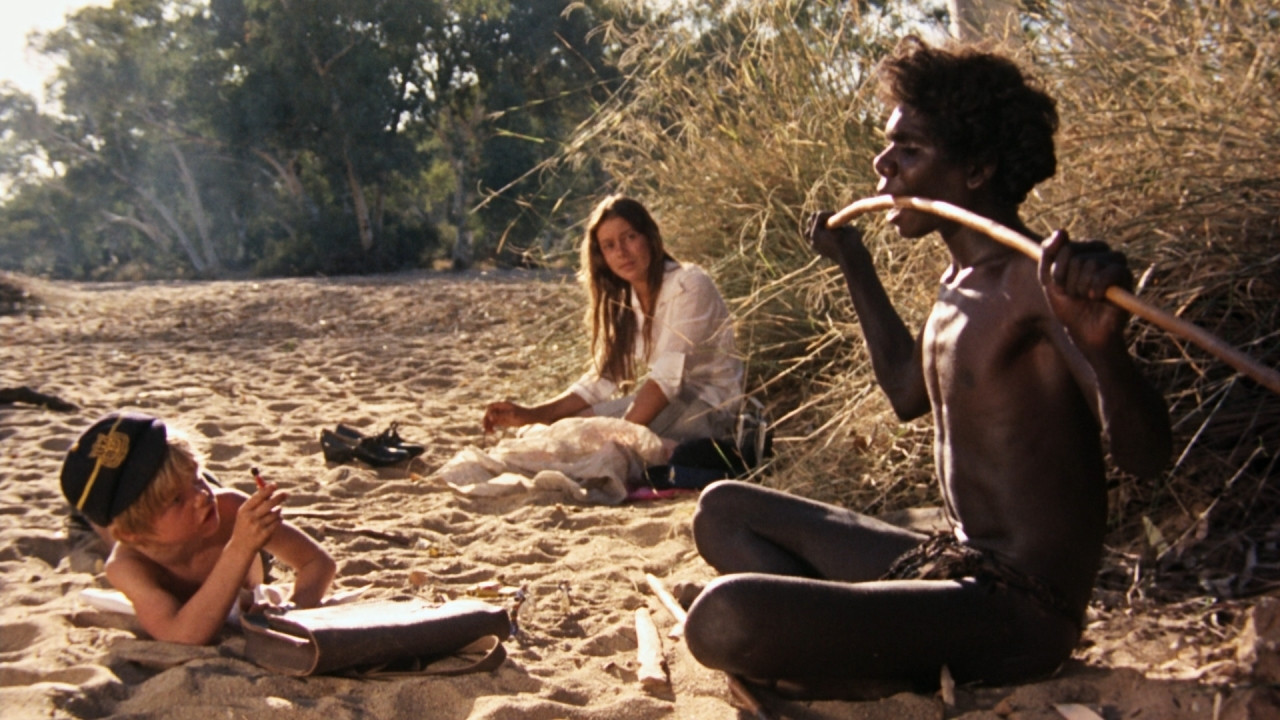
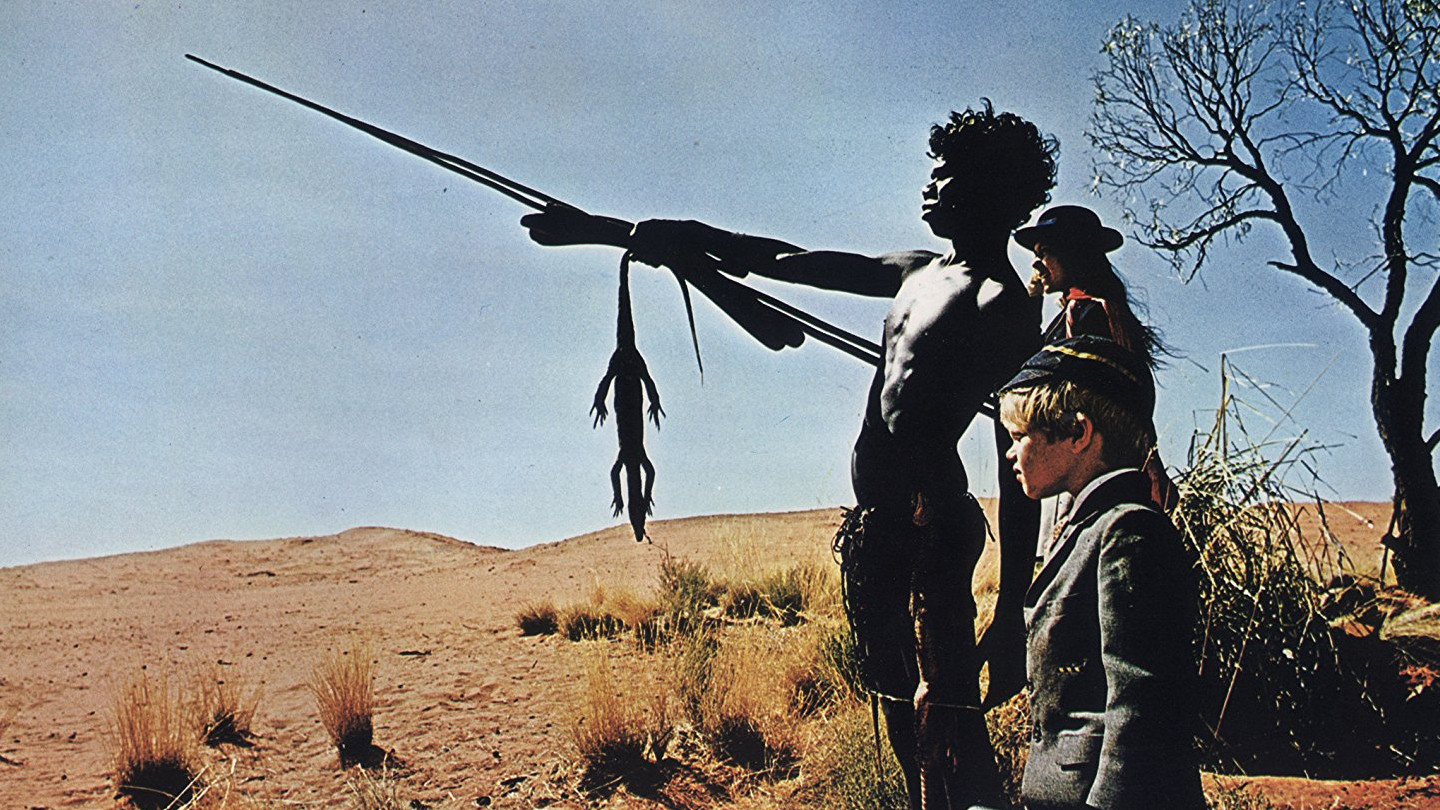
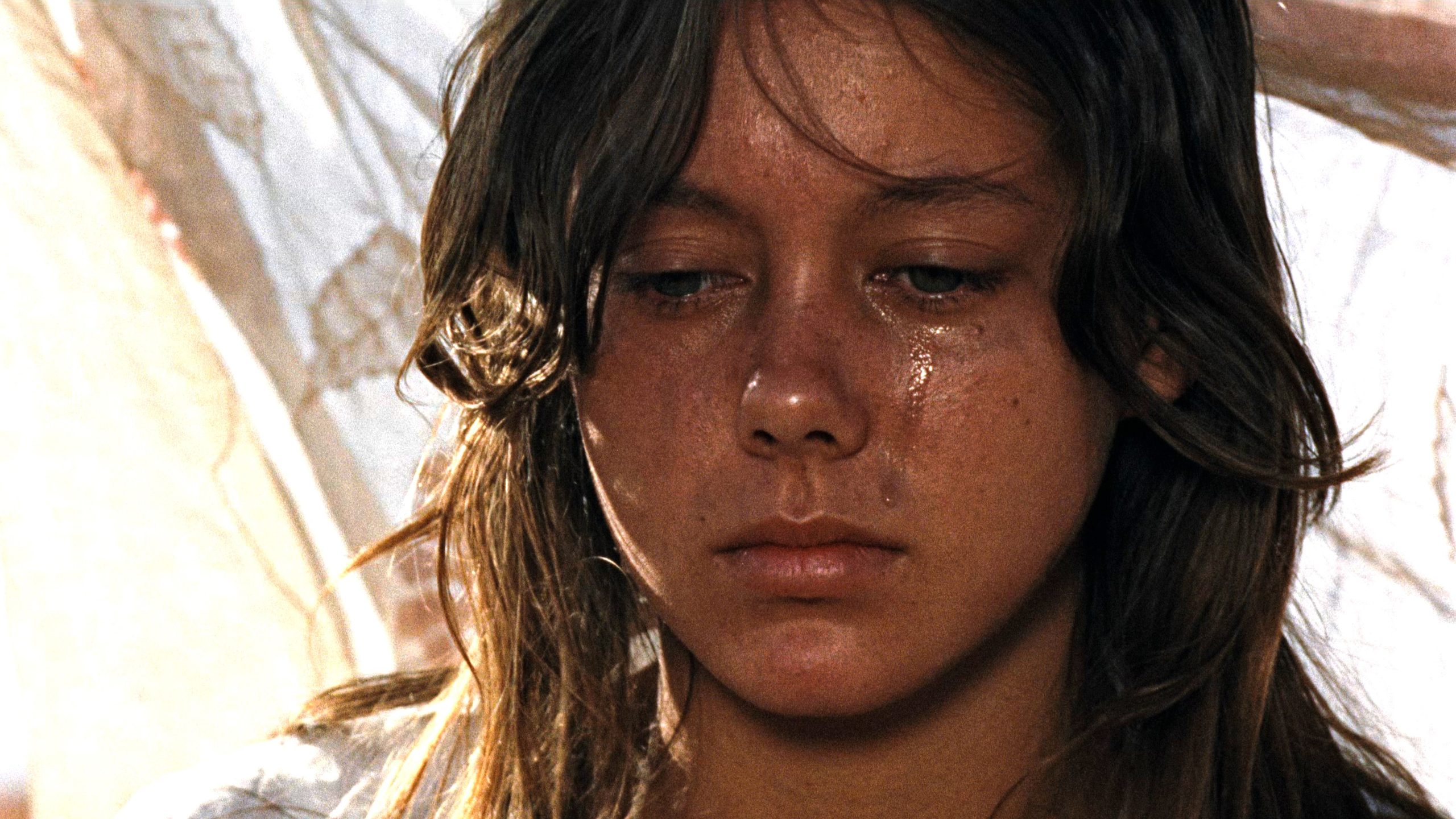
Nicolas Roeg directs and photographs Walkabout, and gives the landscape as much attention as the children trying to cross it. A girl and her brother wander the Australian outback, where an Aboriginal boy becomes their guide. We recommend it warmly for the young actors and the patient attention to a place that never becomes mere scenery. Its weakness is the temptation to make these children represent entire cultures, when their uncertain dealings with one another are already enough.
The desert views give us time to look, but the inserts of insects and reptiles keep disturbing any comfortable appreciation of the scenery. Nicolas Roeg gives those small creatures an importance that a more conventional survival story would reserve for its human travellers. We were unsettled by those interruptions: the children are in trouble, and life carries on around them without taking notice. The landscape remains full of activity even when human speech falls away.
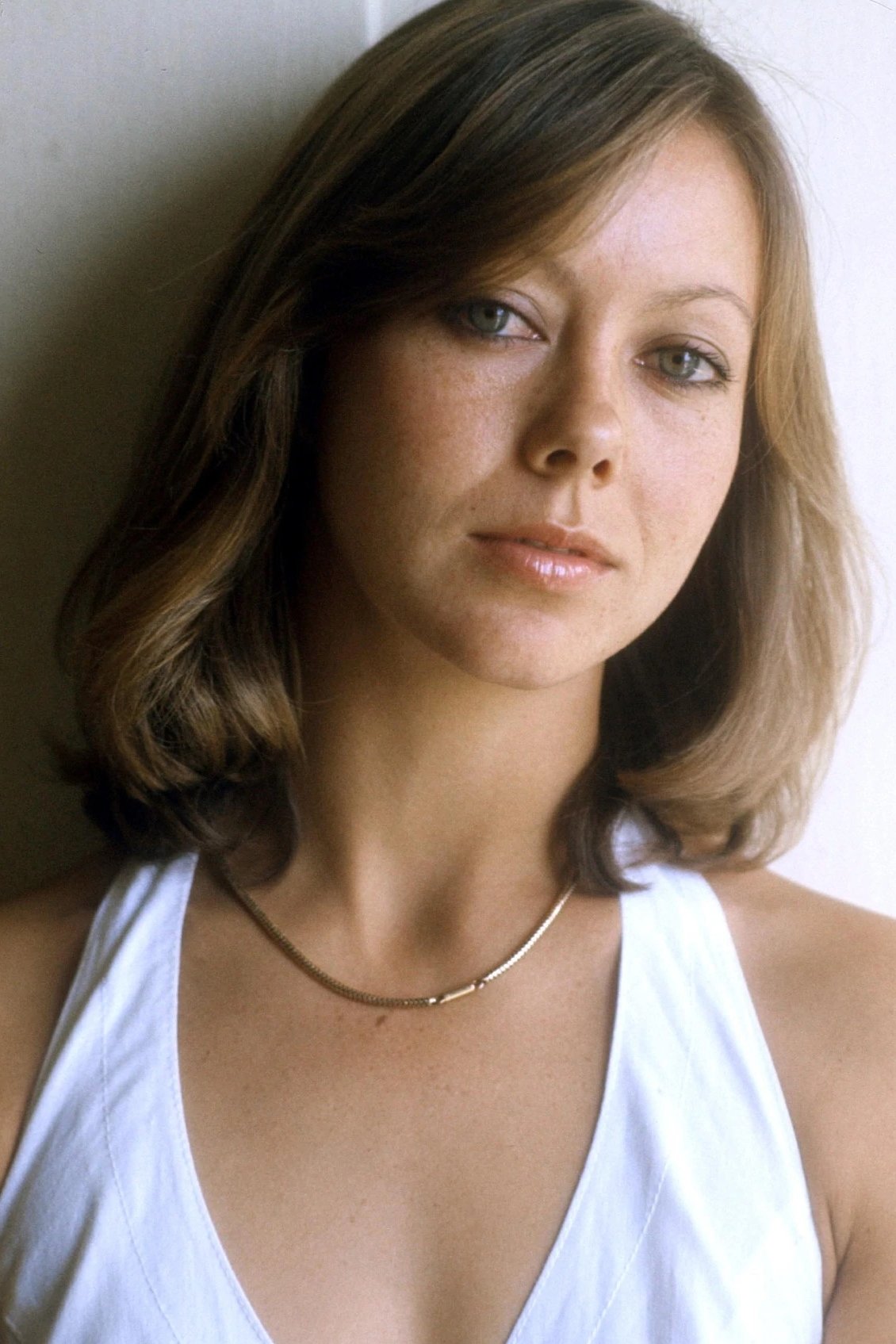
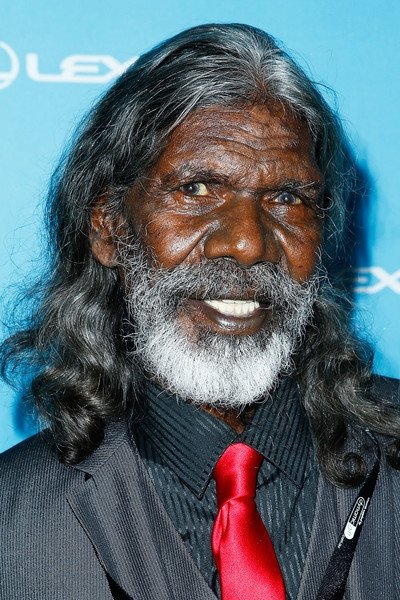
Jenny Agutter gives the Girl an intelligence that keeps us watching without making her easy to understand. Her reserve matters in a film where people so often struggle to make themselves understood. David Gulpilil brings warmth to the Aboriginal boy, a quality the film needs whenever its larger ideas threaten to take over. Luc Roeg’s White Boy helps keep the company recognisably young, and the three performances make their difficulties communicating feel awkward and immediate.
Editors Antony Gibbs and Alan Pattillo make the changes between human routine, open country and animal life do much of the storytelling. Their cutting asks us to compare what people do in different surroundings, rather than simply follow the travellers from one danger to the next. The repeated returns to wildlife can seem excessive, but they also prevent the journey from settling into a reassuring rhythm. We stay alert to what the next image might show, even when little is being said.
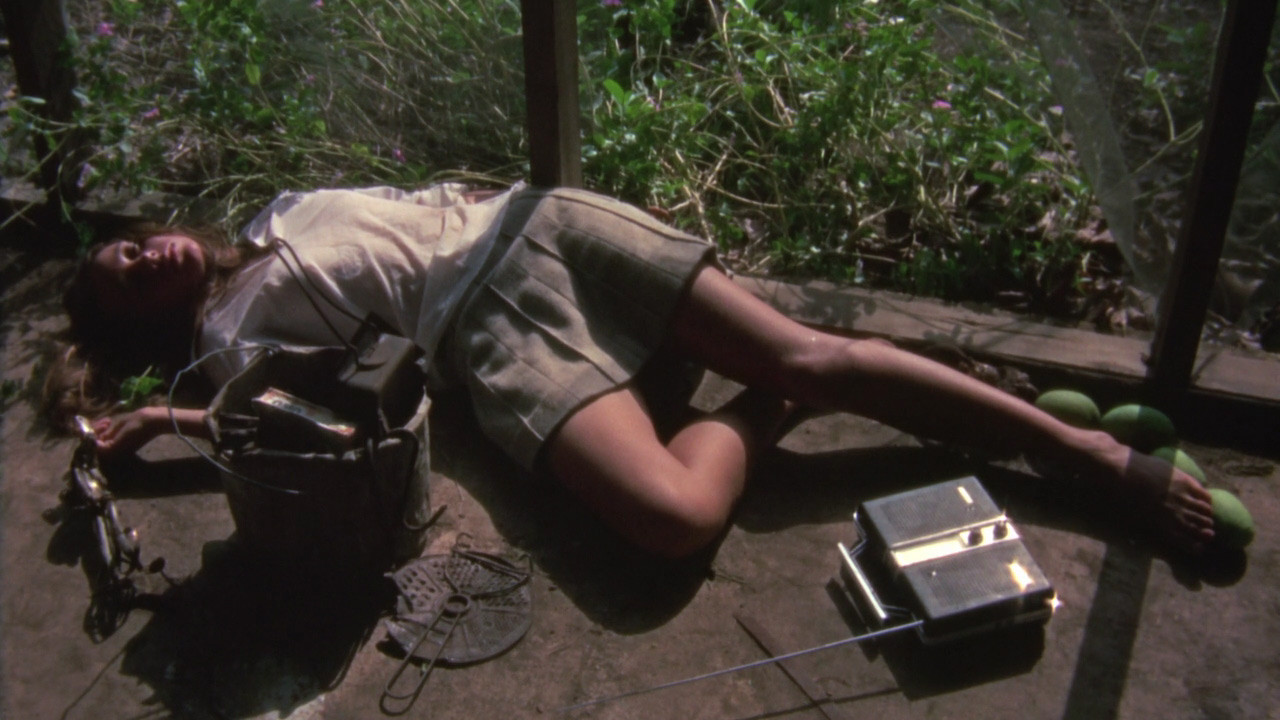
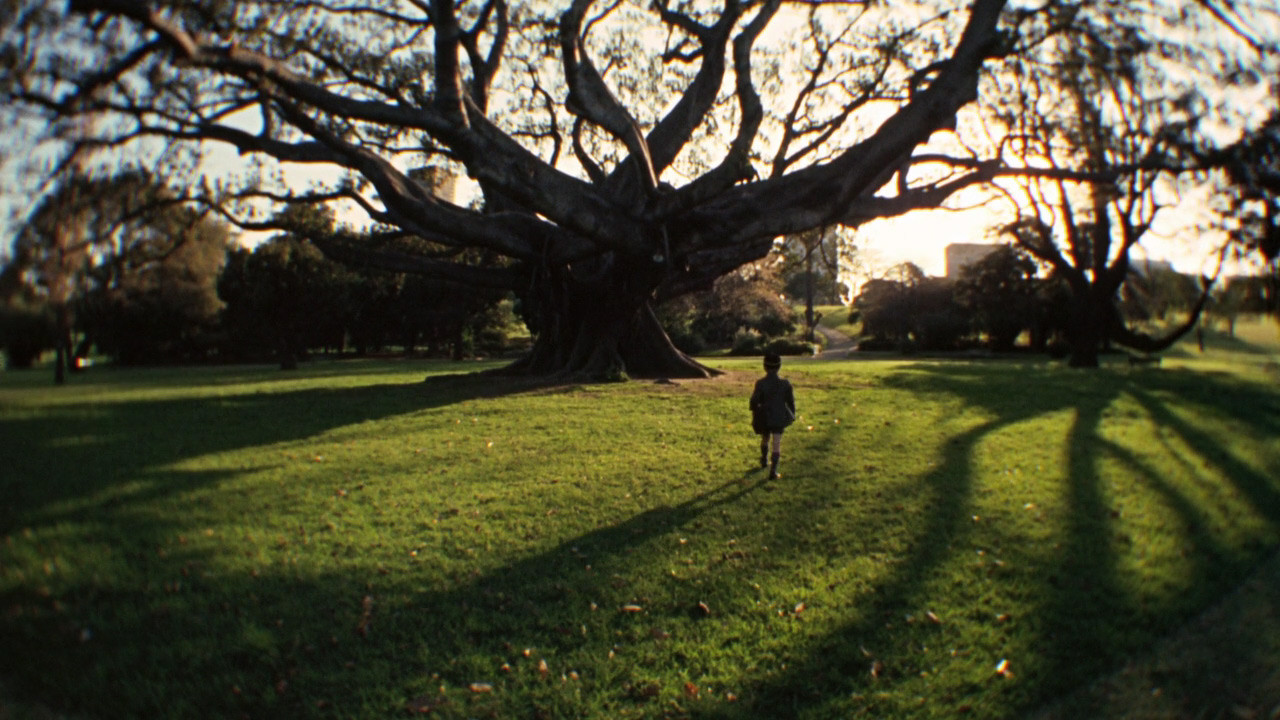
Brian Eatwell’s production design makes the scenes of civilised routine feel confined beside the open country. That restraint is useful: the film makes the comparison forcefully enough through its cutting. John Barry’s music gives the journey a sadness that the sparse conversations cannot express. We find its tenderness persuasive because the actors leave so much unsaid, especially in the exchanges between the Girl and the Aboriginal boy.
The reservation concerns what Nicolas Roeg wants all these comparisons to prove. Edward Bond’s spare writing leaves welcome space for uncertainty between the children, but the opposition between wilderness and civilisation can become too neat. The Aboriginal boy is most affecting as a person trying to communicate, and least convincing when we are encouraged to see him as an answer to everything wrong with modern life. David Gulpilil’s warmth keeps complicating that reading, and we are grateful for it.
At 95 minutes, Walkabout asks for patience without making a trial of it. It is an unusual adventure film, willing to spend time on a failed exchange or an animal that has no part in the children’s immediate predicament. We value that willingness to linger, especially when the young cast can make silence so uncomfortable. Watch it when the pictures can have your full attention; the quiet passages are worth staying with.