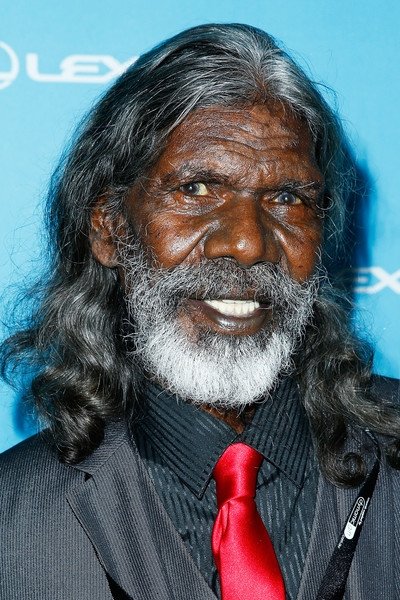
David Gulpilil could make a character’s attempt to be understood matter more than the film’s ideas about him. We value his warmth and physical ease, especially when the writing asks him to stand for too much.
Fi1m perspective
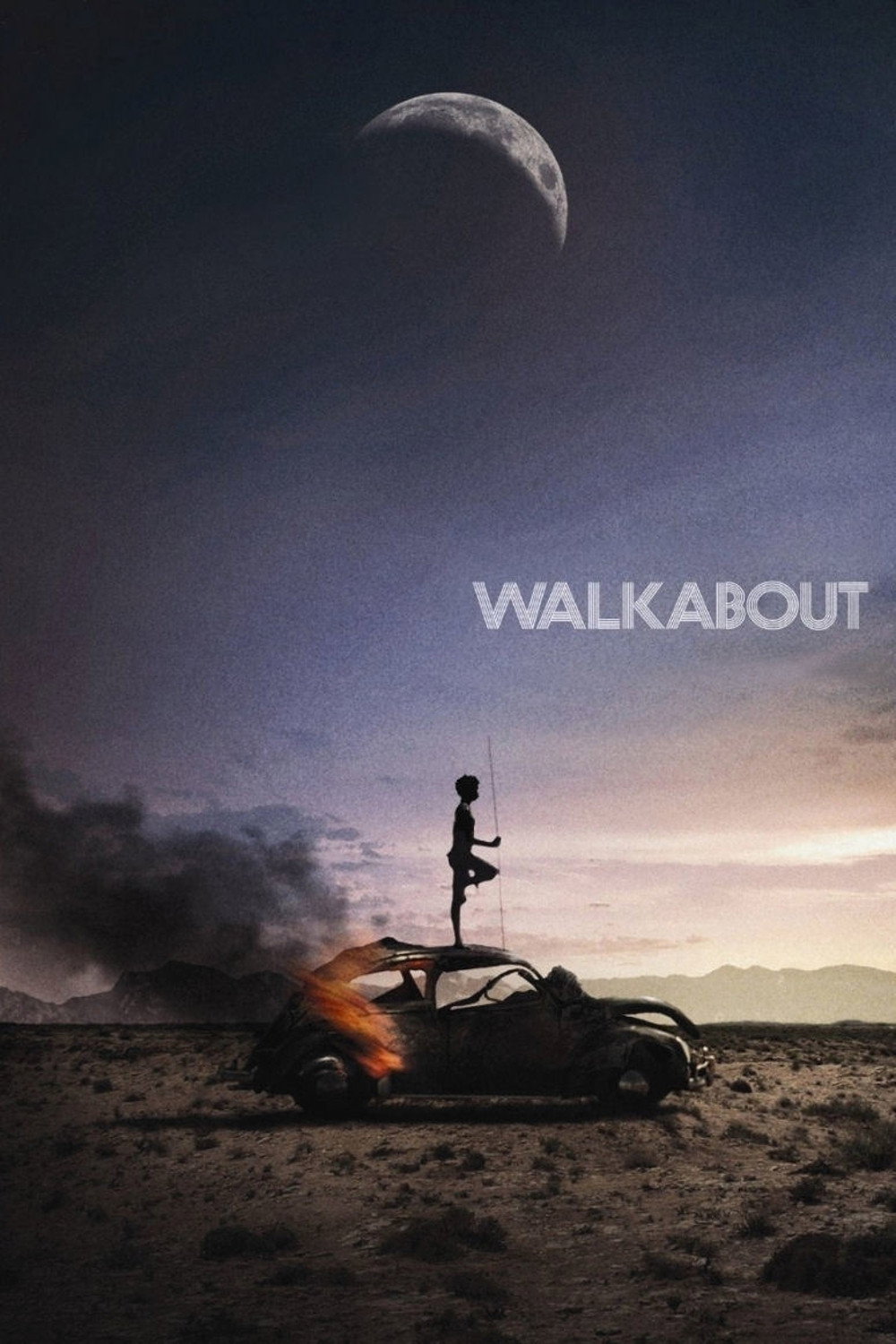
In Walkabout (1971), David Gulpilil makes the Aboriginal boy’s attempts to communicate matter as much as the landscape around him. Beside Jenny Agutter’s reserved Girl, his warmth keeps the difficulties between the children painfully recognisable. We were moved by those awkward exchanges, because he makes the wish to be understood so immediate. Nicolas Roeg’s outback drama is worth giving full attention, despite the simplifications in its contrast between wilderness and civilisation. Gulpilil gives us someone to care about whenever those ideas threaten to take over.
Edward Bond’s spare writing leaves welcome uncertainty between the children. That suits an actor able to convey meaning without dialogue, and it lets the boy remain someone whose thoughts we cannot simply be told. The trouble comes when Roeg encourages us to see him as the answer to everything wrong with modern life. Gulpilil’s warmth makes that reading harder to sustain, though the performance cannot entirely correct the way the part has been written. His performance keeps the uncertainty alive, and that is one reason the film rewards such close attention.
After that debut came Storm Boy (1976) and The Last Wave (1977), then Crocodile Dundee (1986). Across his career, he brought nuance to trackers, mystical strangers, tricksters and elders, often conveying meaning without dialogue. The recurring difficulty was how much individuality the films allowed those characters: his ease on screen could make a thinly written part seem more substantial than it was. The reservations about Crocodile Dundee and Australia (2008) concern their use of Aboriginal characters as exotic figures, a problem his warmth could soften but could not solve.
Rolf de Heer offered a more useful direction with The Tracker (2002), Gulpilil’s first feature lead after three decades. Gulpilil then initiated and narrated Ten Canoes (2006), another collaboration with de Heer. He also co-wrote Charlie’s Country (2013), playing Charlie in a rare leading role as a man caught between cultures. That quiet performance is a useful companion to his work for Roeg, with Gulpilil now helping to determine what the film asks of him. Follow Walkabout with Charlie’s Country; he is worth spending another evening with.
Biography
David Gulpilil (also credited as David Gumpilil and David Dalaithngu) was an Aboriginal Australian actor and dancer from the Yolŋu people. Born in Arnhem Land, Northern Territory, he was raised in a traditional lifestyle and trained as a ceremonial dancer. British director Nicolas Roeg cast the sixteen-year-old in his first film role as the Aboriginal boy in Walkabout (1971).
Gulpilil appeared in numerous Australian films across five decades, including Storm Boy (1976), The Last Wave (1977), Crocodile Dundee (1986), Rabbit-Proof Fence (2002), The Tracker (2002) and Australia (2008). He also performed on stage and collaborated with director Rolf de Heer on films such as Charlie’s Country (2014). He received the Order of Australia Medal and other awards for his contributions to the arts. He died in 2021.